As an Amazon Associate, we earn from qualifying purchases. Some links on this site are affiliate links at no extra cost to you. Our recommendations are based on thorough research and editorial judgment.

2 Best Baby Value-for-Money Shoes for 2026 (Affordable & Comfy)

For your precious nugget’s first steps, the JOSMO Baby Unisex Lightweight Non-Slip Shoes offer great ankle support and a snug fit from 0-24 months. The BACSAC Unisex Baby Toddler Shoes, suited for 6-36 months, combine breathable mesh with cushioned comfort and secure non-slip soles. Both are affordable, lightweight, and easy to wear, prioritizing safety and healthy foot development. Keep exploring to uncover more on how to pick the perfect pair for your little one’s needs.
Key Takeaways
- JOSMO Baby Unisex First Step Shoes offer excellent ankle support and non-slip soles, suitable for infants 0-24+ months at an affordable price.
- BACSAC Baby Toddler Shoes feature breathable mesh, cushioned comfort, and non-slip soles, ideal for 6-36 months old babies focused on safety.
- Both shoes use lightweight, durable materials that promote natural foot development and withstand frequent wear and cleaning.
- Adjustable closures like laces and stretch-knit collars provide secure, comfortable fits that are easy to put on and take off.
- Investing in high-quality, comfortable baby shoes reduces frequent replacements, offering better long-term value for parents on a budget.
Recommended Products

Breathable & Comfortable:These unisex baby socks shoes with non slip rubber soft Sole, knitted with soft breathable combed cotton. The insole is a memory insole, which fits the shape of the baby's feet, fit snugly and comfortably, adapting to your toddler’s natural foot movements. Super flexible , lightweight and comfortable fit all seasons.

Wide Round Toe: The unique design of the toe can make the baby's feet free movement, body balance is not afraid of falling, anti-collision to help crawling

[Breathable & Soft Cotton]:These toddler socks shoes are crafted with soft, breathable cotton, offering all-day comfort for your little one’s delicate feet. Perfect for all seasons, these infant non-slip breathable slippers keep feet cool in the summer and warm in the winter. Whether your child is indoors or outdoors, the breathable fabric ensures there’s no moisture buildup, keeping feet dry and cozy all day long.
JOSMO Baby Unisex Lightweight Non-Slip First Step Shoes

Josmo Baby Boys Girls Unisex Walking Shoes First Step Walker - Lightweight Synthetic Dress Boots...
- Josmo walking shoes are a classic walking shoe for infant babies first steps. These faux leather rubber bottom walking shoes for babies - boys and girls - offer a great...
- INFANT WALKING SHOES: Baby first walking shoes are perfect walking boots for newborns and toddlers, anywhere from 0-3 months, 6-12 months, 12-18 months, or 24+ months...
- WALKERS: Flat Hard Bottom Toddler walking shoes offer a high-top ankle heel support and lace-up closure. These booties are non-slippery and help kids learn to walk in...
If you’re looking for baby shoes that support your little one’s very first steps, the JOSMO Baby Unisex Lightweight Non-Slip First Step Shoes are a smart choice. These shoes fit infants and toddlers from 0-3 months up to 24+ months, so they’ll grow with your precious nugget. The high-top design offers great ankle support, while the flat, hard rubber sole prevents slipping as your baby learns to walk. Made from lightweight synthetic materials with lace-up closures, they keep little feet secure. Available in classic colors, they’re perfect for everyday wear or special occasions like christenings and weddings.
Best For: Parents and caregivers seeking supportive, non-slip first step shoes for infants and toddlers aged 0-3 months to 24+ months that are suitable for both casual and special occasions.
Pros:
- High-top design provides excellent ankle support for early walkers.
- Non-slip rubber sole enhances stability and safety.
- Lightweight synthetic material with lace-up closure ensures a secure and comfortable fit.
Cons:
- Not water resistant, limiting use in wet conditions.
- Faux leather may not be as breathable as natural materials.
- Limited color options may not suit all style preferences.
Recommended Products

Lace-Free Design:The baby shoes have convenient elastic lace-free design for easy on and off,fits snugly on baby's feet.Suit for crawling,walking,running,playing and won't fall off

Breathable & Comfortable:These unisex baby socks shoes with non slip rubber soft Sole, knitted with soft breathable combed cotton. The insole is a memory insole, which fits the shape of the baby's feet, fit snugly and comfortably, adapting to your toddler’s natural foot movements. Super flexible , lightweight and comfortable fit all seasons.

Breathable & Comfortable:These unisex baby socks shoes with non slip rubber soft Sole, knitted with soft breathable combed cotton. The insole is a memory insole, which fits the shape of the baby's feet, fit snugly and comfortably, adapting to your toddler’s natural foot movements. Super flexible , lightweight and comfortable fit all seasons.
BACSAC Unisex Baby Toddler Non-Slip Shoes
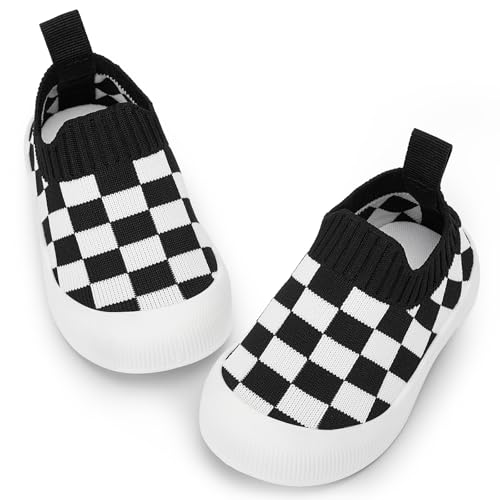
BACSAC Baby Shoes Toddler Shoes Boys Girls Infant Sock Shoes Lightweight Breathable Walking Baby...
- Non-slip Soles:Preventing your baby from slipping,soft, lightweight sole,a safe and cute sock sneakers for baby boys baby girls.
- Breathability:Excellent breathability and moisture wicking to keep your child's feet cool and dry.
- Crashworthiness:Baby slipper toe cap adds an extra barrier to protect baby's feet from injuries.
A great choice for your precious nugget aged 6 to 36 months, the BACSAC Unisex Baby Toddler Non-Slip Shoes offer safety and comfort in one package. You’ll love their non-slip thermoplastic soles that keep tiny feet steady on all surfaces. The mesh outer and cotton lining provide excellent breathability, helping your baby stay cool and dry. Their lightweight, cushioned design makes wearing them a joy. Plus, the one-piece stretch-knit collar slips on easily, saving you time. The added toe cap protects your little one’s toes during play, ensuring both boys and girls enjoy safe, comfy steps every day.
Best For: Infants aged 6 to 36 months who need safe, comfortable, and breathable non-slip footwear for everyday use.
Pros:
- Non-slip thermoplastic soles provide excellent stability on various surfaces.
- Lightweight and cushioned design ensures comfort during wear.
- Breathable mesh outer and cotton lining keep feet cool and dry.
Cons:
- Limited to a single color option (Beige).
- May not be suitable for older toddlers beyond 36 months.
- Imported product, which could affect availability or delivery times.
Recommended Products

Breathable Materials: Baby Sneakers are made of high-quality soft stretchy fabric, quick-drying and lightweight, offers comfortable and excellent wearing experience for your child.

Adjustable Upper Width: The adjustable upper design provides a customizable fit, ensuring maximum comfort for your baby growing feet.

BREATHABLE & QUICK-DRY:These baby water shoes have a breathable and stretchy upper that can quickly dry water from the shoe, making it comfortable for babies to wear for a long time.
Factors to Consider When Choosing Baby Value for Money Shoes
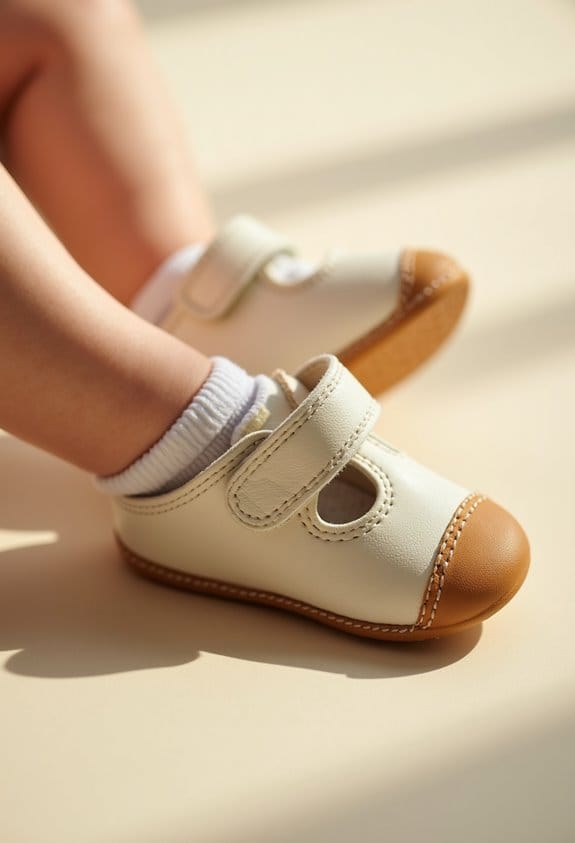
When picking baby shoes that offer great value, you want to focus on fit and comfort first since little feet grow fast. Think about the material quality and sole traction to keep your precious nugget safe and cozy. Don’t forget support, stability, and how easy the shoes are to put on and take off—that makes all the difference for busy parents.
Recommended Products

Breathable Upper & Non-slip Sole:The sock shoes feature a breathable, skin-friendly combed cotton upper to keep your child's feet comfort and dry.Otherwise, soft and lightweight rubber sole,lightweight cushioned design, preventing your baby from slipping, a safe and cute sock sneakers for baby boys baby girls.

INDOOR/OUTDOOR Sock Shoes&Walking Shoes : These unisex baby slipper shoes socks are made from soft breathable cotton and non slip rubber Soft Sole. Super Soft and Comfortable fit all the year. The socks are smooth and breathable and won't hurt your baby's delicate skin
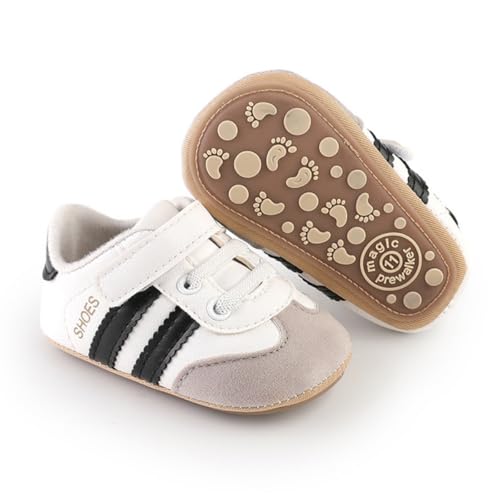
WELL MADE - High quality Pu Leather upper,breathable and sweat absorbing polyester material lining,sturdy rubber sole with grips prevent falls and good support .
Fit and Comfort
Several key factors help you choose baby shoes that fit well and feel comfortable for your precious nugget. First, the shoes should fit snugly without squeezing, letting your little one’s feet move naturally during their essential walking stage. Lightweight shoes make it easier for babies to walk without extra bulk. Adjustable closures like laces or straps matter, too, so you can secure the fit as those tiny feet grow quickly. Inside, look for a soft, cushioned lining to keep your baby comfy and avoid blisters, especially during active play. Don’t forget non-slip soles—they provide needed grip and stability as your infant learns to balance and take those first steps. Choosing shoes with these features helps support healthy foot development and keeps your precious nugget happy on the move.
Material Quality
Countless parents find that the material quality of baby shoes makes a big difference in durability, comfort, and safety. When choosing shoes for your precious nugget, look for outer materials like synthetic or mesh, which are lightweight and easier to clean than leather. Breathability matters a lot—mesh fabrics help wick away moisture, keeping your baby’s feet cool and dry during play. Cushioning and good construction also boost comfort, letting your little one move freely without feeling weighed down. Don’t forget protective features like toe caps, which guard tiny toes without making shoes stiff or uncomfortable. Remember, high-quality materials not only last longer but also support your baby’s developing feet with the right blend of softness and sturdiness. Always aim for balance to keep your child happy and safe.
Sole Traction
Since your little one is just starting to explore walking, good sole traction can make all the difference in keeping those first steps steady and safe. You want shoes with non-slip soles, usually made from rubber or thermoplastic, that grip floors well. For babies moving from crawling to walking, a flat, hard bottom helps with balance and control. It’s also beneficial if the shoes use breathable materials to keep those tiny feet dry, reducing the chance of slipping. While high-top designs offer extra ankle support, their soles still need solid traction to prevent slips. Choosing shoes with the right sole traction helps protect your precious nugget from falls as they gain confidence and independence in their new world of walking adventures.
Support and Stability
While your precious nugget takes those first wobbly steps, support and stability in their shoes are key to building confidence. Choose high-top shoes to gently support tiny ankles, helping your baby stay steady. Look for flat, hard soles that improve balance and reduce slips as they explore the world. Non-slip bottoms are a must—they grip floors well, preventing tumbles on hardwood or tile. Keep shoes lightweight, so your little one won’t feel weighed down or tired quickly. Don’t forget cushioning inside the shoe; it softens every step and protects growing feet from hard surfaces. These features work together to keep your baby safe and comfortable as they discover walking, making those early strides smoother and more secure for you both.
Ease of Wear
Although choosing baby shoes can feel overwhelming, focusing on ease of wear makes life easier for you and your precious nugget. Look for shoes with lace-up closures or slip-on designs to help you get them on and off quickly. Lightweight materials are a must—they make slipping shoes on a breeze and reduce fuss during dressing. Shoes with stretchy features like elastic collars give a snug fit without being tight, so your little one stays comfy. Non-slip soles add safety and let your baby explore confidently without slipping. Choosing shoes that balance easy wear and a secure fit means less stress during busy mornings and more joy watching those first steps. You’ll appreciate shoes that make every outing smoother for both of you.
Breathability Features
Many baby feet benefit from shoes with good breathability, especially as your little one grows more active. Breathable shoes help keep those tiny toes cool, reducing sweat and the risk of overheating. You want shoes made from materials like mesh or cotton that let air flow, keeping feet dry and comfy all day. This kind of airflow helps prevent common issues like fungal infections and foot odor, which can bother your precious nugget. Look for shoes with mesh panels or small perforations—these design features boost breathability without sacrificing support or protection. When your baby moves around, breathable shoes feel lighter and more comfortable, encouraging natural foot development and happy steps. Prioritizing good airflow means healthier, happier feet for your growing child.
Durability and Longevity
To get the best value for money, you want baby shoes that last through all those first adventures. Look for durable materials like rubber soles and synthetic or faux leather uppers that stand up to daily wear. High-quality stitching and reinforced seams help shoes hold together during playtime with your precious nugget. Choose shoes with a flat, hard bottom to provide stability and slow down sole wear as your little one explores walking. Picking brands with multiple size options means the shoes can grow along with your baby, stretching their usefulness. Don’t forget regular cleaning and upkeep—it keeps shoes comfortable and safe while extending their life. With these durable choices, you’ll save money and keep your baby comfy every step of the way.
Frequently Asked Questions
Recommended Products

MATERIAL: Genuine suede leather, soft and lightweight with a durable sole so walking feel natural

👣【 100% Genuine Leather】Slip-on baby shoes great for infant toddler, elastic closure and soft leather keep shoes easily put on and stay on well baby feet.

HIGH QUALITY MATERIAL:Owlowla soft sole baby shoes made of high quality genuine leather with suede sole,it's soft,flexible,breathable,lightweight and test friendly,it's the perfect shoes for babies'growing feet
How Do I Clean Baby Shoes Without Damaging Them?
You clean baby shoes gently by wiping them with a soft, damp cloth. For fabric shoes, use mild soap and water, then air dry away from direct heat. Avoid harsh scrubbing or soaking, which can damage materials or adhesives. If shoes have sweat or odor, sprinkle baking soda inside overnight and shake it out. This keeps your precious nugget’s shoes fresh and comfy without harm. Always check care labels for specific instructions.
When Should Baby Shoes Be Replaced as the Child Grows?
Think of baby shoes like a growing garden—when they’re tight or worn, it’s time to replace them. You should check every 6 to 8 weeks early on, since your precious nugget’s feet grow fast, roughly half a size each month until age one. Look for signs like cramped toes, scuffed soles, or bending shoes. Comfortable shoes that fit well help your little one walk safely and happily.
Are Leather or Fabric Shoes Better for Baby Foot Development?
Leather shoes are generally better for your baby’s foot development because they’re breathable, flexible, and mold to those tiny feet. They offer support without being stiff, which helps as your precious nugget learns to walk, especially from 6 months to 2 years. Fabric shoes can be comfy for indoor use but may lack durability and structure. So, choose soft leather for balance—good for growth and protection without constriction.
Can Wearing Shoes Indoors Affect a Baby’s Walking Skills?
Wearing shoes indoors won’t ruin your precious nugget’s walking skills, but it might slow natural foot sensing. Bare feet help babies around 9-18 months feel textures and build balance, so it’s best to let them wiggle toes freely on safe floors. When you do use shoes inside, choose lightweight, flexible pairs with grippy soles. This keeps your baby steady without blocking important sensory feedback their little feet need to grow strong and sure.
How to Choose Shoes for Babies With Sensitive Skin?
You’ll want shoes made from soft, breathable fabrics like cotton or leather to protect your baby’s sensitive skin. Choose shoes without harsh seams or tags, which can irritate your precious nugget. Look for adjustable closures, so the fit isn’t too tight or loose. Make sure the soles are flexible and lightweight to support natural movement, especially for babies aged 6 months to 2 years, when their feet are still developing.