As an Amazon Associate, we earn from qualifying purchases. Some links on this site are affiliate links at no extra cost to you. Our recommendations are based on thorough research and editorial judgment.

4 Best Well-Designed Baby Shoes for 2026 (Stylish & Comfy)

You want your precious nugget’s first shoes to be safe, comfy, and stylish. Try Clowora’s non-slip walking shoes with soft leather and great grip. The breathable, lightweight option with a 15° sole tilt supports toddlers aged 6-24 months. Hstyle’s sock shoes offer stretchy comfort and memory foam insoles. For a cozy, stylish choice, BACSAC’s Mary Janes have hook-and-loop closures and fleece lining. Keep these picks in mind for happy, healthy steps—and learn which features truly matter for your baby’s growing feet.
Key Takeaways
- Choose baby shoes with non-slip rubber soles to ensure safety and prevent slips during early walking stages.
- Opt for breathable, lightweight materials with wide toe boxes to support natural foot movement and growth.
- Select shoes with comfortable features like memory foam insoles and flexible soles for all-day wear.
- Consider closure types like Velcro or elastic bands for easy dressing and secure, adjustable fit.
- Match shoe design and size to your baby’s development stage, allowing room for fast-growing feet and proper posture.
Clowora Baby Non-Slip First Walking Shoes
Sale


Clowora Baby Boys Girls Shoes Non-Slip Rubber Sole Sneakers Infant First Walking Toddler Crib Shoes...
- 【SAFETY】-- Multiple Safety test, NO any stimulation to the skin of baby.
- 【EASY】 - EASY ON, EASY OFF, An elastic Ankle Band Makes Our Moccasin Easy to Put on, Take off.
- 【LIGHTWEIGHT】 - Soft, lightweight and anti-slip sole is well-crafted to make walking feel natural.
If your precious nugget is just starting to walk, the Clowora Baby Non-Slip First Walking Shoes are a smart pick. They feature a rubber sole with non-slip grip, perfect for wobbly first steps. You’ll appreciate the soft leather exterior and breathable materials that keep little feet cozy. The lace-up closure, paired with an elastic ankle band, makes them easy to put on and take off. Lightweight design helps your baby move naturally without feeling weighed down. Plus, these shoes passed multiple safety tests, so you won’t worry about skin irritation. And if you’re not happy, returns are hassle-free.
Best For: Parents of infants and toddlers who are taking their first steps and need comfortable, safe, and easy-to-wear shoes.
Pros:
- Non-slip rubber sole provides excellent grip for stability during first steps.
- Soft leather and breathable materials ensure comfort and prevent skin irritation.
- Easy on/off design with lace-up closure and elastic ankle band enhances convenience.
Cons:
- Lace-up closure may be tricky for some parents compared to Velcro alternatives.
- Limited to specific styles like loafers and flats, which might not suit all tastes.
- Leather material may require extra care to maintain durability and appearance.
Baby Breathable Lightweight Walking Shoes (6-24 Months)
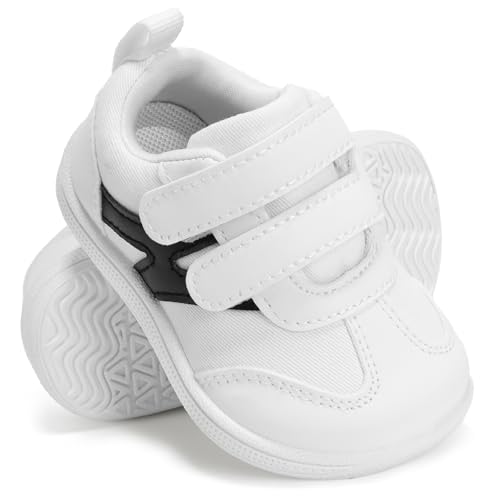
STQ KIDS Baby Girl Breathable Walking Shoes 12-18 Months for Infant Lightweight Slip on Sneakers...
- Wide Toe Design: The wide toe design provides ample room for your baby's growing feet to naturally spread their toes. This design helps relieve pressure, prevent...
- Hook and Loop Closure: The easy-to-use hook and loop design ensures that the shoe fits securely and is adjustable to accommodate your baby's growing feet. This feature...
- Anti-Fall, Anti-Bump Design: Our baby shoes feature a scientifically designed 15° sole tilt design to prevent falls and collisions caused by incorrect walking posture...
Babies between 6 and 24 months take some of their first steps in these breathable, lightweight walking shoes designed just for them. You’ll appreciate the wide toe box that gives your precious nugget’s feet room to grow and stay comfortable. The 15° sole tilt helps prevent falls and bumps, supporting proper walking posture. Crafted from suede, canvas, and PU, these shoes are flexible and light, allowing free movement for curious explorers. The durable TPR sole grips well for both indoor and outdoor play. Easy hook & loop closures make dressing quick, ensuring your little one stays comfy and safe all day.
Best For: Babies aged 6 to 24 months who are taking their first steps and need comfortable, safe, and flexible walking shoes.
Pros:
- Wide toe design supports healthy foot development and comfort.
- 15° sole tilt reduces the risk of falls and improves walking posture.
- Lightweight, breathable materials with a durable TPR sole for indoor and outdoor use.
Cons:
- Not water resistant, limiting usage in wet conditions.
- Hook & loop closure might wear out faster than other types of fasteners.
- Sole material (PVC) may not be as eco-friendly as other options.
Hstyle Baby Non-Slip Toddler Sock Shoes
Sale

Hstyle Baby Sock Shoes Toddler Walking Shoes Infant Non-Slip Slippers Soft Rubber Sole Sneakers for...
- Breathable & Comfortable:These unisex baby socks shoes with non slip rubber soft Sole, knitted with soft breathable combed cotton. The insole is a memory insole, which...
- Non Slip:Sock shoe sole is made of non-slip rubber material. thanks to baby walking shoes design, it touches the ground flat. At the same time, The thickened rubber sole...
- Toe Protection with Rubber Anti-Collision:The thickened Rubber Anti collision Shoe head, buffer impacts,protect your baby’s tiny feet from injury,keeping your baby’s...
One of the best choices for your little explorer is the Hstyle Baby Non-Slip Toddler Sock Shoes, made to keep tiny feet safe and comfy as they take their first steps. These sock shoes fit boys and girls and boast a breathable, soft cotton interior that feels gentle on delicate skin. The memory insole shapes to your precious nugget’s foot for a snug fit. With a thick, non-slip rubber sole and cushioned toe, they protect against bumps and sharp objects. The elastic sock opening makes putting on easy without tightness, perfect for indoor play or casual outings.
Best For: Parents of toddlers seeking comfortable, safe, and easy-to-wear shoes that protect little feet during early walking and play.
Pros:
- Breathable, soft combed cotton interior with memory insole for a snug, comfortable fit.
- Non-slip, thickened rubber sole with cushioned toe for excellent protection and stability.
- Elastic sock opening ensures easy on/off without tightness or slipping.
Cons:
- Not water-resistant, limiting use in wet conditions.
- May not provide enough support for older toddlers needing more structured footwear.
- Limited durability for rough outdoor use due to sock-like upper material.
BACSAC Baby Girls Mary Jane Non-Slip Flats
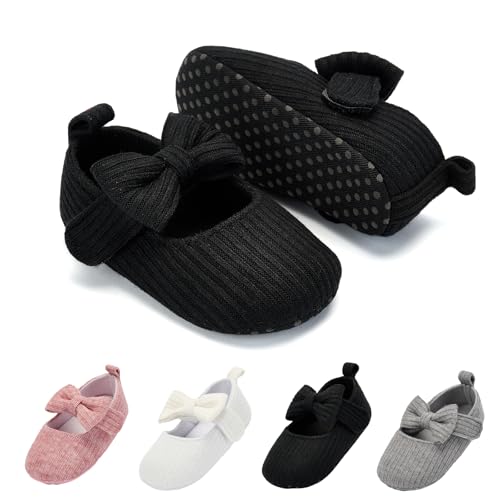
BACSAC Baby Girls Mary Jane Flats with Bow Soft Sole Non-Slip Crib Shoes Infant Toddler First...
- 【Soft & Safe Material】-Made with soft cotton fabric and a lightweight, flexible sole, these baby shoes offer maximum comfort and protection. The cozy fleece and soft...
- 【Easy to Wear & Stay On】-Hook-and-loop closure makes them easy to put on and take off, while ensuring they stay securely on little feet. No more worrying about lost...
- 【Ideal Gift for Baby】-Perfect for baby showers, birthday parties, Photography, or everyday wear. These adorable shoes match well with dresses and outfits, making your...
Designed with soft cotton fabric and a non-slip sole, the BACSAC Baby Girls Mary Jane Non-Slip Flats are perfect for your little princess just starting to explore walking. These classic Mary Janes feature a sweet bow and come in several colors to match her outfits. You’ll love the hook-and-loop closure that keeps the flats secure during those first wobbly steps. The cozy fleece lining and soft bottom gently protect her feet, whether she’s a newborn or toddler. These flats are ideal for baby showers, parties, or everyday wear, combining safety, style, and comfort for your precious nugget.
Best For: Parents seeking comfortable, safe, and stylish first walking shoes for baby girls, especially for newborns to toddlers.
Pros:
- Soft cotton fabric with cozy fleece lining provides comfort and warmth.
- Non-slip fabric sole ensures safety during early walking stages.
- Hook-and-loop closure offers a secure fit and easy on/off.
Cons:
- Sole material fabric may offer less durability compared to rubber soles.
- Limited support for extensive outdoor walking activities.
- Imported product may have longer shipping times depending on location.
Factors to Consider When Choosing Baby Well Designed Shoes
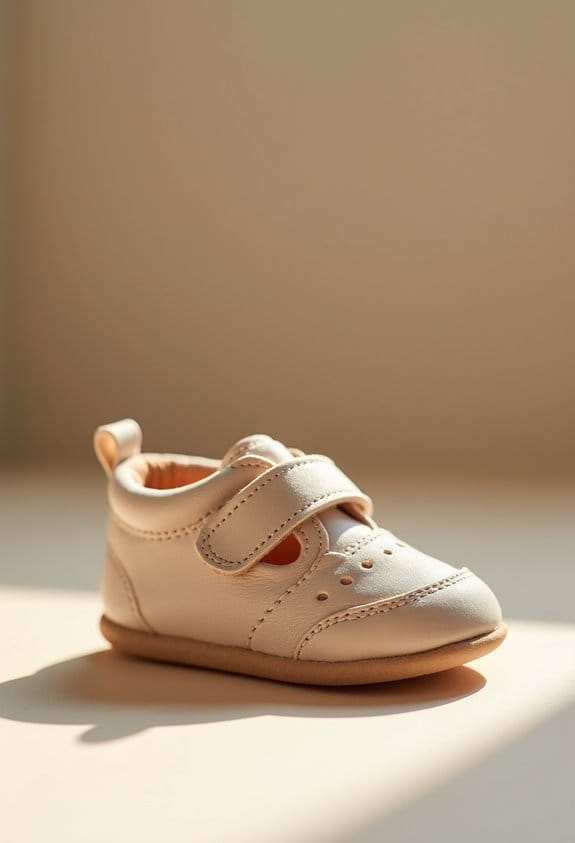
When choosing shoes for your precious nugget, safety features like non-slip soles are a must. You’ll want to pick soft, breathable materials that keep little feet comfy and dry. Think about how the shoe fits, the sole’s flexibility, and easy-to-use closures to suit your baby’s age and activity.
Safety Features Importance
Because your baby’s first steps are full of excitement and exploration, picking shoes with strong safety features matters a lot. You want shoes with non-slip soles that grip well on different surfaces, helping your little one avoid slips and falls. Look for anti-collision designs too, as they protect those tiny toes from bumps and sharp edges while walking. Secure closures, like Velcro or adjustable straps, keep shoes snug so they won’t slip off and cause tripping. Shoes that flex easily allow your precious nugget to move naturally, which supports balance and coordination as they learn to walk. Plus, choosing shoes made with breathable, soft materials helps prevent irritation, keeping your baby’s feet healthy and comfy during those important first months of walking.
Material Selection Benefits
Picking the right materials for your baby’s shoes is key to keeping those tiny toes happy and healthy. You want breathable fabrics like cotton or canvas to help keep your little one’s feet cool and dry. Lightweight materials support natural movement, so your precious nugget can explore and play without feeling weighed down. Look for soft synthetic or suede outer layers too, as they offer the flexibility needed for proper foot growth. Rubber soles add excellent grip, helping prevent slips once your baby starts walking. If you choose water-resistant shoes, make sure they still allow ankles to breathe, so moisture doesn’t build up inside. Balancing these material features helps protect your baby’s developing feet while encouraging adventure with every step they take.
Comfort and Fit
Comfort plays a big role in choosing the perfect shoes for your precious nugget. You want shoes made from breathable materials like cotton or suede to keep little feet dry and cool. A lightweight, flexible design helps your baby move naturally, which supports healthy development as they start walking. Look for memory foam insoles—they shape softly to your baby’s feet, giving a snug, comfy fit. Wide toe boxes are essential to give growing toes plenty of room, easing pressure and preventing discomfort. Plus, non-slip soles provide needed grip and stability, so your baby can explore without slipping. Keep these comfort and fit factors in mind, and your baby’s early steps will be cozy, safe, and just right for their tiny feet.
Sole Design Impact
When you choose baby shoes, the sole design plays a big role in your precious nugget’s safety and comfort. Look for soles made of rubber or similar materials that offer great traction to prevent slips and falls. A flexible sole is key because it moves naturally with your baby’s foot, supporting healthy development as those tiny toes grow. Keep the sole lightweight, so your little explorer can walk and crawl easily without feeling weighed down. Non-slip soles are a must for stable steps on different floors. Also, some shoes have soles tilted at about 15°, which helps maintain proper walking posture. Paying attention to these sole features means your baby can walk confidently and safely during those exciting first steps.
Closure Types Varieties
Sole design sets the stage for safe steps, but how your baby’s shoes close can make a big difference in fit and ease. You’ll find three main closure types: lace-up, hook-and-loop, and elastic bands. Lace-ups offer a snug, adjustable fit that grows with your precious nugget’s foot, perfect as they start moving more. Hook-and-loop (Velcro) closures let you slip shoes on and off quickly—great for busy mornings or when your little one’s in a hurry. Elastic ankle bands provide a secure but stretchy fit, ideal for infants and toddlers just learning to walk. When choosing shoes, think about how easy you want dressing to be and how much support your baby’s foot needs. The right closure helps keep shoes comfy, secure, and simple to manage every day.
Breathability and Flexibility
Although picking out adorable baby shoes is fun, you also want to think about breathability and flexibility. Breathable shoes keep your little one’s feet cool and dry, helping prevent irritation during their active playtime. Look for shoes with a soft cotton lining or mesh panels that allow air to flow freely around those tiny toes. Flexibility matters just as much—it supports natural foot movement and healthy development as your precious nugget learns to walk and balance. Lightweight materials make it easier for your baby to lift their feet without strain, which builds confidence in each step. Plus, shoes with a wide toe box give ample room for their toes to wiggle and grow comfortably. Choosing breathable, flexible shoes sets your baby up for happy, healthy feet every day.
Age and Size Considerations
Choosing the right baby shoes depends a lot on your little one’s age and shoe size. Different stages like crawling, cruising, or walking need specific shoe features to support your precious nugget’s feet. For example, infants aged 6-24 months often benefit from shoes designed with extra room. Make sure the shoes fit well—ill-fitting shoes can cause discomfort and harm foot growth. A wide toe design is key, letting tiny toes spread naturally as they grow. Since baby feet grow fast, you’ll want to measure them regularly. Shoes with adjustable closures, like hook-and-loop straps, keep the fit snug without pinching. Paying attention to these details helps your baby explore comfortably and safely while supporting healthy foot development every step of the way.
Frequently Asked Questions
How Often Should Baby Shoes Be Replaced as They Grow?
You should replace your baby’s shoes every 2 to 3 months, or sooner if you notice tightness or wear. Babies grow fast, especially between 6 to 12 months, so check the fit often. Look for shoes that allow wiggle room, protect tiny feet, and support natural movement. If your precious nugget starts walking or crawling, timely replacements keep their feet comfy and healthy as they grow and explore.
Are There Materials to Avoid for Baby Shoe Allergies?
Like a soft cloud protecting delicate skin, you want to avoid materials that irritate your baby’s feet. Steer clear of synthetic fabrics, latex, and harsh dyes, as these often trigger allergies in little ones. Opt for natural materials like organic cotton or soft leather, which breathe and protect your precious nugget’s skin. For babies up to 12 months, gentle fabrics reduce rashes while keeping tiny toes comfy and safe.
Can Baby Shoes Affect Early Foot Development?
Yes, baby shoes can affect early foot development. For your precious nugget, soft, flexible soles are best until about 12 months old, letting their feet move naturally. Shoes that are too tight or stiff might block healthy growth or cause discomfort. Make sure the shoes fit well, offer gentle support, and allow toes to wiggle. Choosing the right shoes helps your little one develop strong, happy feet during those early, important steps.
How to Properly Clean and Maintain Baby Shoes?
Imagine your toddler’s favorite shoes covered in playground dirt; you want to clean them gently. You can wipe soft leather shoes with a damp cloth and use mild soap for tough spots. Avoid soaking or machine washing to keep their shape. Let them air dry naturally. For fabric shoes, a gentle hand wash works well. Proper care protects your precious nugget’s foot health and keeps shoes comfy and fresh longer.
Are Orthopedic Baby Shoes Necessary for Healthy Feet?
Orthopedic baby shoes aren’t usually necessary for healthy feet, especially in little ones younger than one year. Your precious nugget’s soft, flexible feet need room to grow and move naturally. You’d consider orthopedic shoes if a pediatrician spots specific issues like flat feet or gait problems. Otherwise, choose well-fitting, breathable shoes with good support once your baby starts walking around 9-18 months. Comfort and fit matter most in those early steps.