As an Amazon Associate, we earn from qualifying purchases. Some links on this site are affiliate links at no extra cost to you. Our recommendations are based on thorough research and editorial judgment.


Snow Boots vs. Winter Walkers: What’s the Difference?

Snow boots are rugged, waterproof, and insulated to protect your precious nugget in deep snow and freezing temps. They have tall shafts and strong treads for ankle support and better grip in slippery conditions. Winter walkers, meanwhile, offer lighter insulation and water resistance for everyday use in mild winter weather. They’re more flexible and stylish, perfect for walks on light snow or wet sidewalks. Curious about which suits your child best? Keep exploring to find out.
Key Takeaways
- Snow boots have waterproof construction and thick insulation for extreme cold, while winter walkers offer moderate insulation for milder winter conditions.
- Snow boots feature a taller shaft and stronger ankle support to prevent snow entry, unlike winter walkers with shorter shafts for flexibility.
- Snow boots have deep, aggressive treads for superior traction on snow and ice; winter walkers have moderate tread patterns suitable for wet sidewalks.
- Snow boots are heavier and less flexible, designed for harsh conditions, whereas winter walkers are lighter and more comfortable for everyday wear.
- Snow boots are ideal for deep snow and long exposure to cold, while winter walkers are best for urban use with light snow or rain.
Defining Snow Boots
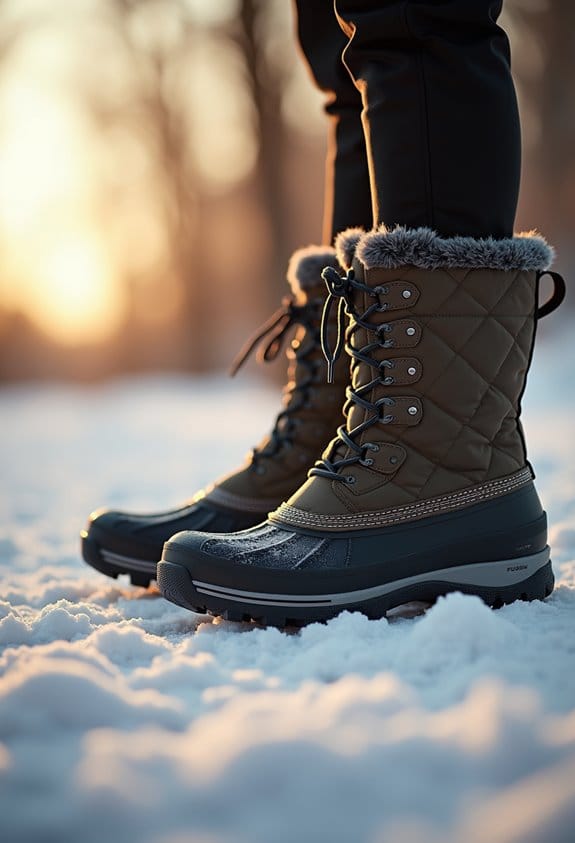
Snow boots are a trusty choice when winter weather turns harsh. Designed for icy conditions, snow boots keep your precious nugget’s feet dry and warm. They feature a waterproof shell, usually rubber, that blocks out wet snow and slush. Inside, thick insulation traps heat, making sure those tiny toes stay cozy even when temperatures dip below zero. The high shaft prevents snow from sneaking in and offers ankle support to keep little feet steady. Traction soles with deep treads grip slippery surfaces, reducing the risk of falls. These features make snow boots a reliable pick for kids who play or walk outdoors in tough winter weather. Choosing the right snow boots means comfort and safety, helping you feel confident your child can handle cold, wet days with ease. Additionally, a non-slip rubber sole is essential to provide safety on slippery surfaces in winter conditions.
Understanding Winter Walkers
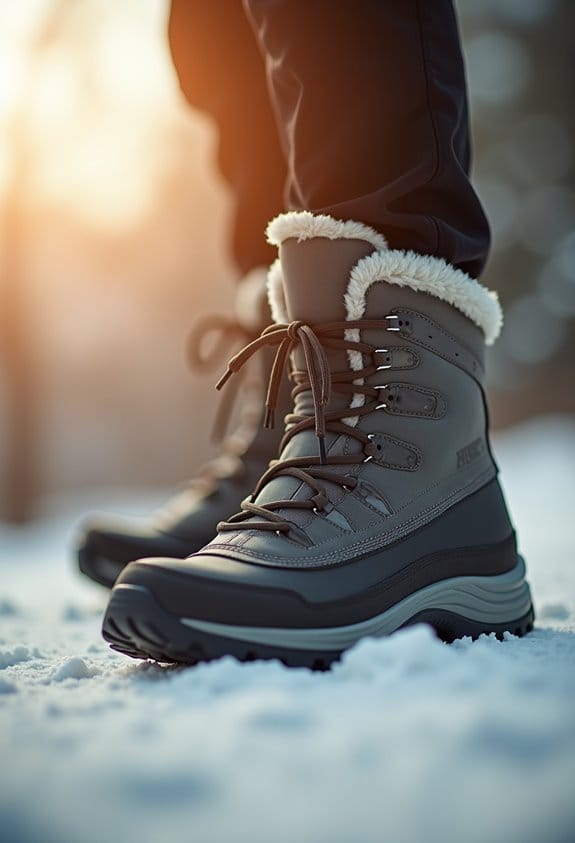
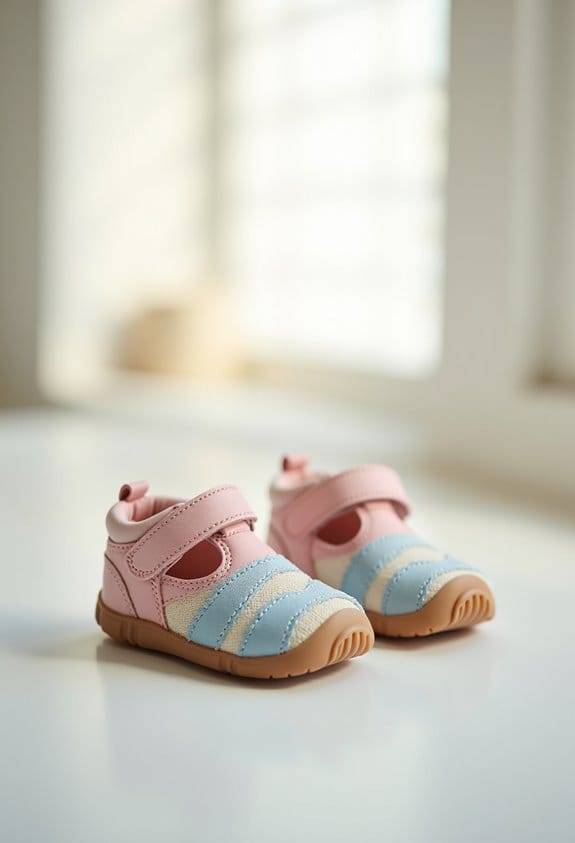
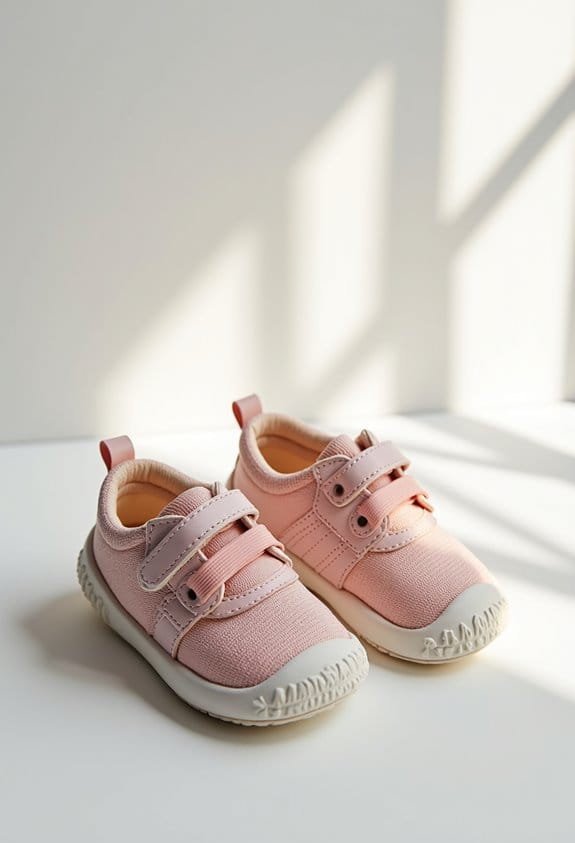
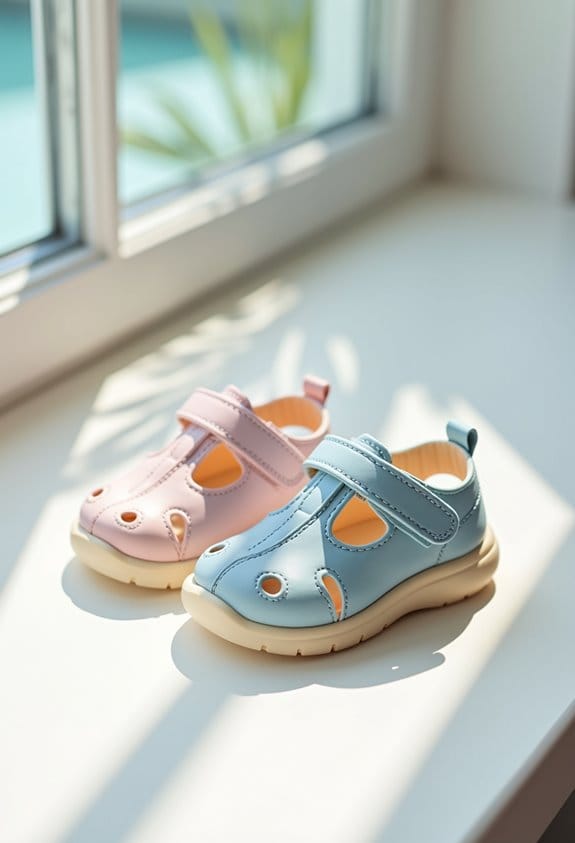
Winter walkers are a practical option for everyday use during mildly cold months. They offer good insulation to keep your precious nugget warm without the bulk of snow boots. Unlike snow boots, winter walkers are usually made from water-resistant, not fully waterproof, materials. This means they work well in light snow and slush but aren’t the best for soggy or deep snow. You’ll notice winter walkers have a shorter shaft and less ankle protection, focusing more on flexibility and comfort. Their outsoles provide moderate traction suitable for wet sidewalks but may slip on icy patches. If you need a lightweight, easy-to-wear boot for casual winter days, winter walkers give you protection and warmth with less stiffness than snow boots. However, for adventurous toddlers exploring snow and ice, waterproof and non-slip snow boots are recommended to ensure safety and warmth.
Key Design Features of Snow Boots
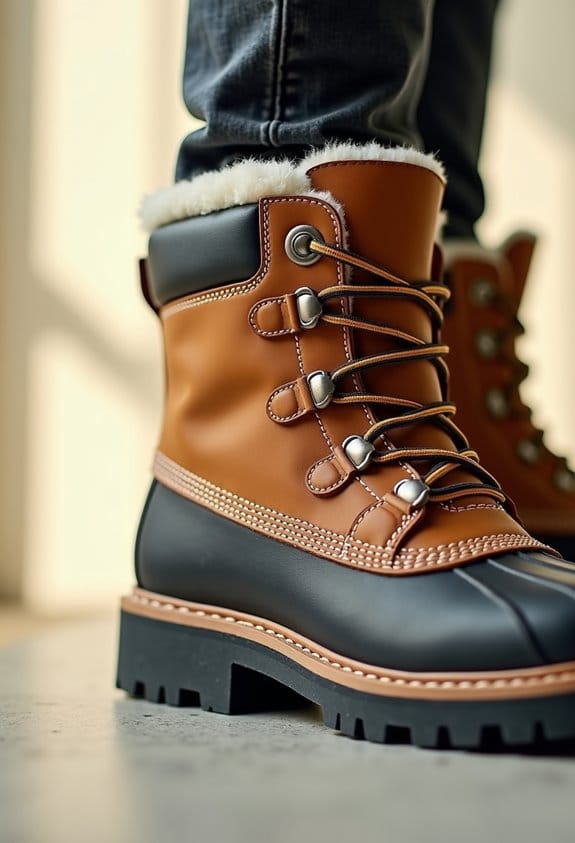
When you need footwear for harsher winter weather, boots built for tough conditions really stand out. Snow boots are designed to keep your precious nugget’s feet dry and cozy. They use waterproof materials with seam-sealed construction to block out wet snow. The taller shaft covers several inches above the ankle, adding warmth and helping keep snow from sneaking in. Thick insulation protects little toes from cold temperatures, often rated well below freezing. Deep treads on thick soles provide excellent traction, so your child won’t slip on slippery sidewalks or snowy paths. Compared to winter walkers, snow boots have a heavier build, making them better for extreme winter conditions rather than casual wear. These key features combine to offer the best protection during snowy days. Additionally, many snow boots feature non-slip soles for enhanced safety and stability on icy surfaces.
Material Composition in Winter Walkers
Although not as robust as those designed for severe weather, winter walkers use materials that balance protection and comfort for your little one’s everyday adventures. They often feature synthetic fabrics that resist moisture but aren’t fully waterproof like waterproof leather found in snow boots. Insulation in winter walkers is present but lighter, making them well-suited for mild winter days rather than icy outings. Many have rubber soles that provide decent traction, though not as strong as snow boots’, so caution is still needed on slippery surfaces. Some models include breathable membranes to help sweat escape, keeping toes dry and happy. These choices create a lighter, more flexible shoe, perfect for your precious nugget’s casual winter play without the bulkier feel of heavy snow boots. Additionally, winter walkers often incorporate non-slip soles to enhance safety during your child’s early steps in variable indoor and outdoor conditions.
Insulation and Warmth Comparison
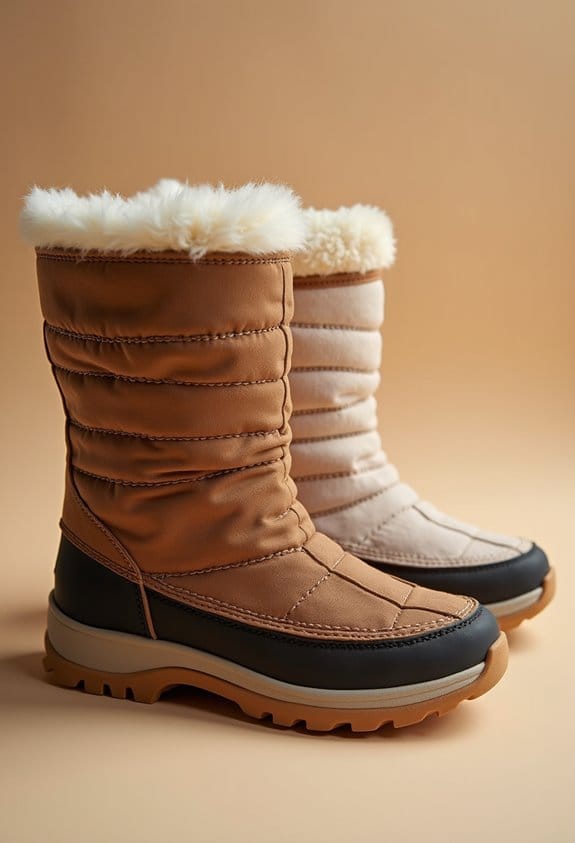
Insulation plays a big part in keeping your little one’s feet warm during chilly days. Snow boots offer higher insulation levels, designed for cold weather that can plummet below zero Fahrenheit. They use thick insulation materials and often include cozy linings like fur or lamb wool to keep your precious nugget snug during long outdoor play. Winter walkers, on the other hand, focus on moderate insulation suitable for milder winter days. They balance warmth with breathability, using lighter, flexible materials for everyday use and shorter outdoor trips. Snow boots generally provide better overall warmth, thanks to their taller design and waterproof construction. If your child faces harsh, snowy conditions regularly, snow boots give superior protection and insulation compared to winter walkers, ideal for casual, warmer winter outings. Additionally, choosing boots with water-resistant materials ensures feet stay dry and comfortable in wet snow and slush.
Recommended Products

100% Waterproof Protection: Seamless waterproof TPE and neoprene construction helps keep little feet dry and comfortable in rain, puddles, and wet weather adventures.

THERMALOCK: 8000mm WP WR resistant coupled with Critical seams are sealed for added protection from the elements; ALL-WEATHER PROTECTION protects against the COLD, SNOW, RAIN and WIND.
Waterproofing and Water Resistance
Waterproofing is a key factor in choosing winter footwear for your little one. Snow boots are fully waterproof, designed to keep those tiny feet dry in extreme conditions like deep snow and slushy sidewalks. They use materials such as rubber and seam-sealed construction, which prevent moisture penetration even during long outdoor playtimes. Winter walkers, on the other hand, are water-resistant, repelling water for a shorter period. They are great for casual wear in milder weather but may become waterlogged in heavy rain or deep mud. Winter walkers often rely on water-repellent treatments that don’t fully block moisture penetration. When picking boots for your precious nugget, consider the waterproof features carefully. Snow boots offer better protection for wetter, harsher climates, while winter walkers suit lighter winter days. Choosing footwear with quick-drying materials can also help keep your child’s feet comfortable after exposure to moisture.
Recommended Products

KEEP THEM WARM: The Toddler Alpenglow II Insulated Snow Boot delivers waterproof protection, durable materials, and toddler-friendly flexibility. It's built to keep little explorers warm and comfortable during snowy play and chilly outdoor walks.

Snow Footwear for Boys & Girls: This snow boot is perfect for staying warm and dry during snow-day adventures
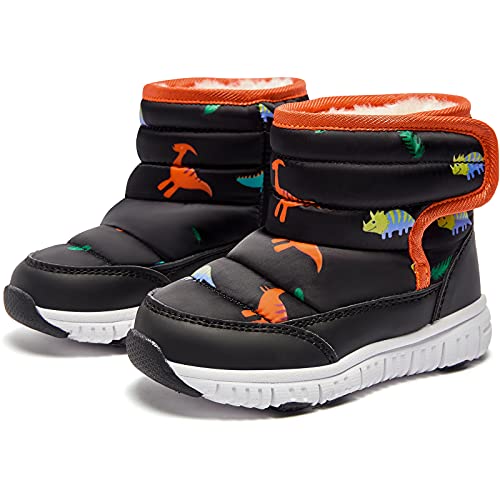
Waterproof Surface: High quality water resistant and features durable textile upper,easy to care for, keep feet dry and comfortable
Sole Traction and Grip Differences
Once you have considered how waterproof the boots are, it’s important to look at how they keep your little one steady on slippery surfaces. Snow boots are designed with deep treads on their soles, giving excellent traction in snowy and icy conditions. Their rubber soles often feature multi-directional lugs that improve grip on uneven ground. This helps your precious nugget stay safe and confident while exploring wintery paths. Winter walkers, on the other hand, usually have less aggressive tread patterns. Their soles focus more on style and versatility, making them suitable for wet but not icy conditions. While both offer grip, snow boots provide superior traction needed during harsh winter months. Choosing the right sole traction matters a lot for your child’s balance and safety outside. Many toddler shoes also incorporate non-slip outsoles specifically designed to prevent slips and falls during active play.
Recommended Products

Snow Footwear for Boys & Girls: This snow boot is perfect for staying warm and dry during snow-day adventures
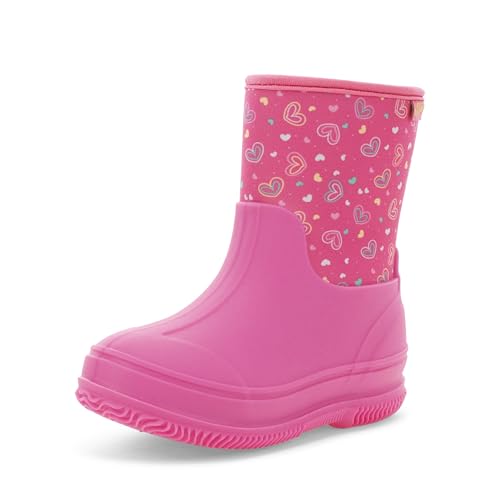
100% Waterproof Protection: Seamless waterproof TPE and neoprene construction helps keep little feet dry and comfortable in rain, puddles, and wet weather adventures.

100% Waterproof Protection: Seamless waterproof TPE and neoprene construction helps keep little feet dry and comfortable in rain, puddles, and wet weather adventures.
Weight and Flexibility Considerations
Weight and flexibility are important factors to evaluate when choosing winter footwear for your child. Snow boots tend to be heavier, often weighing up to 80 ounces, due to their reinforced structure and thick insulation. This extra weight provides superior protection in harsh snow and winter conditions but reduces flexibility. These boots are best when your little precious nugget needs stability during long periods outdoors in deep snow. On the other hand, winter walkers are lighter and more flexible, making them easier for short outings and everyday wear in milder winter weather. Their flexibility allows your child to move comfortably without feeling weighed down. When deciding between boots and walkers, consider your child’s typical winter activities and the conditions they’ll face to find the right balance of weight and flexibility. Additionally, prioritizing footwear with non-slip rubber soles can greatly enhance stability and prevent falls during winter play.
Breathability and Comfort Factors
Comfort plays a big role when choosing winter footwear for your precious nugget. Snow boots offer excellent insulation to keep tiny toes warm during long, cold outings. However, their breathability is often limited, which can cause feet to sweat and feel uncomfortable after a while. Winter boots, on the other hand, balance insulation with better ventilation, making them more breathable and comfortable for everyday wear. They are lighter and more flexible, which helps your child move easily. No matter which boot you choose, pairing them with moisture-wicking socks improves comfort by keeping feet dry and cozy. While snow boots prioritize warmth over airflow, winter boots focus on breathability without sacrificing insulation, ensuring your little one stays comfortable during winter adventures, indoors or outside. Additionally, choosing footwear with breathable materials enhances moisture management and overall comfort throughout the day.
Ankle Support and Shaft Height
Ankle support and shaft height are key features to contemplate when choosing boots for your precious nugget. Snow boots usually have a taller shaft that extends several inches above the ankle. This design offers extra protection by keeping deep snow out and adds warmth around your child’s lower leg. Snow boots wrap snugly, giving better ankle support that helps your little one stay steady on slippery or uneven ground during extreme conditions. Winter boots often feature a shorter shaft. This lowers ankle coverage and support, making them lighter and easier for casual wear but less protective in deep snow. While both types offer some ankle support, snow boots are specially built for maximum stability and protection when the weather gets harsh, making them a smart choice for tough winter days. Choosing boots with non-slip soles can also enhance safety by providing better grip on icy surfaces.
Ideal Usage Scenarios for Snow Boots
When your precious nugget will spend a lot of time playing in deep snow or wet slush, snow boots are the go-to choice. These winter boots are designed for icy and snowy conditions, featuring a waterproof winter shell that keeps feet dry. The insulation in snow boots helps keep your feet warm, even when temperatures drop very low. Their tall design stops snow from sneaking inside and adds ankle support for safety during active play. Thick soles with deep treads offer excellent grip, preventing slips on slippery paths. Ideal usage scenarios include long hours outside building snowmen, enjoying ski trips, or any deep snow adventures where warmth and dryness matter most. For parents seeking reliable footwear, snow boots guarantee comfort and protection through the coldest, wettest days.
Recommended Products
100% Waterproof Protection: Seamless waterproof TPE and neoprene construction helps keep little feet dry and comfortable in rain, puddles, and wet weather adventures.

【100% Waterproof & Seamless Tech】5mm neoprene boots give you comfort and flexibility, 100% waterproof and heat retention. Seamless construction ensures water doesn't seep into the boots. Whether splashing in puddles or walking through wet grass, the streamlined surface and thickened upper keep kid's feet dry and warm.

【100% Waterproof & Seamless Tech】5mm neoprene boots give you comfort and flexibility, 100% waterproof and heat retention. Seamless construction ensures water doesn't seep into the boots. Whether splashing in puddles or walking through wet grass, the streamlined surface and thickened upper keep kid's feet dry and warm.
Practical Applications of Winter Walkers
Where do winter walkers fit in your child’s cold-weather wardrobe? Winter walkers are perfect for urban environments where your precious nugget needs comfort and style. These boots offer good water resistance, keeping little feet dry during light snow or rainy strolls. Their lower ankle design means your child will have ease of movement while running errands or heading to casual outings. Winter walkers are often more stylish, blending well with everyday clothes without looking bulky. They provide sufficient traction to help prevent slips on icy sidewalks, though they aren’t made for deep snow or rough terrain. If you want a practical, comfortable option for short trips and mild winter days, winter walkers strike a fine balance between function and fashionable flair.
Recommended Products

COMFORT AND FIT: These girls chelsea ankle boots have a foam padded insole for added comfort plus elastic gussets, side zippers, and pull tabs for easy on/off

FABRICATION: 100% faux suede upper, 100% faux fur & tricot lining, 70% EVA/30% recycled EVA outsole, imported

COMFORTABLE HIGH-QUALITY MATERIAL - The BEARPAW Shorty Youth 3-inch suede boot is cozy and cute. They feature medial gore for easy on and off for the kid on the go.
Frequently Asked Questions
Are Winter Boots and Snow Boots the Same?
Winter boots and snow boots differ in insulation types, boot materials, traction features, waterproof technologies, ankle support, and style variations. Snow boots prioritize heavy insulation and waterproofing, while winter boots emphasize lighter materials and casual style.
Are Snow Boots the Same as Walking Boots?
“Don’t judge a book by its cover.” Snow boots differ from walking boots in insulation types, waterproof materials, hiking boot features, and traction levels; walking boots prioritize comfort comparison and fashion styles for versatile daily use rather than severe conditions.
Can I Wear Snow Boots in Winter?
Snow boots can be worn in winter due to their waterproof materials, varied insulation types, and specialized traction patterns. Their design suits harsh conditions, while style options and best use depend on outdoor activity and personal preference.
Can I Walk in Snow Boots?
Snow boots act as sturdy shields in winter’s battlefield. Their waterproofing technologies, superior snow traction performance, and diverse boot insulation types guarantee durability. Crafted from specialized winter boot materials, they are ideal for walking confidently in snowy conditions.