As an Amazon Associate, we earn from qualifying purchases. Some links on this site are affiliate links at no extra cost to you. Our recommendations are based on thorough research and editorial judgment.


Understanding Baby Walking Stages: Cruising to Confident Steps

Babies typically start cruising between 9 to 12 months, pulling up to furniture and practicing balance. Confident walking steps usually follow around 12 to 15 months, though some take longer, and that’s perfectly okay. These stages build essential muscle strength and coordination. Encouraging barefoot cruising and offering safe spaces helps your precious nugget explore confidently. Watching for milestones like standing unassisted by 10 months is key. Further insights reveal how to support your baby’s walking journey and spot any concerns early.
Key Takeaways
- Babies typically progress from pulling up to stand, to cruising along furniture, before taking confident independent steps.
- Cruising helps develop balance, coordination, hip stability, and trunk rotation, essential for walking readiness.
- Signs of walking readiness include standing unassisted, cruising, and squatting with support to pick up objects.
- Encouraging barefoot cruising and providing push toys motivates movement and builds walking confidence.
- Monitoring milestones like pulling up by 10 months and walking by 18 months helps identify developmental delays early.
When Do Babies Typically Start Walking?

Although every precious nugget develops at their own pace, most babies typically start walking between 12 and 15 months. You might wonder when do babies typically start walking, as this milestone brings excitement and a sense of achievement. Independent walking is a major step in your baby’s growth, marking their growing confidence and mobility. Some little ones begin as early as 9 months, while others might take their first steps closer to 18 months—both are perfectly normal. Before walking, many infants practice skills like pulling up and cruising along furniture, usually between 9 and 12 months. Remember, individual differences are common, and many toddlers walk well after 15 months. This milestone reflects your baby’s unique developmental journey, so patience is key during this adventurous phase. Choosing infant backup walking shoes with features like non-slip soles and breathable materials can support your baby as they take their first steps.
Key Signs That Your Baby Is Ready to Walk
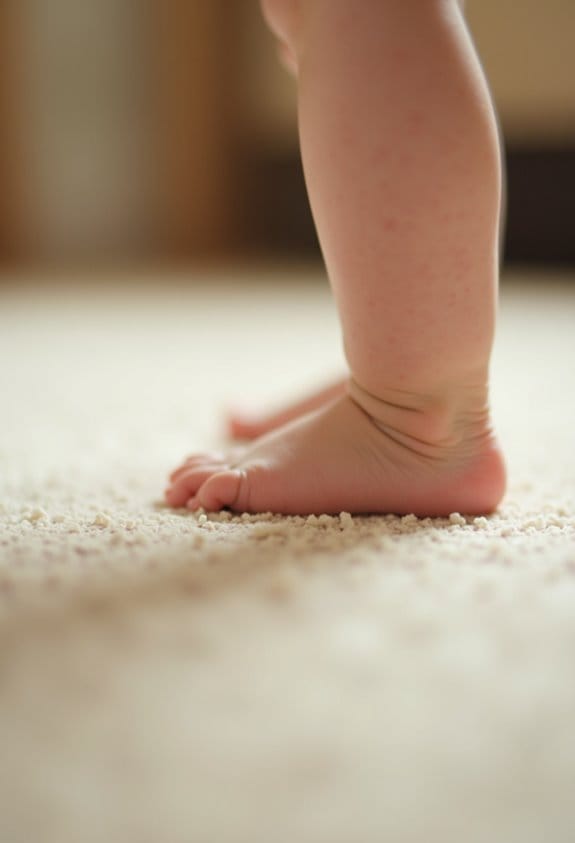
Before your precious nugget takes those first independent steps, you might notice several signs that show they’re getting ready to walk. One key sign is when your baby can pull themselves up to stand using furniture. This action builds strength needed for baby walking. You may also see your little one cruising—moving sideways while holding onto a couch or table. This weight shifting shows growing balance. Babies often start standing unassisted for short periods, a clear signal of readiness. Additionally, squatting with support to pick up toys indicates developing muscle control. These signs usually appear between 9 to 12 months, with walking likely by 12 to 15 months. Watching your baby confidently pull up and cruise helps you know when those wobbly, wonderful walking days are close. Choosing baby shoes with flexible soles at this stage can promote natural foot movement and support motor skill development.
How Pulling Up and Cruising Build Walking Skills
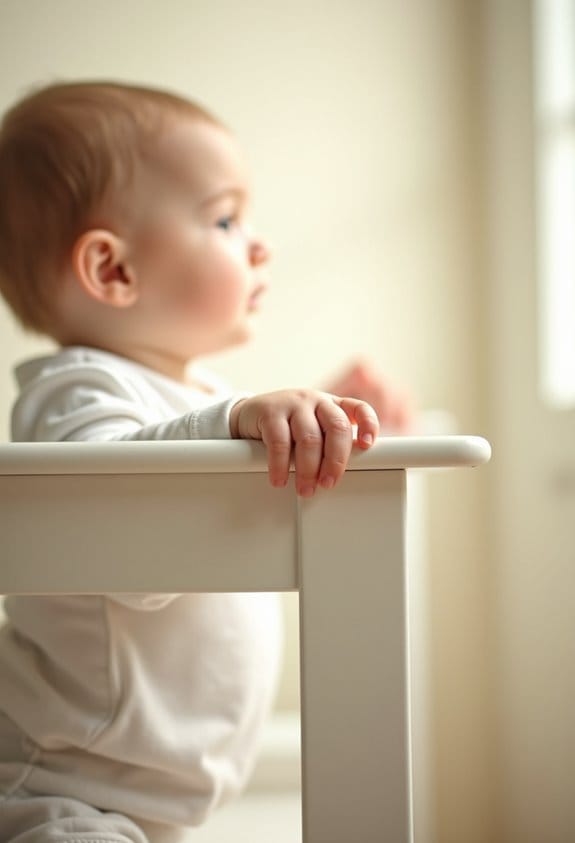
When a baby begins pulling up to stand, usually between 7 to 10 months, they start building the strength needed for walking. This early stage of pulling to stand helps your precious nugget develop balance and muscle control. Next comes cruising along furniture, where babies move sideways while holding on for support. This step is essential as it sharpens their motor skills, especially coordination and trunk rotation. As your little one cruises, they gain hip stability and leg strength—key elements for confident walking. These movements also boost spatial awareness, helping your baby understand their body in space. Pulling up and cruising together lay the groundwork for independent steps, allowing your child to gradually stand longer and prepare for those first wobbly walks. During this stage, it is crucial to use anatomical shape shoes to support healthy foot development and encourage natural balance.
Recommended Products

EXPLORE AND MORE: create endless fun for infants and toddlers as they climb, crawl and slide all around this beginner 360 climber; rearrange and build different configurations to stimulate imaginative playtime; for the crawler, walker and explorer

Foam Climber: Crawling and playing on a soft play structure can provide toddlers with physical, cognitive, and social benefits; this all-in-one climber is great for a playroom, nursery, or classroom

ALL-DAY COMFORT: The Dansko Professional is our flagship clog. Inside its iconic silhouette is a roomy reinforced toe box, an anatomically contoured PU midsole, an inner frame for stability and support, a padded instep collar, and a protective heel counter that allows the heel to move up and down freely while providing lateral stability.
Practical Ways to Encourage Walking Development

As your little one masters pulling up and cruising, it’s helpful to support their walking development with practical steps. Encourage barefoot cruising to boost sensory feedback and improve balance, as advised by pediatric experts. Create a safe space by rearranging furniture to form a clear cruising path, allowing your precious nugget to explore confidently. Place engaging toys within reach to motivate movement, which strengthens legs and core muscles. Around 11 to 15 months, introduce push and pull toys with stable wide bases and adjustable speed to further support walking practice. Remember to celebrate every small success warmly. Praising these milestones helps build confidence and keeps the focus on enjoying the journey, not just reaching the final walking step. When selecting shoes for walking practice, opt for those with non-slip rubber soles to enhance safety on various surfaces.
Recommended Products

Material: Made of leather and microfibre,the soft edges on the back prevent skin chafing during prolonged daily use and are very comfortable and durable.


Material: Made of leather and microfibre,the soft edges on the back prevent skin chafing during prolonged daily use and are very comfortable and durable.
Social and Emotional Benefits of Learning to Walk
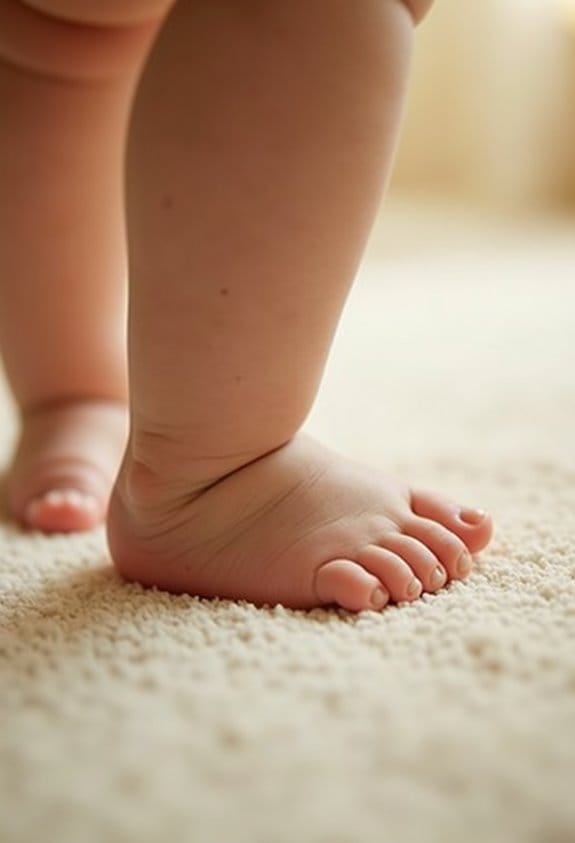
Though learning to walk may seem like a purely physical skill, it also brings important social and emotional benefits for your precious nugget. As babies begin to move on their own, they engage more in social play with peers and caregivers. This new mobility encourages exploration, helping toddlers develop independence and boost their self-confidence. Walking helps infants face challenges like falls and successes, which builds resilience and problem-solving skills important for emotional growth. Celebrating each walking milestone also strengthens the bond between you and your little one, promoting emotional security. These moments of encouragement and connection create a supportive environment where your baby feels safe to explore, learn, and grow both socially and emotionally during these exciting stages. Providing your baby with appropriately supportive footwear during this time can further enhance their confidence and safety, especially shoes with non-slip soles that aid stability and natural movement.
The Role and Risks of Baby Walking Toys
Encouraging your precious nugget to take their first steps might tempt you to reach for baby walking toys. Push toys with stable designs, like speed-adjustable wheels and wide bases, can support upright posture and help practice balance. However, your baby must be developmentally ready to use these toys. Using them too early can cause frustration and won’t effectively prevent falls. It is best to limit playtime with push and pull toys to 20 minutes and always supervise to avoid obstacles. Traditional baby walkers are not recommended due to safety risks and lack of developmental benefits. When selecting walking aids, look for features that promote safety and comfort, like flexible, non-skid shoe soles, to support your precious nugget’s confident first steps. Additionally, ensuring shoes have non-slip soles can significantly reduce the risk of falls and enhance stability during early walking attempts.
Recommended Products

Material: Made of leather and microfibre,the soft edges on the back prevent skin chafing during prolonged daily use and are very comfortable and durable.

Material: Made of leather and microfibre,the soft edges on the back prevent skin chafing during prolonged daily use and are very comfortable and durable.

MACHINE WASHABLE shoes for girls and boys ideal for school, gym, running, outdoor playing, and hiking. Machine wash COLD; remove insole and AIR dry (NO dryer use)
Understanding Toe Walking and When to Be Concerned
What does it mean when your precious nugget starts walking on their toes? Toe walking is common in toddlers and can be a normal part of development. However, if it continues beyond age 2, it’s wise to watch other developmental milestones closely. Consistent toe walking, especially along with delays in balance or coordination, might signal a need for professional evaluation. Some children also show intoeing, which often resolves by age 6. Early intervention can help if toe walking is pronounced or lasts too long. Exercises to strengthen leg muscles and improve alignment are helpful in supporting your child’s walking progress. Monitoring your child’s walking patterns and discussing any concerns with a pediatrician can guarantee they move confidently and safely. Choosing shoes with non-slip soles can also promote stability and balance during early walking stages.
Choosing the Right Footwear for Walking Babies
Selecting the right shoes for a precious nugget learning to walk is important for comfort and safety. Look for flexible soles that let your baby’s feet move naturally. Shoes with rounded wide-toe boxes give growing toes enough room and prevent pinching. Non-skid features on the soles improve traction, helping little ones keep their balance. Lightweight, breathable materials keep feet comfortable as your toddler takes confident steps. Adjustable straps are also smart—they keep shoes snug without squeezing the foot. Experts recommend avoiding stiff shoes because soft, flexible styles mimic barefoot walking, which supports balance and sensory feedback. Choosing shoes with these features helps your precious nugget explore walking comfortably and safely, making each step a joyful milestone. Additionally, selecting footwear made from hypoallergenic materials reduces irritation and supports healthy skin for sensitive baby feet.
Recommended Products

Custom Fitment:The mat compatible with 2023 2024 2025 2026 Honda Pilot cargo mat and floor mat are designed according to the original car model. Please check the vehicle model thoroughly before making a purchase.

Made in Dominican Republic. True to Size.

Addressing Developmental Delays in Walking Milestones
Not every precious nugget follows the same timeline when learning to walk, and some may take a bit longer to reach milestones. If your child hasn’t started pulling up to stand by 10 months or isn’t walking independently by 18 months, it might signal developmental delays in motor skills. Watching how your little one stands unassisted and takes steps helps spot early concerns. Persistent toe walking or delayed cruising should prompt a pediatrician’s advice. Early intervention is key; professionals like pediatric physical therapists can support your child’s motor skills growth. Addressing these signs early reduces challenges and builds confidence as your precious nugget moves toward independent walking. Remember, seeking help is a positive step for both you and your baby’s healthy development. Choosing shoes with non-slip outsoles can also aid in promoting safe and confident walking as your child develops.
Recommended Products

MACHINE WASHABLE shoes for girls and boys; remove insole, machine wash cold and air dry (no dryer use)


MACHINE WASHABLE shoes for girls and boys ideal for school, gym, running, outdoor playing, and hiking. Machine wash COLD; remove insole and AIR dry (NO dryer use)
Frequently Asked Questions
How to Transition Baby From Cruising to Walking?
Switching from cruising to walking involves using cruising techniques alongside walking aids to build strength and balance. Implementing safety measures, such as soft surfaces and clear spaces, encourages confidence and reduces risks during independent stepping practice.
How Long After Cruising Will My Baby Walk?
Like a ship setting sail, babies often walk within weeks after mastering cruising milestones. Walking readiness can vary widely, but developmental expectations typically show independent steps appearing shortly after confident cruising, marking steady progress towards mobility.
How to Help Your Baby Gain Confidence to Walk?
A supportive environment, combined with encouraging play and a safe space, fosters a baby’s confidence to walk. Positive reinforcement, interactive toys, and secure aids promote balance and motivate independent movement during early walking stages.
What Age Do Babies Start to Walk Confidently?
Like a sunrise breaking through clouds, babies start walking confidently between 12 to 18 months. Their first steps mark significant walking milestones in baby development, highlighting individual pace and evolving coordination as stability steadily strengthens.


