As an Amazon Associate, we earn from qualifying purchases. Some links on this site are affiliate links at no extra cost to you. Our recommendations are based on thorough research and editorial judgment.

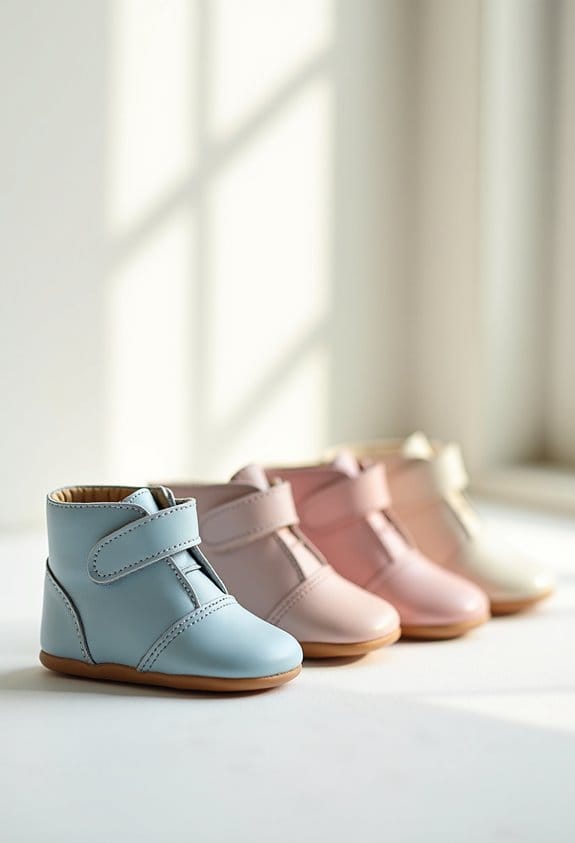
Early Walker vs. Late Walker: Does Shoe Timing Change?

Early walkers, starting around 9 to 12 months, benefit from supportive, flexible shoes with non-slip soles to protect their feet outdoors. Late walkers, often between 12 to 18 months, can enjoy more barefoot time to develop muscle strength naturally before needing shoes. Both need shoes with a wide toe box and breathable materials when the time comes. Regular shoe fit checks every 6 to 8 weeks are key for comfort and growth. More tips on fitting and timing come next for your precious nugget.
Key Takeaways
- Early walkers (9-12 months) need supportive, durable shoes for outdoor exploration, while late walkers (12-18 months) often benefit from more barefoot time.
- Shoe timing adjusts as early walkers require shoes sooner, but late walkers should extend barefoot walking to strengthen foot muscles.
- Flexible, non-slip soles are essential for both groups to ensure safety and promote natural movement once shoes are introduced.
- Regular shoe fit checks every 6-8 weeks are crucial due to rapid foot growth, regardless of walking start time.
- Early walkers need protective shoes earlier, but late walkers should delay shoe use, emphasizing barefoot benefits for balance and development.
Understanding Early and Late Walking Milestones
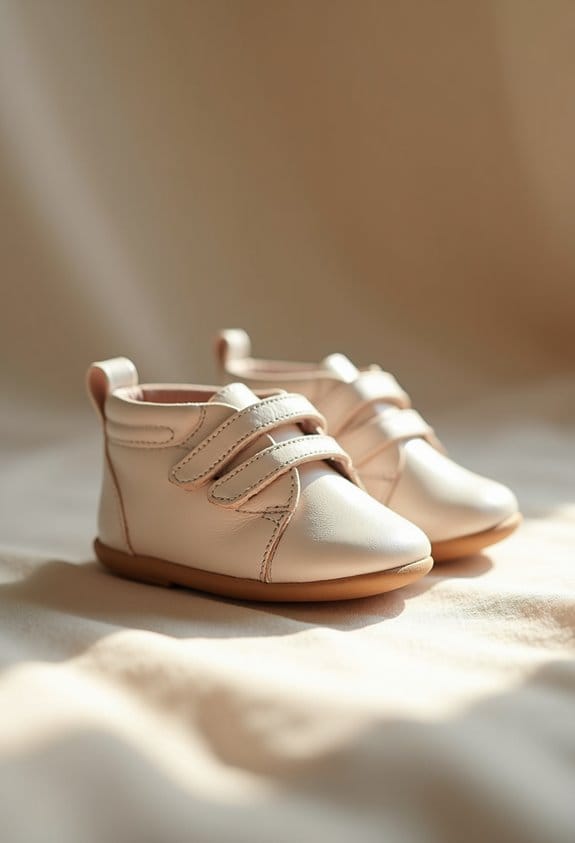
Although every precious nugget grows at their own pace, children usually take their first steps between 9 and 18 months. Walking is a key developmental milestone that shows progress in gross motor skills, coordination, and natural movement. Early walkers may start around 9 months, while late walkers might not take their first steps until 18 months, both falling within the broad range of typical development. Pediatric physical therapists note that while walking patterns mature over 3 to 6 months, early or late walking does not usually affect future abilities. However, if a child isn’t walking by 16 months, consulting a pediatrician is recommended to check for any concerns. Understanding these milestones helps parents support their precious nugget’s unique journey with calm confidence. Choosing the right baby walking shoes with non-slip soles and proper support can assist toddlers as they develop their walking skills.
Recommended Products

Great aesthetic appeal with its modern and sleek surface and now available in earth tone colors


TRADITION MEETS INNOVATION: At Sandgrens, we blend classic craftsmanship with contemporary design, proudly carrying on our legacy of exquisite footwear since 1846. Committed to quality and comfort, we handcraft each pair to withstand the test of time and elevate your style.
Impact of Walking Timeline on Shoe Selection

When your precious nugget begins walking, the timeline can influence the best shoe choices to support healthy foot development. Early walkers, starting between 9-12 months, often need shoes with proper support and durable materials because they explore outdoors sooner. Flexible shoes that fit well help protect their growing feet without restricting movement. Late walkers, usually walking around 12-18 months, benefit from extended barefoot movement to encourage natural foot development. When they begin using shoes, soft, breathable options that offer comfort and support are ideal. Both early and late walkers grow quickly, so shoe selection requires checking fit every 6-8 weeks. Tailoring shoe choice to your child’s walking timeline guarantees their feet stay healthy and comfy as they step confidently ahead. Additionally, choosing shoes with non-slip soles is essential to provide stability and prevent falls during early walking stages.
Recommended Products


AN ICON that evolves every season, these men’s fashion sneakers are crafted lightweight, with an eye-catching design and an anatomic shape that hugs your feet

Lightweight and flexible outsole
Benefits of Barefoot Walking for All Walkers
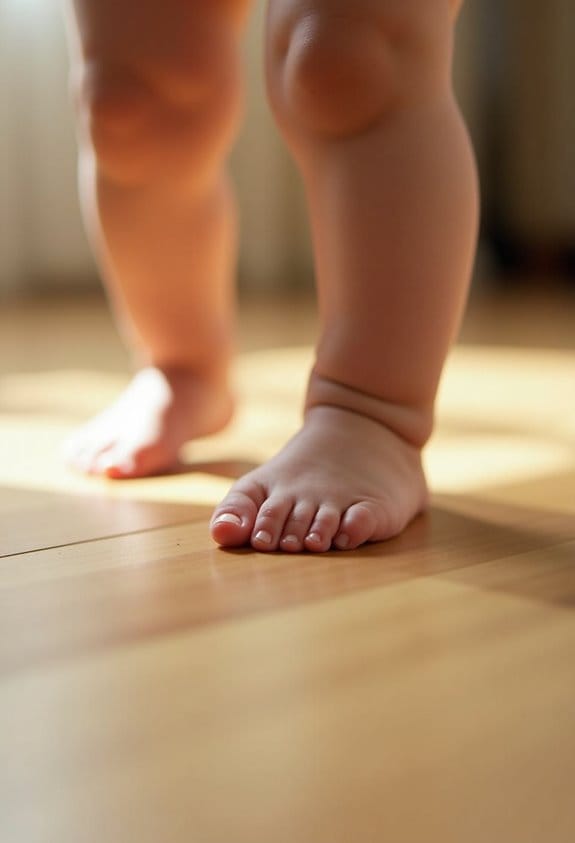
While every precious nugget takes their first steps at their own pace, encouraging barefoot walking can benefit all early and late walkers alike. Walking barefoot supports natural foot development, helping your child’s foot muscles grow strong and healthy. This strengthens ligaments essential for a stable walking pattern and overall foot health. Barefoot time promotes sensory integration, allowing children to feel different textures underfoot, which sharpens balance and coordination. It also enhances spatial awareness and body control as they explore their environment. During early walking stages, barefoot experience helps align feet correctly, reducing the risk of abnormal gaits. Offering your little one safe, barefoot moments nurtures these important skills and supports a confident, natural stride, whether they start walking early or a bit later. When shoe-wearing becomes necessary, selecting footwear with non-slip soles and breathable materials is important to maintain safety and comfort.
Features to Look for in First Walker Shoes

A good pair of first walker shoes can make a big difference for your precious nugget learning to walk. The best shoes for tiny feet offer a wide toe box that allows natural toe splay, supporting healthy foot development. Flexible soles that bend and twist easily help promote balance and proper movement as your child explores standing and stepping. Look for a snug fit secured with Velcro straps or laces, preventing slipping without squeezing. The heel cup should be semi-flexible to support developing ankle muscles while letting your little one move comfortably. Choose shoes made from breathable materials like leather or canvas to keep feet cool and dry. These features together create a safe, comfortable start for early or late walkers mastering their first steps. Additionally, sole flexibility is crucial to enable natural foot movement akin to barefoot walking, which supports balance and coordination.
Recommended Products

Flexible outsole

ICONIC AIR FOR KIDS.The Nike Air Max 90 LTR returns with an even better feel for you. Cushioning is softer and more flexible, the Max Air unit is tuned for growing feet and the shape gives your toes more wiggle room. With a design and look that are s

Flexible construction helps support first steps
Transitioning From Pre-Walkers to Supportive Footwear
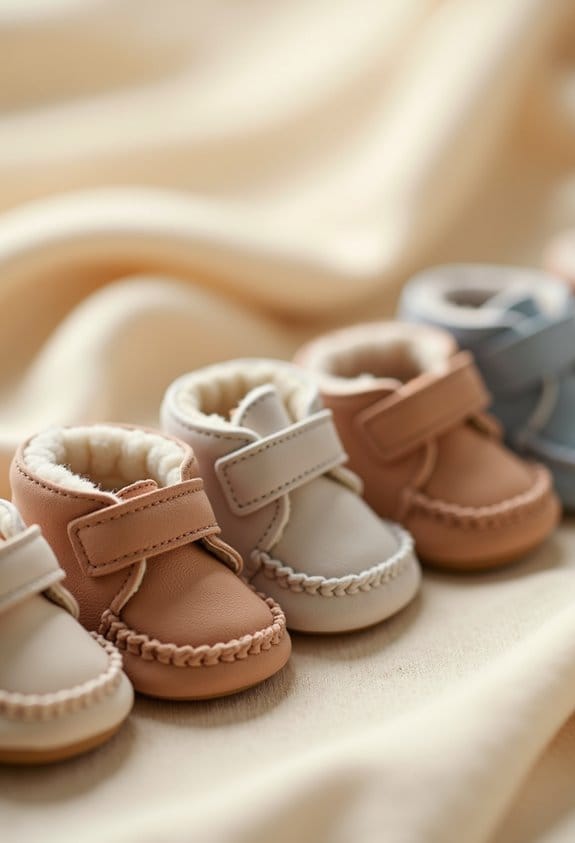
Because early walkers benefit from freedom of movement, pre-walkers like grip socks or barefoot time are best at first. This approach supports your precious nugget’s natural movement and foot development, letting their feet strengthen without restriction. Shifting to supportive footwear should come once they walk confidently for about 6 to 8 weeks. At this stage, shoes need to offer proper foot support with a flexible sole and a secure fit. Lightweight shoes are ideal, helping maintain natural foot motion without pressure. Always rely on professional shoe fitting to guarantee children’s feet are comfortably and correctly accommodated. Avoid overly soft pre-walkers, which may lack needed support. This careful shifting helps kids stay steady and comfortable as they grow, fostering healthy foot habits from the very start. Choosing shoes with flexible rubber outsoles can provide enhanced traction and stability crucial for early walkers.
Recommended Products
![LOWA Boots medium Mauria Evo GTX Ws [2024], Anthracite turquoise, 5 Big Kid](https://m.media-amazon.com/images/I/41TuxIv-9gL._SL500_.jpg)
Running shoe category: trail

Classic laces
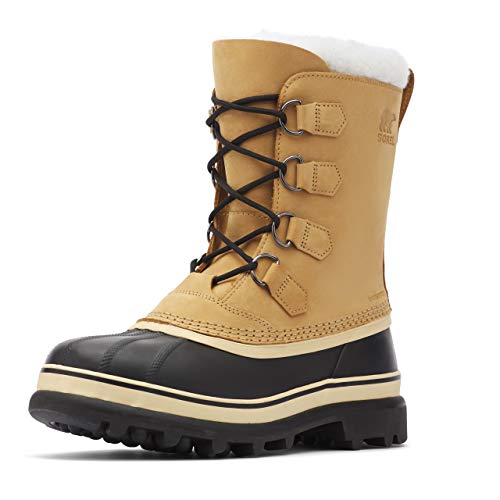
Men's Leather Waterproof Boots: These leather winter boots for men are perfect for working in wet conditions or walking dogs in the rain; these men's Caribou boots are waterproof
Monitoring Growth and Adjusting Shoe Fit
Monitoring your precious nugget’s foot growth and shoe fit is key to healthy walking development. Children’s feet grow fast, so monitoring growth regularly helps keep the shoe fit proper and comfortable. Typically, check every 6-8 weeks because toddlers often size up about two sizes annually until age four. Press the front of the shoe—if you feel your child’s toes, it’s time to size up. Seasonal sock thickness also matters; bulkier socks in winter require slightly more room. Regular visits to qualified shoe fitters guarantee shoes match the natural foot shape without pressure, supporting developmental stability and healthy foot development. Proper fit prevents discomfort and promotes strong walking skills. Being attentive to these details gives you confidence your little one is happy and supported every step. Choosing shoes with a flexible sole is crucial as it supports natural foot movement and development.
Recommended Products


Frequently Asked Questions
Does a Baby Walking Early Mean Anything?
Early walkers exhibit unique walking patterns and achieve mobility skills sooner, but observational differences between early and late walkers do not indicate significant health implications or altered developmental milestones, alleviating parental concerns about motor skills and foot development.
How Quickly Do Toddlers Change Shoe Size?
Toddler shoe growth can be rapid, often requiring shoe fitting every 6-8 weeks to support foot development stages. Signs of tightness prompt measuring baby feet, seasonal shoe changes, and choosing toddler footwear with flexibility, considering walking surface impact.
Can Shoes Affect a Baby’s Walking Development?
Yes, shoes impact walking development through shoe support affecting walking stability, balance development, and posture improvement. Proper cushioning, toe alignment, and sensory feedback promote foot growth and mobility range, while inadequate footwear can limit activity level and hinder natural progression.
How Long Should a Baby Be Walking Before Getting Shoes?
A baby should walk independently for 6-8 weeks, achieving walking stability and developmental milestones, before using proper footwear. Barefoot benefits and walking surfaces enhance foot health. Shoe fit and materials guarantee early independence without compromising first steps.


