As an Amazon Associate, we earn from qualifying purchases. Some links on this site are affiliate links at no extra cost to you. Our recommendations are based on thorough research and editorial judgment.


Indoor vs. Outdoor Walking Shoes: Do You Need Both?

Indoor and outdoor walking shoes serve different purposes for your precious nugget. Indoor shoes have soft, non-marking soles and breathable fabric, perfect for smooth floors and gentle support. Outdoor shoes are tougher, with durable materials, deeper treads, and water resistance to handle rough terrain safely. Proper fit matters too, preventing blisters or slips. Using both helps protect little feet in varied environments. To understand when to choose each type and care for them, keep exploring the options available.
Key Takeaways
- Indoor walking shoes have soft, non-marking soles designed for smooth floors, while outdoor shoes feature durable, water-resistant materials for rough terrain.
- Proper footwear choice enhances safety; indoor shoes wear out quickly outdoors, and outdoor shoes may be uncomfortable indoors.
- Indoor shoes prioritize breathability and lightweight cushioning, whereas outdoor shoes provide stronger support, traction, and impact absorption.
- Wearing both ensures optimal comfort, protection, and shoe longevity by matching shoes to specific walking environments.
- Regular inspection and maintenance of shoes extend their lifespan and maintain safety for both indoor and outdoor use.
Differences Between Indoor and Outdoor Walking Shoes

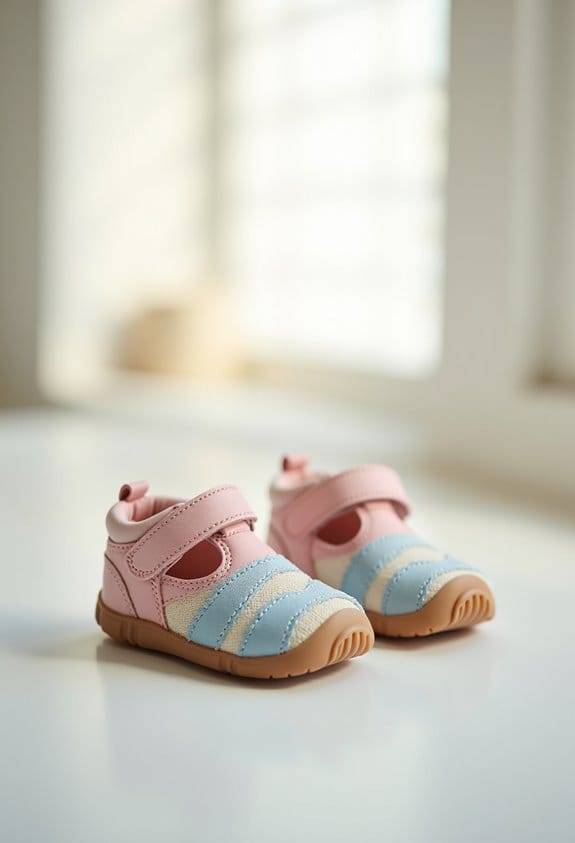
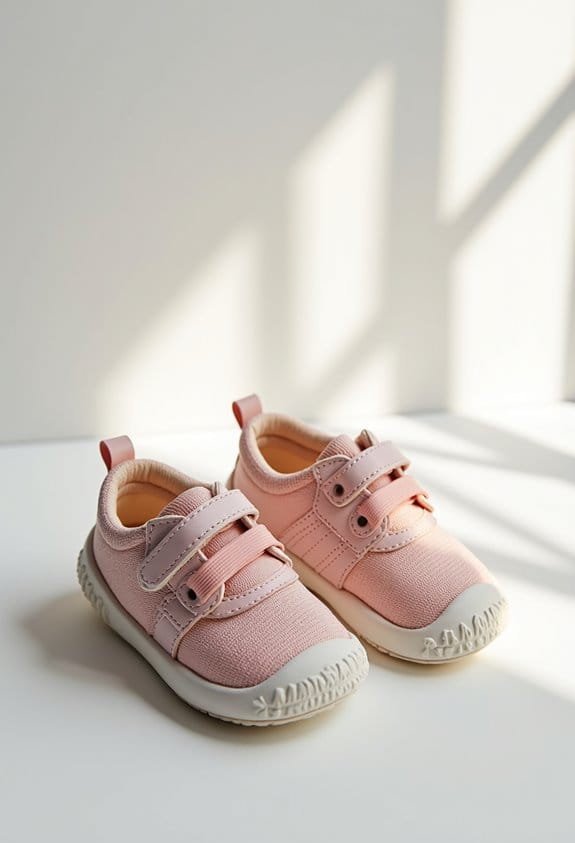
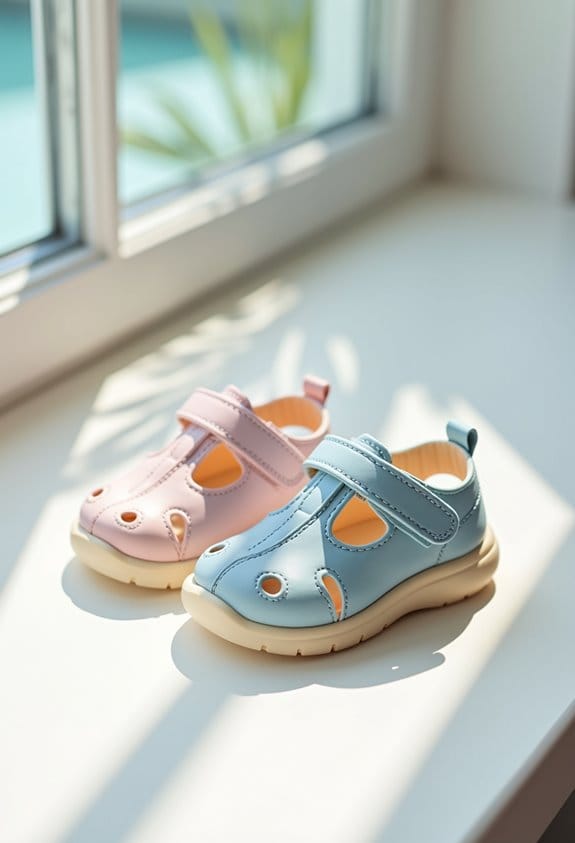
While both indoor and outdoor walking shoes support your precious nugget’s steps, they are built quite differently. The difference between indoor and outdoor shoes mainly lies in materials and soles. Indoor walking shoes often have soft, non-marking rubber soles that protect smooth floors and provide a lightweight, flexible fit. They prioritize comfort with breathable fabrics and cozy linings, perfect for gyms or home use. Outdoor shoes, on the other hand, feature tougher, water-resistant materials and durable soles with deeper treads for better grip on rough and uneven surfaces. These shoes add padding and support to help your little one handle the impact of outdoor adventures. Choosing proper footwear means considering where your precious nugget will be walking to keep their steps safe and comfortable. It’s also important to look for shoes with non-slip rubber soles and adjustable closures to ensure safety and a secure fit across different settings.
Recommended Products

WATERPROOF: KEEN.DRY waterproof, breathable membrane to keep your kids’ feet dry and comfortable while jumping in puddles and walking in mud

Split-suede leather upper

First steps shoes with anti-slip sole, SMO brace-like ankle support, and built-in arch support
Importance of Proper Fit for Walking Shoes
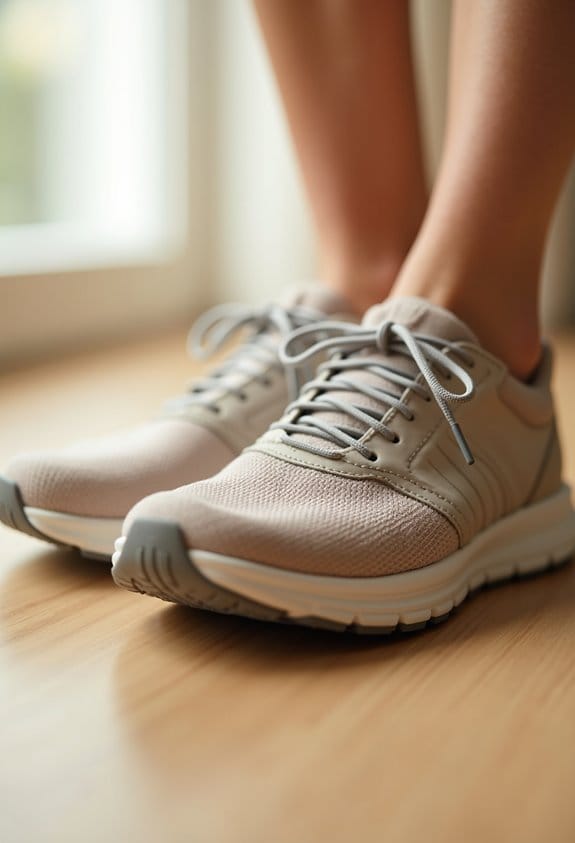
Choosing the right walking shoes goes beyond picking indoor or outdoor styles; fit plays a big role in your precious nugget’s comfort and safety. A proper fit in walking shoes means leaving about a thumb’s width of space between your child’s longest toe and the shoe’s end. This space helps accommodate swelling during activity, preventing pain and discomfort. Shoes that are too tight can cause blisters, black toenails, and calluses, while loose shoes create instability and raise injury risk. The heel and midfoot should feel snug, with enough room in the toe box for wiggling. Trying shoes on later in the day is best since feet tend to swell. Always have your little one stand and walk around in new shoes before buying to guarantee a safe, comfy fit. Remember to prioritize wide toe boxes to promote healthy foot development and natural toe movement.
Material and Construction Considerations

The materials and construction of walking shoes play a big role in how well they protect and support your precious nugget’s feet. When thinking about material and construction considerations, indoor walking shoes usually have a soft sole made from breathable mesh or lightweight synthetics. This helps keep tiny feet comfy on smooth, indoor floors. Outdoor walking shoes, on the other hand, use tougher materials like durable rubber and waterproof fabrics. They are built to handle rough terrain and changing weather. Outdoor shoes often have reinforced soles with deeper treads to provide better grip and durability. Choosing shoes with the right materials and construction means your child’s feet get the right balance of comfort and protection, depending on where they walk. It is also important to consider non-slip soles for safety when selecting walking shoes for babies.
Support and Cushioning Features

Support and cushioning features play a key role in keeping your precious nugget comfortable during every step. Indoor walking shoes usually have lightweight cushioning designed for smooth floors, offering soft support that helps little feet stay comfy without extra bulk. Outdoor ones provide stronger cushioning to absorb impacts from hard, uneven surfaces. They often include firmer midsoles and specialized arch support to keep your child stable on rough terrain. Heel-to-toe drops can also vary, with outdoor shoes typically having a higher drop to protect joints during longer walks. Meanwhile, cushioning materials in outdoor ones are sturdier to resist wear from the elements. Choosing the right support and cushioning guarantees your precious nugget’s feet feel great whether exploring the playground or walking indoors. Additionally, cushioned memory foam footbeds offer excellent cushioning that enhances comfort for each step your toddler takes.
Recommended Products
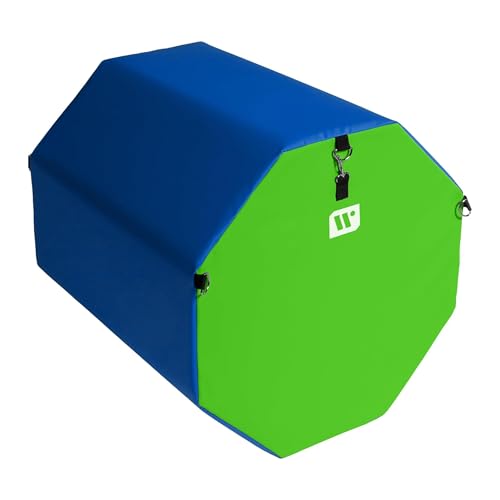
Cushioned Supportive Surface – We Sell Mats octagon skill shape mat provides a cushioned and supportive surface for young gymnasts, cheerleaders, and fitness enthusiasts to practice and perfect their skills. Available in small (20” tall X 24” wide), medium (24” X 26”), large (30” X 32”) and XL (36”x36”) sizes to fit different training needs.


Ice skates for women with light support level for those in advanced ice skating and figure skating lessons. Supportive design and secure fit helps skaters feel confident on the ice.
Traction and Sole Design

When it comes to traction and sole design, making sure your precious nugget’s shoes match their walking environment is key. Indoor walking shoes usually have a flat, non-slip sole made of soft rubber to keep floors safe and provide grip on smooth surfaces. These soles focus on stability and comfort for polished indoor floors. Outdoor shoes typically feature a textured outdoor sole with deeper grooves and a more aggressive tread pattern. This design offers strong traction on rough or uneven surfaces like gravel and pavement, helping prevent slips in wet or unpredictable conditions. Using the right traction and sole design means better safety and shoe longevity. Wearing outdoor shoes inside can cause scuffing, while indoor shoes may wear out fast if used outdoors, so choosing wisely protects both your precious nugget and their shoes. Selecting shoes with non-slip rubberized outsoles ensures traction and stability on various surfaces.
Recommended Products

Natural Appearance Artificial Turf: Premium fake turf come with 1.38 inch 4-tone grass blades, providing a more natural looking and realistic grass feel. Adopting straight polyethylene and curled polypropylene yarns, soft to touch whilst maintaining resilience.

【Forgiving】Premium EVA foam gym mats for home gym, offering a forgiving surface ideal for play or intense workouts. Our 5/8" thick foam floor tiles combine firmness with comfort.

Indoor outdoor long lasting carpet runner will protect floors from heavy traffic and keep mud and snow off your floors.
When to Use Indoor Walking Shoes
Where should indoor walking shoes be worn to keep your precious nugget safe and comfortable? Indoor walking shoes are perfect for smooth surfaces like gym floors, indoor tracks, or play areas. These shoes offer just the right grip without marking floors, which protects your home or facility. Their lightweight design gives your kiddo the agility they need for quick moves during indoor play or exercise. Flexibility in the sole is key, letting little feet move naturally in different directions — vital when space is limited. A proper fit guarantees the shoe hugs the foot snugly, helping avoid slips and discomfort through longer indoor activities. Choosing the right indoor walking shoes helps protect your child’s feet, support their movement, and keep your floors clean and scratch-free. Additionally, features such as non-slip soles are essential to ensure safety on indoor surfaces.
Recommended Products

【Upgraded Dual-Layer Design.】A high-density EVA foam base combined with a sturdy EPDM rubber top. This construction can bear heavy exercise equipment, ensuring it won’t tear easily due to weight or vigorous movements, guaranteeing long-lasting resistance to wear and tear.

Plush, solution-dyed nylon carpet for better absorption and colorfastness
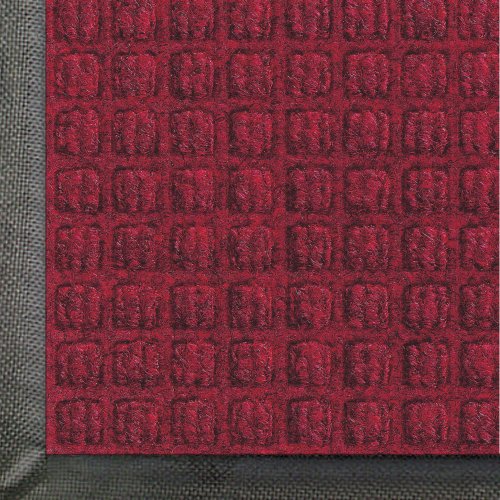
STOPS DIRT AT THE DOOR | Bi-level surface effectively scrapes dirt and moisture from shoes, trapping it beneath shoe level to prevent tracking
When to Choose Outdoor Walking Shoes
Outdoor walking shoes are designed to handle rougher paths and changing weather, making them ideal for your precious nugget’s adventures outside. Choose outdoor walking shoes when your child walks on gravel, dirt trails, or uneven sidewalks. These shoes have sturdy soles and special tread patterns to reduce the risk of slipping or twisting an ankle on rough ground. They also often come with water-resistant materials to keep little feet dry during damp weather. Reinforced toes protect your child’s feet from rocks or sticks they might kick up. Plus, the cushioned midsoles absorb impact, helping to reduce foot fatigue on hard surfaces. If your kiddo spends a lot of time outside exploring, outdoor walking shoes provide the support and safety needed to keep their tiny steps secure. Additionally, shoes with flexible soles allow natural foot movement, enhancing comfort and balance during outdoor play.
Recommended Products
Natural Appearance Artificial Turf: Premium fake turf come with 1.38 inch 4-tone grass blades, providing a more natural looking and realistic grass feel. Adopting straight polyethylene and curled polypropylene yarns, soft to touch whilst maintaining resilience.

GORE-TEX Extended Comfort - Offers enduring waterproof protection and optimised climate comfort.

Environment Friendly: High-density grass height about 1.38inch in length, looks and feels like realistic grass; Our artificial grass is non-toxic and lead free, making it an excellent surface for pets and kids to play on. 4 tone patterns are soft, lush and looks just like natural grass, providing you with year-round green and turf enjoyment.
Tips for Maintaining Walking Shoes
Regularly caring for your child’s walking shoes helps keep those tiny feet comfortable and supported. Start by wiping shoes with a damp cloth and mild soap to remove dirt that can wear down materials. Store shoes in a cool, dry place away from sunlight to keep them strong longer. It’s wise to rotate between pairs, giving each time to air out and recover. Don’t forget to replace insoles when they start to feel flat or worn, because fresh insoles maintain cushioning and shoes that support growing feet. Also, routinely inspect shoe treads for wear. When treads look smooth or uneven, it’s time for new shoes. This simple routine helps protect your precious nugget’s steps and keeps their shoes working well, whether indoors or outdoors. Proper washing instructions for cotton walking shoes include hand washing in cool water with mild soap and air drying naturally, which helps maintain their shape and safety.
Frequently Asked Questions
Should I Have Two Pairs of Walking Shoes?
Like a knight equips armor for different battles, one benefits from two pairs of walking shoes—each ensuring ideal comfort levels, addressing durability factors, and adapting to activity variations—thus protecting feet through every terrain challenge.
Can Outdoor Shoes Be Used Indoor?
Outdoor shoes can be used indoors, but their shoe material differences and aggressive treads compromise indoor surface traction, causing wear. Outdoor shoe durability suits rough terrain, not smooth floors, leading to potential damage and reduced traction indoors.
What Is the Old Wives Tale About Shoes?
Like knights protecting their castles, the old wives’ tale warns that wearing outdoor shoes indoors brings bad luck by tracking dirt and negative energy. It neglects shoe durability, sole tread, and moisture control essential for hygiene and comfort.
Should You Have Indoor and Outdoor Running Shoes?
Yes, having indoor and outdoor running shoes is advisable, as shoe durability factors and traction importance vary substantially due to surface differences. Indoor shoes optimize smooth floors, while outdoor shoes withstand rough terrain, ensuring performance and injury prevention.