As an Amazon Associate, we earn from qualifying purchases. Some links on this site are affiliate links at no extra cost to you. Our recommendations are based on thorough research and editorial judgment.


Rain Boots for New Walkers: When Are They Appropriate?

Rain boots become suitable for new walkers, typically between 12 to 18 months, when your precious nugget starts taking steady steps outdoors. Look for lightweight, flexible soles that support natural foot movement and stability. Boots should fit snugly with enough room for toe spread and have grippy soles to prevent slips on wet ground. Waterproof material keeps little feet dry during play. Choosing boots thoughtfully helps build confidence and safety as your toddler explores. Learn how design and fit matter most.
Key Takeaways
- Rain boots are appropriate once toddlers start walking steadily and need waterproof protection for outdoor play in wet conditions.
- Choose rain boots with flexible soles to support natural heel-to-toe foot movement essential for new walkers.
- Ensure a proper fit with firm heel cups and a wide toe box to promote stability and prevent tripping.
- Lightweight rain boots are best to allow free movement and build walking confidence in new walkers.
- Use rain boots with good grip and secure fit to reduce slip risks on wet or slippery surfaces.
Understanding the Needs of New Walkers

How can you best support your precious nugget as they take those first wobbly steps? New walkers need shoes that encourage natural foot movement and stability. Choosing rain boots with a flexible sole helps toddler feet move heel to toe, supporting proper walking patterns. These boots also promote heel strike and dorsiflexion strength, aiding your child in developing a normal gait. It’s essential the boots fit well—not too big—to prevent tripping and build confidence. Lightweight rain boots allow your little one to move freely without added weight, which helps endurance when exploring. Plus, waterproof material lets toddlers enjoy outdoor play, like puddle jumping, while staying dry. Selecting boots with anti-slip soles can further enhance stability and safety on wet surfaces. Understanding these needs helps guide your choice, ensuring your child’s first steps are safe, comfortable, and joyful.
Key Benefits of Wearing Rain Boots for Toddlers

Supporting your precious nugget’s early steps means choosing footwear that helps them build strength and balance. Rain boots offer several key benefits for toddlers learning to walk. Their flexible soles allow natural bending, encouraging a proper heel-to-toe movement essential for early walkers. Lightweight rain boots avoid weighing little feet down, promoting easier, more confident steps. A firm heel cup keeps the foot in place, helping stability and preventing slips inside the boot. Plus, rain boots provide grips on wet surfaces, reducing the risk of falls when toddlers explore puddles or damp playgrounds. Together, these features support healthy foot development and safer adventures outside. For parents, rain boots can be a practical, supportive choice during those first walking months, especially in rainy or slippery conditions. Additionally, a wide toe box in rain boots promotes natural toe splay and helps toddlers maintain balance as they develop.
Essential Features to Look for in Toddler Rain Boots

When choosing rain boots for your toddler, certain features help keep those little feet safe and comfortable. Look for boots made with waterproof materials to keep your precious nugget’s feet dry during rainy playtimes. A secure fit is key, so opt for boots with a firm heel cup to prevent sliding and guarantee stability. Flexible soles matter, too—they allow natural foot bending and support proper walking motion. Boots with good grip on the sole help prevent slips on wet pavement. Also consider boots with an easy pull loop to encourage your toddler’s independence when putting on shoes. These thoughtful features combine to make rainy days fun and safe for your new walker without compromising comfort or foot health. Additionally, choosing boots with slip-resistant soles enhances safety on slippery surfaces.
Recommended Products

Waterproof Protection: Features a SympaTex membrane to shield children's feet from rain and snow.

Flexy system tread
Flexy system tread
Impact of Rain Boot Design on Early Walking Development

Because early walking skills are still developing, the design of rain boots can strongly affect your toddler’s progress. A flexible sole in rain boots helps your precious nugget move their feet naturally, encouraging a steady heel-to-toe walking pattern. Boots with a wide toe box let little toes spread out comfortably, which supports balance on slippery, wet surfaces. Proper ankle movement is also key; rain boots should provide support without being too tall or stiff. Boots that restrict ankle flexibility might slow your child’s ability to walk smoothly. Choosing rain boots that combine these features gives your toddler better stability and helps them build confidence during those early, wobbly steps in rainy weather, making each step safer and more comfortable. Look for rain boots made from breathable materials to ensure your toddler’s feet stay dry and comfortable even during extended wear.
How Proper Fit Influences Safety and Comfort

After considering how design influences your toddler’s early walking skills, it’s just as important to focus on how the rain boots fit your precious nugget. Proper fit helps prevent tripping by minimizing extra space around the foot. A firm heel cup keeps their foot secure, which boosts stability and reduces sliding inside the boot. Comfort matters too—a wide toe box allows natural toe splay, supporting balance as your child learns to walk. Accurate sizing is critical because boots that are too tight or loose can cause discomfort and disrupt natural movement. Since toddlers grow quickly, checking the fit regularly guarantees ongoing comfort and safety. Overall, a well-fitting rain boot builds confidence by offering the right mix of fit, comfort, and stability your new walker needs to explore safely. Additionally, choosing footwear made from breathable leather can help keep little feet drier and more comfortable during wet weather.
Choosing the Right Materials for Flexibility and Warmth
Selecting the right materials for your precious nugget’s rain boots plays a key role in both comfort and function. Flexible rubber is crucial because it lets little feet bend and move naturally, supporting the heel-to-toe motion essential for new walkers. Lightweight materials should be chosen to avoid slowing down your child’s steps. Insulation materials like neoprene or microfleece keep feet warm on chilly, wet days without adding extra weight or bulk. Waterproof features are a must, so your child can splash in puddles and play outside without wet socks or cold discomfort. Together, these materials guarantee the boots protect and support your precious nugget’s growing feet during early walks in rainy weather. Considering non-slip soles ensures safety and stability, preventing slips as your child explores wet surfaces.
Recommended Products
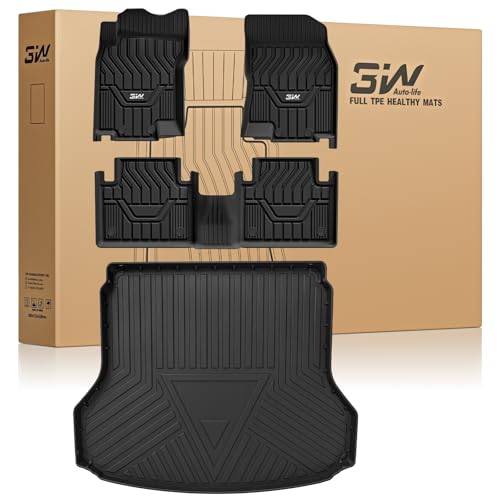
PERFECT FIT FOR NISSAN ROGUE 2014-2020: Custom fit design edge to edge for maximum coverage and protection with TPE (thermoplastic elastomer) material which ensures your more strength, resilience, durability and elasticity, this cargo liner is matchable with nissan rogue.
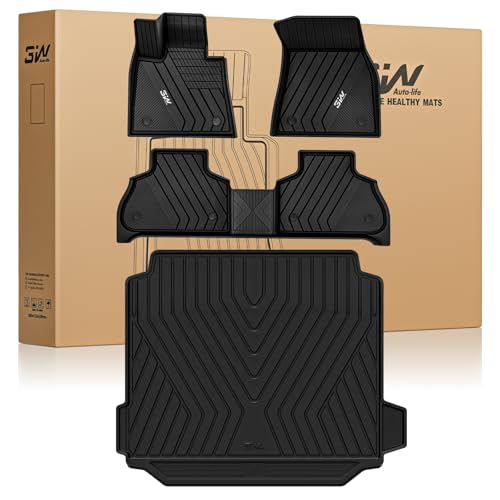
PERFECT FIT BMW X5 FLOOR MATS & CARGO LINER 2019-2025 2026: Custom fit design edge to edge for maximum coverage and protection with TPE (thermoplastic elastomer) material which ensures your BMW X5 2019-2025 more strength, resilience, durability and elasticity.

As your kids develop advanced puddle-jumping techniques, they should have state-of-the-art equipment. The technical term is Rain Boot.
The Importance of a Wide Toe Box in Rain Boots
Along with flexible and warm materials, the shape of your precious nugget’s rain boots matters a lot. A wide toe box is essential for new walkers because it allows their toes to spread naturally. This natural toe splay helps improve balance and stability as they learn to walk. A roomy toe box prevents pinching and discomfort, reducing the chance of blisters during playtime. Giving toddlers enough space in the toe area supports healthy foot development by allowing muscles to grow and work properly. It also helps avoid tripping, since little feet can move more freely without tight, restrictive boots. Choosing rain boots with a wide toe box encourages your child’s confidence and comfort outdoors, supporting safe, independent movement as they explore. Additionally, boots with non-slip soles ensure better traction and safety on wet surfaces, which is crucial during rainy weather.
Why Lightweight Construction Matters for Toddlers
Lightweight rain boots play a key role in helping toddlers, especially those between 12 and 24 months, develop strong and healthy walking habits. The lightweight construction allows your precious nugget to move naturally, supporting healthy walking development without the burden of heavy shoes. When boots are light, toddlers build strength and confidence with each step, improving their balance and stamina. Heavy boots often slow them down and increase tripping risks, but lighter boots make walking easier and safer. Plus, lightweight rain boots often come with helpful features like pull loops, encouraging independent shoe put-on. This independence fosters both motor skills and pride in little walkers. Choosing lightweight rain boots lets you support your toddler’s growth while keeping their steps joyful and steady. Additionally, selecting boots with breathable materials helps keep little feet cool and comfortable during play.
Recommended Products

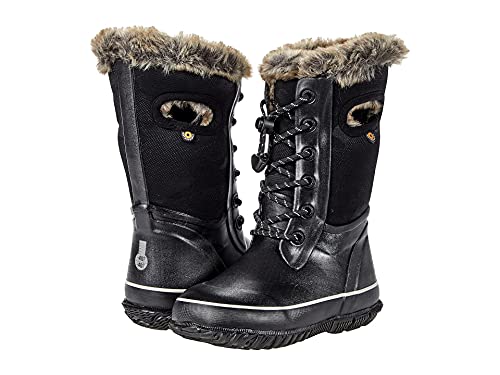

WATERPROOF: Experience unbeatable protection with our waterproof construction, our technology ensures your feet stay dry and comfortable, no matter the weather
Common Mistakes When Selecting Rain Boots for New Walkers
Choosing rain boots for your precious nugget isn’t just about looks or size. Many parents pick boots that are too large, which can cause your first walker to trip and fall. Shoes with a rigid sole are another common mistake, as they block natural foot movements essential for learning to walk. A flexible sole is key to encourage proper heel-to-toe motion, helping build walking skills. It’s also important to avoid boots with a narrow toe box, because toes need room to spread for balance. Finally, boots that go beyond mid-calf can restrict ankle movement, making walking harder and less natural. When selecting rain boots, focus on fit, a flexible sole, and plenty of toe space to support your child’s developing feet. Additionally, choosing boots made from non-toxic materials ensures the safety and comfort of your baby’s sensitive skin.
Recommended Products


Unisex Kids Crocs Winter Puff

Ankle-high boot in water-resistant leather featuring faux shearling lining, oversized hook-and-loop strap, and rubber toe guard
Comparing Traditional Gumboots With Modern Toddler Rain Boots
Though traditional gumboots have been a common choice for rainy days, they may not be the best option for your precious nugget who is just learning to walk. Traditional gumboots are often heavy and stiff, which can limit natural movement and hinder ankle flexibility. In contrast, modern toddler rain boots are made with lightweight, flexible materials that allow your little one’s feet to bend and move naturally. These boots feature a wide toe box, promoting proper toe splay for better balance. Plus, modern toddler rain boots include firm heel cups and grippy soles to keep your child safe on slippery surfaces. They also offer waterproof protection with breathable linings, combining comfort with practicality. Choosing proper footwear like modern rain boots supports your toddler’s early steps more effectively than traditional gumboots. Additionally, many toddler rain boots are designed with zero drop soles to encourage natural foot development and proper posture during walking.
Recommended Products
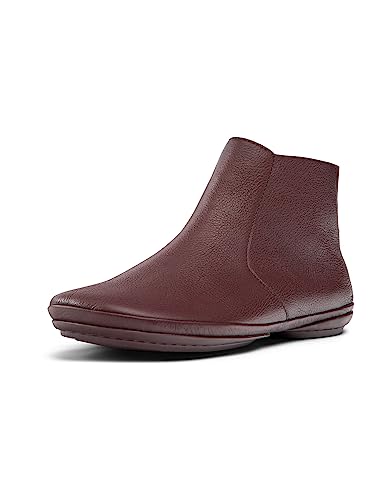
PREMIUM LEATHER booties for women with just the right amount of suppleness and support

He's sure to get through the rainy afternoon in the classic Bogs Kids Rain Boots Solid. Pull-on waterproof boots designed in a rubber upper with a color blocked trim.

Waterproof leather upper
Caring for and Maintaining Toddler Rain Boots
Once you’ve picked out the perfect toddler rain boots, keeping them in good shape helps protect your precious nugget’s little feet. Caring for toddler rain boots involves wiping them clean with a damp cloth and mild soap to remove dirt and mud. Always dry them thoroughly to prevent mildew. Regular maintenance means checking seams and rubber for wear or damage, which could reduce waterproofing. Store the boots in a cool, dry place away from sunlight to avoid cracking or fading. When not in use, keep them upside down to allow air inside and maintain their shape. Avoid exposing them to extreme heat or cold, and use boots only in wet conditions to extend their life and keep them functioning well for your little one’s adventures.
Integrating Rain Boots Into Your Child’s Outdoor Play Routine
When introducing rain boots to a young child’s outdoor play routine, it’s important to focus on both fun and function. Rain boots help support early walking by encouraging heel strike and strengthening foot muscles. They make splashing in puddles exciting, keeping your precious nugget happy in wet weather. Choose boots with flexible soles to promote natural movement from heel to toe. The pull loop on many rain boots helps your child learn to dress independently, which builds confidence. Look for firm heel cups and good sole grip to prevent slips during adventures. Integrating rain boots into daily play not only keeps little feet dry but also encourages independence and safe exploration on soggy days, perfect for your toddler’s developing skills and curiosity.
Frequently Asked Questions
When Should Kids Wear Rain Boots?
Children should wear rain boots made of appropriate materials on wet or muddy walking surfaces. Proper fitting guidelines include flexible soles, a firm heel cup, and a wide toe box to support natural foot movement and safety.
When to Get First Walker Shoes?
Oblivious to the chaos of sticky floors, new walkers need their first shoe materials to be flexible and lightweight. Proper shoe fit is essential during foot development stages to prevent turning early strides into awkward tumble routines.
What Season Are Rain Boots For?
Rain boots are ideal for spring and fall due to wet weather conditions. Their waterproof boot materials protect feet, while accommodating children’s preferences for comfort and play. In some regions, they suit winter with slushy conditions.
Are Rain Boots Good for Walking?
Gliding through puddled pathways, rain boots offer adequate support for early steps. Comfort factors like flexible soles, traction considerations through firm heels, and waterproof material choices combine to foster confident, steady walking in varied, damp environments.