As an Amazon Associate, we earn from qualifying purchases. Some links on this site are affiliate links at no extra cost to you. Our recommendations are based on thorough research and editorial judgment.


Repairing vs. Replacing: When Baby Shoes Are Worth Fixing

Repairing baby shoes is often worth it when damage is minor, like worn soles or loose straps, especially for early walkers under two. Repairs cost less than new pairs and honor the sentimental value of these precious nuggets. Fixing shoes also supports sustainability and local cobblers. However, rapid growth means repairs may only extend use briefly. Choosing repair keeps memories and savings intact while being kind to the environment. More insights reveal when and how to choose the best option.
Key Takeaways
- Repair baby shoes when damage is limited to worn soles, scuffed uppers, or loose straps to extend use and preserve sentimental value.
- Choose repair if costs range between $20-$50, which is more economical than buying new shoes often priced over $100.
- Repairing supports sustainability by reducing landfill waste and lowering carbon emissions compared to frequently replacing shoes.
- Prioritize repairs for quality shoes or those with family significance to maintain keepsakes and enable safe, continued use.
- Replace shoes if damage affects structural integrity, occurs on delicate materials beyond repair, or if rapid growth makes repair impractical.
Understanding the Value of Baby Shoes

The sentimental value of baby shoes often goes beyond their practical use. These tiny treasures hold memories of first steps and milestones, making them precious nuggets for families. Choosing to repair rather than replace baby shoes can honor these memories while supporting sustainable practices. Repair costs, usually between $20 and $50, often come well below buying new ones, which frequently exceed $100. Repairing helps extend the lifespan of durable pairs, letting siblings enjoy them or preserving them as keepsakes. This approach reduces waste, which benefits the environment and embraces mindful consumption. When you consider the emotional and financial benefits, repairing baby shoes becomes a thoughtful way to cherish your child’s early years and support sustainability in a meaningful, parent-friendly way. Additionally, understanding the importance of proper foot support in baby shoes encourages parents to maintain the structural integrity of well-designed shoes through timely repairs rather than replacement.
Common Types of Baby Shoe Damage
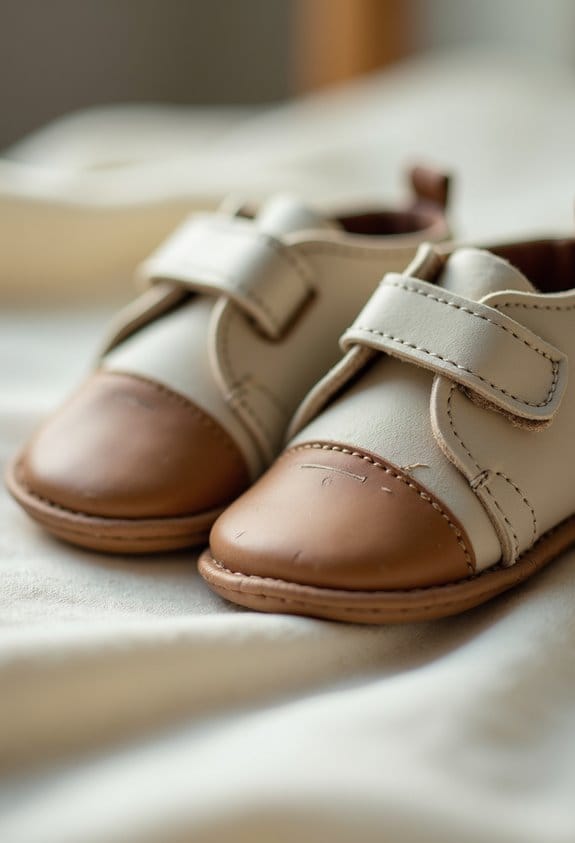
Baby shoes face several common types of damage as your little one grows and explores. Worn-out soles are frequent, especially with early walkers enthusiastic to take their first steps. Repairing shoes with scuffed uppers or loose straps can often restore comfort and usability. Damage to the lining, like tearing or fraying, may cause irritation, making timely repairs important for your precious nugget’s comfort. Cracking or tearing materials, particularly in lower-quality fabrics or leather, are also typical issues. Reinforced toes designed for crawling can wear down but usually allow for simple, cost-effective repairs. By regularly checking for these common types of damage, you can catch problems early. This keeps your child’s shoes comfy and safe, while extending their life through smart, practical repairs. Ensuring your toddler shoes have proper arch support is essential for preventing discomfort and encouraging healthy foot development during repairs or replacements.
Financial Advantages of Repairing Baby Shoes

Repairs on little shoes often cost between $20 and $50, which is much less than buying new ones. When you choose repairing over replacement, you tap into real financial advantages. Baby shoes can wear out quickly, but well-fixed pairs last longer, meaning fewer trips to the store. This way, you save money while your precious nugget outgrows their shoes at a lively pace. Using shoe repair services not only extends the life of those small shoes but also supports local cobblers and small businesses. Over time, repairing can add up to significant savings by reducing the need to buy multiple new pairs. So, by repairing baby shoes, you can both save money and enjoy quality footwear that holds up through your child’s many adventures. Considering shoes with durable materials like PU leather walking sneakers can make repairs even more worthwhile.
Environmental Impact of Repairing Versus Replacing

Although it might seem easier to buy new shoes, choosing to repair your child’s worn-out shoes has important benefits for the environment. Repairing your shoes helps extend the life of those precious nuggets, cutting down on the millions of pairs tossed annually. When you decide a pair is worth repairing, you reduce landfill waste and lower carbon emissions linked to new shoe production. The shoe repair industry plays a key role in environmental sustainability by conserving resources and keeping craftsmanship alive. Each repair reflects a choice to support a greener, less wasteful future. By fixing instead of replacing, parents help reduce their family’s carbon footprint while teaching kids valuable lessons about care and conservation, making your child’s shoes more than just footwear—they become part of a sustainable story. Additionally, selecting shoes made from hypoallergenic, breathable materials can prolong shoe longevity by preventing faster wear and tear caused by skin irritation and moisture.
Sentimental Reasons to Repair Baby Shoes

Beyond the environmental benefits, there is a deeply personal side to fixing those tiny shoes. Baby shoes often hold great sentimental value, marking milestones like first steps or special moments. Choosing to repair them helps preserve these precious memories as tangible keepsakes. It lets families hold onto a physical piece of their child’s early years. For many, it’s also about honoring family traditions—passing down a beloved item from one generation to the next. Repairing baby shoes typically costs between $20 and $50, a small price to keep this precious nugget of history. Plus, repair supports sustainability by reducing waste. When you repair these shoes, you protect both the memories and the planet, creating a meaningful blend of love and care in each step. It’s also important to consider the fit and comfort of repaired shoes to ensure they continue to support healthy foot development.
Signs Your Baby Shoes Need Replacement
Several clear signs can tell you when baby shoes have outgrown their usefulness and need replacing. If your little one’s shoes show significant wear, like cracked soles or worn-out sides, it’s time for new shoes. Shoes that lose their shape or support can cause instability, making replacements a safer choice. Always check for a proper fit—your precious nugget’s feet grow fast, and shoes that feel tight or loose can lead to discomfort or foot problems. Persistent odor or mildew also signals that shoes can’t be cleaned well anymore and should be replaced. Paying attention to these signs helps keep your baby’s tiny feet comfortable and secure. When in doubt, choosing new shoes is kinder than risking harm with old ones. Additionally, shoes lacking non-slip soles can compromise stability and should be replaced promptly to ensure safe walking.
Cost Comparison: Repairing Versus Buying New
When deciding whether to repair or replace your baby’s shoes, cost often plays a big role. Repairing usually costs between $20 and $50, which is lower than buying new shoes that can run from $50 to over $150. For quality shoes made of durable materials, repairing worn soles or fixing stitching can extend their life, offering better comfort and support to your precious nugget. By repairing, you may save money in the long run and get more use from those well-made shoes. Replacing can be necessary if damage is too severe, but when shoes hold special memories, investing in repairs makes sense. Overall, repairing is a sensible choice for saving money while keeping your baby’s feet happy and protected. Choosing shoes like the JOSMO Baby Unisex Lightweight Non-Slip First Step Shoes can make repair efforts more worthwhile due to their durable construction and ankle support.
Recommended Products

🛠️ Fix Your Favorite Shoes, Don’t Replace Them - Why toss your beloved sneakers, boots, or leather shoes just because of a worn sole or a little tear? With INSOIA shoe glue, you can breathe new life into your shoes using a super strong adhesive that’s tough on damage and gentle on materials. Whether it's a rubber sole coming off, a heel coming loose, or a leather upper separating, this clear, long-lasting glue gets the job done.
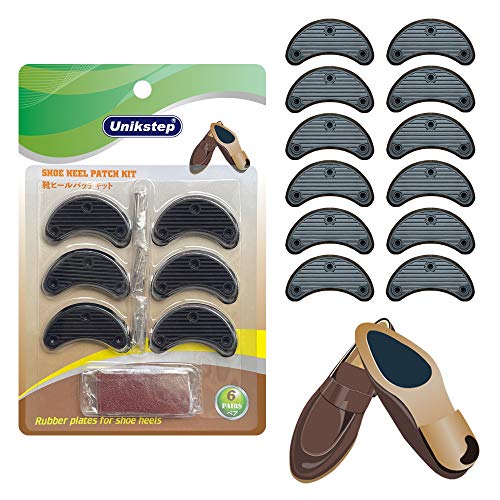
Repair of single sided worn shoe heels

The material is made of high-quality microfiber , which is non-slip, wear-resistant, waterproof and breathable. Soft and non-abrasive, repairs shoe holes and protects the skin. Reduce the friction between the heel and the foot, your heel will not feel uncomfortable. Thus protecting you from blisters and pain. They repair worn holes on the inside and sides of running shoes quickly and efficiently. . The sides of the repair material will not curl and roll up.
How to Find Trustworthy Shoe Repair Services
Finding a trustworthy shoe repair service can make all the difference in keeping your baby’s shoes comfortable and durable. Start by seeking a good shoe repair shop with a long-standing presence, often family-owned, as they tend to offer reliable care. Online reviews and recommendations can help you find reputable shoe repair shops nearby. Look for services like resoling, heel block replacement, and leather reconditioning, which show expertise and can handle your little one’s precious nugget footwear. Make certain the cobbler specializes in baby shoes or similar materials to guarantee quality shoe repairs. Choosing to repair supports local businesses and preserves traditional craftsmanship, giving your baby’s shoes a longer, safer life. This careful selection helps you get the best care for tiny feet. Additionally, prioritizing repairs that maintain the shoe’s sole flexibility and grip ensures continued support and safety for your baby’s developing feet.
Recommended Products

Durable-Made of rugged materials to help your shoes stand up to long-term wear and tear so that they don't have to.

PRODUCT LIST: You will receive 24 different shapes of shoe repair patches, four different colors and two shapes of rectangle and circle, this quantity and type can meet your different repair needs

Abundant Amount: You will get 8 Pair shoe hole repair patches, which include 4 pairs large patches and 4 pairs small patches to defend the vulnerable parts of the shoes
Tips for Extending the Life of Baby Shoes
A few simple habits can greatly extend the life of your baby’s precious nugget shoes. Regular cleaning with gentle products designed for baby footwear helps keep dirt and grime at bay. You can also stuff shoes with newspaper or use shoe trees to maintain their shape when not in use. Storing them in a cool, dry spot prevents mold and mildew. Choosing quality durable baby shoes with sturdy materials means they stand up better to daily adventures and are easier to repair. Keep an eye out for minor damages like loose threads or worn soles, and acting quickly can save you from bigger repairs later. Learning to repair your shoes at home for small issues helps you save money and keeps those beloved baby shoes in good shape longer.
Recommended Products

The ORIGINAL Shoe Cleaning System: Pink Miracle Shoe Cleaner has been around since 1985, and the great formula is the number 1 choice for sneakers and shoes. Whether you are a sneaker head collector or simply want to clean your shoes to provide a professional new look.

Elevate your Footwear Care: Introducing the Shoe MGK 4oz. Starter Shoe Cleaning Kit, your essential companion for maintaining pristine footwear. This comprehensive kit includes our renowned Shoe Cleaner and Conditioner alongside a Cleaning Brush, ensuring thorough care from sneakers to dress shoes.

EASY TO USE: Our deep cleaning and conditioning footwear cleaner safely delivers a powerful, yet gentle clean for just about anything. After cleaning, wipe dry with a microfiber towel to avoid oversaturating and for easy clean-up (microfiber towel sold separately)
Overcoming Challenges in Repairing Baby Shoes
Repairing baby shoes comes with unique hurdles that can feel tricky to navigate. One challenge is their rapid growth phase; little feet change fast, so repairs might only last a short time. The delicate materials in baby shoes need specialized care to avoid damage during repair. Finding cobblers who are trained to handle these tiny, intricate shoes isn’t always easy, either. You can maintain shoes better by choosing durable designs that stand up to wear and increase repair chances. Many parents don’t realize repair is an option, so they discard shoes that could be lovingly fixed. Understanding these challenges helps you make smart choices about when to repair your precious nugget’s shoes and when replacing might be the kinder call. Also, choosing shoes with non-slip soles can enhance safety while children are learning to walk, which might influence the decision between repairing and replacing.
Recommended Products
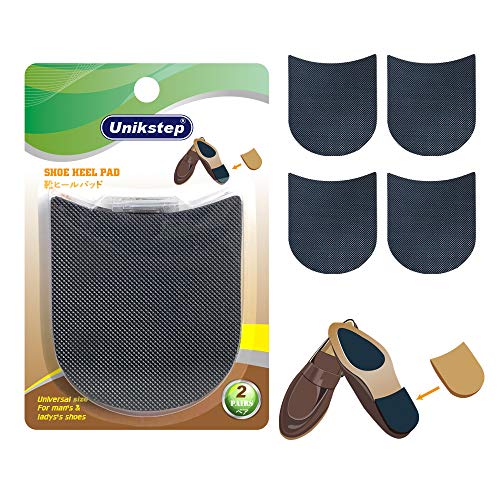
For repair and protection of worn heels. Size is about 3.6”x 3.4”( 9.2x8.7cm) and thickness is about 0.14" (0.35cm).

Yellow Shoe Heel Repair: the thickness of shoe sole repair is 1/25in to 1/4in, length is 3-1/2inch and the widest part is 1 -1/2inch

These are used to repair and prevent damage to some running shoes and sports shoes. They are easy to install and strong. The adhesive of the patch is a kind of hot-melt adhesive developed by us. It needs to be heated before it can work. It can make the patch adhere to the tennis shoes more firmly to deal with the severe pressure and sweat of any sports shoes
Future Trends in Baby Shoe Care and Repair
As parents become more eco-conscious, the way baby shoes are cared for is shifting toward sustainability. Sustainable practices in shoe repair are gaining ground, encouraging you to choose eco-friendly options that extend your little one’s footwear life. Durability is increasingly valued, with innovative materials making repairs tougher and longer-lasting. You might find handy mail-in repair services or local drop-off points that save time and effort. These options help keep those tiny shoes in good shape instead of sending them to landfills. Consumer education plays a big role, helping parents understand the cost savings and environmental benefits of fixing rather than replacing. For your precious nugget, thoughtful shoe care means less waste and gentle steps toward a greener future. Choosing shoes with non-slip soles and breathable materials can also improve longevity and reduce wear during walking adventures.
Frequently Asked Questions
Is It Better to Repair or Replace Shoes?
Repairing shoes is often preferable due to lower repair costs and enhanced shoe longevity. Considering comfort factors and brand comparison, repairing children’s footwear can maintain quality and value, reducing waste while extending usability effectively.
How Often Should I Replace My Baby’s Shoes?
Baby shoes should typically be replaced every 2-4 months, depending on shoe growth rates and footwear material durability. Signs of wear and budget considerations influence timing; selecting reliable baby shoe brands helps balance quality with cost.
What Is the Old Wives Tale About Shoes?
Like a protective charm, the old wives’ tale links baby shoe history to good fortune, intertwining shoe longevity factors and shoe fitting myths. Foot health tips emphasize material differences, though the tale remains a sentimental shoe lore rather than fact.
Is It Worth Repairing Old Shoes?
Repairing old shoes can be worthwhile when sentimental value and baby milestones are significant. A thorough cost analysis alongside shoe repair benefits, including environmental impact, supports sustainable choices, extending footwear life and preserving cherished memories.