As an Amazon Associate, we earn from qualifying purchases. Some links on this site are affiliate links at no extra cost to you. Our recommendations are based on thorough research and editorial judgment.


Soft Sole vs. Hard Sole: Which Is Right for New Walkers?

For new walkers, soft sole shoes are best because they’re lightweight, flexible, and promote natural foot movement. These soft soles let your precious nugget’s feet feel the ground, helping build balance and muscle strength. Hard sole shoes are more rigid and better for confident walkers needing extra protection outdoors. Soft soles usually fit babies from first steps up to confident toddling, offering comfort, gentle support, and non-slip bottoms. Keep exploring to discover what features and brands suit your baby’s needs.
Key Takeaways
- Soft sole shoes promote natural foot movement, sensory feedback, and muscle development, ideal for babies just learning to walk.
- Hard sole shoes provide extra protection and stability, best suited for confident walkers on rough or outdoor surfaces.
- Experts recommend starting with soft soles for beginners, transitioning to hard soles as walking skills and confidence improve.
- Soft sole shoes feature flexible, lightweight materials and wide toe boxes to support natural growth and balance.
- Proper shoe sizing with 0.5-1 cm extra space and regular replacements are essential for healthy foot development.
Understanding Baby Foot Development
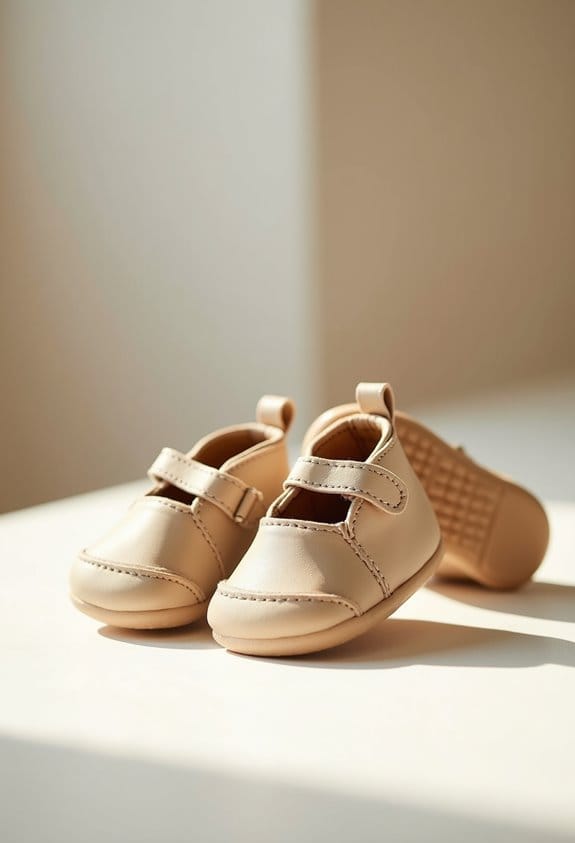
A baby’s foot is a marvel of soft tissue and cartilage, not yet shaped by fully formed arches. During early foot development, baby feet are flexible and need plenty of freedom to move naturally. New walkers benefit greatly from shoes with soft soles, which allow natural foot movement, so they can wiggle, grip, stretch, and bend with ease. Hard sole shoes, while sturdy, can limit this important motion and slow muscle strengthening. The soft feet of little ones are designed to explore, feel the ground, and build balance. Around age two, bones start hardening, and natural arches gradually form near puberty. Until then, choosing footwear that supports but doesn’t restrict your precious nugget’s feet makes all the difference for healthy growth and walking success. Some lightweight baby shoes with non-slip soles provide the added benefit of stability while still allowing flexibility for natural foot movement.
Characteristics of Soft Sole Baby Shoes
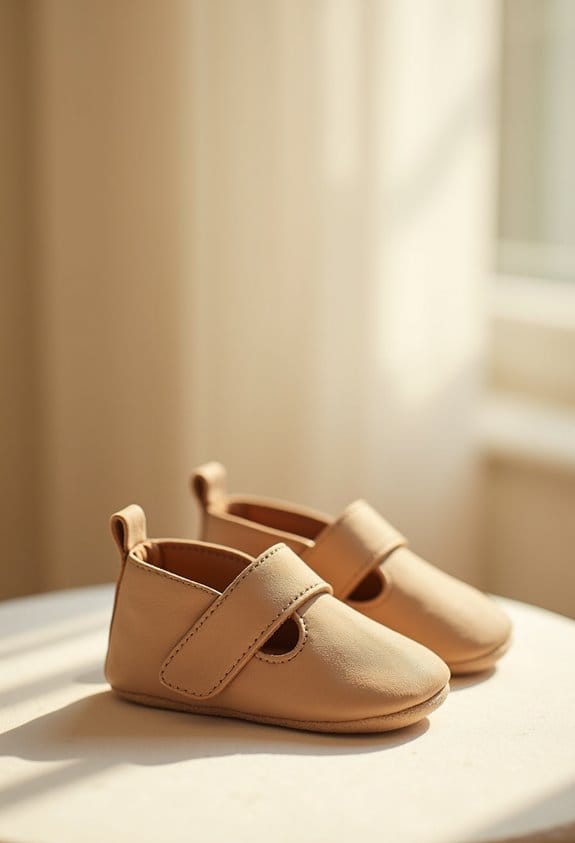
When choosing footwear for your precious nugget’s early steps, soft sole baby shoes stand out for their unique design and gentle support. These shoes are lightweight and flexible, made from soft leather or breathable materials. This allows natural foot movement, which is key for motor skill development. Soft sole baby shoes provide excellent sensory feedback by letting babies feel the ground beneath them. This helps improve balance and coordination as your little one learns to grip with toes and sink heels naturally. The design promotes natural arches and supports healthy muscle development without restricting motion. For infants and early walkers, they serve as comfortable footwear that closely mimics being barefoot, helping nurture strong, well-functioning feet during those exciting first steps. It is important to ensure that these shoes have flexible non-slip soles to provide the right grip and safety for new walkers.
Recommended Products

Breathable & Comfortable:These unisex baby socks shoes with non slip rubber soft Sole, knitted with soft breathable combed cotton. The insole is a memory insole, which fits the shape of the baby's feet, fit snugly and comfortably, adapting to your toddler’s natural foot movements. Super flexible , lightweight and comfortable fit all seasons.

MATERIAL: Genuine suede leather, soft and lightweight with a durable sole so walking feel natural

Lace-Free Design:The baby shoes have convenient elastic lace-free design for easy on and off,fits snugly on baby's feet.Suit for crawling,walking,running,playing and won't fall off
Characteristics of Hard Sole Baby Shoes
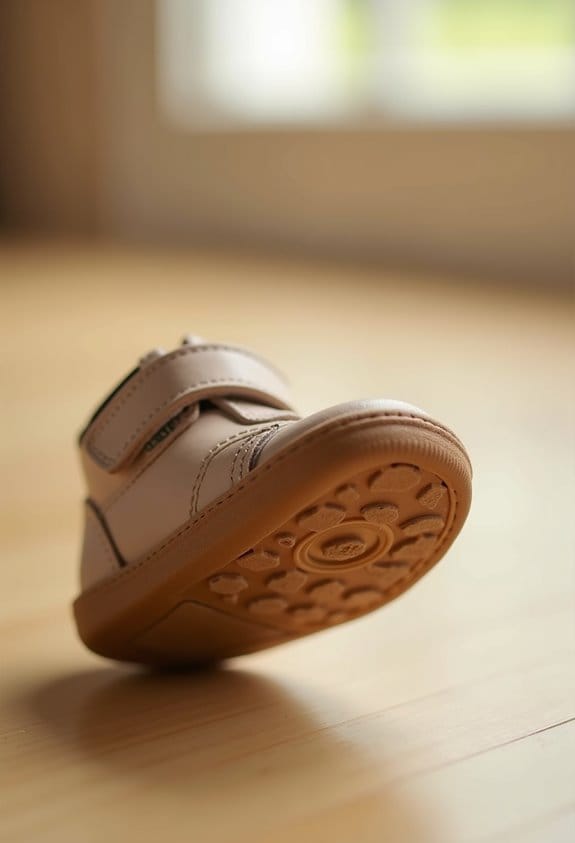
As your precious nugget becomes more confident on their feet, hard sole baby shoes offer a different set of benefits compared to soft soles. Hard sole baby shoes are made from durable materials, typically rubber or sturdy leather, designed to provide extra protection for little feet exploring tougher surfaces. These shoes have firm soles that give stability and support, helping growing arches stay strong during active play like running and climbing. Their wider and taller toe boxes allow for natural motion, giving toes room to wiggle and reducing discomfort. While hard sole shoes do support the feet well, they may limit some natural foot movement and sensory feedback important for balance in new walkers. They work best when your toddler is steady and ready for more demanding adventures outdoors. Additionally, many hard sole shoes include anti-collision toe caps to protect little toes from bumps and scrapes during active play.
Recommended Products

〓 Comfy Baby Barefoot Sneakers: Crafted with soft mesh uppers and honeycomb insoles, these sneakers ensure 360°airflow to keep tiny feet dry and odorless during play. The ideal pair for all seasons

[Breathable & Soft Cotton]:These toddler socks shoes are crafted with soft, breathable cotton, offering all-day comfort for your little one’s delicate feet. Perfect for all seasons, these infant non-slip breathable slippers keep feet cool in the summer and warm in the winter. Whether your child is indoors or outdoors, the breathable fabric ensures there’s no moisture buildup, keeping feet dry and cozy all day long.

SAFE&SOFT MATERIAL: This baby girl shoes made of high-quality pu Leather. Ensures air permeability and not easily deformed, There is no friction inside the shoes, no irritation to baby's skin. parents can choose with confidence
Key Differences Between Soft Sole and Hard Sole Shoes

Choosing between soft sole and hard sole shoes can feel tricky, but understanding their key differences helps you pick what’s best for your precious nugget. Soft sole shoes are flexible and lightweight, promoting natural foot movement and giving essential sensory feedback. This assists your baby develop balance and coordination when learning to walk. They support proper development by encouraging arch formation and toe gripping with the baby’s first pair. Hard sole shoes are more rigid, designed for confident walkers needing protection outdoors. However, they restrict foot movement and reduce sensory feedback, which can delay proper development in early baby walking stages. Experts suggest starting with soft soles for beginners and switching to hard soles once your child confidently walks to guarantee safety without hindering growth. Additionally, selecting shoes with breathable materials helps keep little feet cool and comfortable during prolonged wear.
Benefits of Soft Sole Shoes for Early Walkers

Although every baby’s walking journey is unique, soft sole shoes offer gentle support ideal for early walkers. These shoes are lightweight and flexible, allowing your precious nugget’s baby’s foot to move naturally. This freedom encourages balance and helps develop coordination as new walkers explore standing and stepping. Soft sole shoes provide important sensory feedback by letting little feet feel the ground beneath them. This helps build strong foot muscles and healthy arches, key for walking confidence. Unlike hard sole options, soft soles don’t restrict movement, encouraging toe gripping and muscle strength. The benefits of soft sole shoes include supporting natural movement without interfering with a baby’s developing foot structure. For early walkers, soft soles guarantee comfort and safe progress during these critical first steps. Additionally, the non-slip soles enhance safety by reducing the risk of falls during these early walking stages.
When to Consider Hard Sole Shoes
Once your precious nugget moves beyond those first wobbly steps and gains more confidence, it’s time to think about hard sole shoes. For new walkers growing into active toddlers, especially those exploring outdoor adventures, hard sole shoes offer vital protection from rough surfaces, sharp objects, and cold temperatures. These shoes for babies come with firm soles and wider toe boxes, supporting proper foot movement and helping prevent flat feet. Unlike soft sole shoes, hard soles provide durability and better traction, reducing slips and falls as your toddler runs and climbs. However, they are best suited after initial walking stages, since early walkers need the flexibility of soft soles to develop balance. When considering the Soft Sole vs Hard Sole decision, think about your child’s activity level and terrain to guarantee safe, comfortable steps. Additionally, ensuring shoes have proper arch support can stabilize developing feet and encourage healthy walking patterns as toddlers become more active.
How to Determine If Your Baby Is Ready for Shoes
How can you tell when your precious nugget is ready to wear shoes? Babies generally don’t need shoes until they start walking confidently. Barefoot play helps develop proper foot muscles and balance. Shoes become necessary once babies stand or cruise in public spaces to protect your baby’s feet. Soft soled shoes, like moccasins, are ideal at first, promoting natural foot movement. It’s important to measure your baby’s feet while standing to ascertain shoes fit properly and allow growth. Hard sole shoes may come later when walking becomes steadier, but initially, soft soled shoes support healthy foot development. If you have concerns about flat feet or joints, consulting a pediatrician can guide the best timing for shoes and protect your baby’s feet as they grow. Choosing shoes with a non-slip rubber sole can enhance safety as your baby begins to walk on different surfaces.
Essential Features of Ideal Shoes for New Walkers
What makes a shoe truly ideal for your precious nugget just starting to walk? First, look for a soft sole that is lightweight and flexible. This supports natural foot movement, helping little feet develop properly. A wide toe box is essential—it lets toes wiggle and spread comfortably as their feet grow. Shoes made with breathable materials, like leather or mesh, keep feet cool and dry during busy playtimes. Cushioning in the heel offers stability, which aids balance and coordination. Finally, rubber outsoles provide traction, reducing slips as your child explores. Each of these features works together to protect and support new walkers, giving them confidence every step of the way. Keeping these essentials in mind guarantees your child’s first shoes are just right. Additionally, non-slip rubber soles are crucial for safety, providing enhanced grip on various surfaces to prevent falls.
Recommended Products

Breathable & Comfortable:These unisex baby socks shoes with non slip rubber soft Sole, knitted with soft breathable combed cotton. The insole is a memory insole, which fits the shape of the baby's feet, fit snugly and comfortably, adapting to your toddler’s natural foot movements. Super flexible , lightweight and comfortable fit all seasons.

〓 Comfy Baby Barefoot Sneakers: Crafted with soft mesh uppers and honeycomb insoles, these sneakers ensure 360°airflow to keep tiny feet dry and odorless during play. The ideal pair for all seasons

Breathable & Comfortable:These unisex baby socks shoes with non slip rubber soft Sole, knitted with soft breathable combed cotton. The insole is a memory insole, which fits the shape of the baby's feet, fit snugly and comfortably, adapting to your toddler’s natural foot movements. Super flexible , lightweight and comfortable fit all seasons.
Proper Sizing and Measuring Techniques for Baby Shoes
Measuring your precious nugget’s feet properly is crucial for choosing the right shoe size. To get proper sizing, have your baby stand flat against a wall with their foot fully extended. Use a shoebox or measuring tool to mark the longest toe. Remember to leave about 0.5 to 1 cm of extra space in baby shoes for growth. Checking fit regularly is important, as their feet grow quickly—measure at intervals of every two to three months. The shoes should allow natural movement without restricting flexing or bending. Since shoe sizes vary across brands and widths, always refer to the specific size chart. Following these measuring techniques guarantees a comfortable fit that supports your child’s developing feet and growing steps. Choosing shoes with a wide toe box can promote natural toe movement and healthy foot development.
Recommended Products

Wide Round Toe: The unique design of the toe can make the baby's feet free movement, body balance is not afraid of falling, anti-collision to help crawling

Non-slip Soles:Preventing your baby from slipping,soft, lightweight sole,a safe and cute sock sneakers for baby boys baby girls.

[ Wide Toe Box ]: The wide toe box toddler shoes design provides ample room for little toes, alleviating discomfort from pressure and promoting healthy foot development. Available in various sizes, barefoot shoes kids ensure comfort during active play
Recommended Brands and Shoe Options for New Walkers
Choosing the right shoe brand can make a big difference for your baby’s first steps. Soft, flexible shoes are ideal for new walkers, offering gentle support as their feet grow. Brands like SeeKaiRun provide flexible options that support natural foot movement. Stride Rite stands out with shoes designed to balance support and flexibility, perfect for active toddlers. For outdoor adventures, Merrell’s Bare Steps line gives minimalist, barefoot-inspired protection. Barefoot brands such as Ten Little, Little Love Bug, and Saguaro mimic natural foot movement, often with promotional discounts. Budget-friendly options are also available at Target, where you can find soft, supportive shoes for precious nuggets without overspending. These diverse options help parents choose footwear that encourages healthy development while keeping comfort in mind. Many recommended shoes also incorporate non-slip technology to ensure safety as babies take their first steps.
Recommended Products

Comfortable and Breathable:The baby sneakers crafted from lightweight, soft, and breathable knit material, feature stretchy fabric that conforms to the foot's shape, making them perfect for year-round wear.

Premium Soft Genuine Leather Aijoviko soft sole baby shoes made with 100% natural cowhide leather, ultra-soft and breathable, meeting US safety standards. Gentle on baby’s delicate skin while ensuring durability for daily wear
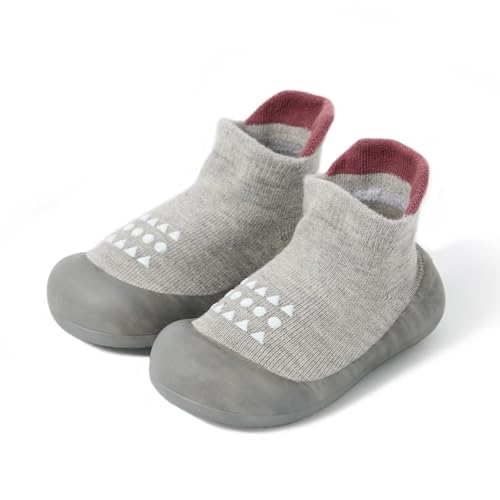
Indoor/outdoor shoes&walking shoes : These unisex baby slipper shoes are made from soft breathable cotton and non slip rubber Soft Sole. Super Soft and Comfortable fit all the year. The shoes are smooth and breathable and won't hurt your baby's delicate skin.
Tips for Maintaining Healthy Foot Development in Toddlers
Supporting your little one’s foot health goes beyond picking the right shoes. Encourage barefoot play on soft surfaces like grass to boost balance and coordination in those precious nuggets. When choosing walking shoes, soft sole options are best for little feet because they allow natural foot movement and help develop muscles and arches. Look for shoes with wide toe boxes and flexible soles to support healthy foot development by letting toes splay and grip naturally. Remember to replace shoes every two to three months as your toddler grows to keep the fit comfortable and supportive. If you notice signs like excessive flat feet or joint issues, consult a Pediatrician or Physical Therapist for guidance. These steps help guarantee your child’s feet grow strong and healthy.
Frequently Asked Questions
Are Soft or Hard Shoes Better for Walking?
Soft shoe benefits include enhanced foot development importance and better walking posture effects, while hard shoe drawbacks involve restricted movement and lower sensory feedback. Material durability comparison favors hard shoes; price differences analysis and style preferences discussion highlight age appropriate choices for walkers.
What Type of Sole Is Best for Walking?
Soft soles optimize comfort levels and foot stability by enhancing barefoot benefits through sole flexibility and improved surface traction. Proper weight distribution and shoe materials support natural walking technique, making them superior for early walking development compared to rigid soles.
Is Too Much Cushioning Bad for Your Feet?
Excessive cushioning effects can hinder foot development by reducing sensory feedback essential for balance improvement. While cushioning aids impact absorption and pressure distribution, too much compromises arch support and shoe flexibility, ultimately impairing natural walking mechanics.
Do Softwalk Shoes Have Good Arch Support?
Can softwalk shoe materials provide effective arch support? Typically, no; they emphasize flexibility over cushioning technology comparison. While arch support benefits toddler foot health, their fit variations impact foot development, making arch support importance limited in softwalk shoes.