As an Amazon Associate, we earn from qualifying purchases. Some links on this site are affiliate links at no extra cost to you. Our recommendations are based on thorough research and editorial judgment.

How Barefoot Time Strengthens Baby’s Feet Before Shoes

Barefoot time helps your precious nugget develop strong, flexible foot muscles by encouraging natural movement and toe splay. It improves balance, coordination, and sensory awareness through direct contact with varied surfaces. Experts recommend keeping babies barefoot until around ages 3 to 4, allowing their feet to grow naturally before introducing flexible, well-fitting shoes. This practice supports muscle strength, healthy arch development, and overall foot stability. Explore further to discover how to safely support your child’s foot health during early walking stages.
Key Takeaways
- Barefoot time strengthens foot muscles by encouraging natural movement and engaging muscles for arch development and foot stability.
- Walking barefoot provides sensory input that enhances brain development and body position awareness in babies.
- Toe splay during barefoot play improves grip, balance, and coordination through enhanced proprioception and spatial awareness.
- Experts recommend barefoot time until ages 3 to 4 to maintain flexibility and natural foot development before introducing shoes.
- Barefoot exploration supports long-term foot health by building muscle strength and flexibility, reducing future foot problems.
The Role of Barefoot Time in Foot Muscle Development

Encouraging your precious nugget to spend time barefoot helps their tiny foot muscles grow strong and healthy. Barefoot time supports natural movement by letting foot muscles engage fully, strengthening arches and improving foot stability. As your child walks and plays without shoes, varied surfaces provide sensory input that promotes healthy development. This sensory feedback helps refine motor skills essential for proper foot development. Barefoot activity prevents weakening from restrictive footwear and encourages a more natural gait pattern. Strong intrinsic foot muscles lay a foundation for good posture and alignment, reducing future risks. By nurturing these muscles early, you help your child build the strength needed for balance and coordination, setting the stage for confident movement as they grow. Simple barefoot fun benefits your kid’s feet in powerful ways. When it is time to wear shoes, selecting options with a wide toe box and zero-drop soles ensures continued healthy foot development and comfort.
Enhancing Balance and Coordination Through Barefoot Movement

Building strong foot muscles through barefoot time naturally supports your precious nugget’s balance and coordination as they grow. Barefoot movement encourages toe splay, which improves grip and push-off power essential for steady walking and play. When your little one explores surfaces with their bare feet during sensory play, it enhances proprioception, helping them understand where their body is in space. This process strengthens balance and coordination development by activating foot muscles and improving spatial awareness. As babies adjust their posture naturally while barefoot, they gain better stability and reduce fall risks. Regular barefoot time also builds confidence, fostering independence in movement and encouraging them to explore safely. These early habits lay a strong foundation for motor skills, helping your child move with more ease and control as they grow. To support this natural development, choosing toddler shoes with a wide toe box allows for continued toe splay and healthy foot growth as they transition to footwear.
Recommended Products

[ Wide Toe Box ]: The wide toe box toddler shoes design provides ample room for little toes, alleviating discomfort from pressure and promoting healthy foot development. Available in various sizes, barefoot shoes kids ensure comfort during active play

[Wide toe box]: These toddler shoes for boys and girls feature a wide toe box that helps prevent toe squeezing and allows little feet to splay naturally. Perfect for babies with high insteps or wide feet, they keep your child comfortable and at ease during those important early walking stages

[ Wide Toe Box for Chubby Feet ]: Designed specifically for toddler feet, our wide toe box prevents squeezing and discomfort. It allows little toes to splay and grip naturally, promoting healthy arch development and better balance during their crucial first steps
Sensory Feedback and Proprioception in Barefoot Babies

While your precious nugget explores the world on bare feet, their tiny soles gather important information through about 200,000 nerve endings. This sensory feedback helps babies learn about different textures and shapes, boosting their cognitive development and spatial awareness. Barefoot play supports natural foot movement, which is essential for strengthening intrinsic muscles. These muscles improve balance and stability, laying a foundation for future movement skills. Proprioception—the ability to sense body position—also improves as babies experience varied surfaces barefoot. This helps their brains connect with their bodies, positively influencing motor skills as they grow. Encouraging barefoot time lets your baby develop a rich sense of touch and body awareness, crucial for their overall physical growth before they start wearing shoes. When it becomes time to transition, choosing shoes with flexible soles and wide toe boxes will best support the natural foot development fostered by barefoot exploration.
Impact of Barefoot Experiences on Early Motor Skills

As tiny feet touch different surfaces, your precious nugget’s early motor skills get a natural boost. Barefoot walking is ideal during the early years because it offers a rich sensory experience. When your baby’s feet feel feedback from the ground, the muscles in the feet strengthen, supporting a natural gait. This exploration is key to brain development, as nerve endings send important signals that help refine movement patterns. By exploring the world barefoot, babies build balance and coordination needed to move confidently. The sensory input improves proprioception, letting your child better understand their body’s position. All these combined effects make barefoot time a simple, natural way to nurture early motor skills as your little one grows and learns to move with ease and joy. Additionally, the use of shoes with flexible soles after barefoot time can support natural foot movement and further promote stability during walking.
Differences Between Barefoot and Shod Toddlers’ Walking Patterns

Though all toddlers take their first steps around the same age, the way they walk can differ quite a bit depending on whether they are barefoot or wearing shoes. Barefoot walking patterns tend to be more natural, with your precious nugget’s foot muscles working harder and growing stronger. When barefoot, toddlers show wider toe movement, helping with balance and a smoother push-off. They also get better sensory feedback from the ground, which boosts proprioception—the body’s ability to know where it is in space. Shod toddlers often experience limited toe mobility and weaker intrinsic foot muscles because shoes restrict movement and lessen sensory input. Over time, the natural barefoot gait promotes better coordination and a healthier walking pattern, preparing little feet well before it’s time to slip into shoes. When the time comes to introduce footwear, choosing baby walking shoes designed for flexibility and support can help maintain these benefits.
Recommended Products

Breathable & Comfortable:These unisex baby socks shoes with non slip rubber soft Sole, knitted with soft breathable combed cotton. The insole is a memory insole, which fits the shape of the baby's feet, fit snugly and comfortably, adapting to your toddler’s natural foot movements. Super flexible , lightweight and comfortable fit all seasons.

Breathable & Comfortable:These unisex baby socks shoes with non slip rubber soft Sole, knitted with soft breathable combed cotton. The insole is a memory insole, which fits the shape of the baby's feet, fit snugly and comfortably, adapting to your toddler’s natural foot movements. Super flexible , lightweight and comfortable fit all seasons.

[Breathable & Soft Cotton]:These toddler socks shoes are crafted with soft, breathable cotton, offering all-day comfort for your little one’s delicate feet. Perfect for all seasons, these infant non-slip breathable slippers keep feet cool in the summer and warm in the winter. Whether your child is indoors or outdoors, the breathable fabric ensures there’s no moisture buildup, keeping feet dry and cozy all day long.
When to Consider Introducing Shoes for Your Child
Timing is important when introducing shoes to your precious nugget’s feet. Experts suggest allowing babies to stay barefoot as much as possible until around ages 3 to 4. This encourages flexible feet and sensory stimulation essential for natural foot movement. When to contemplate introducing shoes depends on your child confidently walking outdoors or on uneven surfaces, where protection over restriction becomes key. Toddler footwear should be flexible and lightweight, offering plenty of toe space to allow babies’ feet to splay naturally. Shoes must support without hindering the foot’s natural motion, continuing the benefits gained from barefoot play. Regular check-ups can help ascertain your child’s feet develop properly before shoe use becomes a regular part of their daily routine. Selecting shoes with wide toe boxes is crucial to ensure natural toe spreading and healthy foot development.
Recommended Products
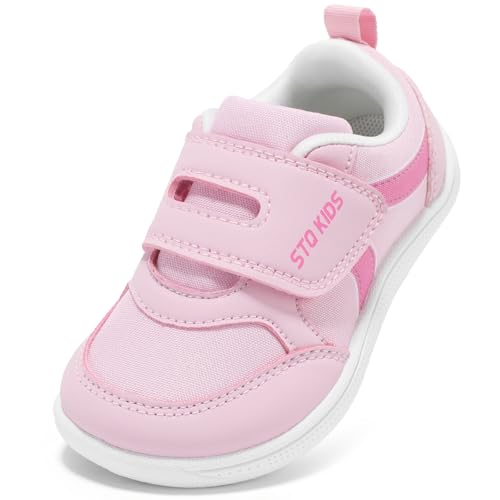
[ Wide Toe Box ]: The wide toe box toddler shoes design provides ample room for little toes, alleviating discomfort from pressure and promoting healthy foot development. Available in various sizes, barefoot shoes kids ensure comfort during active play

Back-to-school ready with zero-drop sole for natural movement during running, PE class & playground activities

Lightweight Non-Slip Sole for Active Toddlers: For toddlers who love to run, climb, and play, heavy shoes can feel tiring. Each shoe weighs about 75g / 2.6 oz, with a flexible EVA outsole and non-slip textured tread to help support steady steps on playgrounds, sidewalks, and everyday surfaces
Choosing Footwear That Supports Natural Foot Growth
Many parents wonder how to pick the best shoes for their precious nugget once footwear becomes necessary. The key is choosing soft-soled shoes that allow for natural foot movement. These shoes support natural foot growth by encouraging healthy toe splaying, which is essential for balance and arch development. Flexible soles and a wide toe box help promote natural foot function without restricting muscle development. Avoid shoes with rigid structures or thick soles, as they can interfere with your child’s biomechanics. Lightweight materials like cloth or soft leather provide comfort while keeping sensory feedback intact. Remember, barefoot time remains important for strengthening baby’s feet. Protective shoes should only be introduced when needed, such as on rough outdoor surfaces, ensuring your precious nugget’s feet grow strong and healthy. Selecting footwear with breathable materials also helps keep your baby’s feet dry and comfortable throughout the day.
Recommended Products

Breathable & Comfortable:These unisex baby socks shoes with non slip rubber soft Sole, knitted with soft breathable combed cotton. The insole is a memory insole, which fits the shape of the baby's feet, fit snugly and comfortably, adapting to your toddler’s natural foot movements. Super flexible , lightweight and comfortable fit all seasons.

MATERIAL: Genuine suede leather, soft and lightweight with a durable sole so walking feel natural
Breathable & Comfortable:These unisex baby socks shoes with non slip rubber soft Sole, knitted with soft breathable combed cotton. The insole is a memory insole, which fits the shape of the baby's feet, fit snugly and comfortably, adapting to your toddler’s natural foot movements. Super flexible , lightweight and comfortable fit all seasons.
Addressing Safety Concerns With Barefoot Play
Encouraging your precious nugget to enjoy barefoot play provides many benefits for foot development, but safety is a key concern you might have. Bare feet allow young children to develop proprioception, which helps them sense different surfaces and maintain balance. Studies show that by ages 3 to 4, most children can walk and run confidently outdoors, making barefoot play safer at this stage. To reduce the risk of foot injuries, it’s important to watch the terrain closely and keep play areas clean. Playing barefoot also improves motor skills and foot placement awareness, which helps prevent slips and falls. Regular foot check-ups are a smart way to spot any concerns early. This guarantees barefoot play stays both fun and safe, supporting your child’s growing feet gently and naturally. To further support healthy foot development when transitioning from barefoot play, it is essential to choose shoes with soft and breathable materials to ensure comfort and prevent irritation.
Recommended Products
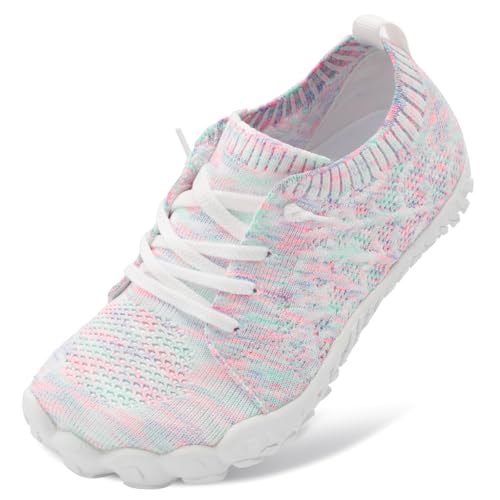
Wide Toe and Natural Barefoot: These kids sneakers with wide toe box and low drop design,allow the kid's toes to stretch freely without being squeezed,strengthen foot muscles, and elevate sensory awareness, ensures correct posture and balance,nurturing holistic foot development.Meeting the needs of any foot-type child

Breathable Knit Upper: The upper of these toddler shoes is made of a high-stretch knit fabric, breathable and quiky dry, ensures your child‘s feet to move freely and keep dry. The shoes have unique pattern designs on both sides, cute and fashionable.Suitable for all seasons

Quick Drying: Breathable mesh exterior and perforated rubber sole let water drain quickly, making these quick-dry shoes comfortable during swimming, splashing, and playing.
Promoting Long-Term Foot Health Through Barefoot Practice
A baby’s early barefoot experiences play an essential role in shaping long-term foot health. When your precious nugget enjoys barefoot play, their feet build muscle strength and flexibility, which helps with arch development and toe splaying. This natural movement supports proper foot health and prevents future issues. Barefoot time also activates many nerve endings, boosting sensory feedback essential for proprioceptive development—this helps your baby better coordinate movements and improves balance. Exploring different textures barefoot encourages independence and spatial awareness, setting a strong foundation for physical growth. By allowing your little one to move freely without shoes, you support healthy biomechanics and healthy foot development. These simple barefoot moments can create lasting benefits that accompany your child well beyond those first steps. It’s also important to eventually transition to shoes with wide toe boxes to maintain natural toe splay and comfort as your child begins walking outdoors.
Frequently Asked Questions
Is It Better for Babies to Walk Barefoot or With Shoes?
Babies benefit more from barefoot walking during early walking stages, as barefoot benefits include enhanced natural development, sensory exploration, and balance improvement. Appropriate shoe types should prioritize foot anatomy and temperature control when used for outdoor protection.
How Long Should a Baby Be Walking Before Getting Shoes?
Walking milestones signal shoe readiness; once outdoor exploration commences confidently, foot development and baby posture benefit from shoe protection. Until then, natural movement, sensory experience, and balance improvement through barefoot walking remain essential for healthy growth.
How Long Should Babies Stay Barefoot?
Babies should stay barefoot primarily during their first two years to maximize barefoot benefits such as sensory development, toe flexibility, muscle strength, balance improvement, natural movement, and foot health, supporting essential developmental milestones before regular shoe use begins.
Does Covering Babies’ Feet Slow Development?
Covering babies’ feet slows developmental milestones, disrupts sensory experiences, and impairs foot strength. Limiting natural movement hampers muscle development and balance improvement. Early footwear effects interfere with early walking and overall biomechanical growth essential for healthy progression.