As an Amazon Associate, we earn from qualifying purchases. Some links on this site are affiliate links at no extra cost to you. Our recommendations are based on thorough research and editorial judgment.

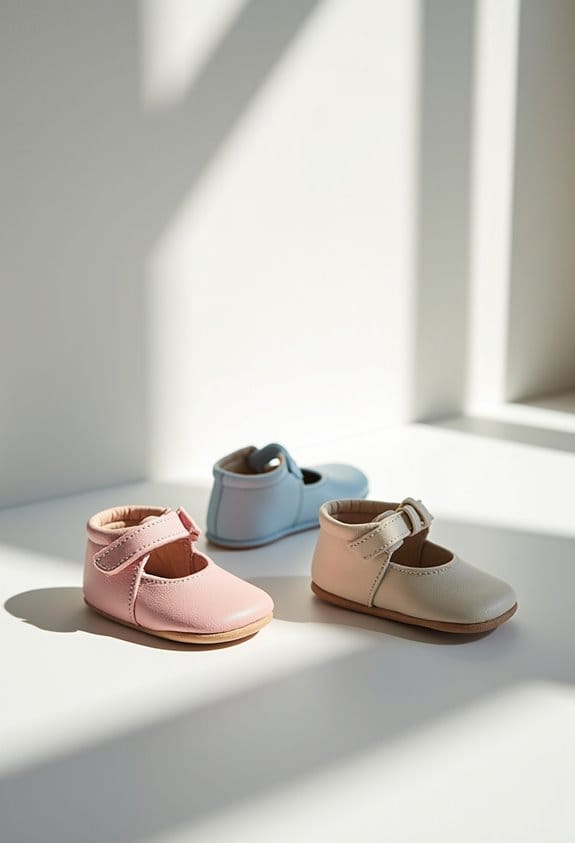
Barefoot vs. Soft Sole Shoes: Which Is Better for New Walkers?

For your precious nugget’s first steps, barefoot walking indoors supports natural foot growth, muscle strength, and balance by letting toes move freely. Soft sole shoes are best when protection is needed, like outdoors or on cold surfaces, offering flexible soles, wide toe boxes, and breathable materials to promote healthy development. Shoes that fit well prevent discomfort and misalignment. Finding the right balance between barefoot freedom and protective footwear helps your little one move safely and comfortably. Learn how to choose and fit shoes wisely.
Key Takeaways
- Barefoot walking indoors promotes natural foot muscle strengthening and sensory development for new walkers.
- Soft sole shoes protect feet outdoors while allowing flexibility and natural toe spread.
- Proper shoe fit, including a wide toe box and snugness, supports healthy foot growth and comfort.
- Semi-rigid sole shoes offer better outdoor support, balancing foot freedom and protection.
- Overly stiff or narrow shoes restrict movement, potentially causing foot development issues in toddlers.
Benefits of Going Barefoot for New Walkers
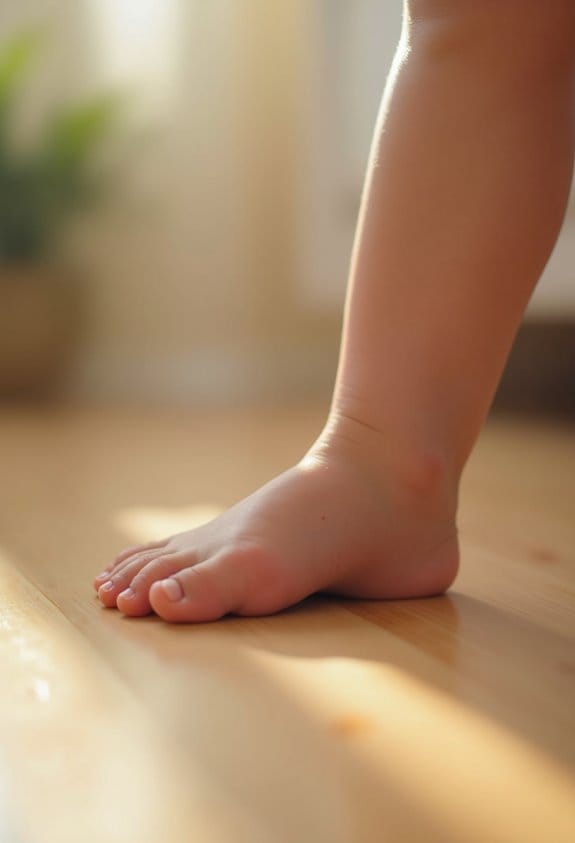
Though it might seem unusual at first, letting your precious nugget go barefoot during early walking stages has important benefits. Barefoot walking helps promote healthy development by allowing toddlers feet to move freely, supporting natural foot growth. Without shoes or even soft soles, their feet experience the ground’s texture and pressure, which strengthens muscles and ankles. This natural foot movement encourages a proper gait and boosts balance and coordination through better sensory feedback. When toddlers explore barefoot on safe surfaces indoors, their proprioceptive awareness improves, enhancing spatial skills and body control. Experts suggest keeping your toddler barefoot as much as possible during early walking to aid unrestricted foot development. Overall, barefoot time offers a simple way to nourish strong, flexible feet during those precious first steps. Choosing shoes with flexible soles when transitioning from barefoot helps maintain this natural movement and supports healthy foot growth.
When Is It Time for Shoes?
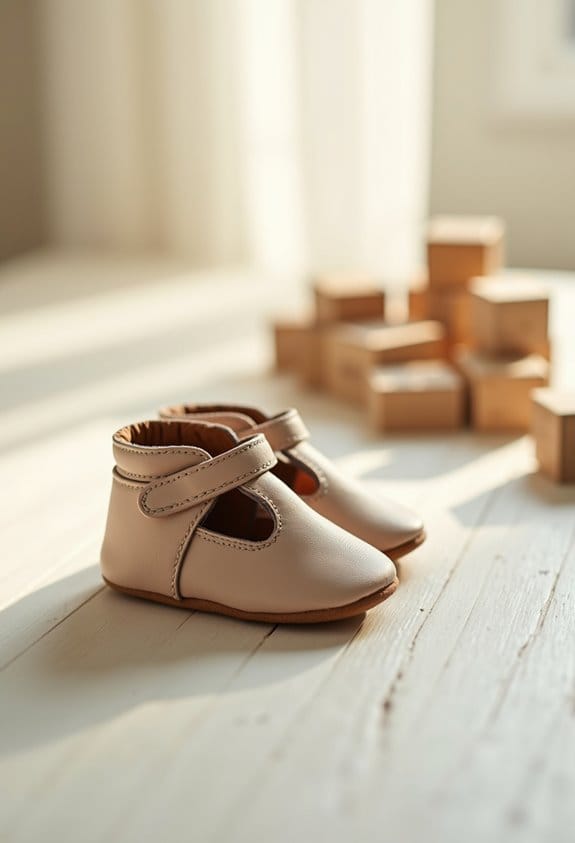
Deciding when your precious nugget needs shoes is an important step in their walking journey. Barefoot walking allows natural foot development and helps your child learn balance and coordination. Ideally, you let your little one go barefoot as much as possible until they walk confidently outdoors or in public. However, there comes a time when soft-soled shoes become necessary. These shoes offer protection when walking on cold, rough, or uneven surfaces while still being flexible. The shoe allows your child’s foot to move naturally without restriction. You know your child needs shoes when safety or weather makes barefoot walking unsafe. Always check that the shoe fits well, letting toes spread comfortably. Choosing the right moment guarantees your precious nugget’s feet stay healthy, happy, and ready for every step. It is important to ensure there is a thumbs width of space between the toes and the end of the shoe to support healthy foot growth.
Recommended Products

MATERIAL: Genuine suede leather, soft and lightweight with a durable sole so walking feel natural

Non-slip Soles:Preventing your baby from slipping,soft, lightweight sole,a safe and cute sock sneakers for baby boys baby girls.
Common Foot Development Concerns in Infants
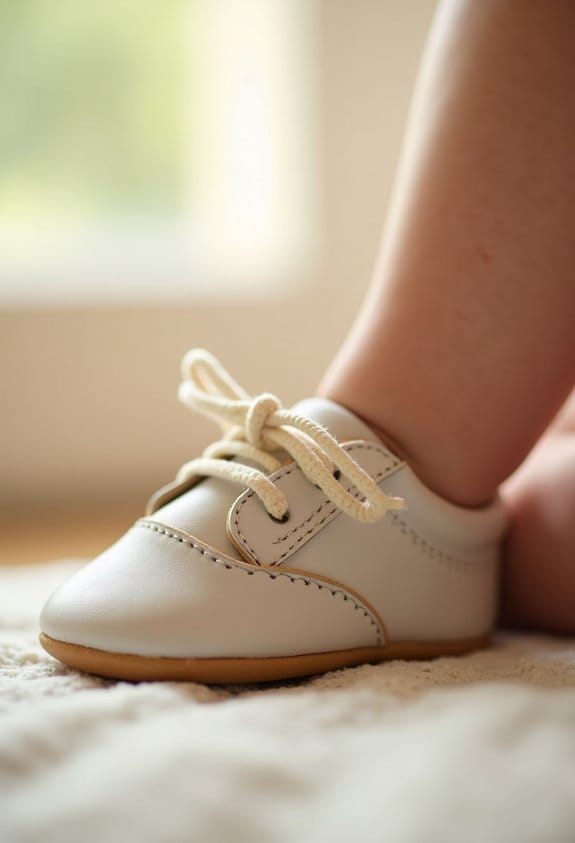
Foot development in infants is a fascinating process that often raises questions for parents. Many little feet naturally appear flat because of soft fat pads in the arches, which usually last until about age two. This is normal, but if your precious nugget shows too much arch collapsing or struggles with heel pain, it’s wise to speak with a pediatrician. Soft, flexible shoes or toddler shoes should never restrict natural foot movement. Hard soles and narrow toe boxes can cause issues like bunions or misalignment, which may affect how feet develop later. You can help by ensuring your child’s shoes fit well—check that toes have room and shoes bend easily. If walking milestones delay or joints seem loose, consulting a physical therapist may offer additional support and peace of mind. Choosing shoes with wide toe boxes helps promote natural toe splay and healthy foot development.
Characteristics of Ideal Soft Sole Shoes
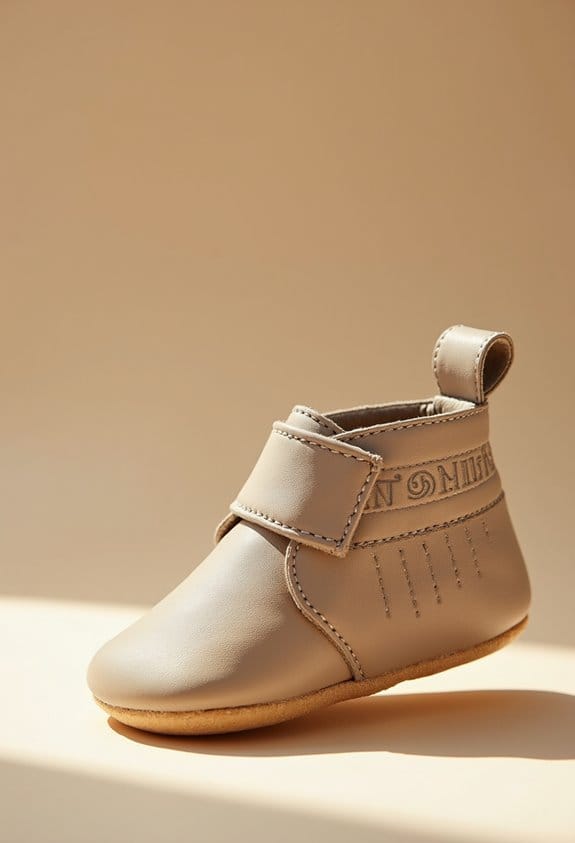
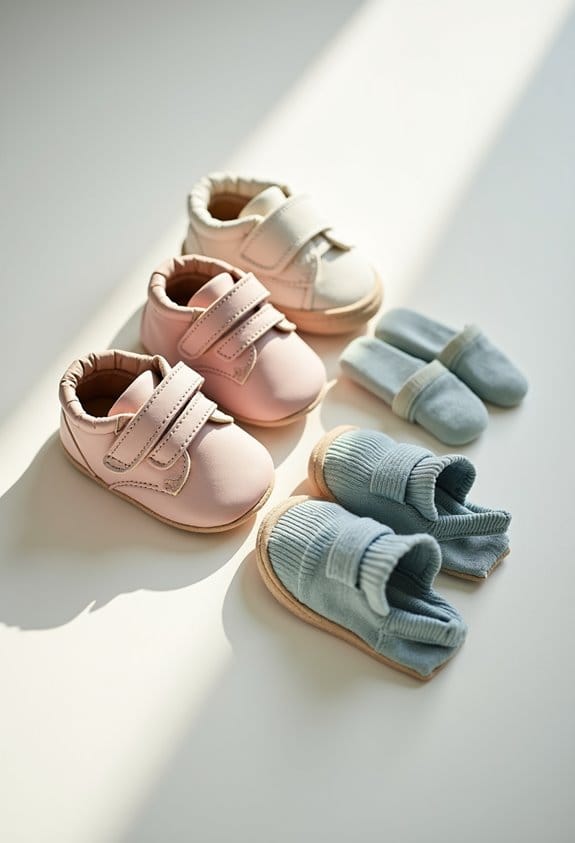
Choosing the right soft sole shoes for a new walker means focusing on comfort and support without getting in the way of natural foot movement. Ideal soft sole shoes are lightweight and flexible, helping your precious nugget explore confidently. A wide toe box is key—it allows toes to spread naturally and stay happy as they grow. The shoes should fit snugly but not squeeze, so your little one can feel the ground beneath for better balance. Non-slip bottoms add safety by preventing slips during those first steps. Materials like soft leather or breathable fabric keep feet cozy without locking in heat. When you pick soft sole shoes with these features, you’re giving your toddler a gentle boost toward steady, healthy walking adventures. It’s also important to ensure the shoes have adjustable closures to keep the fit secure as your child moves.
Recommended Products

Breathable & Comfortable:These unisex baby socks shoes with non slip rubber soft Sole, knitted with soft breathable combed cotton. The insole is a memory insole, which fits the shape of the baby's feet, fit snugly and comfortably, adapting to your toddler’s natural foot movements. Super flexible , lightweight and comfortable fit all seasons.

Breathable & Comfortable:These unisex baby socks shoes with non slip rubber soft Sole, knitted with soft breathable combed cotton. The insole is a memory insole, which fits the shape of the baby's feet, fit snugly and comfortably, adapting to your toddler’s natural foot movements. Super flexible , lightweight and comfortable fit all seasons.

[Breathable & Soft Cotton]:These toddler socks shoes are crafted with soft, breathable cotton, offering all-day comfort for your little one’s delicate feet. Perfect for all seasons, these infant non-slip breathable slippers keep feet cool in the summer and warm in the winter. Whether your child is indoors or outdoors, the breathable fabric ensures there’s no moisture buildup, keeping feet dry and cozy all day long.
How Soft Sole Shoes Support Foot Growth
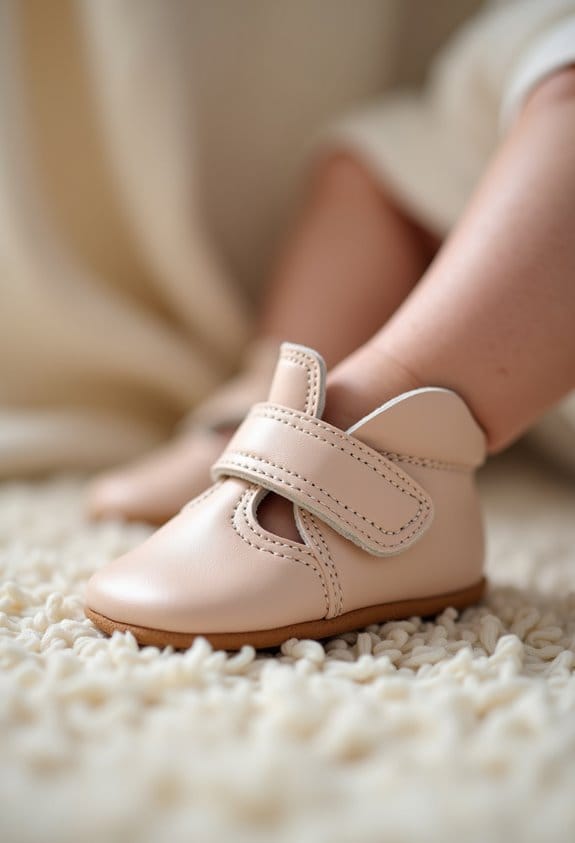
Many new walkers benefit greatly from soft sole shoes designed to support healthy foot growth. These soft soled shoes allow your little feet the freedom to move naturally, helping the foot to develop essential muscles and coordination. For early walkers, shoes are best when made from lightweight, breathable materials that protect without restricting movement. A wide toe box encourages natural foot splay, vital as your precious nugget’s foot structure is still mostly cartilage and very delicate. Soft sole shoes offer grip and stability, helping your child feel the ground beneath and improve balance. By choosing soft soled footwear, you give your child’s developing feet comfort, protection, and the natural support needed to grow strong and healthy while they take those first exciting steps. Additionally, shoes with non-slip rubber soles provide enhanced safety and grip, reducing risks of falls during early walking stages.
Recommended Products
[Breathable & Soft Cotton]:These toddler socks shoes are crafted with soft, breathable cotton, offering all-day comfort for your little one’s delicate feet. Perfect for all seasons, these infant non-slip breathable slippers keep feet cool in the summer and warm in the winter. Whether your child is indoors or outdoors, the breathable fabric ensures there’s no moisture buildup, keeping feet dry and cozy all day long.
Breathable & Comfortable:These unisex baby socks shoes with non slip rubber soft Sole, knitted with soft breathable combed cotton. The insole is a memory insole, which fits the shape of the baby's feet, fit snugly and comfortably, adapting to your toddler’s natural foot movements. Super flexible , lightweight and comfortable fit all seasons.

Breathable & Comfortable:These unisex baby socks shoes with non slip rubber soft Sole, knitted with soft breathable combed cotton. The insole is a memory insole, which fits the shape of the baby's feet, fit snugly and comfortably, adapting to your toddler’s natural foot movements. Super flexible , lightweight and comfortable fit all seasons.
Sensory and Motor Advantages of Barefoot Walking
Walking barefoot offers unique benefits that soft sole shoes can’t fully provide. When your precious nugget walks barefoot, the soles of their feet feel different surfaces, boosting sensory processing and helping them develop better balance. This tactile feedback teaches coordination as your child learns to adjust their steps. Barefoot walking also strengthens foot muscles and ankles, supporting natural movement that stiff shoes might restrict. These early experiences improve proprioception, the body’s ability to sense position and movement. Research shows that barefoot walking plays a key role in healthy foot and motor development, especially in toddlers learning to explore their world. Encouraging your little one to walk barefoot safely can foster stronger muscles and a more confident gait, making every step a win in their growth journey. However, as toddlers gain confidence in walking, transitioning to shoes with flexible soles is recommended to provide protection without compromising natural foot movement.
Risks of Improper Footwear for Toddlers
Improper footwear can cause real challenges for your precious nugget’s growing feet. Shoes that are stiff or lack flexibility can limit natural foot movement, which is essential for healthy foot and ankle muscle development. Soft soles help maintain this movement, but poorly fitting footwear can still cause problems. For example, narrow toe boxes restrict the toes’ natural splay, potentially leading to bunions or misaligned bones later on. Flat, rigid soles reduce important sensory feedback, making it harder for toddlers to develop balance and coordination during early walking stages. Choosing shoes that bend easily and fit well supports your child’s natural growth patterns and encourages strong, stable feet. Avoiding improper footwear helps protect your little one’s foot and ankle health as they take their first steps. It is also important to select shoes with breathable materials to prevent irritation and keep little feet comfortable throughout the day.
Comparing Flexibility and Protection in Baby Shoes
When choosing footwear for your precious nugget’s early steps, balancing flexibility and protection is key. Barefoot is best for promoting natural movement and healthy foot development in new walkers. However, soft sole shoes offer important protection from rough or cold outdoor surfaces while maintaining flexibility. These shoes are lightweight, with soft soles that mimic barefoot conditions, allowing toes to spread naturally. A wide toe box is essential for healthy foot splay and balance. While barefoot walking strengthens muscles and coordination, soft soles guard against environmental hazards and sharp objects. For parents, this means choosing flexible shoes that don’t restrict movement but still provide enough protection during outdoor adventures. Ultimately, flexibility and protection together support your child’s comfort and safe exploration. Choosing infant shoes made from breathable, gentle fabrics can further enhance comfort and prevent irritation during these early walking stages.
Recommended Products

Lace-Free Design:The baby shoes have convenient elastic lace-free design for easy on and off,fits snugly on baby's feet.Suit for crawling,walking,running,playing and won't fall off

👣【 100% Genuine Leather】Slip-on baby shoes great for infant toddler, elastic closure and soft leather keep shoes easily put on and stay on well baby feet.
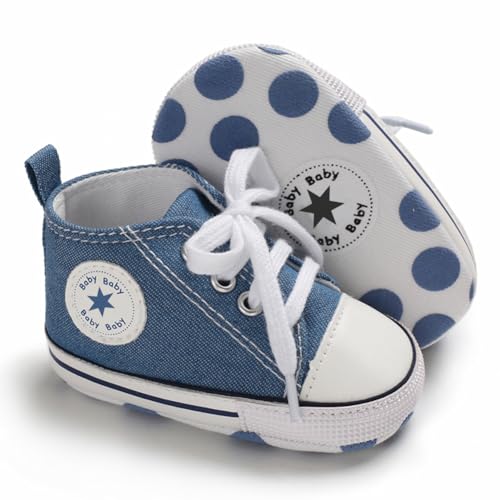
Quality Materials: Safety Tested for Peace Of Mind, and look aesthetic, No Any Stimulation to The Skin of Baby. These baby sneakers are made of high quality soft and breathable canvas upper, which is very good for baby's feet growth in crib
Expert Opinions on Barefoot-Like Footwear
Although many experts support barefoot walking indoors to help your precious nugget develop strong feet, opinions differ when it comes to footwear that mimics barefoot conditions. Pediatric physical therapists often advise that early walkers benefit most from going barefoot inside, as this encourages natural foot development and tactile sensitivity. However, when shoes are needed, experts caution against overly flexible options, including some soft soles, because too much bend can increase foot strain or plantar pressure. Many recommend semi-rigid soles outdoors for better protection and support, especially while your child’s gait is still unstable. Some professionals also raise concerns that barefoot-like shoes may prioritize style over function, offering limited real benefits. Ultimately, finding a balance between barefoot freedom indoors and appropriate, protective footwear outdoors is key to supporting your early walker’s healthy foot growth. Ensuring the shoes have non-slip outsoles can enhance safety by reducing the risk of falls during your child’s early walking stages.
Practical Tips for Choosing and Fitting Toddler Shoes
Selecting the right shoes for a toddler means paying close attention to fit and function. For new walkers, shoes with flexible soles help support natural foot movement without restricting growth. It’s important to choose shoes featuring wide toe boxes to allow your precious nugget’s feet to spread comfortably. Adjustable features like Velcro straps or pull loops make putting shoes on and off easier, while also ensuring a snug fit. Always measure your child’s feet while standing, checking sizing charts for accuracy. A proper shoe fit means toes aren’t scrunched or pinched when the child stands. Regularly assess fit as little feet grow fast. These steps will keep your toddler comfortable and confident as they take their first steps into the world. Additionally, selecting shoes made from non-toxic materials is essential to prevent skin irritation and ensure safety.
Recommended Products

Lightweight Non-Slip Sole for Active Toddlers: For toddlers who love to run, climb, and play, heavy shoes can feel tiring. Each shoe weighs about 75g / 2.6 oz, with a flexible EVA outsole and non-slip textured tread to help support steady steps on playgrounds, sidewalks, and everyday surfaces

Breathable and comfortable:Knitted Mesh Upper offers comfort and air permeability.Keep your child away from foot smelly.Also,high-quality upper provides good ductility to support children's active walking, running,and playing

[ Wide Toe Box ]: The wide toe box toddler shoes design provides ample room for little toes, alleviating discomfort from pressure and promoting healthy foot development. Available in various sizes, barefoot shoes kids ensure comfort during active play
Frequently Asked Questions
Are Soft-Soled Shoes Better for New Walkers?
Soft-soled shoes offer new walker comfort through shoe flexibility importance, enhancing balance and coordination, and providing sensory feedback advantages. These factors contribute to foot development, making soft sole benefits essential for supporting natural movement and muscle strength growth.
Are Barefoot Shoes Better for Walking?
Barefoot shoe benefits include enhanced natural foot movement, improved proprioceptive feedback, and increased foot muscle strength. These factors contribute to walking gait development and offer essential sensory stimulation, supporting early walking stages effectively.
What Type of Sole Is Best for Walking?
Imagine walking on stilts made of bricks; obviously, shoe flexibility with soft, non-slip soles fosters foot development through sensory feedback, balance improvement, traction needs, and comfort levels—essential for natural, confident steps rather than cumbersome, clunky shackles.
Are Soft or Hard Shoes Better for Walking?
Soft shoes offer superior walking comfort, shoe functionality, and surface adaptability for young children, promoting ideal foot development and injury prevention. Hard shoes may hinder balance and comfort, so age considerations favor flexible, protective soles during early walking stages.