As an Amazon Associate, we earn from qualifying purchases. Some links on this site are affiliate links at no extra cost to you. Our recommendations are based on thorough research and editorial judgment.


Barefoot Shoes for Babies: Do They Really Work?

Barefoot shoes really do support your baby’s natural foot development, especially between 11 to 15 months when precious nuggets are learning to walk. They have thin, flexible soles and wide toe boxes, letting little feet move, spread, and grow stronger. Compared to stiff traditional shoes, barefoot shoes help with balance, muscle strength, and sensory feedback from different surfaces. Shifting gradually guarantees comfort. Parents and experts agree these shoes promote healthy foot mechanics. You’ll find more helpful details ahead.
Key Takeaways
- Barefoot shoes promote natural foot development with flexible soles and wide toe boxes, encouraging proper muscle and arch formation in babies.
- They enhance sensory feedback and proprioception, improving balance and motor skills essential for confident early walking.
- Compared to traditional shoes, barefoot shoes maintain natural gait patterns without restricting foot movement or sensory input.
- Transitioning to barefoot shoes is best between 11 to 15 months, with gradual adaptation and regular fit checks recommended.
- Parents and professionals report better coordination and healthier foot mechanics in babies wearing barefoot shoes, supporting their effectiveness.
The Science Behind Barefoot Development in Babies

Because babies’ feet are still growing and delicate, barefoot walking offers important benefits for their development. When your precious nugget explores the world with bare, flexible feet, they get key sensory input that helps the brain process touch, texture, and temperature. This variety of sensory experiences supports healthy development, especially in toddlers’ feet, enhancing proprioception—the sense of body position and balance. Natural foot movement encourages proper foot development, promoting stronger muscles and well-formed arches. Traditional stiff shoes can restrict these essential motions and sensory signals, potentially hindering gait and posture growth. Barefoot shoes, designed to mimic barefoot conditions, aim to support this gentle progression. By allowing natural foot movement and flexibility, they gently nurture your little one’s feet, helping maintain the benefits barefoot walking naturally provides. Additionally, features like wide toe boxes in barefoot shoes allow natural toe splay that is crucial for comfort and healthy foot development.
How Barefoot Shoes Support Natural Foot Growth

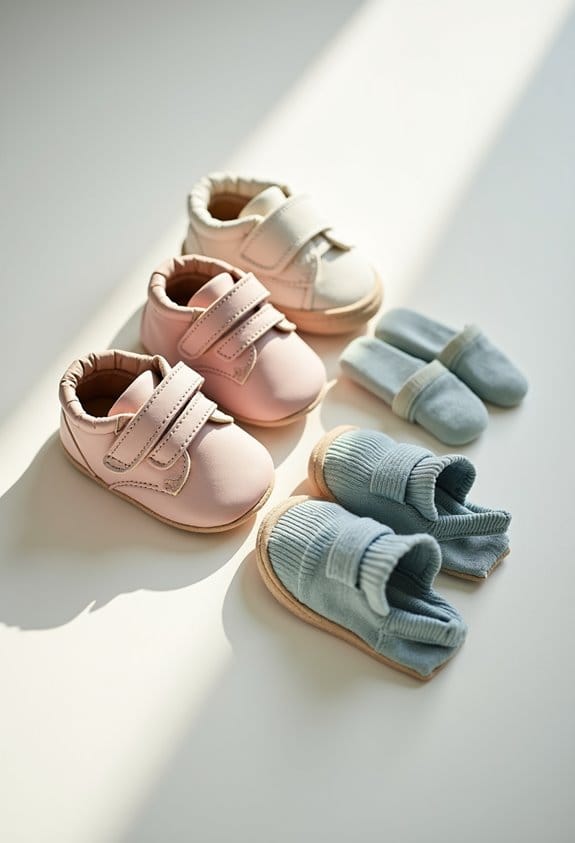
When choosing footwear for your precious nugget, barefoot shoes offer a smart balance between protection and natural growth. These shoes, designed with thin, flexible soles, support healthy foot development by promoting natural foot movement. The wide toe box allows little toes to spread freely, encouraging natural foot development without squeezing. This design helps strengthen foot muscles and arches, key for early balance. Barefoot shoes also provide sensory stimulation similar to walking barefoot, which aids brain development and enhances motor skills. For toddler wear, maintaining a natural gait is essential, and barefoot shoes allow this by not restricting foot motion. Their lightweight feel keeps your child comfortable, supporting active play and the overall growth of strong, healthy feet. Additionally, choosing footwear with non-slip soles ensures toddler safety during their first walking adventures.
Recommended Products

Product Type: Flat Shoes, Velcro Shoes, Barefoot Shoes, Velcro Learning Shoes, Flexible, Lightweight

Cushioned inner sole for maximum comfort

Like barefoot shoes
Comparing Barefoot Shoes to Traditional Toddler Footwear

While traditional toddler shoes often focus on durability and style, barefoot shoes prioritize natural foot movement and development. Unlike traditional shoes with rigid soles, barefoot shoes allow your precious nugget’s child’s foot to flex freely. This flexibility supports natural foot development and proper musculoskeletal growth, helping the foot arch form just right. Barefoot shoes also feature a wide toe box, giving little toes room to spread and balance better. In contrast, traditional shoes can change walking patterns and limit sensory feedback, which is vital for coordination and motor skills. Choosing barefoot shoes helps your child feel the ground naturally, encouraging healthy walking habits and foot strength. For toddlers learning to walk, this gentle support can make a big difference over time. Lightweight, flexible shoes with ample toe room promote strengthening and balance, contributing to healthy foot development.
Recommended Products

CASUAL SHOES for women with elastic straps for an easy fit, a unique silhouette, and anatomic modelling for all the benefits of walking barefoot

Colour: Black

PREMIUM LEATHER sneakers for men with a unique silhouette and saddles. Crafted for supple flexibility and stylish look, with durable and long-lasting leather uppers
When to Transition Your Baby to Barefoot Shoes

How do you know the right moment to swap your precious nugget to barefoot shoes? Typically, this happens once your little one starts independent walking, usually between 11 and 15 months. At this stage, barefoot shoes can support foot development by allowing natural foot movement. Introducing barefoot shoes too early might hinder sensory input and muscle strength, so ample barefoot time in safe places is key before changing. When you do swap, look for shoes with a flexible sole and a wide toe box to promote healthy foot growth. Some toddlers may need patience and gradual adaptation to accept barefoot shoes, especially if started later. Regularly measuring your child’s feet guarantees a proper fit, helping your precious nugget step comfortably and confidently toward healthy foot development. Choosing shoes with wide toe boxes and zero-drop soles enhances natural foot development and balance.
Recommended Products

AMERICAN MADE with USA and globally sourced components by the skilled craftsmen and women at Thorogood’s US plants

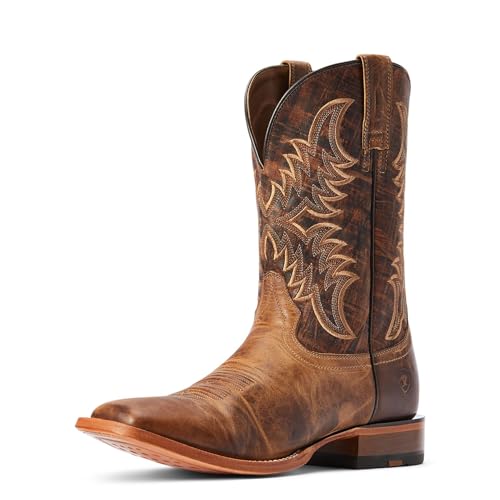
LONG-WEARING WESTERN BOOTS: Point Ryder has that lived-in look from day one. Distressed artisan leather makes each pair one of a kind; bold stitching ups the style factor. It is good-looking and has a leather sole that stands up to rocky terrain
Key Features to Look for in Baby Barefoot Shoes

Although many shoes claim to be baby-friendly, barefoot shoes must have specific features to support your precious nugget’s foot health. Look for flexible soles that bend easily, allowing natural growth and promoting healthy foot movement. A wide toe box is important so your baby’s toes can spread and move freely, helping balance and comfort. Lightweight materials encourage mobility by making walking easier for little feet. Heel support is necessary but should work with a snug fit to keep shoes secure without restricting movement. Breathable materials like leather or textile reduce sweating, helping maintain foot health throughout wear. Choosing barefoot shoes with these key features guarantees your baby enjoys natural foot development and comfortable steps as they explore their world. Additionally, zero-drop designs help foster a natural movement pattern essential for healthy foot development.
Recommended Products

Protected: Post Applied Treatment

Smooth, buttery-soft leather in an array of festive colors and neutrals makes this slingback irresistible. Treat yourself to the plush comfort and go-anywhere style of our sleek Inlet sandal.

With a timeless and chic design, the Anne Klein® Sport Timeout Wedge Heel will keep you comfortable and stylish for any occasion.
Potential Challenges and Adaptation Tips for Barefoot Shoes
Adapting to barefoot shoes can take some time for your precious nugget, especially if they have worn traditional shoes before. The shift may feel strange to a toddler, leading to some initial resistance. Introducing barefoot shoes gradually, in a playful way, helps ease adaptation. These shoes feature a wide toe box and flexible sole, encouraging natural toe movement and comfort during the shift. You should watch foot growth carefully and check the fit often to prevent discomfort. Allowing ample barefoot time in safe spaces supports muscle strengthening and improves balance, aiding the adjustment process. Patience is key; with careful monitoring of fit and comfort, barefoot shoes can become a positive part of your toddler’s healthy foot development journey. Additionally, selecting shoes with breathable materials is important to keep your toddler’s feet dry and comfortable throughout this transition.
Recommended Products

PREMIUM LEATHER sneakers for men with a unique silhouette and saddles. Crafted for supple flexibility and stylish look, with durable and long-lasting leather uppers

PREMIUM LEATHER sneakers for men with a unique silhouette and saddles. Crafted for supple flexibility and stylish look, with durable and long-lasting leather uppers
PREMIUM LEATHER sneakers for men with a unique silhouette and saddles. Crafted for supple flexibility and stylish look, with durable and long-lasting leather uppers
The Role of Barefoot Time in Sensory and Motor Development
When babies spend more time barefoot, they explore the world through their feet, which are packed with around 200,000 nerve endings. This sensory development is essential for your precious nugget’s growth. Walking barefoot helps strengthen the child’s natural foot muscles and improves balance by allowing free movement. The development of a child’s proprioceptive awareness also benefits, as feet develop a sharper sense of pressure and position. Pediatric experts often recommend maximizing barefoot time during early walking stages. As your baby encounters different textures and uneven surfaces, neural endings in the feet send important information to the brain, boosting coordination and motor skills. These experiences lay the foundation for strong, adaptable feet and healthy movement patterns that support lifelong mobility and confidence. In addition, choosing shoes with breathable fabrics ensures that when barefoot time is limited, your toddler’s feet remain comfortable and healthy.
Expert Opinions on Barefoot Shoes for Infant Foot Health
Why do experts recommend barefoot shoes for your precious nugget once they start walking? Barefoot shoes support natural development by allowing your infant’s foot to move freely. This flexible design helps strengthen muscles and form arches without restricting toe splay. Podiatrists highlight how barefoot shoes enhance sensory input, giving your child’s feet better feedback about the ground. This sensory boost improves balance and motor skills essential for confident walking. Studies show barefoot shoes encourage a more natural gait, reducing risks like flat feet. Parents and professionals note infants adapt well to different surfaces with barefoot shoes, which promotes overall foot health and coordination. For your little one’s walking journey, barefoot shoes can be a thoughtful choice that respects tiny feet and supports strong, healthy development. Additionally, choosing barefoot shoes with breathable materials helps keep sensitive skin dry and irritation-free, enhancing comfort during active play.
Frequently Asked Questions
Is It Better for Babies to Walk Barefoot or Shoes?
Early walking benefits from barefoot natural movement, enhancing sensory development and foot growth. Shoe flexibility and posture support matter when safety concerns arise. Cultural practices and environment impact preferences, but barefoot walking generally fosters healthier foot and motor skills development.
Can Barefoot Shoes Help With Baby’s Balance?
Contrary to concerns about protection, barefoot shoes safely enhance early walking by promoting foot flexibility, sensory feedback, and proprioceptive awareness. This supports balance development, muscle strength, natural gait, and stability improvement on safe surfaces, fostering better coordination.
What Are the Negatives of Barefoot Shoes?
The negatives of barefoot shoes include comfort concerns, inconsistent foot development due to manufacturer differences, increased risk of injury, limited climate adaptability, variable material durability, cost considerations, and style limitations, which collectively challenge their overall effectiveness.
What Do Podiatrists Say About Going Barefoot?
Podiatrists emphasize natural movement and sensory feedback for ideal foot development, promoting toe splay and muscle strength through ground contact. Pediatric advice favors shoe flexibility and minimal arch support, prioritizing barefoot time to enhance these benefits.