As an Amazon Associate, we earn from qualifying purchases. Some links on this site are affiliate links at no extra cost to you. Our recommendations are based on thorough research and editorial judgment.

How Ankle Support Affects Baby’s Walking Development

Ankle support is key as your precious nugget learns to walk, especially between 9 and 18 months. Proper support helps stabilize tiny ankles while allowing natural movement essential for muscle and bone growth. Overly stiff or high-top shoes can limit ankle motion, making walking harder and tiring your toddler faster. Lightweight, flexible shoes with stable heel cups promote confident steps and balance. Discovering the best features for your toddler’s shoes can make all the difference in their walking journey.
Key Takeaways
- Proper ankle support enhances stability and promotes natural movement crucial for early walking development in babies.
- Flexible ankle support allows ankles to move naturally, fostering healthy muscle and bone growth during walking.
- Overly restrictive high-top shoes can limit ankle motion, hindering balance and coordination skills between 9 to 18 months.
- Lightweight, flexible footwear encourages active exploration by reducing fatigue and supporting natural foot function.
- Innovative designs like Jbrds provide stability and flexibility, protecting ankles while allowing important movement for walking progress.
The Role of Ankle Support in Early Walking
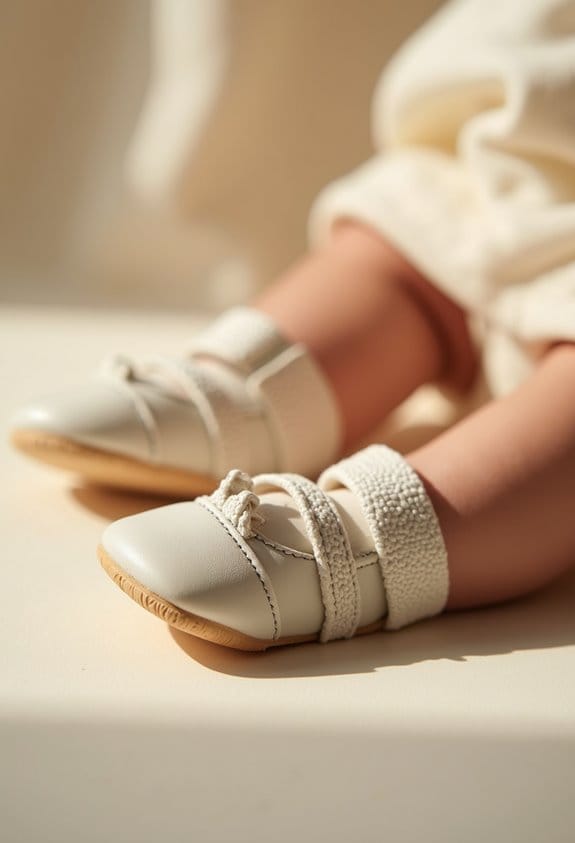
Though every baby’s first steps are unique, how you support their ankles plays a big role in their early walking progress. Proper ankle support helps your precious nugget gain stability while allowing natural movements. This balance is essential for healthy foot development and building muscles and bones needed for confident walking. Choosing baby shoes with flexible designs and lightweight, stable heel cups guarantees your little one’s ankles can flex naturally. Avoid shoes that restrict ankle motion, as they may hinder strength and coordination needed during this critical phase. Good ankle support helps shift from unsteady waddling to steadier steps by keeping the foot aligned in a natural position. Pediatric experts recommend shoes that combine support with freedom, encouraging the best start for your toddler’s walking journey. Soft soles made from genuine leather also promote healthy foot development by mimicking barefoot conditions while providing necessary ankle support.
Recommended Products

Encourage style and comfort for your little one wearing the faux-leather Stride Rite SR-Taye 2.0 hook-and-loop sneaker.

Easy Comfort: The upper of our baby shoes is made of synthetic leather and textile materials, which is duralble and breathable, and the collar features padding for slip-in comfort around the ankle
Common Misconceptions About High-Top Shoes
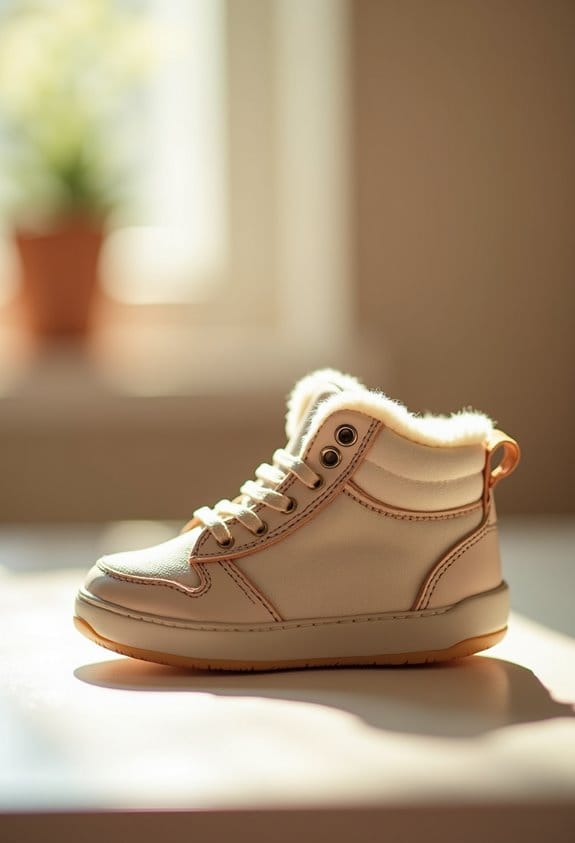
Why do many parents choose high-top shoes for their toddlers? A common misconception is that high-top shoes offer better ankle support for those first wobbly steps. These shoes may seem like a support team for your precious nugget’s ankles, but often they restrict natural movement. High-top shoes can turn natural ankle wobbles into rigid steps, slowing muscle strength development. Studies show that limiting ankle motion can interfere with balance learning, essential from about 9 to 18 months when babies take their first steps. These bulky shoes may also tire toddlers quicker, reducing time spent exploring. Pediatricians now suggest lightweight, flexible shoes that protect without locking the ankle. Understanding these common misconceptions helps parents choose footwear that truly supports healthy walking development. Many experts recommend non-slip soles and breathable materials to enhance safety and comfort during this crucial stage.
Recommended Products

Breathable & Comfortable:These unisex baby socks shoes with non slip rubber soft Sole, knitted with soft breathable combed cotton. The insole is a memory insole, which fits the shape of the baby's feet, fit snugly and comfortably, adapting to your toddler’s natural foot movements. Super flexible , lightweight and comfortable fit all seasons.

Breathable and comfortable:Knitted Mesh Upper offers comfort and air permeability.Keep your child away from foot smelly.Also,high-quality upper provides good ductility to support children's active walking, running,and playing

Wide Round Toe: The unique design of the toe can make the baby's feet free movement, body balance is not afraid of falling, anti-collision to help crawling
The Importance of Flexibility and Natural Movement
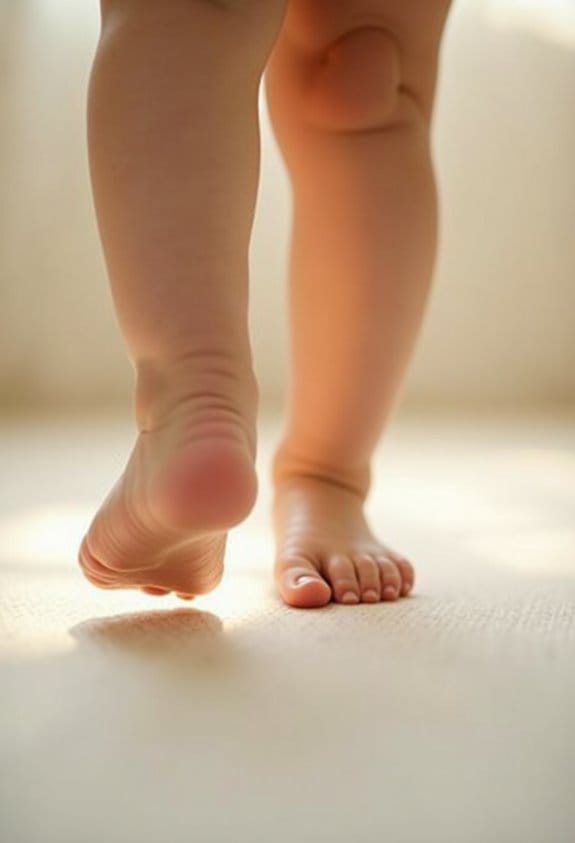
Because your precious nugget’s foot muscles and ankles are still developing, flexible footwear plays a key role in healthy walking progress. Flexible shoes allow your little feet to move naturally, which strengthens muscles and helps bones grow properly. When shoes are too stiff or restrictive, they can interfere with the natural foot’s ability to flex and balance, slowing down confidence in walking. Experts recommend shoes that offer heel stability but still let the ankle move freely. When possible, letting your toddler go barefoot supports sensory growth and improves their sense of body position. Choosing flexible shoes made from lightweight, soft materials means your child’s little feet get needed protection without sacrificing freedom. This balance helps them take confident, natural steps on their walking journey. Additionally, shoes with anti-slip soles provide essential safety without compromising flexibility, especially when exploring slippery or uneven surfaces.
Recommended Products

Breathable & Comfortable:These unisex baby socks shoes with non slip rubber soft Sole, knitted with soft breathable combed cotton. The insole is a memory insole, which fits the shape of the baby's feet, fit snugly and comfortably, adapting to your toddler’s natural foot movements. Super flexible , lightweight and comfortable fit all seasons.

【Wide Toe Box & Zero Drop: Healthy Foot Growth】A roomy wide toe box fits narrow, wide, or chubby little feet—no cramped toes! The zero-drop sole mimics a natural barefoot stride, supporting healthy arch and foot development. Great for playground runs or backyard play, letting tiny toes splay freely.

Breathable: These toddler walking sock shoes keep baby feet cool and comfortable during daily activities with excellent breathability.
Features to Look for in Supportive Toddler Footwear
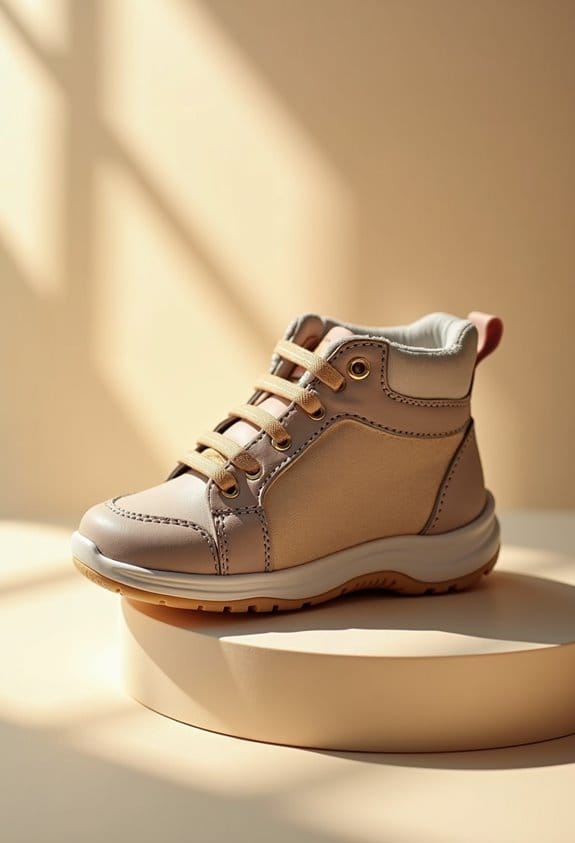
Several key features make toddler footwear both supportive and comfortable for your little one’s developing feet. A good baby shoe should have a stable heel cup that keeps the ankle steady but doesn’t restrict natural movement. Look for an anatomical last that matches your child’s feet shape to avoid discomfort during their first steps. Lightweight, breathable materials help keep feet cool and allow flexibility, making walking easier for your precious nugget. Shoes fit matters a lot—confirm the shoes allow forefoot flex so your toddler can push off naturally, building strong walking skills. Finally, choose soles that are flexible with a non-slip bottom to prevent slips and support balance. These details confirm shoes support your toddler’s growth and comfort. In addition, a wide toe box promotes natural toe spreading and reduces pressure, which is essential for healthy foot development.
Recommended Products

Elevate your cool and casual style in the Stride Rite 360 Nick (Infant/Toddler) shoes.

Breathability: These infant sneakers are designed breathable upper, allowing your little one's feet to stay cool and dry throughout the day.

Lightweight Non-Slip Sole for Active Toddlers: For toddlers who love to run, climb, and play, heavy shoes can feel tiring. Each shoe weighs about 75g / 2.6 oz, with a flexible EVA outsole and non-slip textured tread to help support steady steps on playgrounds, sidewalks, and everyday surfaces
How Innovative Designs Like Jbrds Enhance Walking Development
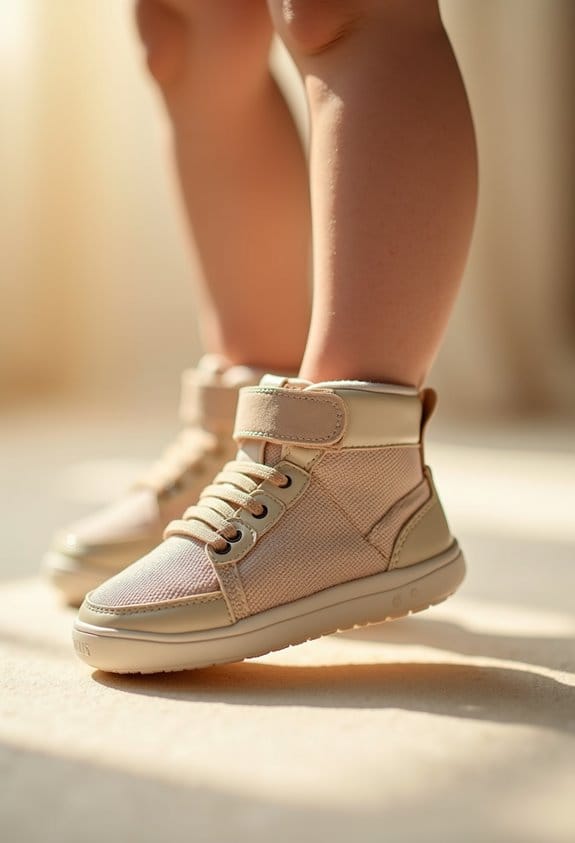
When you choose innovative designs like Jbrds, you give your little one’s feet the support they truly need. Jbrds shoes with the right balance of stability and flexibility are perfect for New Walkers learning to take those first steps. Their unique Stand2Walk™ cage support system helps protect the child’s foot while allowing natural ankle movements. This design supports key bones like the cuboid, essential for balance and coordination. Plus, Jbrds shoes are lightweight, reducing fatigue so your precious nugget can explore longer. Unlike traditional high-tops that can restrict muscle development, Jbrds offer heel stability without locking the ankle. This encourages stronger ankle muscles and promotes healthy walking patterns. For parents, this means choosing footwear that truly nurtures early walking milestones and foot development. Additionally, features such as non-slip soles enhance safety by providing better grip and preventing falls during exploration.
Recommended Products

Breathable & Comfortable:These unisex baby socks shoes with non slip rubber soft Sole, knitted with soft breathable combed cotton. The insole is a memory insole, which fits the shape of the baby's feet, fit snugly and comfortably, adapting to your toddler’s natural foot movements. Super flexible , lightweight and comfortable fit all seasons.

〓 Comfy Baby Barefoot Sneakers: Crafted with soft mesh uppers and honeycomb insoles, these sneakers ensure 360°airflow to keep tiny feet dry and odorless during play. The ideal pair for all seasons

〓 Comfy Baby Barefoot Sneakers: Crafted with soft mesh uppers and honeycomb insoles, these sneakers ensure 360°airflow to keep tiny feet dry and odorless during play. The ideal pair for all seasons
Frequently Asked Questions
Should Babies Wear Shoes With Ankle Support?
Babies should not wear shoes with rigid ankle support; while ankle support benefits stability, excessive rigidity impedes shoe flexibility, potentially delaying developmental milestones. Ideal footwear balances heel stability with freedom for natural ankle movement during early walking stages.
Can Shoes Affect a Baby’s Walking Development?
Proper shoe fitting and supportive shoe designs positively influence baby walking posture by allowing natural foot movement while providing necessary protection. Ill-fitting or rigid shoes can hinder balance and muscle development, potentially delaying walking skills.
Can Shoes Delay Walking?
Studies show that over 50% of toddlers wearing inflexible shoes experience delayed early walking. Shoe flexibility and appropriate walking surfaces critically influence developmental milestones by encouraging natural movement and sensory feedback essential for timely walking progression.
Do Babies Learn to Walk Better Barefoot?
Babies learn to walk better barefoot because barefoot benefits include promoting natural movement and enhancing foot flexibility. Barefoot walking allows infants to develop stronger muscles and sensory awareness, facilitating improved balance and coordination essential for walking milestones.