As an Amazon Associate, we earn from qualifying purchases. Some links on this site are affiliate links at no extra cost to you. Our recommendations are based on thorough research and editorial judgment.

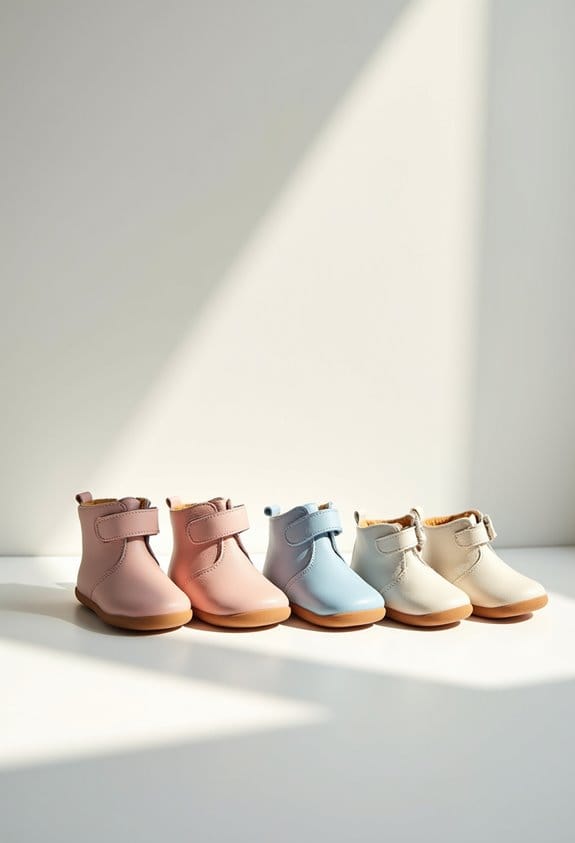
The Connection Between Shoes and Hip Development

Shoes directly affect your precious nugget’s hip development by supporting foot alignment and reducing strain. Proper footwear offers arch support and cushioning, which helps maintain healthy hip positioning as your child grows. Shoes without these features can cause overpronation or misalignment, leading to hip discomfort and uneven body balance. Watch for signs like uneven shoe wear or hip tiredness. Choosing well-fitted, supportive shoes promotes comfort and stability, nurturing healthy hips from early stages onward. More details can help you make the best choices.
Key Takeaways
- Proper footwear with arch support maintains hip alignment and prevents strain from overpronation or flat arches.
- Worn-out shoes lose shock absorption, increasing the risk of hip misalignment and discomfort.
- Poorly designed shoes can cause foot misalignment, leading to compensatory hip rotation and muscle imbalances.
- Shoes with firm heel counters and cushioning reduce impact stress, supporting healthy hip joint development.
- Uneven shoe wear and hip soreness often indicate improper shoe fit and foot mechanics affecting hip health.
Understanding the Role of Footwear in Hip Development
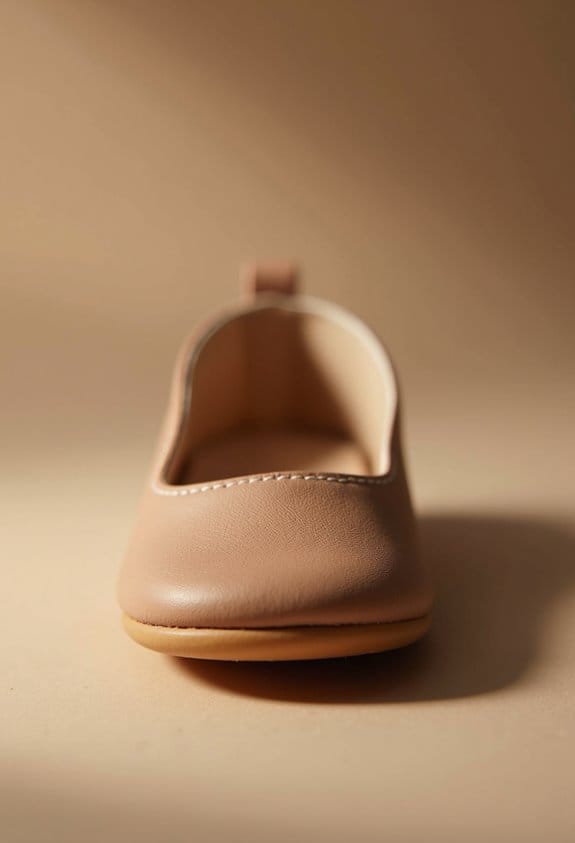
Choosing the right shoes plays an important role in supporting your precious nugget’s hip development. Proper footwear choices provide essential arch support, which helps keep hips aligned and reduces the chance of hip pain. Shoes lacking arch support, like many flats or flip-flops, can cause overpronation, forcing the knees and hips to rotate inward, which strains hip joints. Also, worn-out or stiff shoes lose shock absorption and stability, increasing misalignment risks. High heels, though less common for little ones, can shift weight forward and tighten hip flexors, leading to discomfort later. Prioritizing shoes with good cushioning and solid arch support helps protect growing hips. By keeping these factors in mind, you can give your kiddo a strong foundation for healthy, comfortable hip development. Including non-slip soles in footwear can further enhance stability and support proper alignment throughout movement.
The Kinetic Chain: How Feet Influence Hip Alignment

Movement is a beautifully connected process in the body, especially when it starts at the feet and travels up to the hips. The kinetic chain links foot alignment directly to the hip joints. When feet have issues like flat arches or overpronation, the hips and knees compensate by rotating differently. This change can stress precious little muscles, causing discomfort and misalignment. Conversely, high arches limit shock absorption, sending more force to the hips and lower back. Poor footwear often worsens these problems by not supporting proper foot mechanics, allowing imbalances to grow. Observing uneven shoe wear can hint at hidden foot concerns that impact hip health. Understanding this chain helps you protect your child’s hips by choosing shoes that support their natural movement and alignment. Selecting shoes with non-slip soles and lightweight designs promotes safe and natural foot function throughout early development.
Common Foot Problems That Affect Hip Health
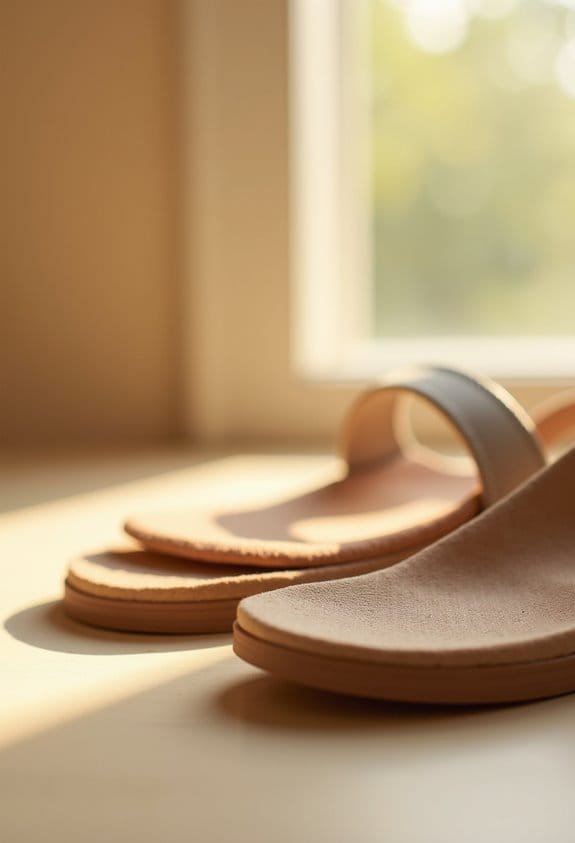
Your child’s feet are precious nuggets that carry a lot of responsibility, and common foot problems can quietly affect hip health over time. Conditions like flat arches or overpronation change foot mechanics, causing strain on leg and hip muscles. High arches can reduce shock absorption, leading to more impact on the hips. When you notice uneven wear on shoes or worn-out shoes, it might signal misalignment in your child’s feet. This misalignment often causes uneven leg length or body imbalances, which can result in joint pain around the hips. These subtle problems quietly disrupt natural movement patterns, increasing the risk for hip discomfort and future complications. Watching for these signs and addressing foot issues early helps protect your child’s developing hips and overall comfort. Choosing shoes with non-slip soles and proper support can further reduce strain and promote healthy hip development.
The Effect of Poorly Designed Shoes on Lower Body Mechanics
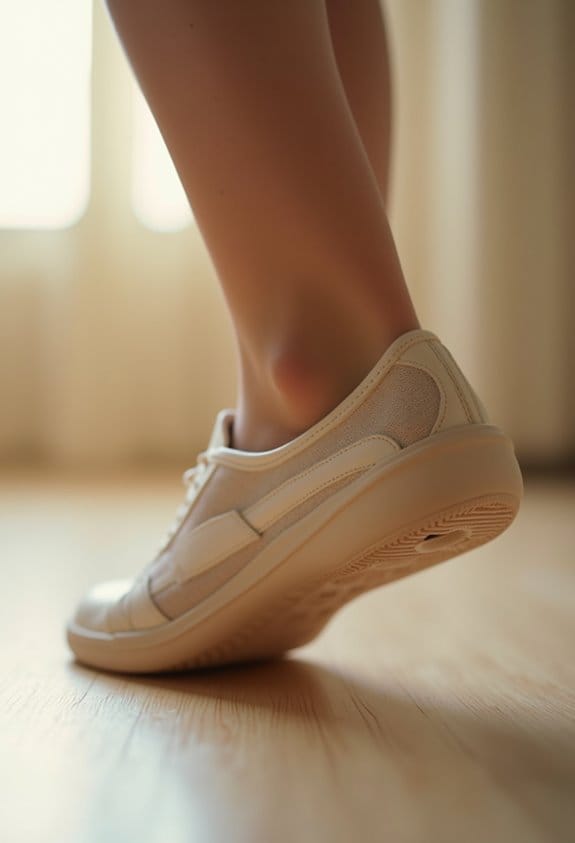
Poorly designed shoes can quietly put your child’s lower body mechanics out of balance. When shoes lack proper shock absorption and arch support, they cause foot misalignment that travels up through the ankles to the hips. This misalignment can lead to hip discomfort as the joints and muscles work harder to compensate. Shoes that are too tight or worn-out also limit natural foot movement, pushing the hips out of their ideal position. Over time, these changes may create muscle imbalances and chronic aches, especially in a precious nugget still growing between ages 3 and 12. Choosing footwear with good cushioning, room for toes, and proper support helps maintain healthy lower body alignment, reducing strain and supporting your child’s hip development gently and effectively. Selecting shoes with features such as non-slip rubber soles and reinforced toes can also enhance stability and prevent falls.
Overpronation and Its Impact on the Hips

Overpronation often affects how a child’s feet, knees, and hips line up when they walk or run. This excessive inward rolling of the foot can disrupt the kinetic chain, causing the hips to work harder and sometimes leading to hip pain. Children with flat arches are especially prone to overpronation, which can increase strain on their developing joints. Without proper footwear that offers good arch support, this condition may worsen, potentially causing issues like hip bursitis. Choosing shoes that support your precious nugget’s arches helps realign their legs and hips, easing stress on those important joints. By addressing overpronation early with the right shoes, you help keep your child’s hips comfortable and promote healthy movement patterns as they grow. Selecting shoes with flexible soles encourages proper foot alignment, which supports healthy hip development in toddlers.
The Consequences of High Arches and Supination
While much attention is given to flat feet and overpronation in children, high arches and supination also deserve notice. When your precious nugget has high arches, their feet may not absorb shock well. This adds extra stress on hip joints and the lower back. The weight tends to shift outward, causing muscle imbalances and awkward hip alignment. Over time, these changes can lead to pain and even conditions like patellofemoral pain syndrome. Proper footwear becomes essential for children with supination. Shoes that support their arch well help distribute impact evenly, protecting hips from strain. Paying close attention to footwear choices can ease discomfort and promote healthier hip development in your growing child. This care supports comfort and mobility as they explore and play. Selecting shoes with firm 3.5 cm arch support ensures good stability and adequate shock absorption for children with high arches.
Identifying Footwear That Supports Healthy Hip Alignment
Several key features in children’s footwear help support healthy hip alignment as your precious nugget grows. Proper Foot support, especially with good arch structure, prevents overpronation that twists the hips inward. Shoes designed to absorb shock reduce harmful impact, easing pressure on delicate hip joints and hip flexors. Look for footwear with torsional stability to keep feet from rolling too much during walking or running. A wide toe box encourages natural toe splay which helps balance and lowers strain on growing hips. Choosing shoes that fit well and provide these supports can protect your child from developing chronic pain linked to poor alignment. By focusing on these features, you help set your little one on the right path for comfortable, healthy development. Additionally, selecting shoes made with non-slip rubber soles ensures better safety and stable footing, which indirectly supports proper hip alignment during toddler movement.
Everyday Activities That Can Exacerbate Hip Issues Due to Footwear
Proper footwear is not just about the shoes themselves, but also how daily activities interact with them to affect your precious nugget’s growing hips. Foot problems often arise when children wear flat shoes that lack arch support during common activities like walking or standing. These shoes can cause overpronation, putting uneven stress on the hip. When body weight shifts unnaturally, hips endure extra strain, sometimes leading to discomfort or misalignment. High-heeled or rigid shoes during running or climbing stairs also worsen hip issues by altering posture and joint impact. If you notice persistent hip pain, physical therapy may help realign movement and reduce strain. Supporting your child with the right shoes during everyday routines helps protect their hip development and prevents future problems linked to poor footwear choices. Choosing shoes with non-slip technology can also contribute to better stability, reducing undue stress on developing hips.
Signs That Your Shoes May Be Causing Hip Discomfort
How can you tell if your child’s shoes might be causing hip discomfort? Look for uneven wear on the soles, which suggests improper foot alignment. This misalignment can put extra stress on the hips, causing pain. If one hip or leg feels tighter or more tired, it may be a sign the shoes aren’t supporting their precious nugget’s feet properly. Notice if the ankles roll inward while walking—that often means overpronation, increasing hip strain. Also, soreness in the knees or lower back alongside hip pain hints at shoe-related alignment issues. Finally, if your child feels better barefoot or on soft surfaces, their shoes might lack proper structure. Paying attention to these signs helps guarantee their hips stay happy and healthy during vital growth years. Choosing shoes with flexible soles can support natural foot movement and reduce hip discomfort.
The Importance of Proper Shoe Support and Cushioning
Because young feet are still growing and developing, the shoes your precious nugget wears play a big role in supporting healthy hips. Proper shoe support, especially arch support, keeps feet aligned and helps avoid overpronation, which can throw off the whole kinetic chain to the hips. Shoes with good shock absorption in the midsoles soften impacts during walking or running, reducing stress on fragile hip joints. A wide toe box is also important, as it lets little toes spread naturally, improving balance and weight distribution. When shoes provide firm heel counters and torsional stability, they prevent excessive foot rolling, which could cause hip discomfort later. Choosing shoes with these supportive features offers young children a strong foundation for healthy hip development through daily activities. Additionally, using shoes with lightweight cushioning and breathable materials can help reduce fatigue and maintain comfort as toddlers stay active.
Tips for Choosing Shoes That Promote Optimal Hip Development
When selecting shoes for a precious nugget, you want to focus on features that support healthy hip growth from the ground up. Choose shoes with firm arch support to help keep their feet properly aligned, which benefits hip development. Substantial cushioning in the midsoles is important to absorb shocks and reduce hip strain during walking and running. Look for footwear that offers torsional stability to prevent the foot from rolling too much, avoiding hip misalignment. Also, a wide toe box allows natural toe splay, giving better balance that supports healthy hips. Be sure to check shoes often, and replace them every 300–500 miles, since worn-out shoes can weaken foot support and lead to hip problems. These simple steps promote ideal hip health for your growing child.
Frequently Asked Questions
Can Shoes Affect the Hips?
Although often underestimated, shoe design considerably influences hip alignment. Footwear impact, particularly inadequate arch support, alters lower limb mechanics, potentially causing hip misalignment and discomfort. Properly designed shoes help maintain ideal hip positioning and reduce strain.
What Is the Old Wives Tale About Shoes?
The old wives’ tale suggests shoe myths claim rigid shoe materials hinder natural foot health in children, causing developmental issues. It recommends flexible children’s footwear or barefoot walking to support proper muscle strength and alignment during growth.
Can Foot Problems Cause Hip Problems?
Foot problems can cause hip problems by disrupting foot alignment and reducing arch support, leading to muscle imbalance. This imbalance affects body posture, causing compensatory movements that place strain on the hips, potentially resulting in pain and dysfunction.
What Shoes Are Good for Hip Problems?
A patient with chronic hip pain found relief wearing orthopedic shoes featuring arch support and cushioned insoles. Proper fit guaranteed stability, demonstrating how these elements collectively reduce hip strain and promote healthier movement patterns for hip problems.