As an Amazon Associate, we earn from qualifying purchases. Some links on this site are affiliate links at no extra cost to you. Our recommendations are based on thorough research and editorial judgment.


How to Tell if Shoes Are Causing Discomfort in Non-Verbal Babies

You can tell if shoes are causing discomfort in your non-verbal baby by watching for fussiness, attempts to pull off shoes, or reluctance to move. Check for redness, blisters, or unusual foot positioning. Shoes should have a flexible sole with enough toe space and be made from soft, breathable materials. A precious nugget’s tense body or crying during shoe time also signals trouble. Keep an eye out, and you can learn helpful ways to guarantee a comfy fit.
Key Takeaways
- Look for frequent crying, fussiness, or attempts to pull off shoes as signs of discomfort in non-verbal babies.
- Observe foot redness, blistering, or visible irritation indicating improper shoe fit or material issues.
- Note changes in mobility, reluctance to walk or crawl, and awkward foot positioning as discomfort indicators.
- Check for body language cues like arching back, stiffening legs, grimacing, or continuous foot rubbing during shoe wear.
- Regularly assess shoe fit, ensuring a thumb’s width space and flexible, soft materials to prevent discomfort.
Recognizing Signs of Discomfort in Non-Verbal Babies

Watch closely as your precious nugget tries to tell you something about their shoes. Non-verbal babies often show signs of discomfort through their behavior with shoes. If you notice increased fussiness, crying, or attempts to pull off footwear, these are clear signs of irritation or a poor fit. Physical reactions like arching the back or stiffening the legs can also signal distress caused by shoes. A drop in mobility—such as reluctance to crawl or walk—may indicate discomfort affecting your baby’s movement. Grimacing or frowning when shoes are put on or during play further suggests the shoes aren’t sitting right. By paying attention to these non-verbal cues, you can better understand when shoes may cause irritation and take steps to guarantee your little one’s comfort and healthy mobility. Choosing shoes with non-slip rubber soles can help reduce discomfort and prevent safety issues during walking and play.
Observing Behavioral Indicators of Shoe-Related Distress

Babies show their feelings in many ways, especially when they can’t use words yet. In non-verbal babies, behavioral indicators can help you spot discomfort from shoes or footwear. Watch for increased irritability or fussiness when shoes go on or stay on. Your precious nugget might pull at or try to remove the shoes often, signaling distress. Notice if they hesitate to crawl or walk with shoes, preferring bare feet instead. Body language is a big clue—tensing up, arching the back, or kicking can mean the shoes cause discomfort. Also, pay attention to changes in their usual engagement and mood, like less playing or altered sleep. These signs together help you know if the footwear is causing your little one distress without needing words. It is important to ensure that shoes have soft soles to promote natural foot development and comfort during early walking stages.
Recommended Products

Breathable & Comfortable:These unisex baby socks shoes with non slip rubber soft Sole, knitted with soft breathable combed cotton. The insole is a memory insole, which fits the shape of the baby's feet, fit snugly and comfortably, adapting to your toddler’s natural foot movements. Super flexible , lightweight and comfortable fit all seasons.

MATERIAL: Genuine suede leather, soft and lightweight with a durable sole so walking feel natural

Lace-Free Design:The baby shoes have convenient elastic lace-free design for easy on and off,fits snugly on baby's feet.Suit for crawling,walking,running,playing and won't fall off
Physical Symptoms Linked to Improper Shoe Fit

How can you tell if your precious nugget’s shoes are causing physical discomfort? Watch for clear physical reactions like redness, blistering, or calluses on their feet. These signs often mean the shoes have an improper fit, causing irritation and pressure. Your baby might rub or pull at their feet, signaling discomfort. Persistent crying during shoe changes can also point to pain. Notice changes in walking patterns—if your baby favors one foot or changes posture, it could be due to poor shoe support. Reluctance to walk or crawl, or a preference to go barefoot, often shows that mobility is hindered by shoe discomfort. Keeping an eye on these symptoms helps you verify your little one’s shoes fit well and don’t cause harm or irritation to those growing feet. Ensuring shoes have a secure fit is crucial to prevent discomfort and support healthy foot development.
Recommended Products

Wide Round Toe: The unique design of the toe can make the baby's feet free movement, body balance is not afraid of falling, anti-collision to help crawling
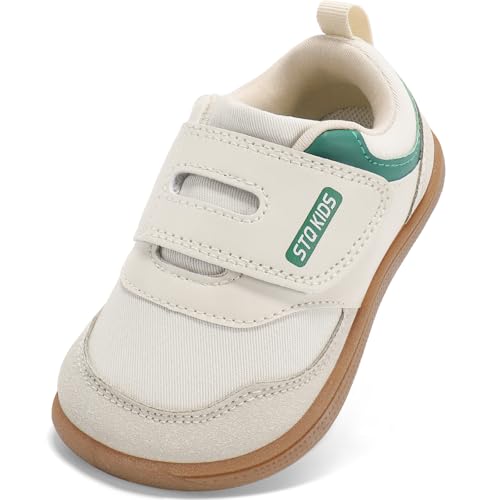
[ Wide Toe Box ]:The wide toe box design provides ample room for kids' toes to move freely, alleviating discomfort caused by pressure and promoting healthy foot development. They are breathable. Available in multiple sizes

[ Wide Toe Box for Chubby Feet ]: Designed specifically for toddler feet, our wide toe box prevents squeezing and discomfort. It allows little toes to splay and grip naturally, promoting healthy arch development and better balance during their crucial first steps
The Role of Shoe Material in Baby Comfort

An often overlooked factor in keeping your precious nugget comfortable is the material of their shoes. Shoes made from soft, flexible materials allow natural foot movement without causing painful pressure points. Breathable fabrics, like cotton or mesh, help regulate temperature and moisture, lowering irritation risks. Choose non-toxic, hypoallergenic materials to prevent allergic reactions on delicate skin. Shoes with minimal seams and soft linings reduce friction, enhancing overall comfort. Lightweight shoes are also crucial, as heavy ones can weigh down little feet and interfere with balance and walking skills. Paying close attention to these material qualities helps guarantee your baby’s footwear supports their comfort, growth, and happiness during those early exploratory steps. It is also important to select shoes that are free from harmful chemicals like phthalates and lead to ensure the utmost safety for sensitive baby skin.
Recommended Products

Breathable Upper & Non-slip Sole:The sock shoes feature a breathable, skin-friendly combed cotton upper to keep your child's feet comfort and dry.Otherwise, soft and lightweight rubber sole,lightweight cushioned design, preventing your baby from slipping, a safe and cute sock sneakers for baby boys baby girls.

Breathable & Comfortable:These unisex baby socks shoes with non slip rubber soft Sole, knitted with soft breathable combed cotton. The insole is a memory insole, which fits the shape of the baby's feet, fit snugly and comfortably, adapting to your toddler’s natural foot movements. Super flexible , lightweight and comfortable fit all seasons.

Breathable: These toddler walking sock shoes keep baby feet cool and comfortable during daily activities with excellent breathability.
How to Check for Redness and Irritation on Baby’s Feet

Foot health is important when choosing shoes for a precious nugget just learning to walk. Regular inspection of your baby’s feet helps spot redness, especially where shoes might press tight—around toes, heels, and ankles. Look closely for swelling or puffiness caused by pressure from shoes worn too long. Gently press your fingers on their feet to check for hot spots indicating irritation or friction from shoe material. Watch your baby’s behavior for valuable signs of discomfort—fidgeting, fussing, or frequent attempts to remove shoes could mean something’s wrong. Also, carefully inspect for blisters or broken skin, as these are clear signs of irritation needing attention. This simple, loving check keeps your little one comfortable and helps you choose shoes that protect, not hurt. Ensuring shoes have non-slip soles can also help maintain stability and prevent falls during early walking stages.
Recommended Products
Breathable & Comfortable:These unisex baby socks shoes with non slip rubber soft Sole, knitted with soft breathable combed cotton. The insole is a memory insole, which fits the shape of the baby's feet, fit snugly and comfortably, adapting to your toddler’s natural foot movements. Super flexible , lightweight and comfortable fit all seasons.

【SAFETY】-- Multiple Safety test, NO any stimulation to the skin of baby.

Breathable & Comfortable:These unisex baby socks shoes with non slip rubber soft Sole, knitted with soft breathable combed cotton. The insole is a memory insole, which fits the shape of the baby's feet, fit snugly and comfortably, adapting to your toddler’s natural foot movements. Super flexible , lightweight and comfortable fit all seasons.
Understanding Fussiness and Crying as Communication
When a precious nugget starts fussing or crying, it’s often their way of telling you something isn’t quite right. Non-verbal babies use fussiness as key communication, especially to show discomfort from physical sensations like irritation caused by shoes. You may notice signs such as increased crying when shoes are put on or worn longer. Behavior changes, like pulling at or trying to remove shoes, also signal aversion and discomfort. Watch for irritability during play or fussiness linked to shoe wear. These signs help you understand your baby’s needs without words. Paying attention to such behavior and physical cues lets you respond thoughtfully, ensuring your little one stays comfortable and happy while wearing shoes throughout those early months and years. Choosing shoes with proper support for early steps is essential to minimize discomfort and promote foot health.
Best Practices for Ensuring Proper Shoe Fit in Babies
Because babies’ feet grow quickly and are very sensitive, choosing shoes with the right fit is essential to keep your precious nugget comfortable. To ascertain a proper fit, check that there is about a thumb’s width of space between the longest toe and the shoe’s front. Opt for flexible materials that let your baby’s feet move naturally without causing irritation. Shoes with soft linings and seams set away from the skin help prevent chafing and discomfort. Adjustable closures like Velcro or elastic bands offer a snug fit without being too tight, accommodating growing feet. It’s important to regularly assess your baby’s footwear to make certain it remains supportive and does not pinch or rub, avoiding pain and keeping their feet happy through every growth spurt. Additionally, selecting shoes made with phthalate-free rubber soles ensures safety while providing necessary support.
When to Consult a Pediatrician or Specialist
Although it’s normal for babies to fuss sometimes, there are moments you’ll want to pay close attention to your precious nugget’s reactions to shoes. If your baby shows signs of distress like frequent crying, pulling at footwear, or reluctance to walk, it may signal discomfort that requires a pediatrician’s guidance. Skin irritation, redness, or sores from shoes also call for consulting a specialist to rule out allergies or sensitivities. Delays in motor skills or avoiding weight-bearing activities can indicate discomfort affecting healthy foot development. Regularly evaluating shoe fit is important, but when discomfort persists, professional evaluation guarantees your baby wears shoes that support growth and comfort. Remember, timely help promotes your precious nugget’s wellbeing and happy steps ahead. Choosing shoes made from breathable, gentle fabrics can help reduce irritation and improve comfort for sensitive infant skin.
Frequently Asked Questions
How to Tell if a Non-Verbal Child Is in Pain?
A non-verbal child in pain may exhibit crying cues, altered body language, facial expressions, fidgeting movements, withdrawal signs, changing posture, volume changes, reduced eye contact, altered cuddling behavior, and increased sensitivity reactions indicating distress.
What Is the 6 Second Rule for Autism?
The 6 second rule for autism involves allowing six seconds for processing due to communication challenges and sensory sensitivities. This enhances understanding of autism symptoms, behavioral cues, social interaction, emotional expression, supporting development milestones, therapy options, coping strategies, and family support.
How to Help an Autistic Child Wear Shoes?
Helping an autistic child wear shoes involves evaluating shoe preferences through sensory sensitivity and comfort testing, addressing fitting issues, encouraging tactile exploration, reinforcing footwear routines, considering attachment patterns, offering shoe alternatives, and utilizing visual interest for positive shoe evaluation.
What Is Chinning in Autism?
Chinning in autism symptoms involves repetitive chin-rubbing reflecting sensory processing needs, communication challenges, and emotional expression. It signals behavioral signs affecting social interaction and developmental milestones, guiding coping strategies, parental support, and intervention techniques for effective management.