As an Amazon Associate, we earn from qualifying purchases. Some links on this site are affiliate links at no extra cost to you. Our recommendations are based on thorough research and editorial judgment.


How Improper Shoes Can Cause Gait Issues Later

Improper shoes can change how your precious nugget walks, leading to lasting gait problems later. Shoes that are tight, stiff, or have high heels shift weight unevenly and limit natural foot movement. This can cause muscle imbalances, foot pain, and issues like bunions or flat feet as they grow. Poor shoe fit also reduces stability and sensory feedback, important for balance. Choosing well-designed shoes supports healthy development. More details explain how footwear impacts growing feet and walking habits.
Key Takeaways
- Improper shoes alter foot alignment, leading to abnormal walking patterns and increased strain on muscles and joints.
- High heels shift weight forward, causing imbalance and altered foot strikes that affect gait mechanics.
- Tight or narrow shoes restrict natural foot movement, resulting in deformities like bunions that impair walking.
- Shoes with stiff soles and limited toe flexibility reduce foot adaptability, negatively impacting gait efficiency.
- Poor footwear causes misalignment that can escalate into knee, hip, and lower back problems over time.
The Difference Between Normal and Natural Gait
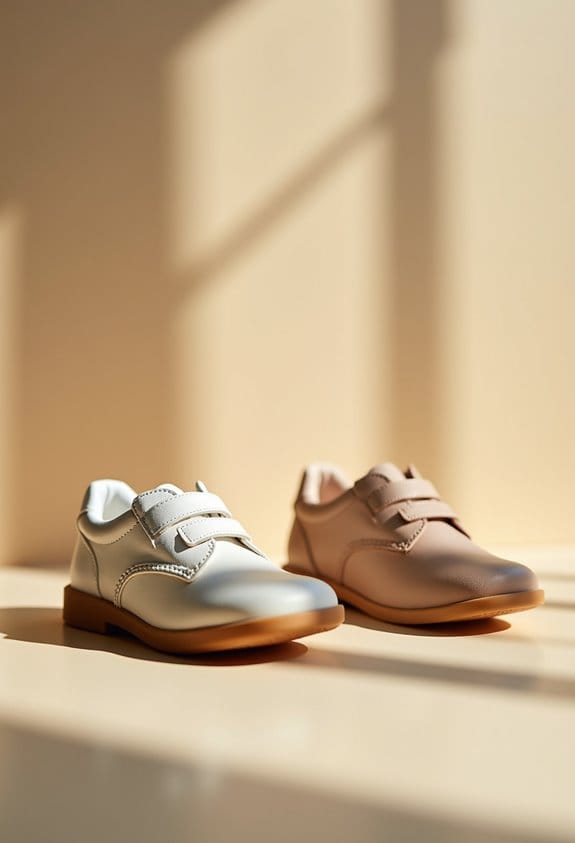
Although many kids and adults walk in what’s called a normal gait, this pattern often differs from their natural gait. Normal gait is what most people develop in shoe-wearing societies. It looks like regular walking but isn’t the same as natural gait, which is how the body moves best without shoes. Shoes can change how feet work, making normal gait different from natural gait. This change might happen quickly, especially with shoes that don’t fit the foot’s shape well. Wearing these shoes can cause extra strain and lead to problems over time. So, your precious nugget’s gait might seem fine now, but understanding the difference between normal and natural gait can help you support healthy walking habits as they grow. Choosing shoes with wide toe boxes and non-slip soles can greatly promote proper foot development and reduce strain.
How Footwear Design Alters Gait Mechanics
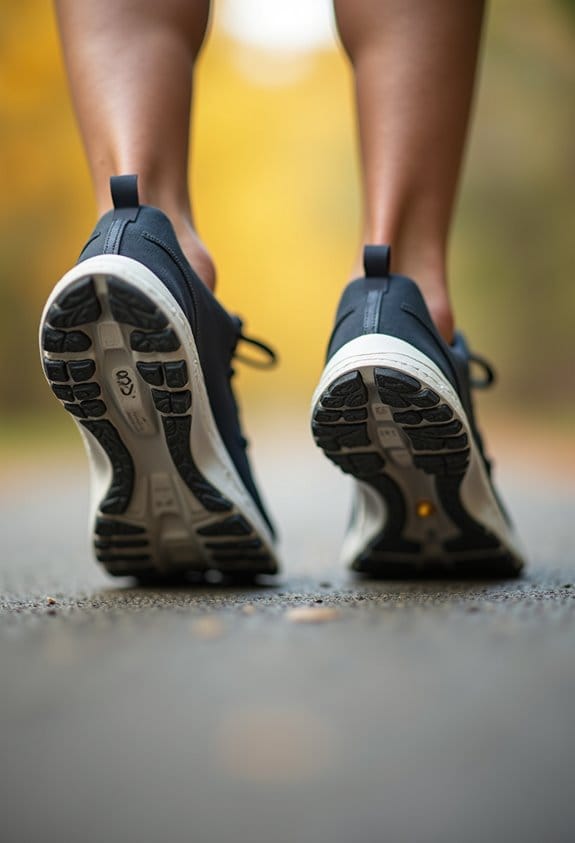
When shoes are designed without the foot’s natural shape in mind, your precious nugget’s walking pattern can change in subtle but important ways. Footwear that lacks proper support—like high heels or narrow toe boxes—can shift the foot’s alignment and weight distribution, altering the natural gait pattern. This can place strain on muscles and joints as the foot’s tendons struggle to work properly. Shoes with stiff soles reduce foot flexibility, making walking feel harder and more tiring. Features like toe spring limit the foot’s ability to grip and flex naturally, which may harm foot health over time. Choosing shoes that allow toes to spread and move freely helps maintain proper support, encouraging a healthy gait pattern during key growth years. This protects your precious nugget’s long-term foot well-being. Prioritizing shoes with flexible soles and adequate cushioning ensures healthy development and prevents gait issues later.
Recommended Products

Natural Barefoot Feeling: The main functions of these shoes include a wide toe box for ample space, front foot protection, and a low drop for enhanced ground feel. Kid's barefoot shoes strengthen foot muscles, enhance foot flexibility, and elevate sensory awareness, nurturing holistic foot development

Back-to-school ready with zero-drop sole for natural movement during running, PE class & playground activities

Flexible Barefoot Feeling Design: Featuring a zero-drop sole and flexible construction, these barefoot-inspired shoes provide a natural feel with better ground flexibility. The lightweight design allows kids to move freely while walking, playing, and exploring
The Impact of Poor Shoe Fit on Foot Function
If shoes do not fit your precious nugget’s feet properly, it can cause more than just discomfort. Poor shoe fit, especially shoes that are too tight or narrow, restrict natural foot movement and affect foot function. This can lead to issues like bunions, corns, and hammertoes. When a child’s foot can’t move as it should, muscles may become imbalanced, altering walking patterns. Over time, this can cause poor gait and increase the risk of hip or knee injuries. Shoes with too much extra space also disrupt natural motion and reduce balance, contributing to unstable walks. Checking shoe fit carefully before buying is important to protect your child’s developing feet and promote healthy, comfortable movement without long-term problems. Choosing footwear that supports proper height settings can help maintain stability and encourage natural gait development.
Recommended Products
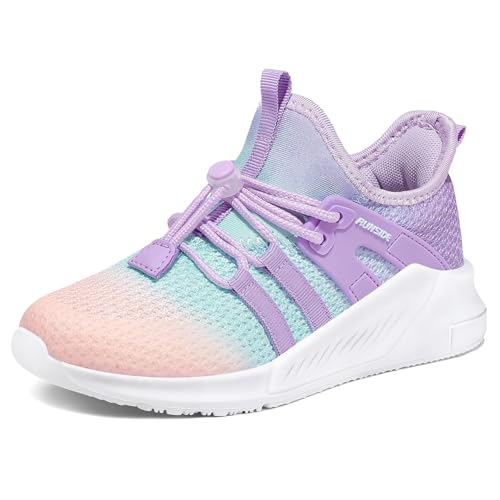
Eye-catching Color: Let your child stand out on the playground with our vibrant gradient color that captures their energetic spirit; The stylish blend of colors is sure to make these shoes a favorite in their wardrobe
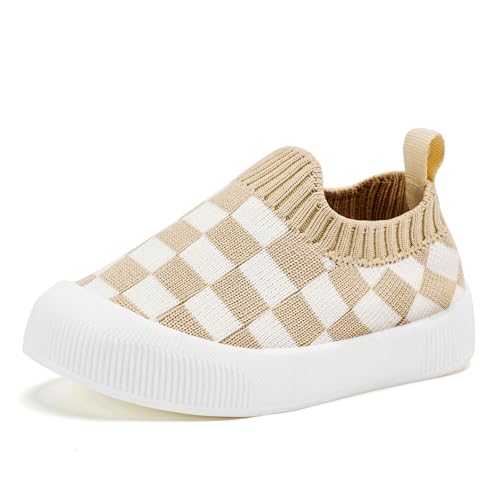
Safe & Non-Slip Toddler Shoes - These lightweight baby shoes feature durable non-slip rubber sole that provide grip and stability. Designed as toddler first walking shoes, they help prevent slips while giving support for early steps indoors or outdoors

Breathability: These infant sneakers are designed breathable upper, allowing your little one's feet to stay cool and dry throughout the day.
Consequences of Heel Height and Toe Spring on Movement

Because heel height and toe spring directly affect how weight moves through the foot, they play a big role in your precious nugget’s comfort and movement. When heel height is too high, weight distribution shifts from the heel to the ball of the foot. This change alters how the foot strikes the ground, causing extra strain on the lower body over time. Toe spring also impacts movement by limiting the foot’s ability to grasp surfaces naturally, stressing tendons and increasing discomfort. Elevated heel height can shorten the Achilles tendon and calf muscles, reducing your little one’s natural push-off strength. Together, these factors disrupt normal body mechanics and make walking less efficient. Choosing shoes with appropriate heel height and toe spring supports healthy weight distribution and helps maintain natural movement patterns for growing feet. Selecting footwear with flexible soles encourages natural foot movement and reduces potential gait issues.
Recommended Products

Wide Round Toe: The unique design of the toe can make the baby's feet free movement, body balance is not afraid of falling, anti-collision to help crawling

Recommended 1: CONVENIENCE - Smooth neck design prevents chafing when wearing our water shoes. It is convenient to wear and take off.
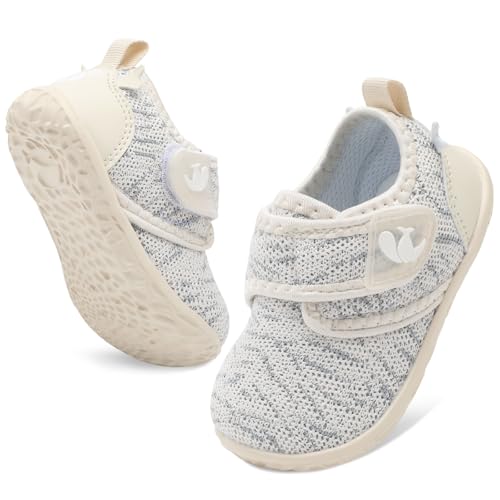
Knitted Upper: Baby shoes uppers offers comfort and air permeability, has excellent breathability, moisture wicking function,and keep baby's feet dry and odorless.Super soft, breathable and comfortable fit all the year
Sensory Feedback and Stability Compromised by Shoes
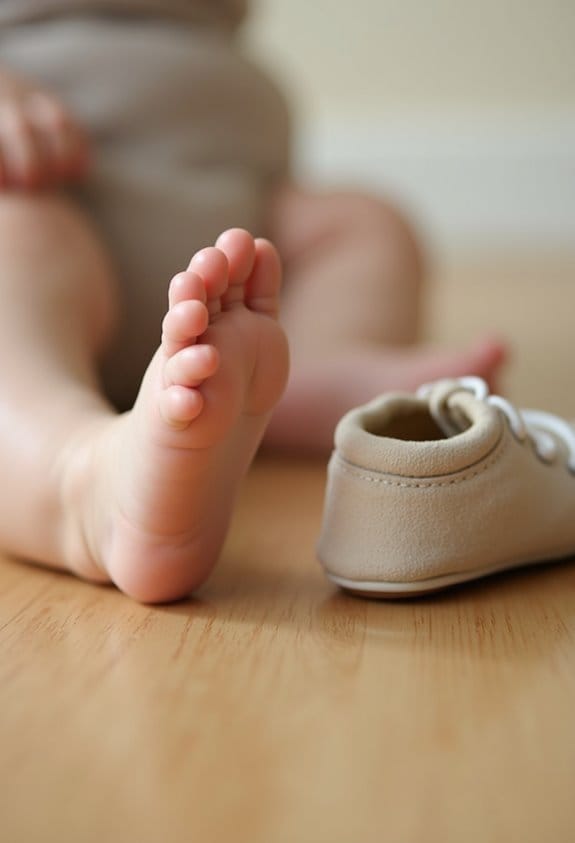
Shoes designed with thick soles may look protective, but they can actually dull your precious nugget’s natural sense of the ground. Our feet have over 200,000 nerve endings that send important sensory feedback, helping with balance and stability. When improper shoes reduce this feedback, your child’s confidence while walking can drop. Thick soles reduce the foot’s natural contact by 50 to 65 percent, limiting the ground signals the brain relies on. This loss makes stability harder to maintain and may cause your little one to adjust their posture to compensate. Over time, restricted foot motion from these shoes can change walking patterns, affecting overall stability. Choosing footwear that supports natural foot function guarantees better sensory feedback, which is key to helping your child develop secure and steady movement. Prioritizing shoes with flexible, non-slip soles also enhances safety without compromising sensory input.
Recommended Products

【SUMMER ADVENTURES】The Ahannie kids sandal will make sure he is ready for those beach adventures!

【Breathable & Permeable Material】: The mesh breathable material on the upper combined with drainage holes on the outsole keeps kids' feet dry and healthy.

KIDS WATER SOCKS IN COMFORTABLE FABRIC: The upper of boys water shoes are made of elastic, breathable and quick drying diving fabric, which fits tightly to the skin. The elastic shoe mouth is not easy to hurt after wearing for a long time, and it can protect the delicate skin of children very well. It is very suitable for use in places such as beach swimming pools!No Sogginess. No smell. No fadeness and Not stuffy
Long-Term Effects of Improper Footwear on Foot and Back Health
When your precious nugget wears footwear that doesn’t offer proper support, the effects can ripple through their entire body over time. Unsupportive shoes can cause foot pain by misaligning the feet and disrupting natural gait. This often leads to problems with knees, hips, and especially the lower back. Shoes lacking arch support may trigger flat feet or plantar fasciitis, making movement painful. High heels or tight toe boxes worsen foot deformities like bunions and hammertoes, adding chronic stress. Over time, the foot’s natural shock absorption weakens, increasing strain on the spinal column and causing back pain. Chronic foot pain from improper shoes affects gait mechanics and mobility. Choosing well-fitting, supportive shoes early helps protect your child’s foot and back health in the long run. For toddlers, footwear with firm arch support is essential to support healthy foot development and prevent future problems.
Recommended Products

Our Sport Comfort insoles are created from high quality PU to ensure maximum comfort and 3/8 inch arch support. They fit great in cleats and tennis shoes
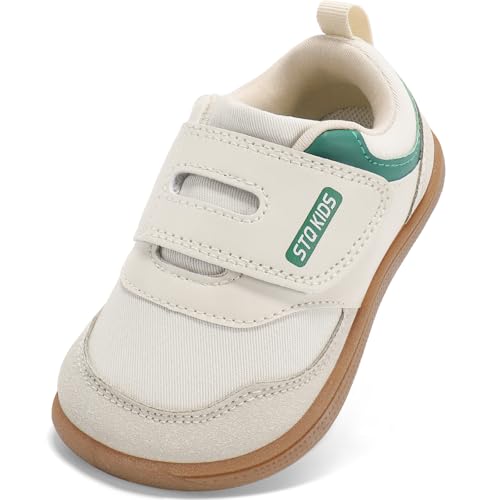
[ Wide Toe Box ]:The wide toe box design provides ample room for kids' toes to move freely, alleviating discomfort caused by pressure and promoting healthy foot development. They are breathable. Available in multiple sizes

Breathable and Comfortable: The knit uppers of these toddler shoes give you good breathability and dry quickly. Keep kid's feet dry and comfortable even during exercise. Suitable for wear in any season
Frequently Asked Questions
Can Shoes Affect Gait?
Footwear influence considerably affects running mechanics and overall gait. Inadequate arch support can lead to misalignment, altering natural movement patterns. Proper footwear guarantees efficient biomechanics, reducing injury risk and promoting ideal gait performance during activities.
Can Bad Shoes Cause Leg Problems?
Approximately 75% of individuals experience foot problems linked to poor foot mechanics. Inadequate arch support and excessive heel height disrupt balance, increasing the risk of leg issues such as strains, joint pain, and altered gait patterns over time.
Why Do Shoes Make Normal Gait Impossible?
Shoes make normal gait impossible because shoe structure often restricts natural foot movement. Inadequate arch support and elevated heel height alter weight distribution, disrupting balance and step mechanics, ultimately preventing the preservation of a natural, efficient gait pattern.
What Happens to Your Body if Shoes Don’t Fit Properly?
When the shoe pinches, the body’s foot structure is compromised, leading to distorted muscle alignment. This domino effect alters pain perception, causing chronic discomfort beyond the feet, often affecting knees, hips, and lower back stability.