As an Amazon Associate, we earn from qualifying purchases. Some links on this site are affiliate links at no extra cost to you. Our recommendations are based on thorough research and editorial judgment.


Why Shoe Lining Material Matters for Baby’s Skin

Shoe lining material matters a lot for your baby’s delicate skin, which is thinner and more sensitive than adult skin. Natural fibers like cotton provide softness, breathability, and absorb moisture well, keeping little feet dry and comfy. Synthetic linings can trap heat and cause irritation or rashes. Choosing safe, breathable linings helps protect your precious nugget’s skin from discomfort and infections. Explore more to find the best materials for your baby’s shoe comfort and health.
Key Takeaways
- Baby skin is delicate, requiring soft, breathable linings to prevent irritation and discomfort.
- Natural fiber linings like cotton absorb moisture and improve airflow, supporting healthy skin.
- Synthetic linings trap heat and moisture, increasing risk of rashes, infections, and skin problems.
- Breathable linings regulate temperature and wick sweat, maintaining dry, comfortable feet.
- Safe, chemical-free materials ensure protection from harmful substances that can damage sensitive baby skin.
The Sensitivity of Baby’s Skin
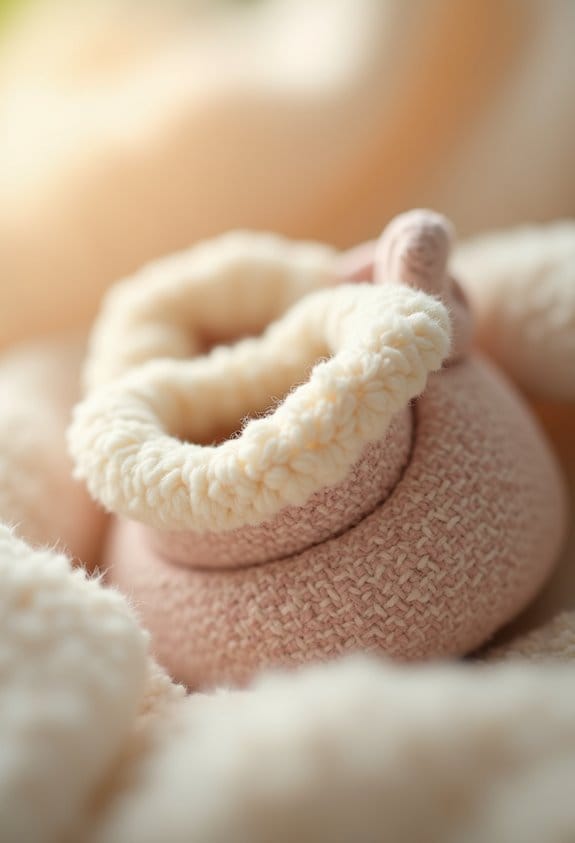
A baby’s skin is a delicate treasure, much thinner and more sensitive than adult skin. This precious nugget of a little one needs shoe linings made from breathable, skin-friendly materials to avoid skin irritation. Natural materials like cotton are ideal because they allow air flow and help with moisture absorption, keeping tiny feet dry and comfortable. Babies’ skin also soaks up substances faster, so it’s crucial to pick linings that meet safety standards such as the OEKO-TEX® Standard, which guarantees harmful substances are not present. Avoiding synthetic, non-breathable fabrics like polyester helps reduce heat and moisture build-up. Using natural fibers supports your baby’s sensitive skin, protecting those precious feet with gentle, quality linings designed for their delicate needs. Choosing breathable fabrics also promotes comfort and prevents odor, making them essential for infant shoes.
Benefits of Natural Fiber Linings
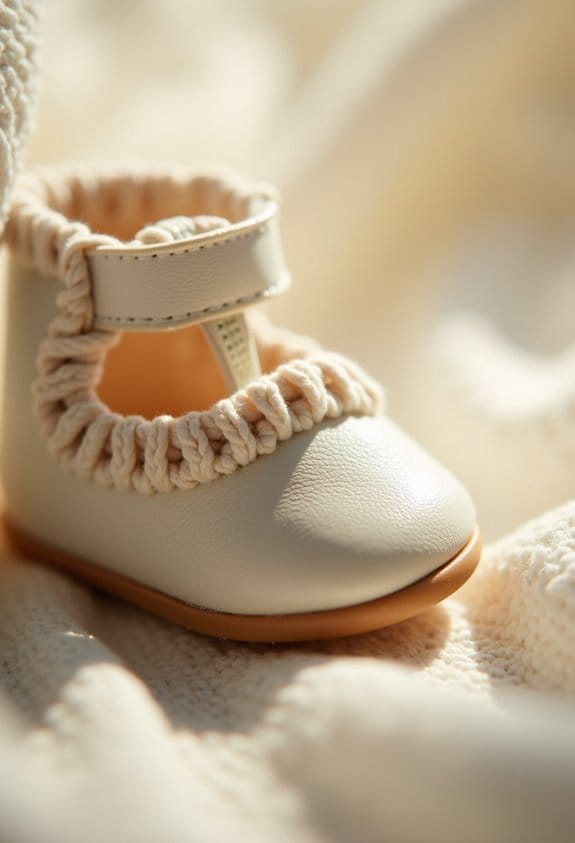
Because delicate baby skin deserves the gentlest care, natural fiber linings offer many benefits that synthetic materials cannot match. Linings made from natural fibers like cotton and wool are skin-friendly and promote comfort, gently reducing irritation for your precious nugget’s sensitive feet. These materials are highly breathable, allowing air to circulate freely and helping regulate temperature inside the shoe. This breathability prevents moisture buildup by wicking away sweat, keeping little feet dry and lowering the risk of blisters or fungal infections. Choosing natural fiber linings supports your baby’s overall foot health by providing a comfortable fit that adapts during active play and avoids overheating. These linings are free from harmful chemicals, making them a safe, nurturing choice for your baby’s tender skin each day. It is also important to select linings that have safety certifications such as REACH compliance to ensure quality and avoid potential allergens.
Recommended Products

✅ FELT SHAPED UPPER - Durable and breathable felt made from boiled, virgin wool forms to the shape of your feet for long-lasting comfort and wear

FIND YOUR IDEAL FIT – Order your regular U.S. shoe size for the best barefoot fit. Prefer thicker socks or extra room? Consider sizing up 1/2 size. We recommend a snug fit to start - with regular wear, the wool & cork will adapt to your feet for a personalized feel.
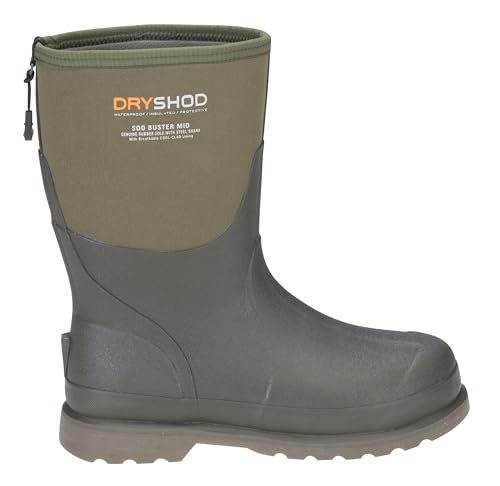
WIXIT Cool-Clad wicking airmesh lining with added micro-dot perforations; Wicks away moisture and allows the air to flow more than traditional airmesh; Keeps the foot cooler in warmer temperatures
Risks of Synthetic Linings in Baby Shoes
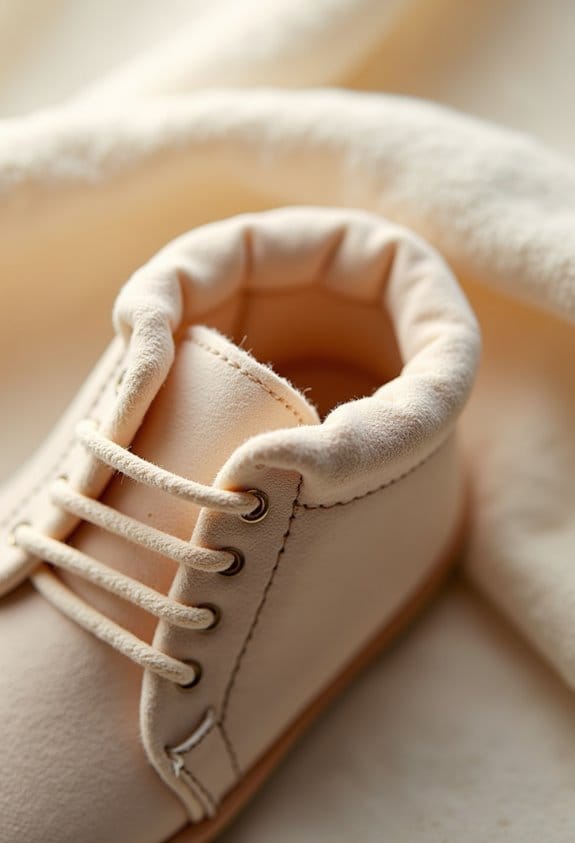
Parents should carefully consider synthetic linings when choosing shoes for their precious nugget. Synthetic fabrics like polyester often lack breathability, trapping heat and moisture inside the shoe. This can cause skin irritation and discomfort for babies, whose delicate skin is more sensitive than adults’. Without proper temperature regulation, synthetic linings may lead to clammy feet and increase the risk of foot problems such as fungal infections. Moisture buildup also encourages bacterial growth, compromising shoe hygiene. Unlike natural materials such as cotton or leather, synthetic linings do not wick moisture effectively. They may also contain chemicals that could harm a baby’s skin. For these reasons, synthetic linings present several risks that parents should weigh carefully against the benefits of natural materials for maintaining healthy baby feet. Choosing shoes with breathable mesh uppers helps enhance airflow and reduce moisture buildup inside the shoe.
Recommended Products
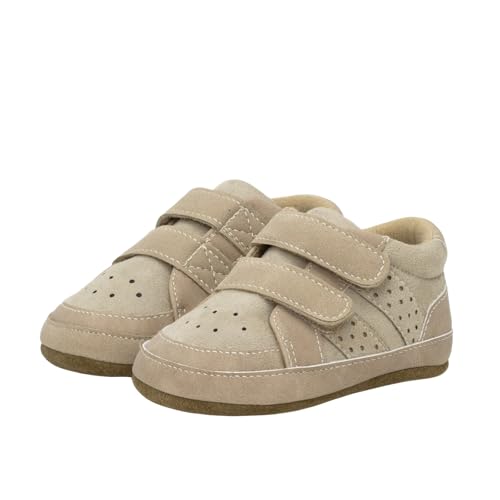
First Kicks Style: The Neil Sneaker in Tan combine classic style with all-day comfort, crafted from soft tan nubuck and suede leather for a refined, versatile look. Designed for early walkers, the structured yet flexible sole promotes natural movement and healthy foot development

First Walker Design, Fuction and Quality: Structured first walking shoes designed to support infants and toddlers learning to stand and take early steps while maintaining a natural barefoot feel. Perfect for early and beginner walkers. The flexible design allows little feet to move freely as they grow and master balancing and walking milestones. Delivers the look of a shoe with the freedom growing feet need to move naturally

Walk around with comfort wearing the Mini Melissa Mini Melissa Hip Heart Ballerina Baby Sandals. The waterproof sandals are crafted with a polyvinyl chloride upper, laminated polyvinyl chloride lining, and a polyvinyl chloride insole. Single-piece i
How Breathability Supports Healthy Skin
Breathability plays a key role in keeping your precious nugget’s feet comfortable and healthy. Shoes with breathable linings, like leather or cotton, help regulate temperature while managing moisture. This regulation is essential because little ones have more sweat glands on their feet, making sweat absorption important. Breathable linings support natural foot movement by allowing air circulation that keeps skin dry and prevents heat buildup. This airflow reduces the risk of rashes and fungal infections, promoting healthy skin. When moisture is wicked away effectively, delicate skin does not become clammy or irritated. Choosing shoes designed with high-quality breathable linings guarantees your baby’s feet stay fresh, comfortable, and protected throughout their early exploring stages. This focus on air circulation and moisture control truly benefits little feet’s skin health. Additionally, materials like soft mesh uppers not only improve airflow but also help reduce odor and moisture retention, enhancing foot comfort.
Recommended Products

Give them a lightweight style they'll love with the Nike Kids Huarache Run.

Get Your Custom Mascot Built! Over 30 Years of Design Experience.Corporate, Sports, Team, College Custom Mascots

Complete Costume Set: Includes head, body, shoe covers, and hand covers for a full mascot experience
Choosing Safe and High-Quality Lining Materials
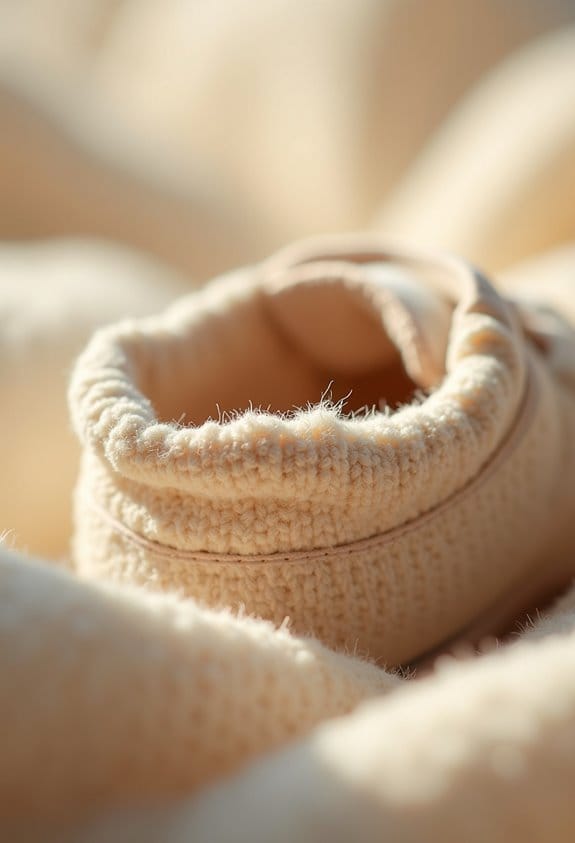
When selecting lining materials for your precious nugget’s shoes, it’s important to focus on safety and quality. Choosing breathable, soft linings made from natural fibers like cotton helps keep a baby’s feet dry and comfortable. Leather linings are also a great choice for reducing the risk of irritation because they absorb moisture and regulate temperature. Synthetic options may be durable, but you should be careful to pick ones that are breathable to avoid trapping moisture against delicate skin. Look for safety certifications like OEKO-TEX® STANDARD 100, which confirm that materials are free from harmful chemicals. Prioritizing skin-friendly, high-quality linings supports a healthy foot environment, giving you peace of mind with every step your little one takes. Additionally, breathable linings contribute significantly to moisture-wicking functions, which help maintain dryness and reduce irritation during active playtime.
Recommended Products

Complete Costume Set: Includes head, body, shoe covers, and hand covers for a full mascot experience

Complete Costume Set: Includes head, body, shoe covers, and hand covers for a full dolphin mascot experience

[ SOLD BY INDIVIDUAL UNITS ] – Each quantity comes in a separate piece. If you choose 1-Yard with quantity of 5, you will receive 5 separate 1-Yard pieces
Tips for Maintaining Clean and Comfortable Linings
Keeping a baby’s shoe linings clean and comfortable helps protect their delicate skin from irritation. When selecting the right shoe, look for breathable baby shoe linings made from natural materials like leather or cotton. Leather offers the importance of breathability to keep your precious nugget’s child’s foot cozy and dry. Regularly wipe linings with a damp cloth to remove sweat and dirt, which can trap moisture and cause discomfort. Shoes with removable, washable linings make it easier to maintain cleanliness. After each wear, let shoes air out to reduce moisture buildup and help your little one’s feet stay fresh. Checking linings for damage also guarantees your child’s feet stay comfortable and healthy as they take those first steps with care. Choosing shoes with breathable fabrics ensures better airflow, which helps prevent overheating and skin irritation.
Recommended Products

【PREMIUM FABRIC】With high quality, light-weight, breathable, anti-wrinkle chiffon fabric, give you a good feeling of soft and comfortable when you wear this womens swiss dot dress. Dot worry about the see-through of this flowy dress, we added interior lining.

HIGH QUALITY MATERIAL: High quality Lace. Cotton lining is breathable.
Frequently Asked Questions
What Is the Best Material for Shoe Lining?
The best shoe lining material combines natural materials offering superior breathability factors, moisture-wicking capabilities, hypoallergenic options, and softness levels. It balances durability considerations with temperature regulation and adheres to safety standards for peak performance and comfort.
Why Do People Bronze Baby Shoes?
Bronze baby shoes serve as timeless anchors, encapsulating baby milestones through artistic expression and cultural traditions. They hold sentimental value, preserving memories with historical significance, often cherished in gift giving to honor early life’s fleeting, precious moments.
Can Shoes Affect a Baby’s Development?
Shoes with appropriate baby shoe types, breathable materials, natural fibers, and flexible sole benefits impact walking development positively. Shoe fit importance and shoe weight impact contribute significantly to healthy foot growth, as emphasized in an extensive foot health guide.
What Is the Best Material for Toddler Shoes?
The best material for toddler shoes prioritizes toddler shoe comfort through breathable materials and moisture-wicking fabrics, combined with flexible soles, lightweight design, non-toxic options, cushioning support, and durable construction to guarantee safety, health, and active play.