As an Amazon Associate, we earn from qualifying purchases. Some links on this site are affiliate links at no extra cost to you. Our recommendations are based on thorough research and editorial judgment.


Why Flexible Soles Matter for Baby Walking Shoes

Flexible soles matter for your precious nugget’s early steps because they let tiny feet move naturally. These soles support muscle growth, foot strength, and healthy arch development by mimicking barefoot walking. Flexible shoes allow toes to splay, grip, and feel different surfaces, which helps balance and coordination. Lightweight, breathable materials add comfort and encourage exploration. Choosing shoes with flexible soles is key to supporting your toddler’s foot anatomy and natural movement. Understanding these details helps guarantee healthy foot development.
Key Takeaways
- Flexible soles allow natural foot movement, promoting muscle and ligament development essential for healthy arch formation in babies.
- They provide sensory feedback that enhances balance, coordination, and confidence during early walking stages.
- Flexible shoes enable toes to splay and grip, supporting proper alignment and preventing foot deformities.
- Lightweight and breathable flexible soles reduce foot fatigue and improve comfort during active exploration.
- Flexible soles mimic barefoot walking, encouraging natural gait and preventing misalignment caused by stiff, restrictive footwear.
The Role of Flexible Soles in Foot Development

Many baby walking shoes today feature flexible soles, which are crucial for your precious nugget’s foot development. Flexible soles allow babies’ feet to move naturally, closely mimicking barefoot walking. This shoe flexibility supports the foot’s structure and muscle growth, fundamental during crawling and early walking stages. When shoes bend and twist easily, they help strengthen muscles and ligaments, promoting healthy development of arches. Stiff shoes, by contrast, can limit natural foot movement and may cause misalignment. Flexible soles also enhance sensory feedback from the ground, helping your little one balance and coordinate better. This feedback is key as your child learns to walk confidently. Choosing shoes with proper flexibility nurtures your child’s healthy foot development and encourages natural, comfortable movement every step of the way. Additionally, selecting shoes with non-slip soles improves safety by reducing the risk of falls while supporting natural movement.
How Flexible Shoes Support Natural Movement

Flexible shoes let your precious nugget move their feet just like when barefoot, which helps build strong muscles and improves balance. These shoes, especially those with a soft sole, support natural movement by allowing babies’ feet to flex and grip the ground as they learn to walk. This flexibility encourages proper muscle development and helps tiny foot bones grow in the right alignment. Flexible shoes also offer important sensory feedback, so your child can feel different surfaces underfoot, which builds confidence and coordination. By letting toes splay naturally, these shoes promote healthy foot development and reduce the risk of deformities. Choosing flexible, soft-soled shoes gives your baby freedom to move comfortably while supporting the strength and skill needed for their first steps and beyond. Additionally, features like non-slip rubber soles enhance safety during early walking stages without compromising flexibility.
The Anatomy of a Toddler’s Foot and Its Needs

A toddler’s foot is a remarkable mix of bones and soft tissue that changes a lot as your precious nugget grows. At this stage, the toddler’s foot contains 26 bones and a supportive fat pad instead of a fully formed arch. This fat pad cushions every step and aids in natural foot development. Proper foot development is key for your child’s balance and coordination. Flexible footwear allows the foot muscles to strengthen as your toddler grips and moves naturally. Shoes that limit toe splay or movement can hinder muscle growth and disrupt alignment. By choosing flexible footwear, you support the toddler’s foot as it grows, promoting healthy foot muscles and overall gross motor skills. This foundation helps your child walk, run, and explore with confidence. Additionally, selecting shoes with flexible soles and wide toe boxes helps maintain natural foot movement, which is crucial during travel.
Comparing Soft-Soled and Stiff-Soled Shoes
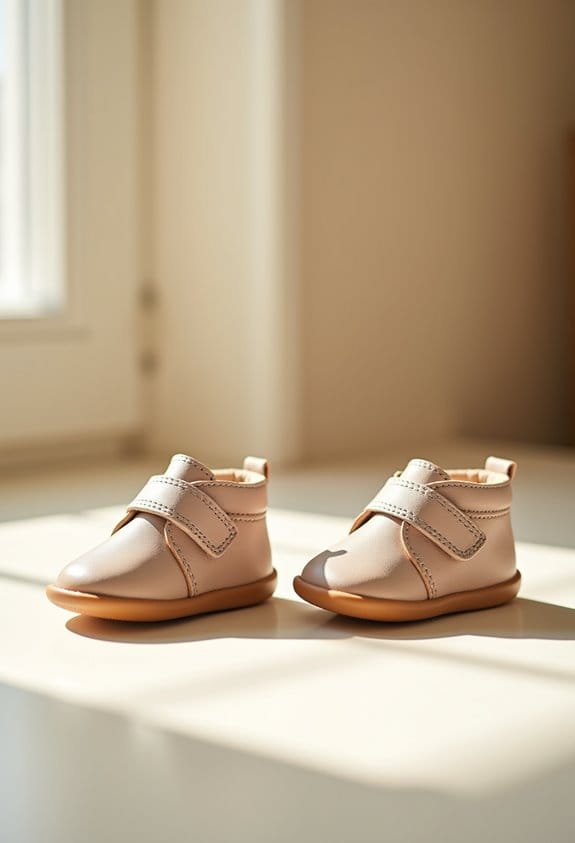
Various types of soles can affect how a baby’s feet develop during those first steps. Soft-soled shoes allow your precious nugget’s toes to grip the ground with ease. This natural foot movement strengthens muscles and supports healthy foot development. Flexible soles, often found in soft-soled shoes, maintain the baby’s chubby foot shape and promote proper weight distribution. In contrast, stiff-soled shoes restrict flexibility, which can interfere with walking patterns and cause issues like misalignment. They also limit the foot’s ability to spread, unlike shoes with wide toe boxes that encourage natural splay. Baby walking shoes with flexible soles are generally recommended by experts, as they help your little one balance better and avoid undue pressure on vulnerable bones and joints during those early, important steps. Many top-rated baby shoes also feature non-slip rubber soles to enhance safety and grip during learning to walk.
Recommended Products

Breathable & Comfortable:These unisex baby socks shoes with non slip rubber soft Sole, knitted with soft breathable combed cotton. The insole is a memory insole, which fits the shape of the baby's feet, fit snugly and comfortably, adapting to your toddler’s natural foot movements. Super flexible , lightweight and comfortable fit all seasons.

Lace-Free Design:The baby shoes have convenient elastic lace-free design for easy on and off,fits snugly on baby's feet.Suit for crawling,walking,running,playing and won't fall off

〓 Comfy Baby Barefoot Sneakers: Crafted with soft mesh uppers and honeycomb insoles, these sneakers ensure 360°airflow to keep tiny feet dry and odorless during play. The ideal pair for all seasons
Benefits of Lightweight and Breathable Materials

Lightweight and breathable materials offer important benefits for your precious nugget’s walking shoes. Using flexible materials like soft leather or mesh lets your toddler move with natural motion, encouraging healthy foot development. Breathable construction controls temperature and reduces moisture, which helps prevent irritation and supports overall foot health. Lightweight materials also lessen foot fatigue, so your child can explore and build motor skills without discomfort. These features improve sensory feedback, giving little feet the information they need to adjust to different surfaces confidently. Comfort is key during early walking stages, and breathable, flexible shoes help keep tiny feet happy and healthy. When choosing walking shoes, prioritizing lightweight and breathable materials guarantees your child enjoys freedom of movement while supporting their delicate, growing feet. Additionally, selecting shoes with non-slip soles ensures both safety and comfort as toddlers take their first steps.
Recommended Products

Breathable & Comfortable:These unisex baby socks shoes with non slip rubber soft Sole, knitted with soft breathable combed cotton. The insole is a memory insole, which fits the shape of the baby's feet, fit snugly and comfortably, adapting to your toddler’s natural foot movements. Super flexible , lightweight and comfortable fit all seasons.

Breathable Materials: Baby Sneakers are made of high-quality soft stretchy fabric, quick-drying and lightweight, offers comfortable and excellent wearing experience for your child.

Breathable & Comfortable:These unisex baby socks shoes with non slip rubber soft Sole, knitted with soft breathable combed cotton. The insole is a memory insole, which fits the shape of the baby's feet, fit snugly and comfortably, adapting to your toddler’s natural foot movements. Super flexible , lightweight and comfortable fit all seasons.
Importance of Wide Toe Boxes in Baby Shoes
When choosing walking shoes for your precious nugget, wide toe boxes play an important role in healthy foot development. Babies’ feet are naturally widest at the toes, so toddlers wear shoes with wide toe boxes to allow natural movement and avoid squeezing. These shoes provide enough room for the toes to spread out and grab surfaces, which supports muscle development and balance. Flexible shoes with wide toe boxes also enhance sensory input, helping your little one feel the ground beneath them. Narrow toe boxes can cause foot problems like bunions and misalignment, which can impact overall mobility later. Experts, including the American Academy of Pediatrics, recommend wide toe boxes for mid-foot stability and comfort during early walking stages. Choosing shoes with this feature helps your child’s feet grow strong and healthy. Additionally, zero drop shoes promote natural foot motion and proper walking posture, making them an ideal choice for developing feet.
Recommended Products

Wide Round Toe: The unique design of the toe can make the baby's feet free movement, body balance is not afraid of falling, anti-collision to help crawling

Non-slip Soles:Preventing your baby from slipping,soft, lightweight sole,a safe and cute sock sneakers for baby boys baby girls.
Breathable Materials: Baby Sneakers are made of high-quality soft stretchy fabric, quick-drying and lightweight, offers comfortable and excellent wearing experience for your child.
Protecting Sensitive Feet While Allowing Freedom
Flexible soles play an important role in protecting your precious nugget’s sensitive feet while still letting them move freely. These soles provide a gentle shield, guarding delicate skin without blocking natural movement. Made with breathable materials, they help keep little feet cool and comfortable during active play. Flexible soles support the development of intrinsic muscles, essential for growing strength and proper foot alignment. This design allows toddlers to explore the ground beneath them safely while encouraging healthy mobility. By mimicking barefoot conditions, flexible soles prevent restrictive pressure that can cause foot problems later on. They enable your baby to lift and place their feet with ease, fostering confidence in walking. Choosing shoes with flexible soles means offering both protection and freedom to your child’s developing feet. Additionally, the balance of flexibility and support enhances comfort and safety during these crucial growth stages.
Impact of Flexible Soles on Balance and Coordination
The way a baby’s foot moves is essential to building balance and coordination during early walking stages. Flexible soles allow your precious nugget’s feet to bend and move naturally. This free foot movement supports muscle strengthening in the feet and ankles, helping your toddler gain better control and stability. Flexible soles also enable the toes to grip the ground, enhancing proprioception—your child’s inner sense of body position. This aids balance and coordination, fundamental for safe walking. Shoes with flexible soles reduce fall risks by letting toddlers adjust quickly on uneven surfaces, boosting their confidence. Research shows these features help prevent developmental issues tied to balance and coordination. Choosing shoes that allow natural foot movement lays a solid foundation for your child’s healthy physical growth and future activity. Additionally, memory foam insoles cushion tiny feet by conforming to their shape, providing crucial support during these early stages.
When and Where Flexible Soled Shoes Should Be Worn
As your precious nugget begins taking those first wobbly steps, it’s an important time to contemplate what kind of shoes best support developing feet. Flexible soled shoes are ideal when walking outside, as they protect delicate feet from rough or uneven surfaces while promoting natural foot development. Proper foot growth depends on allowing toes and muscles to move freely, so shoes for toddlers should be soft and bend with the foot. Indoors, though, barefoot is best on safe surfaces to strengthen the foot naturally. Flexible soled shoes also keep little feet warm during cooler weather without restricting movement. Since toddler feet grow fast, shoes should be changed every two to three months to maintain proper support. Choosing the right moments for these shoes helps nurture healthy, happy steps. Lightweight shoes with firm soles for stability provide better support and grip during these early walking stages.
Choosing the Right Flexible Shoes for Your Toddler
How can you tell if a shoe truly supports your toddler’s growing feet? Start by choosing flexible shoes made from breathable materials like leather or mesh to keep your precious nugget comfortable. Look for a wide toe box; it allows natural toe splay, essential for healthy foot development. Non-slip rubber outsoles offer good traction, helping your toddler stay steady and safe as they explore. Adequate heel cushioning adds stability and comfort during their wobbly steps. Remember, toddler feet grow fast—replace shoes every two to three months to maintain proper support. When you keep these details in mind, the shoes you pick will support your little one’s movement, growth, and well-being during this exciting walking phase. Choosing shoes with adjustable closure features ensures a secure fit as your toddler’s feet develop.
Recommended Products

Breathable and comfortable:Knitted Mesh Upper offers comfort and air permeability.Keep your child away from foot smelly.Also,high-quality upper provides good ductility to support children's active walking, running,and playing
Wide Round Toe: The unique design of the toe can make the baby's feet free movement, body balance is not afraid of falling, anti-collision to help crawling

Breathable: These toddler walking sock shoes keep baby feet cool and comfortable during daily activities with excellent breathability.
How Flexible Shoes Encourage Muscle Strengthening
Encouraging a toddler to wear flexible shoes can play a big role in strengthening their foot muscles. Unlike stiff shoes, flexible shoes mimic the freedom of walking barefoot, allowing your precious nugget’s toes to grip the ground naturally. This helps develop foot muscles, ligaments, and tendons essential for healthy development. Flexible soles also support your child’s natural gait by letting their feet bend and twist as they explore. This movement stimulates sensory feedback, teaching muscles to adapt and grow stronger. Over time, flexible shoes promote muscle strengthening in the feet and lower legs, improving balance and coordination. Choosing the right flexible shoes gives your little one the freedom to move comfortably, supporting their growing body with every step.
Signs That Your Baby’s Shoes May Need Replacement
Even with the best flexible shoes helping your precious nugget build strong foot muscles, it’s important to watch for signs that their shoes need replacing. Babies’ feet grow quickly, so shoes with flexible soles should be replaced every two to three months. Check for visible wear on soles, which reduces traction and can make walking unsafe. If shoes feel tight or cause discomfort, it’s time to replace them to avoid pinching sensitive growing feet. Also, look for stretched or misshaped shoes, as this means they no longer support or protect properly. Finally, make sure toes aren’t constantly touching the shoe’s front. These signs help you know when to replace shoes, ensuring your baby’s comfort and healthy foot growth.
Recommended Products
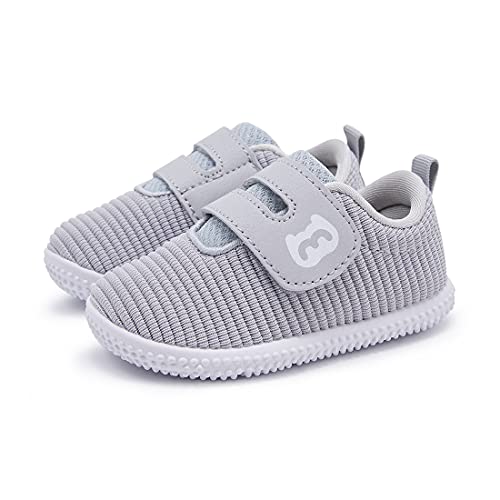
Breathability: upper for high breathability that allows kid’s little feet to stay cool and dry
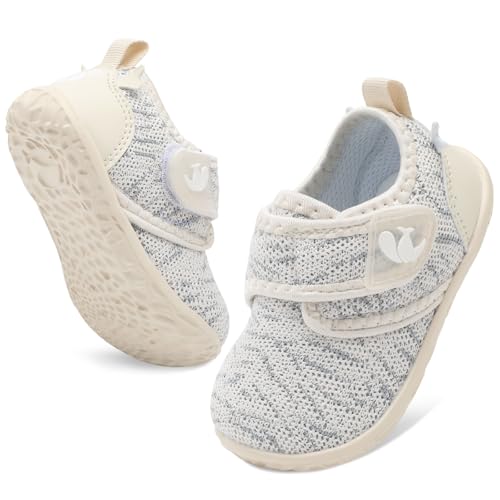
Knitted Upper: Baby shoes uppers offers comfort and air permeability, has excellent breathability, moisture wicking function,and keep baby's feet dry and odorless.Super soft, breathable and comfortable fit all the year

[Breathable & Soft Cotton]:These toddler socks shoes are crafted with soft, breathable cotton, offering all-day comfort for your little one’s delicate feet. Perfect for all seasons, these infant non-slip breathable slippers keep feet cool in the summer and warm in the winter. Whether your child is indoors or outdoors, the breathable fabric ensures there’s no moisture buildup, keeping feet dry and cozy all day long.
Frequently Asked Questions
Should Baby Shoes Be Flexible?
Like a sculptor shapes clay, choosing flexible baby shoe materials with appropriate sole types and fit supports walking development stages. Proper foot arch support, considering outdoor vs indoor use, is essential when choosing first shoes for ideal growth.
Should Walking Shoes Be Stiff or Flexible?
Flexible shoes are preferable over stiff shoes for walking progression, as they provide appropriate foot support, enhance comfort levels, and accommodate baby development by allowing natural movement. Shoe materials should prioritize flexibility for ideal walking confidence and growth.
Why Is It Important for the Soles of Shoes to Be Flexible?
Like leaves dancing in the wind, flexible shoe benefits nurture infant foot development by encouraging natural movement and proper arch support, enhancing balance and stability. Shoe material considerations shape early walking habits, essential for lifelong healthy locomotion.
Should Babies Wear Soft Soled Shoes?
Babies should wear soft-soled shoes due to soft sole benefits like enhanced baby foot development and walking safety. Proper fit importance guides parent shoe choices, while toddler footwear features and shoe material types guarantee comfort and support during early walking stages.