As an Amazon Associate, we earn from qualifying purchases. Some links on this site are affiliate links at no extra cost to you. Our recommendations are based on thorough research and editorial judgment.


Natural Materials vs. Synthetic: Which Is Healthier?

Natural fibers like cotton and linen are healthier for your precious nugget’s skin than synthetics. They breathe well, soak up moisture, and stay gentle, reducing irritation and allergies common in children. Organic natural materials avoid harsh chemicals too, helping sensitive skin thrive. Synthetic fabrics often trap heat, causing discomfort and possible skin problems. Natural fibers also break down faster, easing environmental impact. Understanding these differences can help you make the best choices for your child’s comfort and health.
Key Takeaways
- Natural fibers are hypoallergenic and gentle on sensitive skin, reducing irritation and allergic reactions compared to synthetic fabrics.
- Natural materials like cotton and linen provide better breathability and moisture absorption, enhancing skin comfort and temperature regulation.
- Synthetic fabrics may trap moisture and contain harmful chemicals, increasing risks of skin irritation and hormonal disruption.
- Natural fibers biodegrade quickly, reducing environmental impact and microplastic pollution versus synthetic textiles.
- Health professionals recommend natural, organic fibers, especially for sensitive individuals, for their superior breathability and reduced chemical exposure.
Differences Between Natural and Synthetic Fibers

Choosing between natural and synthetic fibers is a common consideration for parents aiming to dress their little ones comfortably and safely. Natural fibers like cotton, linen, and wool are known for being gentle on a precious nugget’s sensitive skin. They are typically hypoallergenic, reducing irritation and allergic reactions. In contrast, synthetic fabrics such as polyester and nylon may trap moisture, leading to discomfort and sometimes worsening skin issues. Additionally, synthetic fabrics often contain chemicals like PFAS, which can have negative health effects during prolonged skin contact. Natural fibers also benefit the environment by biodegrading quickly and avoiding microplastic pollution. For parents mindful of their child’s health effects and the planet’s well-being, choosing natural fibers offers a safer, more nurturing option without sacrificing everyday practicality. Moreover, these fabrics promote breathability and comfort, which is essential for maintaining healthy skin and overall foot health in babies.
Breathability and Comfort of Natural Materials
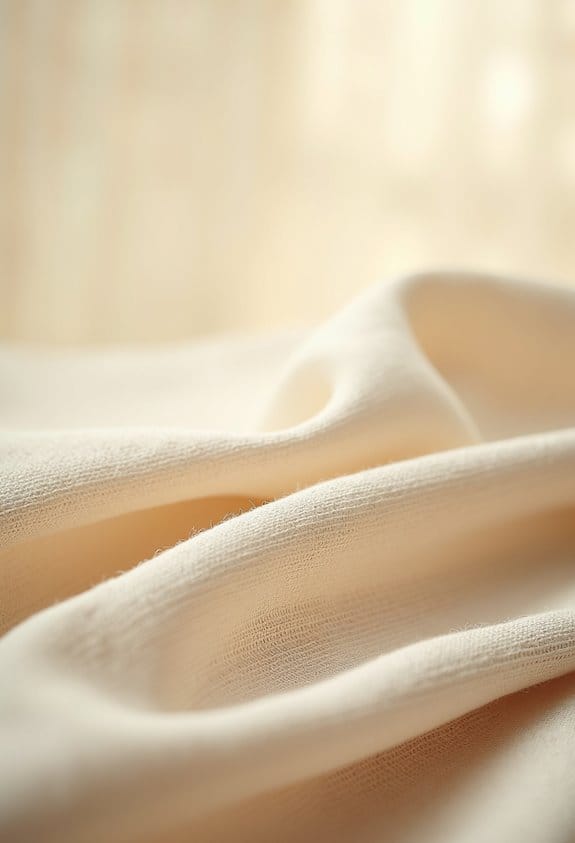
Beyond their gentle nature on sensitive skin, natural materials like cotton and linen offer impressive breathability that keeps your little one comfortable all day long. These natural fibers allow air to flow freely, helping regulate body temperature whether your precious nugget is playing indoors or outdoors. Unlike synthetic fabrics, natural fibers absorb moisture efficiently, keeping skin dry and fresh. This breathability reduces sweat buildup that can cause discomfort or irritation during active moments or warm days. Over time, fabrics like linen even soften with washing, adding to their comfort and durability. Choosing natural fibers means selecting clothing and bedding that support your child’s comfort and well-being through breathable, gentle fabrics made to last and care for sensitive skin every day. Additionally, many infant shoes incorporate breathable materials to enhance comfort and prevent overheating during movement.
Hypoallergenic Properties of Natural Fabrics
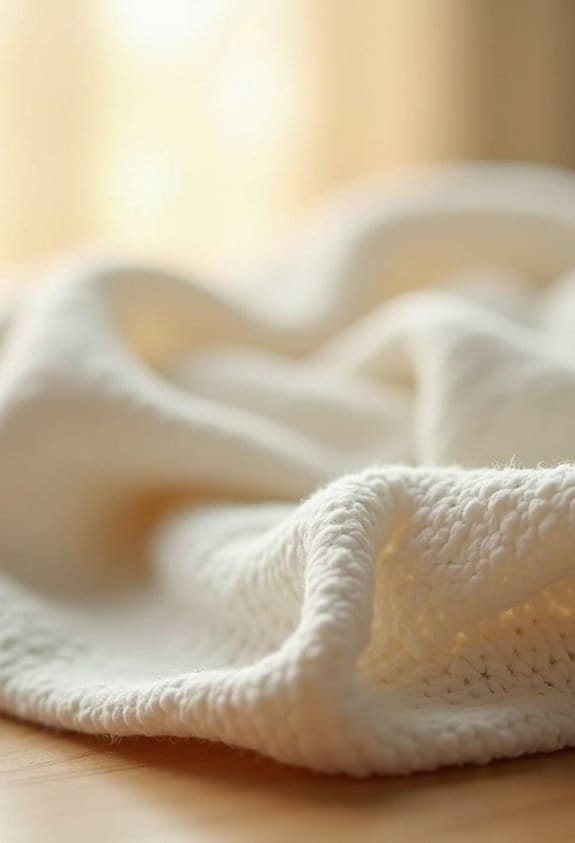
Hypoallergenic qualities are a key benefit of natural fabrics like cotton and linen for your precious nugget. These materials are less likely to trigger allergic reactions or irritate sensitive skin, making them a safer choice for babies and children. Unlike synthetic fibers, natural fabrics don’t hold onto bacteria or odors, which helps keep your little one’s skin healthy. Studies show that synthetic fibers can worsen conditions like eczema, while organic, untreated natural fabrics reduce exposure to harsh chemicals. Also, the breathability of natural fabrics helps manage moisture and temperature, lowering the chance of skin irritation. When choosing fabrics for your child, opting for natural materials with hypoallergenic properties can offer comfort and protect their delicate skin from unnecessary irritants. Additionally, choosing shoes made from hypoallergenic, breathable materials can complement these benefits by providing a safe environment for sensitive baby skin.
Environmental Impact of Natural Vs Synthetic Textiles
Three important factors often guide parents when comparing natural and synthetic textiles: how the fabrics break down, their impact on the environment, and their lasting effects on nature. Natural fibers, like cotton and wool, break down much faster than synthetic ones, which can linger for hundreds of years. This slower decomposition adds to the environmental impact of synthetic textiles. Producing natural fabrics often uses fewer resources and produces less greenhouse gas compared to energy-heavy synthetic production from fossil fuels. Choosing natural textiles supports biodegradable materials and lessens environmental strain. While synthetic textiles may release microplastics that harm waterways and marine life, natural fibers do not. For your precious nugget, opting for natural textiles offers a kinder, more responsible choice toward the planet’s health. Additionally, selecting baby shoes made from breathable, lightweight materials can complement the use of natural textiles by promoting comfort and healthy foot development.
Biodegradability and Pollution Concerns

While natural fibers like cotton and linen break down quickly and return to the earth in months, synthetic fibers such as polyester can last for hundreds of years in landfills. This biodegradability difference is a precious nugget for anyone mindful of pollution. Synthetic textiles release tiny microplastics when washed, which then pollute waterways and harm marine life. Each year, half a million tons of these microplastics enter oceans, posing risks to our environment. In contrast, natural fibers don’t shed these harmful particles, making them a cleaner choice for families wanting to protect the planet. Also, synthetic textile production often involves harsh chemicals that can pollute local water sources. Understanding these facts helps you make kinder choices to reduce pollution’s impact on future generations. Choosing products with certification options like PETA vegan and Oeko-Tex ensures safer, non-toxic materials that benefit both health and the environment.
Durability and Longevity of Natural Fibers
Understanding how long your family’s clothes will last is a precious nugget when choosing between natural and synthetic fibers. Natural fibers like linen and wool showcase impressive durability, often lasting many years with proper care. Linen, for example, grows softer and stronger with each wash, adding to its longevity. High-quality cotton also resists pilling better than many synthetic blends, keeping garments looking good longer. Unlike synthetic fast fashion, clothes made from natural fibers can often be mended or repurposed, extending their use. This durability means that investing in natural fabrics can be a smart choice for families seeking long-lasting clothing. The enduring quality of natural fibers adds real value and comfort, making them a trustworthy option in everyday wear for your loved ones. Additionally, just as proper lightweight cushioning supports healthy foot development in toddlers, durable natural fibers provide sustained comfort and resilience in clothing over time.
Sustainability Challenges in Fiber Production
Because fiber production affects the planet and your family’s future, it’s important to know the sustainability challenges involved. Natural fibers like cotton often use lots of water and pesticides, which can harm the environment and nearby communities. Choosing organic cotton helps reduce these impacts but still uses resources. Synthetic alternatives, such as polyester and nylon, rely on petroleum, a non-renewable resource, causing greenhouse gas emissions and environmental concerns. Using recycled synthetics can lower these effects, but microplastics released during washing pose risks to ecosystems. Both natural and synthetic fibers have environmental impacts throughout their life cycles—from production to disposal. Being aware of these sustainability challenges helps you make kinder choices for the planet and your precious family, balancing comfort and care for future generations. Additionally, selecting materials certified by sustainability standards ensures safer and more eco-conscious baby products.
Health Effects of Chemicals in Synthetic Fabrics
How do synthetic fabrics affect your precious nugget’s health? Synthetic fibers like polyester often contain chemicals that can cause skin irritation when in constant skin contact. These fabrics are less breathable, trapping moisture and heat, which may worsen skin conditions in children, especially those with sensitive skin. Additionally, polyester can contain harmful substances such as PFAS, which persist in the environment and may disrupt hormonal balance over time. Wearing non-breathable synthetic fibers can disrupt delicate areas’ pH levels, increasing the likelihood of infections like bacterial vaginosis and yeast infections. Furthermore, washing synthetic fabrics releases microplastics into water, affecting the broader ecosystem. Understanding these effects helps you make informed choices about your child’s clothing and comfort without resorting to unnecessary worry. When selecting baby clothing or shoes, prioritizing breathable materials made from natural fabrics can promote comfort and reduce health risks.
Benefits of Choosing Organic Natural Fibers
Although synthetic fabrics may offer some convenience, choosing organic natural fibers for your precious nugget’s clothing brings many benefits. Organic natural fibers like cotton and linen are grown without harmful pesticides, making them a safer, sustainable option. These fabrics help reduce your exposure to irritants and chemicals often found in synthetic materials. They are breathable, promoting better air flow to keep your little one comfortable. Many organic fibers, such as bamboo and wool, are naturally hypoallergenic, lowering the chances of skin irritation or allergies. Additionally, organic natural fibers break down naturally, reducing long-term pollution and supporting eco-friendly choices. Picking these materials supports farming practices that protect soil health and use less water, making organic natural fibers a wise and gentle choice for your family and the planet.
How Fabric Choices Influence Skin and Overall Health
Skin health is one of the key reasons fabric choice matters for your precious nugget’s clothing. Natural fibers like cotton and linen are gentle on sensitive skin and help avoid skin irritations. They are breathable and keep moisture away, reducing the risk of rashes or discomfort. Synthetic fabrics, such as polyester, often trap sweat and heat, which can encourage bacterial growth and cause odor or skin issues. Chemicals used in synthetics may also enter the bloodstream through the skin and raise health concerns. Doctors often recommend 100% cotton underwear, especially for young girls, to support vaginal health and prevent infections caused by non-breathable materials. Choosing natural fibers can help maintain your little one’s skin health and overall comfort every day. Additionally, materials with breathability and ventilation are essential to prevent moisture buildup and maintain healthy skin.
Frequently Asked Questions
Is It Better to Use Synthetic Materials or Natural Resources?
Natural resources generally offer better skin sensitivity and lower environmental impact, though synthetic materials provide superior durability. The choice depends on prioritizing comfort and sustainability versus longevity and strength in material use.
What Is the Unhealthiest Fabric to Wear?
Polyester toxicity, Nylon irritants, and Acrylic allergies identify the unhealthiest fabrics to wear. These synthetics can cause skin irritation, allergic reactions, and disrupt microbiomes, making them less suitable for prolonged or sensitive skin contact.
Is Synthetic Better Than Natural?
Synthetic fabrics are generally not better than natural ones due to sustainability concerns, increased chemical exposure, and negative environmental impact. Natural materials offer greater breathability and biodegradability, reducing pollution and health risks associated with synthetic alternatives.
Why Should We Avoid Using Synthetic Materials?
Synthetic materials should be avoided due to health implications like skin irritation and chemical exposure, environmental concerns including persistent pollution and microplastic release, and long term effects such as hormonal disruption and contribution to landfill accumulation.