As an Amazon Associate, we earn from qualifying purchases. Some links on this site are affiliate links at no extra cost to you. Our recommendations are based on thorough research and editorial judgment.


Are Vegan Leather Baby Shoes Safe and Durable?

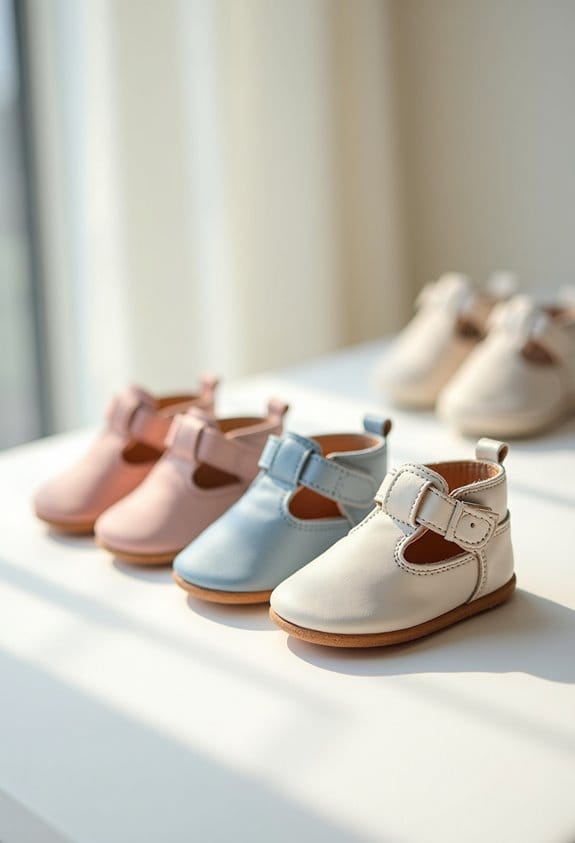
Vegan leather baby shoes are safe and durable, designed to protect your precious nugget’s sensitive feet. Made from non-toxic, hypoallergenic materials, they reduce risks of irritation and allergic reactions. Durable outer layers resist scuffs and often offer water resistance, perfect for active infants and toddlers. Lightweight and flexible, they support natural movement while lasting through daily play. Plus, their eco-friendly nature helps you choose sustainably. Keep exploring to learn how to care for and select the best pair.
Key Takeaways
- Vegan leather baby shoes are made from non-toxic, hypoallergenic materials, reducing risks of skin irritation and allergic reactions.
- Many vegan leathers feature tough, water-resistant outer layers that protect against scuffs and frequent wear.
- Lightweight, flexible designs support natural foot movement and comfort for growing babies.
- Eco-friendly production methods ensure shoes are safe, sustainable, and often biodegradable.
- Reinforced stitching and durable materials extend shoe lifespan, making them suitable for active infants.
Understanding Vegan Leather Materials Used for Baby Shoes

When you choose vegan leather baby shoes, you are often selecting materials that are kinder to both your precious nugget’s skin and the planet. Vegan leather used in baby shoes comes from various materials, including plant-based options like cork and cactus, known for being eco-friendly and biodegradable. Some innovative production processes also use mushroom mycelium and kombucha cellulose, which are strong and safe for infants. While synthetic materials such as polyurethane and polyvinyl chloride offer water resistance and durability, they bring certain environmental concerns due to fossil fuel use. Importantly, vegan leather avoids harmful chemicals found in conventional leather, reducing risks of skin irritation. These materials provide a soft, flexible fit, perfect for sensitive infant feet, balancing safety and sustainability in your baby footwear choices. Additionally, the use of non-toxic components ensures that these shoes minimize chemical exposure, safeguarding your baby’s delicate skin and health.
Durability Factors of Vegan Leather in Child Footwear

Durability plays an important role in choosing vegan leather baby shoes that keep up with your little explorer. Vegan leather footwear is built to handle everyday wear, with tough outer layers that resist scuffs and tears. Many vegan leather baby shoes offer water-resistant qualities, so spills and puddles won’t spoil playtime. Organic alternatives, like cork-based materials, often provide extra durability while staying lightweight. This keeps shoes flexible and comfortable, supporting your precious nugget’s natural movements. Compared to synthetic types, these organic options hold up better over time without losing strength. Lightweight vegan leather footwear also helps maintain shoe shape through many adventures. Overall, when you pick durable vegan leather shoes, you get comfort and lasting performance, keeping up with even the most active infants and toddlers. Additionally, choosing shoes with reinforced stitching can prevent early wear and extend the lifespan of the footwear.
Safety Aspects of Vegan Leather for Infant and Toddler Shoes

Several features make vegan leather baby shoes a safe choice for your precious nugget. Vegan leather is made from safe materials that are non-toxic, reducing exposure to harmful chemicals often found in traditional leather. These infant and toddler shoes are hypoallergenic, which helps prevent skin irritations and allergic reactions in sensitive little feet. The water-resistant quality of vegan leather also keeps feet dry and makes the shoes easy to clean after spills or outdoor play, promoting good hygiene. Despite being durable and tough, vegan leather remains lightweight, allowing your child to move freely as they grow and explore. Overall, these safety aspects make vegan leather a smart option for baby footwear that balances protection, comfort, and cleanliness during those early walking years. Additionally, vegan leather alternatives are often PETA-approved vegan materials, ensuring they meet animal welfare standards.
Benefits of Choosing Vegan Leather Shoes for Babies

Choosing vegan leather shoes for your baby brings many thoughtful benefits beyond safety. These shoes are hypoallergenic, which helps protect your precious nugget’s sensitive baby skin from irritations common with traditional leather. Made from eco-friendly materials sourced sustainably, they address ethical concerns by avoiding animal products and reducing environmental impact. Vegan leather shoes are also durable and water-resistant, so they hold up well during active play and messy adventures. Parents can find many fashionable options, with diverse colors and textures that suit every style. By choosing this footwear, you support a greener future while keeping your little one comfortable and stylish. This thoughtful choice blends care for your baby’s health with kindness for the planet, making vegan leather a smart, loving option for newborns to toddlers. Additionally, many vegan leather options feature non-toxic dyes and materials that are essential to avoid irritation to sensitive skin.
Caring for and Maintaining Vegan Leather Baby Shoes

When you care for vegan leather baby shoes properly, they stay looking great and last longer for your precious nugget. Cleaning these children’s shoes is simple—just use a soft cloth with mild soap to gently clean any dirt or spills. Since vegan leather is water-resistant, it handles wet surfaces and messy play well, but avoiding prolonged sun exposure helps maintain its texture and color. Regular care of your leather guarantees it stays durable and comfortable for your child’s active steps. If scuffs or marks appear, repair methods like applying liquid vegan leather or specific repair dyes can restore their good looks. With consistent care and attention, these shoes will remain a reliable, stylish choice that supports your little one through every adventure. Additionally, selecting shoes with breathable materials helps maintain foot health by reducing moisture build-up inside the shoe.
Where to Find Quality Vegan Leather Baby Shoes
Though it might feel tricky at first, finding quality vegan leather baby shoes is easier than you think. Brands like Baby Nanya, Cabooties, and Acorn offer cruelty-free options made with plant-based materials like cork or kombucha cellulose. Look for the certified vegan logo to verify the shoes meet ethical conditions and avoid animal products. You can find vegan baby shoes both online and in stores, with many styles designed for comfort and durability. These shoes often feature tough, lightweight outer layers that resist wear while keeping your precious nugget’s feet cozy. Choosing shoes from brands committed to eco-friendly production means you support both your child’s comfort and a kinder planet. With a little attention, you’ll find durable, safe, and cruelty-free footwear perfect for your little one. It’s important to select shoes with breathable materials to ensure your toddler’s feet stay dry and comfortable throughout their adventures.
Frequently Asked Questions
Is Vegan Leather Safe for Babies?
Vegan leather is considered safe for babies due to its use of eco friendly materials, non toxic certifications, and breathable fabrics. It minimizes chemical exposure risks, respects ethical sourcing practices, and promotes comfort, flexibility, and healthy baby skin sensitivity and development.
Are Vegan Leather Shoes Durable?
Like a sturdy seedling thriving in tough soil, vegan leather shoes show notable durability. Comparison studies and usability assessments reveal eco-friendly materials balance environmental impact with fashion alternatives, while customer perceptions and care instructions reflect evolving production processes and practicality.
What Is the Downside of Vegan Leather?
The downside of vegan leather includes ethical sourcing challenges, negative environmental impact from manufacturing processes, breathability concerns, and maintenance challenges. Despite improved faux leather alternatives benefiting animal welfare, price comparison often reveals higher costs than genuine leather.
How Long Does Vegan Leather Typically Last?
Vegan leather typically lasts 1 to 3 years, depending on brand quality, sourcing materials, and production processes. Sustainability benefits and environmental impact vary; proper care instructions prolong durability. Style options and cost comparison influence consumer choice.