As an Amazon Associate, we earn from qualifying purchases. Some links on this site are affiliate links at no extra cost to you. Our recommendations are based on thorough research and editorial judgment.


How to Identify Quality Construction in Baby Footwear

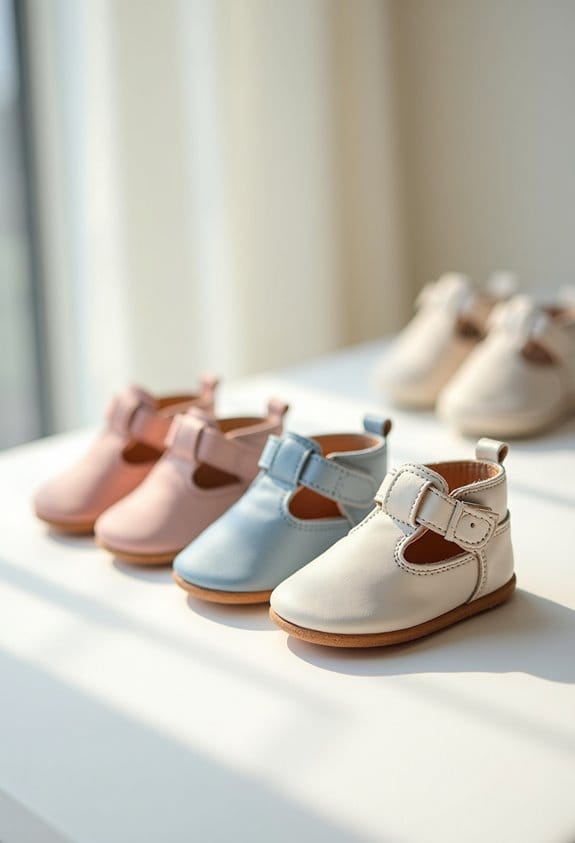
You can spot quality baby footwear by checking for soft, breathable materials like genuine leather that protect your precious nugget’s feet. Look for cushioned insoles with memory foam to keep tiny feet comfy and dry. The outsole should flex easily and provide good grip, bending where the foot naturally moves. A roomy, rounded toe box supports growing toes, while snug heels prevent slipping. Durable stitching and adjustable closures also matter for daily ease and safety. Explore these features to better support your child’s first steps.
Key Takeaways
- Inspect stitching for tight, even seams and reinforced edges to ensure durability and prevent wear and tear.
- Check for genuine leather or high-grade synthetic fabrics that offer breathability and reduce irritation.
- Verify the outsole is securely attached, flexible, and has deep tread patterns for good traction and shock absorption.
- Ensure the shoe has a roomy, rounded toe box for natural toe alignment and comfortable foot movement.
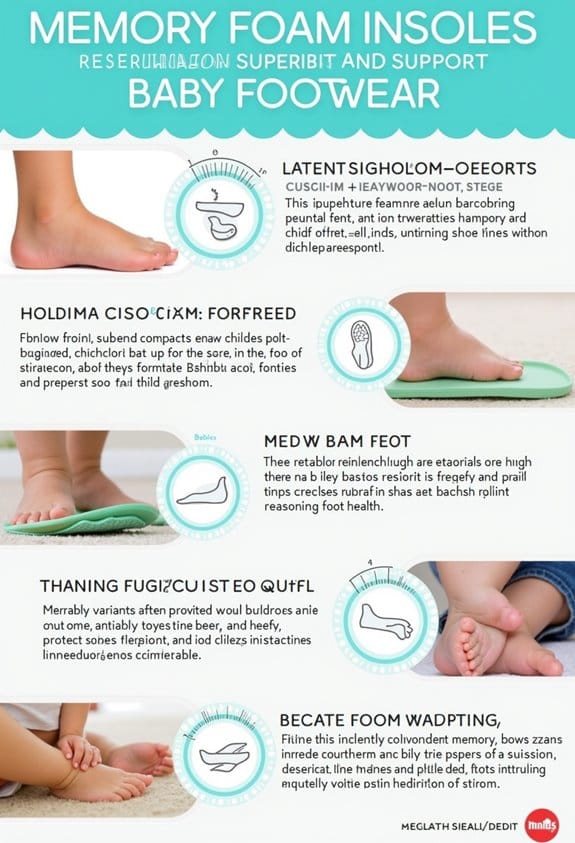
- Look for cushioned, moisture-wicking insoles with memory foam to provide comfort and reduce strain on baby’s feet.
Material Quality and Breathability
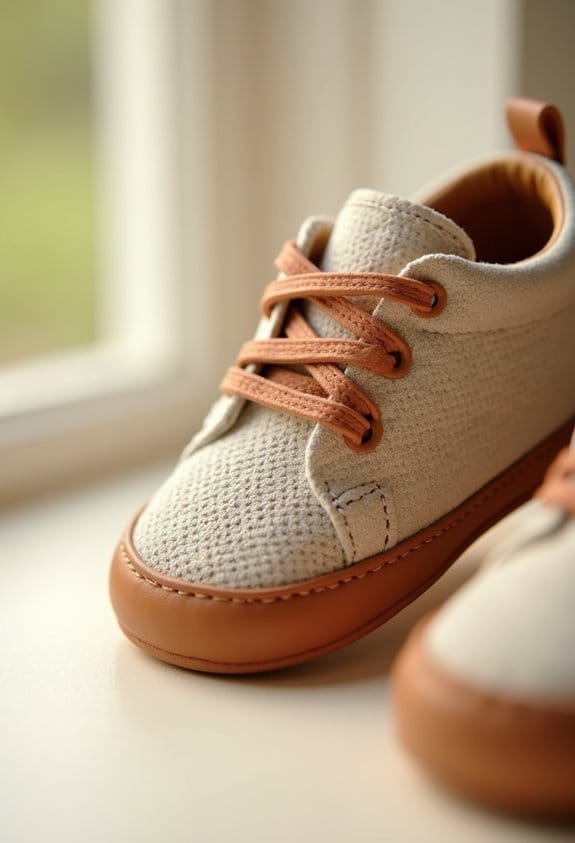
The materials used in baby footwear play a key role in keeping your little one’s feet healthy and happy. Material quality matters a lot when choosing shoes for your precious nugget. Genuine leather and high-grade synthetic fabrics are top picks because they offer good breathability and ventilation. This helps keep your baby’s feet dry and comfortable, which is important during active play. Shoes with breathable materials reduce irritation and blisters, allowing your child to wear them longer without fuss. Durable construction is equally important; tight stitching and reinforced edges make certain the shoes hold up against wear and tear. By focusing on these factors, you can guarantee comfort and support for your baby’s developing feet, letting them explore confidently with each tiny step. Incorporating lightweight cushioning and stretchy uppers also enhances comfort and supports natural foot growth.
Insole Comfort and Padding
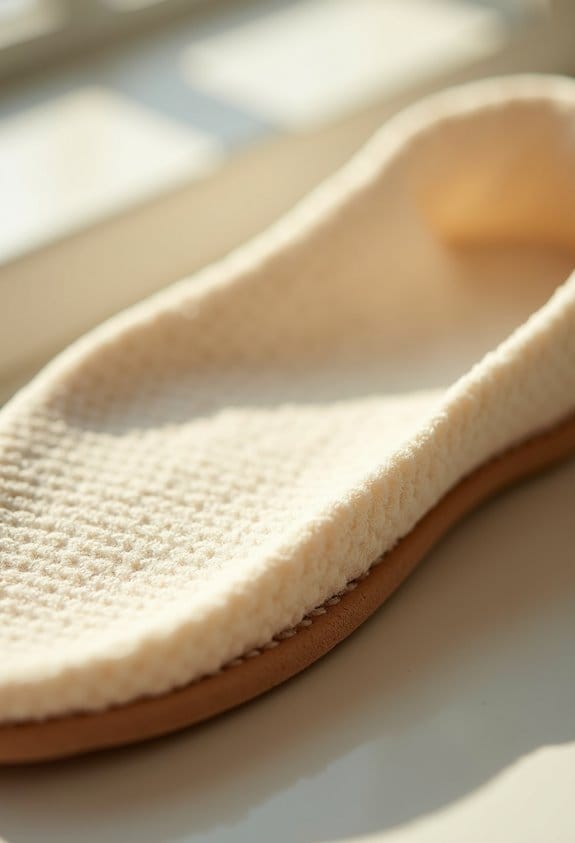
Comfort is key when it comes to your baby’s insoles, as they provide essential support with every step. Quality insoles often use memory foam to offer soft cushioning that molds gently to your precious nugget’s feet. This padding helps with shock absorption, reducing strain on tender joints as your little one learns to walk. Look for insoles with moisture-wicking materials to keep feet dry and prevent blisters or odors during active play. Thicker, insulated padding also adds warmth, protecting tiny feet from cold floors. Removable insoles are a bonus; you can clean or replace them easily to maintain hygiene. Overall, insole comfort and support are crucial for helping your baby’s feet grow strong and healthy in their first shoes. Many shoes, like the Eashi Infant Walking Shoes with Memory Sole, include memory foam insoles that provide essential cushioning and comfort during early walking stages.
Recommended Products

Breathable & Comfortable:These unisex baby socks shoes with non slip rubber soft Sole, knitted with soft breathable combed cotton. The insole is a memory insole, which fits the shape of the baby's feet, fit snugly and comfortably, adapting to your toddler’s natural foot movements. Super flexible , lightweight and comfortable fit all seasons.

𝗕𝗿𝗲𝗮𝘁𝗵𝗮𝗯𝗹𝗲 𝗨𝗽𝗽𝗲𝗿 𝗳𝗼𝗿 𝗔𝗹𝗹-𝗗𝗮𝘆 𝗖𝗼𝗺𝗳𝗼𝗿𝘁: Designed with a breathable upper that promotes airflow and keeps little feet cool and dry, these toddler shoes are perfect sensory shoes for toddlers who need a fresh feel during play, outings, or everyday wear.

Take every step in a stylish way wearing the sleek and stylish Stride Rite SRT Ian Sneakers. Crafted from a leather, textile and man-made upper, these shoes offer a hook-and-loop closure with an elastic lace panel for easy wear.
Outsole Traction and Flexibility
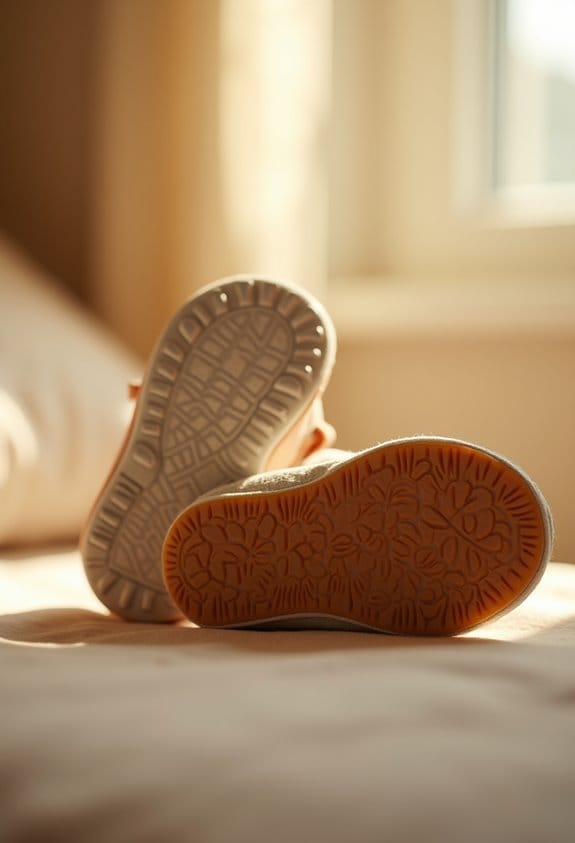
After ensuring your baby’s insoles offer soft support, it’s important to check how the shoe grips the ground. The outsole should have deep, well-defined tread patterns for excellent traction, helping your precious nugget stay steady while crawling or taking first steps. Flexibility is key, too; a quality outsole bends at the ball of the foot, not the middle, encouraging natural movement. Look for durable rubber compounds that provide strong grip on various surfaces and resist wear, so the shoes last. Proper shock absorption matters as well, protecting little feet from bumps during play. Finally, examine the outsole’s attachment to the upper part—secure construction quality with no gaps or visible glue means the shoes are built to endure your baby’s adventures. Additionally, flexible soles aid in natural foot movement and balance, which is essential for healthy toddler development.
Recommended Products

Breathable & Comfortable:These unisex baby socks shoes with non slip rubber soft Sole, knitted with soft breathable combed cotton. The insole is a memory insole, which fits the shape of the baby's feet, fit snugly and comfortably, adapting to your toddler’s natural foot movements. Super flexible , lightweight and comfortable fit all seasons.
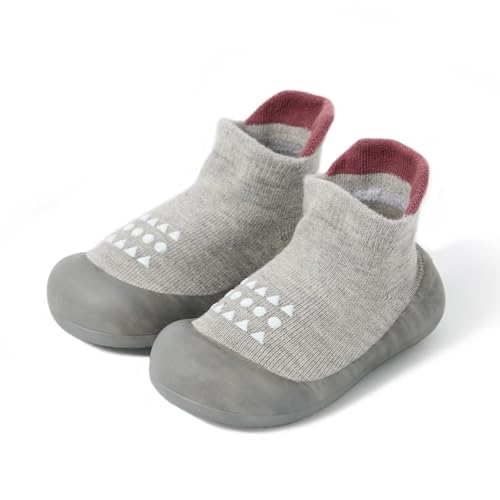
Indoor/outdoor shoes&walking shoes : These unisex baby slipper shoes are made from soft breathable cotton and non slip rubber Soft Sole. Super Soft and Comfortable fit all the year. The shoes are smooth and breathable and won't hurt your baby's delicate skin.
Breathable & Comfortable:These unisex baby socks shoes with non slip rubber soft Sole, knitted with soft breathable combed cotton. The insole is a memory insole, which fits the shape of the baby's feet, fit snugly and comfortably, adapting to your toddler’s natural foot movements. Super flexible , lightweight and comfortable fit all seasons.
Toe Box Shape and Space

Toe box shape plays an essential role in your baby’s foot health and comfort. A properly designed toe box mimics the natural foot shape, offering ample space for little toes to wiggle and grow. Look for a rounded toe box, which helps keep your precious nugget’s toes aligned and prevents pinching or discomfort. Ideally, there should be about 0.5 inches of extra room between the longest toe and the shoe’s front. This space allows for foot movement and growth, usually fitting feet up to 5 inches long comfortably. Also, the toe box must be deep enough to avoid pressure points, letting the material ripple slightly without squeezing. Choosing footwear without a well-sized toe box helps protect your baby from foot problems caused by ill-fitted shoes. A wide toe box also enhances natural toe movement and balance, crucial for healthy foot development.
Recommended Products

Wide Round Toe: The unique design of the toe can make the baby's feet free movement, body balance is not afraid of falling, anti-collision to help crawling

〓 Comfy Baby Barefoot Sneakers: Crafted with soft mesh uppers and honeycomb insoles, these sneakers ensure 360°airflow to keep tiny feet dry and odorless during play. The ideal pair for all seasons

[ Wide Toe Box for Chubby Feet ]: Designed specifically for toddler feet, our wide toe box prevents squeezing and discomfort. It allows little toes to splay and grip naturally, promoting healthy arch development and better balance during their crucial first steps
Supportive Structure and Heel Stability
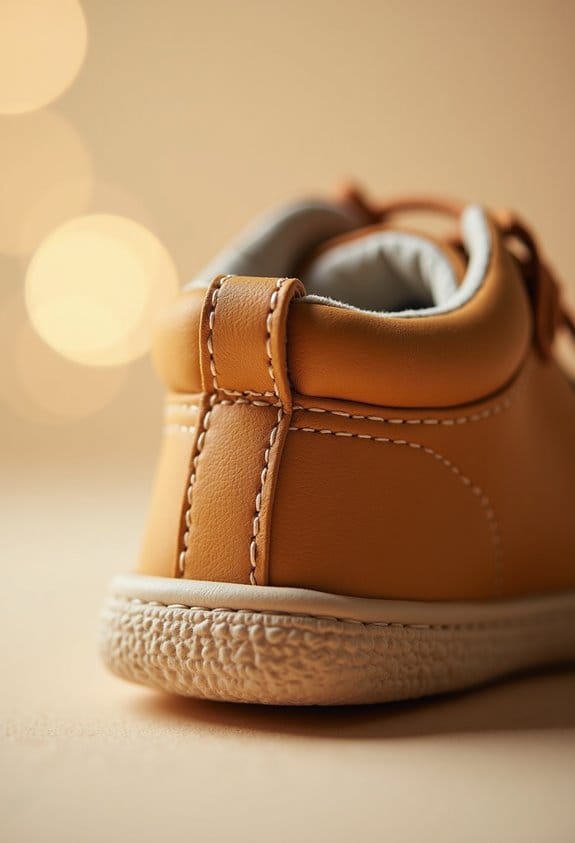
A well-constructed baby shoe includes more than just a soft exterior. It features a supportive structure with built-in arch support to help maintain your precious nugget’s natural shape and prevent flat feet. The heel counter is firm, retaining its shape when pressed, which guarantees stability and stops the foot from rolling inward or outward. Quality baby shoes fit snugly around the heel, reducing slippage and keeping alignment during your little one’s wobbly steps. A flexible sole is key, allowing natural movement while providing proper support for healthy foot development. Inside, a cushioned insole adds comfort and works with the stable heel to lower the risk of ankle injuries. Choosing shoes with these features helps keep your baby steady and comfortable as they grow and explore. Additionally, selecting shoes with anti-collision toe caps provides essential protection for the delicate toes during early walking stages.
Recommended Products
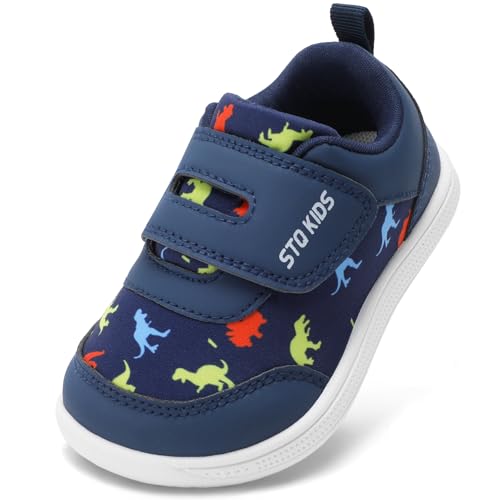
[ Wide Toe Box for Chubby Feet ]: Designed specifically for toddlers with wide or thick feet. The spacious front room prevents toe squeezing and blisters, allowing your little one’s toes to stretch naturally. This zero-drop barefoot design eliminates the pain of breaking in new shoes, ensuring absolute comfort for early walkers

Encourage style and comfort for your little one wearing the faux-leather Stride Rite SR-Taye 2.0 hook-and-loop sneaker.

Designed for Little Explorers: Soft, flexible sneakers for 1-3 year olds taking their first steps provide gentle arch support and cushioned soles to protect delicate feet while encouraging natural movement
Durability and Stitching Quality
While supportive structure helps keep your baby’s feet steady, the shoe’s durability guarantees that protection lasts through all those tiny adventures. Look for footwear with tight, even stitching that shows no loose threads or gaps, as this is key for durability and long-lasting wear. Reinforced stitching at high-stress points, like the heel and toe, helps prevent tearing when your precious nugget is on the move. The quality of construction also depends on a strong attachment between the upper and sole, so inspect this joint carefully. Avoid shoes with visible glue marks, as these often point to weak assembly. By choosing footwear with consistent stitching and secure attachment, you confirm your little one’s shoes stay reliable and comfortable through every step. Additionally, considering shoes with flexible soles enhances durability while supporting natural foot movement.
Proper Fit and Sizing Guidelines
How can you be sure your baby’s shoes actually fit right? Start by measuring the shoe size regularly, as your precious nugget’s feet can grow half a size or more every two months. A proper fit means the shoe matches your child’s foot shape, not just length but width and depth too. When your child stands, check for snug heel fitting; the heel should stay secure with minimal slippage. The toe box should allow toes to wiggle freely without pressing forward. Try shoes on with socks or tights similar to what your child usually wears. Look for a comfortable fit right away—no break-in time needed. Perform a heel grip test, ensuring the shoe fully envelops the foot without gaps or tight spots. This approach protects growing feet, providing comfort and support. Additionally, selecting shoes with adjustable closures like hook-and-loop straps guarantees a more secure and customized fit for your infant.
Adjustability Features for Growing Feet
Because your precious nugget’s feet grow quickly, shoes with adjustable features become essential. These features, like Velcro straps or laces, help provide adequate shoe fitting as children’s feet change size and shape often. Shoes designed with adjustable closures allow for easy customization, delivering proper support and maximum comfort for growing feet. Look for footwear with multiple adjustment points to accommodate width and height variations, ensuring comfortable shoes that fit snugly without pinching or slipping. Adjustable features also encourage independence, giving your child the chance to learn how to fasten their shoes securely. Choosing shoes with these thoughtful details safeguards your little one’s foot development while making daily shoe-wearing easier for both parents and kids who need support and flexibility. Additionally, selecting shoes with adjustable hook-and-loop closures facilitates independent dressing for toddlers, promoting both convenience and comfort.
Frequently Asked Questions
How to Recognize Quality Shoes?
Quality shoes exhibit superior stitching quality, flexible soles bending at the toe box, reputable brand names, comfortable insoles, appropriate heel height, balanced weight distribution, and premium shoe materials ensuring durability and support for ideal foot health and comfort.
What Month Is 4C in Baby Shoes?
The 4C shoe size typically corresponds to infants aged 6 to 12 months. In baby shoe sizing, this falls within the baby footwear guide’s shoe size range, with careful reference to the shoe width chart and footwear measurement guide for proper toddler shoe fit.
What to Look for in Children’s Shoes?
Children’s shoes should feature breathable materials and flexible soles to support natural movement. Durable stitching and cushioned insoles guarantee longevity and comfort, while adjustable straps, a proper fit, lightweight design, and supportive arches promote healthy foot development.
How to Test Shoe Quality?
Shoe quality testing involves evaluating stitching integrity, sole flexibility, and material durability. Assess fit assessment, analyze construction techniques, consider brand reputation, compare value, and review design aesthetics to guarantee peak performance and long-term satisfaction.