As an Amazon Associate, we earn from qualifying purchases. Some links on this site are affiliate links at no extra cost to you. Our recommendations are based on thorough research and editorial judgment.

How Balance and Coordination Develop in New Walkers

Balance and coordination in new walkers develop over 3 to 6 months as their muscles strengthen and joints gain flexibility. Early on, your precious nugget may walk stiffly with arms in a “high guard” position for support. Core muscles play a big role in keeping them steady, while sensory input from their feet helps them adjust balance. Guided play with varied movements and proper shoes encourages smoother steps. You can explore more ways to nurture these important milestones.
Key Takeaways
- New walkers initially show stiff, cautious steps and high guard arm positions that gradually smooth out over 3 to 6 months with practice.
- Core strength development is vital for posture and balance, supported by activities like high kneeling and stability ball exercises.
- Sensory input from varied textures and repetitive movements enhances motor skills and coordination in early walking stages.
- Gaining flexibility in joints and mastering degrees of freedom improves walking fluidity and balance control.
- Encouraging diverse movements—walking in different directions and navigating uneven surfaces—develops dynamic balance and coordination.
Early Movement Patterns in New Walkers

Many new walkers show some common early movement patterns as they learn to find their balance. At first, your precious nugget might hold their arms up high in a “high guard” position while taking stiff, cautious steps. This helps them with basic balance and coordination as their motor skills begin developing. New walkers often lock their joints, which can make their movements look a bit robotic. Over time, as balance improves, you’ll notice their arms lowering and steps becoming smoother. It usually takes 3 to 6 months for these early patterns to shift into a more mature walk. During this stage, your child is gradually mastering coordination, learning to bend their knees and shift weight more naturally—key steps in growing their overall motor skills and confidence. Using shoes with adjustable straps can support this development by providing a snug yet flexible fit as their feet grow and balance improves.
The Role of Core Strength in Walking Stability

As your precious nugget moves from stiff, cautious steps to a smoother walk, their ability to stay steady depends a lot on core strength. Strong muscles in the tummy and back help maintain posture, which is essential for balance and coordination. Without enough core strength, your child might wobble or have trouble standing still. This can make walking look stiff or robotic. Core strength also supports smoother motor development by helping limbs move more freely during walking. Activities like high kneeling or play on stability balls build this important strength. When a child’s core is stronger, they shift better from dynamic moves to steady standing, improving walking stability and control. Encouraging core-building games helps your precious nugget gain confidence in each step they take. Choosing baby walking shoes with flexible soles and cushioned insoles can further enhance balance and comfort as your child learns to walk.
Understanding Degrees of Freedom in Motor Development
How does a child learn to move with greater ease and control as they grow? The answer lies in mastering degrees of freedom in motor development. Early walkers often keep their legs stiff, limiting movement and control. Over time, your precious nugget begins to access these degrees of freedom by bending knees and using joints more freely. This shift helps improve gross motor skills, allowing smoother steps and better balance. Think of it like crossing a balance beam: initially cautious, but gradually more confident and flexible. As coordination and muscle control develop, children gain the ability to adjust their movements easily. This newfound freedom lets them navigate obstacles, change speed, and walk with greater fluidity. Understanding this progression highlights just how remarkable your child’s growing motor skills truly are. Supporting this development with footwear that offers non-slip soles and flexibility can further encourage confident walking.
Activities That Promote Balance and Coordination

While learning to walk, your precious nugget benefits greatly from activities that gently challenge balance and coordination. Encouraging your little one to walk forwards, backwards, and sideways helps develop control over their movements. Passing through stairs, ramps, and uneven surfaces offers varied challenges that boost dynamic balance and coordination. Playgrounds provide fun spots where climbing and balancing build stability through engaging movement. Animal walks mimic different limb actions, improving gross motor skills and coordination with playful motions. Adding jumping games not only enhances coordination but also improves timing and physical confidence. These activities work together to support your child’s walking skills, making balance and coordination stronger in a natural, enjoyable way. Simple, varied movement experiences help your precious nugget grow with confidence and control. Choosing non-slip soles in their walking shoes can further protect and stabilize toddlers as they explore these activities.
Recommended Products

Breathable & Comfortable:These unisex baby socks shoes with non slip rubber soft Sole, knitted with soft breathable combed cotton. The insole is a memory insole, which fits the shape of the baby's feet, fit snugly and comfortably, adapting to your toddler’s natural foot movements. Super flexible , lightweight and comfortable fit all seasons.

[Breathable & Soft Cotton]:These toddler socks shoes are crafted with soft, breathable cotton, offering all-day comfort for your little one’s delicate feet. Perfect for all seasons, these infant non-slip breathable slippers keep feet cool in the summer and warm in the winter. Whether your child is indoors or outdoors, the breathable fabric ensures there’s no moisture buildup, keeping feet dry and cozy all day long.

Breathable: These toddler walking sock shoes keep baby feet cool and comfortable during daily activities with excellent breathability.
Importance of Sensory Input for Motor Skills
Encouraging your precious nugget to explore different movements naturally brings attention to how their senses guide those steps. Sensory integration is key for developing motor skills and balance in new walkers. Inputs from the vestibular, visual, and proprioceptive systems help your little one understand their body’s position in space. When toddlers crawl on various textures or walk on uneven surfaces, they get rich sensory feedback. This variety improves how their brain processes sensations, strengthening coordination. Repetitive actions like bending, reaching, and turning also stimulate sensory pathways essential for balance. The quality and range of sensory experiences you offer directly affect your child’s progress. Providing consistent, varied sensory input supports smoother, more confident movement as they master new skills. Choosing shoes with flexible soles that provide sensory feedback can further enhance balance development in new walkers.
Encouraging Safe Exploration and Movement
Regularly offering a safe, open space allows your precious nugget to explore movement confidently. Creating areas with minimal furniture and obstacles supports safe exploration. Engaging your toddler in activities that challenge their walking pattern, like stepping on pillows or sand, helps them adjust to new physical challenges. Incorporate play that encourages bending, squatting, and reaching to strengthen core muscles and improve coordination. Push toys and simple obstacle courses are excellent tools for promoting walking skills while keeping safety in mind. Always supervise your toddler closely during climbing or balancing games to prevent falls. These strategies support your little one’s growing balance and coordination, making each step a chance to build skill and confidence in a secure environment. Providing your toddler with shoes featuring non-slip soles helps enhance stability and prevents slips during exploration.
Recommended Products

Baby Sit-to-Stand Walker Learning Toys: This innovative baby push walker is designed to naturally encourage your baby's walking development, providing gentle support to inspire those precious first steps while turning the learning process into a joyful exploration. More than just a walking aid, it's a reliable companion that grows with your little explorer every step of the way
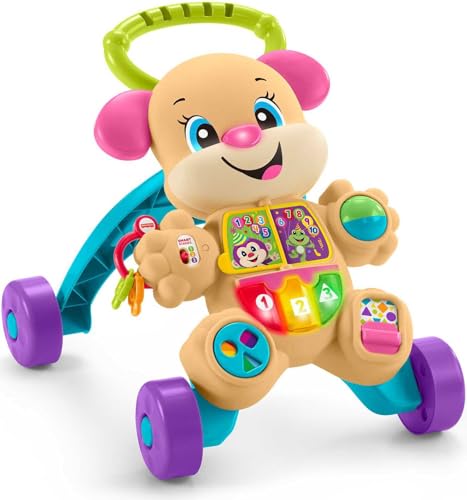
Musical baby walker with 2 ways to play as your child grows: sit & play or stand & walk
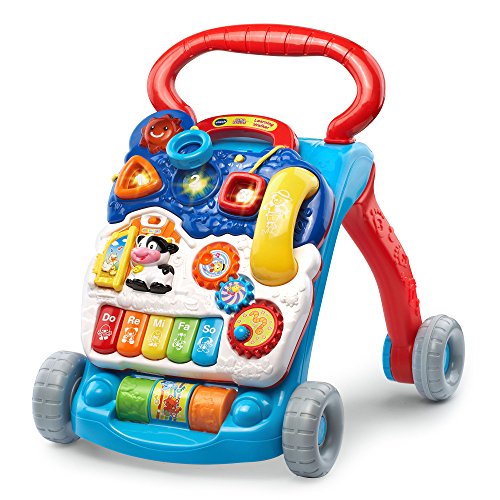
Removable Tray: The activity-packed, detachable panel is perfect for babies who can sit up; it can also re-attach to the walker for on-the-run fun on both carpet and bare floors
Monitoring Progress in Gross Motor Skills
Observing your precious nugget as they explore and move gives you important clues about their gross motor skills. Monitoring the development of these skills helps you see if they reach key milestones, like walking forwards independently by around 12 to 15 months. Pay attention to their ability to stand steadily without wobbling before taking steps. Watching how smoothly they move and how often they fall also shows how well their balance and coordination are growing. Encouraging walking on different surfaces and gentle obstacles lets you track progress in real situations. Comparing your child’s movements to typical peers’ skills can offer useful insight too. Regularly checking these signs guarantees any delays are noticed early, helping you provide the best support as your little one gains confidence and control in walking. Choosing appropriate footwear with features like sole traction can further support safe walking practice during this crucial stage.
Common Challenges and Variations in Walking
Although every precious nugget learns at their own pace, new walkers often show common challenges and variations in their early steps. Many display stiff-legged movements or hold their arms high, known as the high guard position, to help with balance. Wide stances and unusual arm positions are frequent as your child uses extra muscles to stabilize. It usually takes about 3 to 6 months after first steps for walking to become smoother and more coordinated. Some children show gait differences like in-toeing or out-toeing, which often resolve naturally. However, if these persist past three months, a motor skills evaluation might be needed. Factors like muscle tone, core strength, and sensory processing also shape balance and walking style during this important developmental phase. Ensuring your child wears properly fitting shoes with anti-slip soles and breathable materials can support safer and more comfortable walking experiences.
Recommended Products

FEETCITY Baby First Walking Shoes Boys Girls Toddler Sneakers Anti-Slip Newborn Crib Shoes Dark Grey
Upper:Knitted Mesh Upper offers comfort and air permeability,has excellent breathability,moisture wicking function,and keep baby's feet dry and odorless.Super Soft,Breathable and Comfortable fit all the year

Breathable & Comfortable:These unisex baby socks shoes with non slip rubber soft Sole, knitted with soft breathable combed cotton. The insole is a memory insole, which fits the shape of the baby's feet, fit snugly and comfortably, adapting to your toddler’s natural foot movements. Super flexible , lightweight and comfortable fit all seasons.

Wide Round Toe: The unique design of the toe can make the baby's feet free movement, body balance is not afraid of falling, anti-collision to help crawling
Tips for Supporting Your Child’s Motor Development
Supporting a new walker’s motor development means offering plenty of chances to move and explore safely. Providing your precious nugget with varied movements—walking forwards, backwards, and sideways—can boost balance and coordination. Encouraging play that limits long sitting periods helps promote independent exploration, which is essential for learning to walk. Incorporate fun activities like jumping games or animal walks to build motor skills while keeping them engaged. Use push toys and simple obstacle courses, designed for toddlers, to strengthen muscles and develop balance. Keep an eye on your child’s milestones as they grow, and don’t hesitate to consult a professional if you notice any delays. These tips for supporting your child’s motor development can create a solid foundation as they learn to walk confidently and safely. Choosing equipment with adjustable height options ensures comfort and safety as your child grows and develops new skills.
Frequently Asked Questions
How Does Walking Improve Balance and Coordination?
Walking improves balance and coordination by refining gait patterns, enhancing proprioceptive feedback, and promoting sensory integration. This process enables better body awareness and adaptive motor responses, leading to more stable and coordinated movements in new walkers.
How Do Children Balance When They Are First Learning to Walk?
Like tightrope walkers on a wire, children rely on balance techniques involving sensory integration and muscle strength. High guard arm positions and wide stances help stabilize their bodies as they refine coordination and develop core control.
Does Walking With a Walker Improve Balance?
Walker benefits for balance are limited; mobility aids like walkers may provide temporary support but often hinder natural balance development. Safety considerations also discourage their use, as walkers can increase accident risks and delay essential coordination skills.
How Is Balance Maintained While Walking?
Balance is maintained while walking through intricate balance mechanisms integrating vestibular, visual, and proprioceptive inputs. Coordination strategies evolve alongside developmental milestones, enabling refined motor control and dynamic stability, ultimately facilitating smooth, adaptive gait patterns in new walkers.


