As an Amazon Associate, we earn from qualifying purchases. Some links on this site are affiliate links at no extra cost to you. Our recommendations are based on thorough research and editorial judgment.


How Heel Counters Support Baby’s First Steps

Heel counters are small but mighty supports found at the back of your baby’s first walking shoes. They keep the shoe firm and the heel steady, giving your precious nugget the balance and ankle support they need while learning to walk. This helps growing feet stay aligned and prevents issues like flat feet or instability. A good heel counter stays stiff under pressure and promotes safe, confident steps. Keep exploring to discover how to pick the best shoes for your little one’s feet.
Key Takeaways
- Heel counters provide firm support to stabilize the heel and ankle during a baby’s first steps.
- They maintain shoe shape, preventing heel collapse that can cause instability.
- Proper heel counters encourage correct foot alignment, reducing flat foot risks.
- They offer essential stability for balanced gait development and muscle strengthening.
- Quality heel counters ensure comfort and protect growing feet from injury during early walking.
What Is a Heel Counter?

A heel counter is a small but essential part of your precious nugget’s shoes. This supportive shoe feature sits at the back of the shoe, helping keep its shape and offering stability to the heel when your little one moves. Typically made from treated cardboard or thermoplastic, a heel counter prevents the heel from collapsing or squeezing uncomfortably. In quality toddler shoes, it will be stiff enough to support the ankle and heel properly. This support is important because it helps maintain alignment as your child’s feet grow and change. On the other hand, low-cost shoes might lack a good heel counter, which can lead to instability and discomfort. Choosing shoes with a well-built heel counter means your precious nugget gets the support needed during early walking stages. A reinforced heel in these shoes also helps prevent deformation and provides extra stability.
Role of Heel Counters in Early Walking Shoes

Heel counters play an essential role in early walking shoes by providing stability where your precious nugget needs it most. This part, often called the heel cup, helps support and protect your child’s first steps by maintaining proper foot alignment. A firm heel counter stops the shoe from collapsing around the heel, giving the ankle steady support as your toddler moves. Walking shoes with a stiff heel cup encourage stronger muscles and better control during those unsteady early tries at walking. This support reduces the chance of injury and helps your little one develop a natural, balanced gait. Choosing shoes with well-structured heel counters is key for healthy foot development in babies just beginning to walk, offering the reliable foundation they need to grow confident on their feet. Additionally, shoes featuring non-slip soles complement heel counters by enhancing overall stability and safety during early walking stages.
Recommended Products

Breathable & Comfortable:These unisex baby socks shoes with non slip rubber soft Sole, knitted with soft breathable combed cotton. The insole is a memory insole, which fits the shape of the baby's feet, fit snugly and comfortably, adapting to your toddler’s natural foot movements. Super flexible , lightweight and comfortable fit all seasons.

Wide Round Toe: The unique design of the toe can make the baby's feet free movement, body balance is not afraid of falling, anti-collision to help crawling

Breathable & Comfortable:These unisex baby socks shoes with non slip rubber soft Sole, knitted with soft breathable combed cotton. The insole is a memory insole, which fits the shape of the baby's feet, fit snugly and comfortably, adapting to your toddler’s natural foot movements. Super flexible , lightweight and comfortable fit all seasons.
How Heel Counters Provide Stability
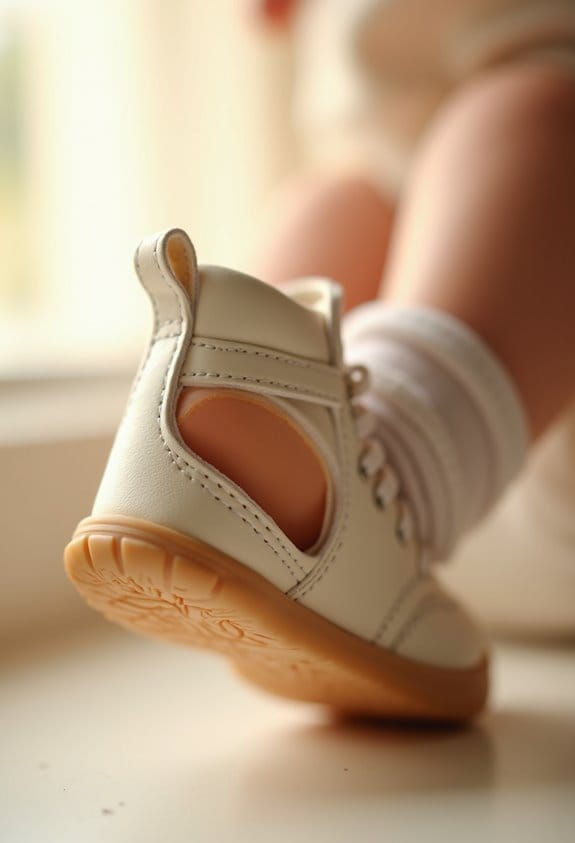
Stability at the back of a toddler’s shoe is essential for steady steps and confident balance. The heel counter, a stiff piece inside the heel, plays a key role in this stability. It supports your baby’s developing foot, keeping the heel and ankle aligned as your precious nugget takes those first wobbly steps. Without proper heel stability, toddlers risk rolling their ankles, which makes walking harder and less safe. A strong heel counter helps maintain proper gait mechanics, guiding healthy foot development as your child moves from crawling to walking. This firm support creates a stable platform from heel to toe, so your little one can explore confidently. When checking shoes, look for a heel counter that offers real, firm stability to protect those first steps. In addition, choosing shoes with a snug heel fit ensures steady support without slipping, which complements the stability provided by the heel counter.
Identifying a Quality Heel Counter

Proper support at the back of your toddler’s shoe is key for those first wobbly steps. To identify a quality heel counter, check how stiff it feels. A good heel counter offers solid resistance when you gently squeeze it. This firmness helps keep your precious nugget’s heel stable and aligned, protecting the developing child’s foot. Quality materials include treated cardboard or thermoplastic, which hold their shape well. Avoid shoes with bendable or soft backs, as these can fail to support the heel properly and affect foot shape. Investing in a shoe with a sturdy heel counter means better support for active toddlers learning to walk. This care helps maintain shoe shape and promotes healthy foot development during these vital early months. Many top-rated baby walking shoes feature a reinforced heel designed specifically to provide this crucial support for toddlers.
Recommended Products

【FOOT HEALTH & WIDE TOE BOX】 Designed with a spacious, foot-shaped toe box to prevent toe pinching. These toddler sneakers allow natural movement and healthy growth, making them ideal for active kids aged 2 to 6.5 years.

Wide Round Toe: The unique design of the toe can make the baby's feet free movement, body balance is not afraid of falling, anti-collision to help crawling

Knitted Upper: Baby shoes uppers offers comfort and air permeability, has excellent breathability, moisture wicking function,and keep baby's feet dry and odorless.Super soft, breathable and comfortable fit all the year
Effects of Poor Heel Support on Baby’s Foot Development

Many toddlers experience difficulty walking when their shoes lack firm back support. Proper heel support is essential for your precious nugget’s stability as they take those first steps. Without it, the ankle can become unstable, increasing the risk of falls. Poor heel support may cause the heel to collapse, leading to misaligned childrens foot development and possibly flat feet. Shoes missing a stiff heel counter can restrict natural foot movement, making walking uncomfortable and delaying confidence. Additionally, toddlers might adopt awkward walking patterns that affect balance and motor skills. Since childrens foot bones are still growing, inadequate heel support can cause long-term issues. Choosing shoes with good heel support helps protect your little one’s developing feet and encourages steady, happy steps during these exciting early months. Selecting shoes with non-slip rubber soles also enhances stability and prevents slips during active play.
Comparing Heel Counters in Different Types of Toddler Shoes
When choosing toddler shoes, you’ll notice many options differ in heel counter quality and support. High-quality shoes for your precious nugget typically have stiff, reinforced heel counters made from treated cardboard or thermoplastic. These heel counters hold the heel firmly, helping keep your child’s feet properly aligned and stable during those exciting first steps. On the other hand, low-cost shoes often have weak or absent heel counters, which can let the heel collapse and cause instability. To check a shoe’s heel counter, gently squeeze the back and sides; if it easily folds inward, the support isn’t enough. The best toddler shoes combine a fixed heel counter with a flexible sole, balancing support with natural movement, so your child’s feet stay safe, comfortable, and ready to explore. Proper heel support is essential because it plays a significant role in healthy foot development during early walking stages.
Recommended Products

✅1.HUMANIZED HIGH ARCH SUPPORT : Humanized comfort and high arch support,special for Kids. Post to assist in a greater arch support and overpronation correction. They are a trusted solution to improve foot function, decrease arch pain and help alleviate common foot conditions caused by overpronation.

Easy Comfort: The upper of our baby shoes is made of synthetic leather and textile materials, which is duralble and breathable, and the collar features padding for slip-in comfort around the ankle
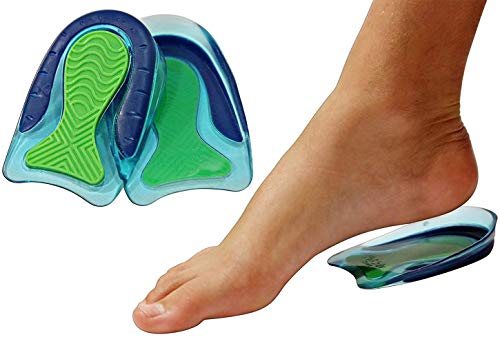
Designed for kids with heel sensitivity from Severs Disease, Plantar Fasciitis, or any other undiagnosed heel pain issues.
The Connection Between Heel Counters and Ankle Support
A firm heel counter plays a key role in supporting your toddler’s ankle during those first wobbly steps. This part of the shoe wraps around the back of your precious nugget’s heel, providing ankle support by keeping the heel stable and preventing it from collapsing. When the heel counter is sturdy, it helps align the ankle properly, making walking safer and more balanced. Physiotherapists recommend firm heel counters to encourage healthy foot growth in early childhood. Shoes with rebuildable heel counters maintain their shape, which protects your toddler’s growing feet from injury. Be cautious with low-cost shoes, as they often lack strong heel counters and ankle support. Choosing footwear with this feature helps your little one step confidently and comfortably on the journey to walking. Additionally, soft suede soles complement firm heel counters by providing gentle traction and preventing slips during early walking stages.
Importance of Heel Counter Stiffness and Shape
Building on the importance of a firm heel counter, the stiffness and shape of this part of the shoe also play a big role in your toddler’s foot health. A proper heel counter provides just the right support to your child’s feet, stabilizing the ankle and heel as they take those wobbly first steps. When firm but not too rigid, it helps keep the leg and foot aligned properly. This alignment reduces the risk of flat feet developing in your little one’s precious feet. Make sure the heel counter holds its shape and doesn’t collapse when squeezed—this shows good quality and proper support. Avoid low-cost shoes that often miss this key feature, as they may compromise comfort and stability for your child’s early walking adventures. Additionally, choosing shoes with developmental foot alignment features like flexible soles and wide toe boxes further promotes healthy walking habits.
Signs of a Collapsing Heel Counter in Shoes
One clear sign of a collapsing heel counter is when the back of the shoe easily bends or folds under gentle pressure. You can check this by gently squeezing the heel area. A sturdy heel counter stays firm and doesn’t fold or collapse, giving your precious nugget’s developing feet the support they need. If the heel counter feels floppy or weak, it might lead to ankle instability, especially in toddlers taking their first steps. Low-cost shoes often lack this firmness, which can affect your child’s walking balance. Watching for these signs helps you choose shoes that protect your child’s growing feet and promote proper gait. Remember, a strong heel counter is a key for comfort and security during those early, wobbly toddling days. Additionally, a reinforced heel design stabilizes soft tissue, enhancing safety during walking and supporting healthy foot development.
Materials Used for Heel Counter Construction
Materials like treated cardboard and thermoplastic play a big role in heel counter construction. These materials give the heel counter the stiffness needed to support your precious nugget’s toddler feet. A good heel counter won’t easily lose shape or collapse when your little one moves around. This firmness keeps the child’s feet aligned and provides stability around the ankle and heel. Shoes made with lower-quality heel counters often fail to provide enough support, which can affect foot development. When choosing shoes for your child’s early steps, look for those with a firmly reinforced heel counter. This feature helps prevent unwanted movement inside the shoe and gives your child’s feet the reliable foundation they need for every new step. Additionally, selecting shoes with non-slip soles enhances overall safety by providing traction during initial walking stages.
Recommended Products

BREATHABLE & ALL-DAY COMFORT:Made with a breathable mesh upper, these toddler shoes keep little feet cool, dry, and comfortable during active play

【REINFORCED HEEL & ANKLE SAFETY】 Specifically engineered with a reinforced heel counter to provide superior stability for the Achilles tendon. As big kids (ages 5-9) engage in higher-intensity sports, this structural support helps prevent ankle rolling and ensures safe, confident movement.

Breathable Material: These ballet shoes are made of canvas material, ensuring durability and breathability during long dance training sessions
How Heel Counters Aid Confident Walking
After choosing shoes with strong heel counters made from reliable materials, understanding how these parts help your precious nugget take confident steps is key. A firm heel counter supports a toddler’s ankle, keeping it stable during those all-important first steps. This stability prevents the heel from collapsing inward, helping your baby maintain balance as they learn to walk. The heel counter also keeps the shoe’s shape intact, ensuring consistent support through every tot-ter and toddle. Without proper heel counters, feet may not align correctly, potentially leading to long-term issues like flat feet or poor balance. By keeping the heel securely in place, these counters help your little one develop a steady gait, boosting confidence in their early walking adventures. In short, a good heel counter aids safe and confident first steps.
Tips for Choosing Shoes With Proper Heel Counters
When searching for shoes for your precious nugget’s first steps, it’s important to focus on the heel counter’s firmness and fit. A quality heel counter should feel stiff and hold its shape when pressed, providing stable ankle support. When choosing your baby’s first shoes, look for a fixed heel counter that limits heel movement and prevents twisting. This stability promotes proper walking alignment while protecting delicate feet from injury. Shoes that bend only at the toe area are ideal, ensuring flexibility without sacrificing support. Avoid soft or collapsing heel counters, as they won’t provide needed structure. Opt for designs with reinforced heel counters to help your little one take confident, safe steps on their walking journey.
Recommended Products

FEETCITY Baby First Walking Shoes Boys Girls Toddler Sneakers Anti-Slip Newborn Crib Shoes Dark Grey
Upper:Knitted Mesh Upper offers comfort and air permeability,has excellent breathability,moisture wicking function,and keep baby's feet dry and odorless.Super Soft,Breathable and Comfortable fit all the year

[Breathable & Soft Cotton]:These toddler socks shoes are crafted with soft, breathable cotton, offering all-day comfort for your little one’s delicate feet. Perfect for all seasons, these infant non-slip breathable slippers keep feet cool in the summer and warm in the winter. Whether your child is indoors or outdoors, the breathable fabric ensures there’s no moisture buildup, keeping feet dry and cozy all day long.

Non-slip Soles:Preventing your baby from slipping,soft, lightweight sole,a safe and cute sock sneakers for baby boys baby girls.
Frequently Asked Questions
Can Shoes Affect a Baby’s Walking Development?
Shoes considerably affect a baby’s walking development by balancing shoe flexibility with foot support. Properly designed footwear guarantees stability and natural movement, thereby promoting healthy gait patterns and preventing potential long-term issues related to poor foot alignment.
What Shoes Are Best for Babies Learning to Walk?
The best shoes for babies learning to walk fit like a glove, ensuring proper shoe fit with best materials such as breathable fabrics and flexible soles that support natural foot movement, promote comfort, and encourage stability during early steps.
When Should Babies Start Wearing Hard Bottoms?
Babies should start wearing hard bottoms once they walk confidently on varied walking surfaces. Before then, soft soles are preferred, allowing natural foot movement and development while exploring smoother, indoor environments safely and comfortably.
Should Babies Wear Shoes When First Walking?
Babies should initially walk barefoot to promote foot health and muscle strength. When shifting to shoe types, lightweight, flexible shoes with firm heel counters support stability while preserving natural foot development during early walking stages.


