As an Amazon Associate, we earn from qualifying purchases. Some links on this site are affiliate links at no extra cost to you. Our recommendations are based on thorough research and editorial judgment.


The Science of Grip: Traction Patterns in Baby Shoes

Traction patterns in baby shoes are essential for your little one’s early steps, usually between 9 to 18 months. Non-slip soles with smart grooves help prevent slips on smooth or wet floors, supporting balance and muscle growth. Soft, flexible materials let tiny feet move naturally while gripping different surfaces safely. These features protect your precious nugget and promote confident exploration. Understanding the design and materials behind this grip can reveal how they aid your child’s development.
Key Takeaways
- Traction patterns in baby shoes utilize non-slip designs with specialized rubber to enhance grip on various surfaces, preventing slips and falls.
- Effective grip promotes natural walking by supporting balance, coordination, and sensory feedback critical for early motor skill development.
- Wide grooves in soles channel moisture away, improving stability and ensuring safe movement on both wet and dry floors.
- Soft, flexible sole materials maintain natural foot movement while specialized tread designs provide durable traction for active toddlers.
- Rigorous testing ensures traction performance and durability, aligning baby shoes with safety standards to support confident, safe exploration.
The Importance of Grip in Baby Footwear

A key factor in baby shoes is the grip they provide. When your precious nugget starts to learn to walk, shoes with non-slip soles make a big difference. These soles are designed with special materials that boost traction, helping to prevent slips on smooth or uneven surfaces. This grip supports your little one’s balance and coordination, laying the groundwork for confident movement. Proper traction also plays a quiet yet crucial role in foot development by offering sensory feedback from the ground. This feedback is essential as your child explores steps and surfaces. So, choosing baby shoes with good grip means more safety, better support for early motor skills, and a boost to your child’s natural ability to stand and walk with ease. Additionally, features like adjustable hook-and-loop closures help ensure a secure and comfortable fit, which enhances the effectiveness of the shoe’s grip.
Components of Effective Traction Patterns

Traction patterns play an essential role in keeping your precious nugget steady as they take those first steps. Effective traction patterns in baby shoes rely on non-slip designs, which help prevent slips and falls on different surfaces. Specialized rubber compounds are key, providing better grip by increasing friction with smooth or rough ground. Flexible tread designs let the sole move naturally with your child’s foot, offering ideal control and stability as they learn to walk. Additionally, multi-directional tread patterns work by channeling water and debris away, lowering the risk of slipping when surfaces are wet. These carefully combined features guarantee baby shoes deliver consistent traction, supporting your little explorer’s confidence and safety through everyday adventures. To maximize safety, look for shoes with lightweight, non-slip rubber soles that feature anti-slip patterns designed specifically for infants.
Recommended Products

Breathable & Comfortable:These unisex baby socks shoes with non slip rubber soft Sole, knitted with soft breathable combed cotton. The insole is a memory insole, which fits the shape of the baby's feet, fit snugly and comfortably, adapting to your toddler’s natural foot movements. Super flexible , lightweight and comfortable fit all seasons.

[Breathable & Soft Cotton]:These toddler socks shoes are crafted with soft, breathable cotton, offering all-day comfort for your little one’s delicate feet. Perfect for all seasons, these infant non-slip breathable slippers keep feet cool in the summer and warm in the winter. Whether your child is indoors or outdoors, the breathable fabric ensures there’s no moisture buildup, keeping feet dry and cozy all day long.

Breathable Upper & Non-slip Sole:The sock shoes feature a breathable, skin-friendly combed cotton upper to keep your child's feet comfort and dry.Otherwise, soft and lightweight rubber sole,lightweight cushioned design, preventing your baby from slipping, a safe and cute sock sneakers for baby boys baby girls.
Material Selection for Baby Shoe Soles

Choosing the right material for baby shoe soles is key to your precious nugget’s comfort and safety. Soft sole options like flexible leather or synthetic fabrics support natural foot movement, allowing little feet to bend and flex freely. Rubber soles often provide excellent traction, helping your baby stay steady on slippery floors. These non-slip materials add stability without weighing shoes down or limiting flexibility. Breathable materials also play an important role, keeping tiny feet dry and comfortable during active play. Lightweight soles encourage natural walking patterns, closely mimicking the barefoot experience that is best for early development. Overall, balancing soft sole construction with reliable traction and breathable, flexible materials guarantees your child’s feet remain safe, healthy, and happy as they explore the world. Recent market trends emphasize an increased popularity of non-slip technology, reflecting a growing awareness of safety for early walkers.
Recommended Products

Breathable & Comfortable:These unisex baby socks shoes with non slip rubber soft Sole, knitted with soft breathable combed cotton. The insole is a memory insole, which fits the shape of the baby's feet, fit snugly and comfortably, adapting to your toddler’s natural foot movements. Super flexible , lightweight and comfortable fit all seasons.
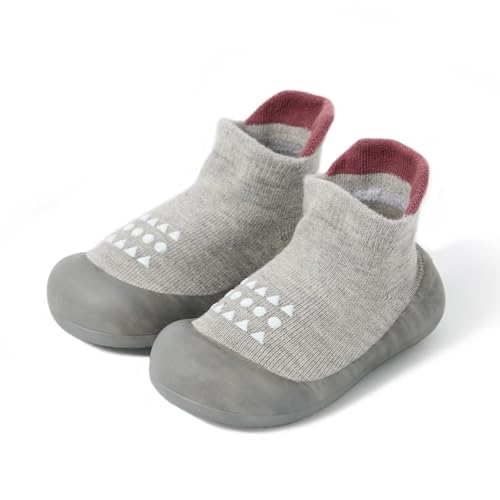
Indoor/outdoor shoes&walking shoes : These unisex baby slipper shoes are made from soft breathable cotton and non slip rubber Soft Sole. Super Soft and Comfortable fit all the year. The shoes are smooth and breathable and won't hurt your baby's delicate skin.

Breathable & Comfortable:These unisex baby socks shoes with non slip rubber soft Sole, knitted with soft breathable combed cotton. The insole is a memory insole, which fits the shape of the baby's feet, fit snugly and comfortably, adapting to your toddler’s natural foot movements. Super flexible , lightweight and comfortable fit all seasons.
Design Elements That Enhance Stability

When selecting baby shoes, the design of the sole plays an essential role in keeping your precious nugget steady. Non-slip soles are a key design element, offering strong grip and traction that reduce slips on smooth floors. These soles often feature wider grooves that channel moisture away, enhancing stability even in wet conditions. Flexible materials in baby shoes allow natural foot movement while keeping toes secure and balanced. Specialized rubber compounds add durability and a reliable grip, so your little one can explore confidently. Combining flexible materials with thoughtful tread design provides both comfort and safety. These design elements work together to support a baby’s early steps, helping your tiny adventurer stay steady during those exciting first walks. Choosing shoes with these features guarantees better balance and protection for your precious nugget. Additionally, multi-directional grip provided by non-slip rubber soles is essential for preventing slips and falls on various surfaces.
Recommended Products
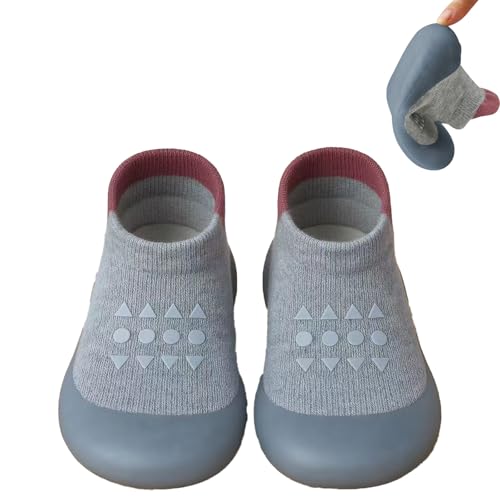
Breathable & Comfortable: Made with soft knitted cotton fabric, these baby sock shoes allow little feet to breathe while keeping them cozy. Perfect for all seasons, they stay cool in summer and warm in winter, providing all-day comfort for infants and toddlers.

INDOOR/OUTDOOR Sock Shoes&Walking Shoes : These unisex baby slipper shoes socks are made from soft breathable cotton and non slip rubber Soft Sole. Super Soft and Comfortable fit all the year. The socks are smooth and breathable and won't hurt your baby's delicate skin

Breathable Upper & Non-slip Sole:The sock shoes feature a breathable, skin-friendly combed cotton upper to keep your child's feet comfort and dry.Otherwise, soft and lightweight rubber sole,lightweight cushioned design, preventing your baby from slipping, a safe and cute sock sneakers for baby boys baby girls.
Adapting Traction for Different Surfaces

Because little explorers encounter all kinds of surfaces, baby shoes need soles that adapt easily. Anti-skid soles with well-designed traction patterns provide improved grip for young walkers on slippery or uneven ground. Flexible soles allow the shoe to move naturally with the foot, helping maintain stability indoors and outdoors. These soles often feature wider grooves that aid water channeling, which reduces the risk of slips on wet surfaces. Materials like specialized rubber boost durability and traction, essential for precious nuggets developing confidence. When choosing shoes, look for these features to help your child explore safely, no matter the terrain. Proper traction supports steady steps and minimizes falls, making every adventure a safer and more enjoyable experience for your little one. Lightweight, breathable materials also play a crucial role in maintaining comfort and coolness during active exploration.
Recommended Products

Soft sole or rubber sole: The sole is a very soft, cloth or rubber that gives well. They also have a slight padding to the insole, nice and cushy for little feet

Wide Round Toe: The unique design of the toe can make the baby's feet free movement, body balance is not afraid of falling, anti-collision to help crawling
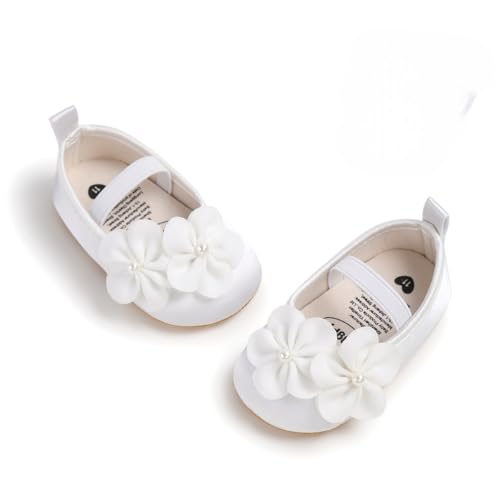
Safety: Non-slip bottom,anti-slip point can effectively prevent the baby from falling down,so that the baby can safely play on the ground,exploring their world.Safety test approved.No Any Stimulation to the Skin of Baby's Feet
Impact of Traction on Motor Skill Development
Proper traction in baby shoes plays a key role in how little ones develop important motor skills. When a shoe’s grip is steady, your precious nugget gains the stability needed to explore safely. Good traction helps prevent slips and falls, encouraging your child to move confidently as they build coordination and balance. These skills are essential between about 9 to 18 months, when walking first begins. Shoes with well-designed traction patterns allow natural foot movement and muscle strengthening, supporting healthy foot health. The right sole offers enough bendability to adapt to surfaces while maintaining reliable grip. Together, these features foster smooth walking progress and overall motor skill development. Providing proper traction in footwear encourages your baby to grow stronger and steadier every step of the way. Choosing shoes with non-slip rubber soles can significantly enhance stability and safety during early walking stages.
Comparing Soft Sole and Traditional Sole Traction
Three key differences set soft sole and traditional sole baby shoes apart, especially when it comes to traction. Soft sole shoes use flexible, non-skid materials that provide adequate grip while allowing your little one’s natural foot movement. This supports balance and coordination during those early walking days. Traditional sole shoes usually have stiffer bottoms, which can limit your precious nugget’s foot range and reduce ground feel. Traction patterns on soft sole shoes often include intricate designs, offering good grip on many surfaces both indoors and outdoors. In contrast, traditional soles focus more on durability and style, sometimes at the cost of grip. This can increase slips and falls risks. Choosing soft sole shoes helps encourage confidence and safer steps as your child explores the world around them. Additionally, features like non-slip soles are crucial in enhancing stability and preventing slips during early walking.
Recommended Products
Breathable & Comfortable:These unisex baby socks shoes with non slip rubber soft Sole, knitted with soft breathable combed cotton. The insole is a memory insole, which fits the shape of the baby's feet, fit snugly and comfortably, adapting to your toddler’s natural foot movements. Super flexible , lightweight and comfortable fit all seasons.

Material: PU Leather upper,breathable cotton lining.Anti-skid bottom.Which is good for baby's feet to Learning walking.Very soft material and rubber soles makes it easier to walk in on hard surfaces.No Any Stimulation to the Skin of Baby's Feet

MATERIAL: Genuine suede leather, soft and lightweight with a durable sole so walking feel natural
Testing and Quality Standards for Traction in Baby Shoes
When selecting baby shoes, you want to trust that their traction will keep your precious nugget steady on their feet. Manufacturers follow strict testing and quality assurance to meet safety standards for non-slip performance. They evaluate traction through slip resistance tests on different surfaces, including wet and dry conditions, guaranteeing your child’s safety during daily activities. The materials used, like specialized rubbers, undergo durability checks and friction measurements to ensure long-lasting grip. Flexibility is also tested to support natural foot movement, balancing protection with comfort. By meeting these rigorous standards, baby shoes offer reliable traction that helps prevent slips and falls. This thorough process guarantees your baby’s shoes provide steady support as they explore the world safely. Many toddler walking shoes include non-slip rubber outsoles designed specifically to enhance grip on various surfaces while promoting healthy foot development.
Frequently Asked Questions
How Does Traction on Shoes Work?
Traction on shoes results from interaction between traction materials and surfaces, with slip resistance enhanced by tread design and rubber compounds. Shoe flexibility improves contact, while developmental factors influence ideal grip performance across varied environments.
Why Does Taylor Swift Have Red Soles on Her Shoes?
Like a signature brushstroke on a canvas, Taylor Swift’s red soles embody celebrity fashion, brand influence, and color symbolism, elevating footwear design through style trends, sole materials, and high-impact celebrity endorsements that define luxury and allure.
When Should Babies Start Wearing Hard Sole Shoes?
Babies should shift to hard sole shoes around 12 to 14 months, considering ideal timing, foot development, and walking patterns. Choosing materials that balance protection and flexibility supports growth, while proper shoe sizes preserve benefits of barefoot exploration.
How Do Each of the Shoes Change the Amount of Grip?
Different shoes alter grip types through material impact, tread design, and surface textures. Flexible soles enhance weight distribution and adaptability, while age considerations influence sole rigidity, collectively determining grip performance across various walking stages and environments.


