As an Amazon Associate, we earn from qualifying purchases. Some links on this site are affiliate links at no extra cost to you. Our recommendations are based on thorough research and editorial judgment.


How to Disinfect Used Baby Shoes Safely

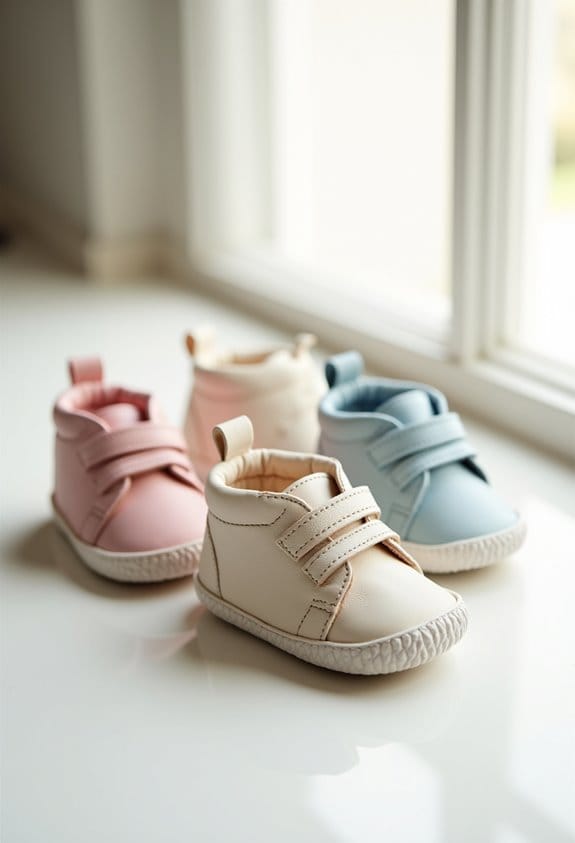
To disinfect used baby shoes safely, first check for damage and remove surface dirt with a soft brush or cloth. Use a mild soap solution or a mix of equal parts water and white vinegar to clean and disinfect gently. Avoid harsh chemicals that could irritate your precious nugget’s skin. Rinse well and let shoes air dry away from direct sunlight. Clean insoles separately for better hygiene. Following these steps guarantees comfort and safety, with more helpful tips just ahead.
Key Takeaways
- Use a mild soap solution or equal parts water and white vinegar to gently clean and disinfect baby shoes without harsh chemicals.
- Avoid bleach or strong cleaners to prevent damage and protect your baby’s sensitive skin.
- Thoroughly rinse shoes to remove all cleaning residues and allow them to air dry in a well-ventilated area away from direct sunlight.
- Disinfect the shoe interior with a spray made from rubbing alcohol and water or a dedicated shoe sanitizer for delicate materials.
- Remove insoles and laces for separate cleaning, then dry completely before reassembling to ensure thorough hygiene.
Assessing the Condition of Used Baby Shoes

When you first get your hands on used baby shoes, start by carefully checking their overall condition. You want to inspect the shoes thoroughly, looking for cracks, rips, or holes that might affect safety. Don’t forget to check the soles for any damage or fraying because your precious nugget needs good support when moving. Shine a flashlight inside if lighting is low, so you don’t miss hidden flaws. Pay close attention to the interior, watching for stains or odors that could signal bacteria or fungi. It’s also important to see if the shoes have a removable insole. These can be cleaned or swapped out, which boosts hygiene and comfort for your little one’s tiny feet. Choosing shoes made from non-toxic materials can also help ensure safety and durability during everyday wear.
Removing Dirt and Debris From Baby Shoes

After checking that used baby shoes are safe and intact, the next step is to remove dirt and debris that might be hiding on them. Start with a soft-bristled brush or clean cloth to gently remove surface dirt, paying attention to crevices and seams. Inspect the soles carefully for trapped grime, using mild soap and water to scrub without harming the material. For stubborn stains, a paste of baking soda and water works well; apply it gently with a toothbrush or cloth. Don’t forget to remove laces and insoles, washing them separately in warm soapy water. Always check the care instructions for your precious nugget’s shoes to guarantee the cleaning method suits the material. This thorough cleaning lays a perfect foundation before moving on to safe disinfection. To maintain the shoe’s non-slip sole effectiveness, thorough cleaning is essential before disinfecting.
Choosing Safe Cleaning Solutions for Baby Footwear

Since baby shoes come into close contact with delicate skin, choosing the right cleaning solution is very important. A mild soap solution works well for rubber or plastic shoes, helping to clean without causing damage. For a natural disinfectant, a baby-safe disinfectant like equal parts water and white vinegar is gentle yet effective. You can also use baking soda to eliminate odors without harsh chemicals. It’s best to avoid using bleach or strong cleaners, as they can irritate your precious nugget’s sensitive skin and lungs. After cleaning, be sure to rinse well to remove any residue. Finally, always let the shoes air dry completely before your little one wears them again. Using a safe disinfectant spray can help keep those tiny toes protected and comfortable. Additionally, ensuring the shoes are made from breathable materials helps maintain hygiene and prevents skin irritation during use.
Recommended Products
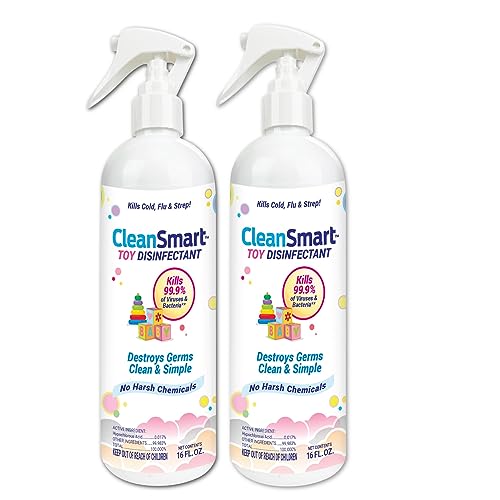
HIGHLY EFFECTIVE AND APPROVED for sanitizing DAY CARE CENTERS in all 50 states

EWG VERIFIED : This EWG Verified baby toy cleaner is made with clean ingredients that meet the Environmental Working Group’s strict health and safety standards—perfect for cleaning everyday messes.

ALL PURPOSE CLEANER: Simply spray and wipe away gunk, grime and sticky fingerprints from the surfaces your baby touches most without the worry of leftover harsh chemical residue. Perfect for cleaning toys, highchairs, car seats, countertops and wherever messy moments happen.
Techniques for Cleaning Delicate Baby Shoe Materials

Although delicate materials like suede and leather require extra care, cleaning baby shoes made from them doesn’t have to be difficult. Start by doing a spot test to make sure your cleaning spray or solution won’t damage the material. For suede shoes, use a suede cleaning block or soft-bristled brushes to gently lift dirt without rubbing too hard. Fabric shoes respond well to a mild detergent mixed with baking soda for safe cleaning. With leather baby shoes, lightly dampen a cloth with mild soap and water, then apply a leather conditioner to keep them soft and shiny. These gentle techniques help preserve delicate baby shoes while keeping your precious nugget’s footwear clean. Avoid harsh chemicals if you want to disinfect without harm—careful cleaning is key. Additionally, choosing shoes with memory foam insoles can provide comfort and support while maintaining hygiene.
Recommended Products

The ORIGINAL Shoe Cleaning System: Pink Miracle Shoe Cleaner has been around since 1985, and the great formula is the number 1 choice for sneakers and shoes. Whether you are a sneaker head collector or simply want to clean your shoes to provide a professional new look.

Elevate your Footwear Care: Introducing the Shoe MGK 4oz. Starter Shoe Cleaning Kit, your essential companion for maintaining pristine footwear. This comprehensive kit includes our renowned Shoe Cleaner and Conditioner alongside a Cleaning Brush, ensuring thorough care from sneakers to dress shoes.

EASY TO USE: Our deep cleaning and conditioning footwear cleaner safely delivers a powerful, yet gentle clean for just about anything. After cleaning, wipe dry with a microfiber towel to avoid oversaturating and for easy clean-up (microfiber towel sold separately)
Disinfecting Baby Shoes With Vinegar and Water

When you want to keep your precious nugget’s baby shoes clean and germ-free, using a vinegar and water mix is a smart choice. This natural solution helps disinfecting shoes gently yet effectively. Mix equal parts vinegar and water, then lightly mist the interior and exterior of the shoes. Avoid soaking them to prevent moisture damage. Vinegar’s antibacterial qualities help sanitize and eliminate odors that might linger from wear. Let the vinegar solution sit for 10 to 15 minutes, allowing it to work on germs and smells. Afterward, wipe the shoes with a clean cloth. Air dry them well in a ventilated space to guarantee no moisture remains, which could cause odor or damage. This simple method keeps shoes fresh and safe, especially since babies often explore with their mouths. It is important to regularly perform shoe cleaning as part of overall maintenance to protect your baby’s delicate feet.
Using Baby-Safe Disinfectant Sprays Effectively
Vinegar and water are gentle ways to clean baby shoes, but using a baby-safe disinfectant spray can offer added protection. When choosing one, look for a non-toxic formula made especially for children’s items. Before you apply, test the spray on a small spot to check for any discoloration. Follow the instructions carefully—hold the spray at the right distance and use the recommended amount. After applying, it’s important to let the shoes dry fully in a well-ventilated area. This helps remove any lingering odors and keeps your precious nugget’s shoes clean and hygienic. Using these sprays correctly gives you peace of mind that your baby’s shoes are safe and fresh without harsh chemicals or risks. Additionally, regular cleaning and proper maintenance of baby shoes help extend their lifespan and ensure ongoing comfort for your little one.
Recommended Products

SANITIZES baby's eating surfaces on high chairs and tables; food surface contact safe

EWG VERIFIED: This baby toy cleaner is certified EWG Verified and made with clean ingredients that meet the Environmental Working Group's strict health and safety standards so you can feel confident that it does not contain any potentially concerning ingredients.

KILLS 99.9% OF VIRUSES AND BACTERIA and leaves no harsh residue PACKAGING MAY VARY
Proper Air-Drying Methods for Baby Shoes
A well-ventilated spot is best for drying your precious nugget’s baby shoes after cleaning. To keep them in tip-top shape, air-dry shoes away from direct sunlight, which can cause discoloration and damage. Stuff each shoe with clean cloth or tissue paper to absorb moisture and help maintain their structure. It’s important to let the shoes dry for at least 24 hours after you properly disinfect them. This prevents lingering odors and bacterial growth. Avoid using a dryer or any direct heat source since that can warp materials and harm shoe integrity. For delicate shoes, lay them flat on a towel or newspaper so moisture is gently drawn out. Proper air-drying helps keep your baby’s shoes safe, fresh, and ready for the next little adventure. Using shoes made with breathable materials can also help reduce moisture retention and promote faster drying.
Maintaining Hygiene With Insole Cleaning and Replacement
Replacing or cleaning the insoles in used baby shoes keeps your little one’s feet fresh and healthy. Insoles often trap moisture, bacteria, and odor, which can harm your precious nugget’s comfort and hygiene. Regular cleaning helps disinfect and remove germs that cause fungal infections like athlete’s foot. You can use mild detergent or a rubbing alcohol solution for easy disinfecting. Make sure insoles dry completely before putting them back into the shoes to prevent mold growth. For added care, consider replacing worn insoles regularly since odors and bacteria can build up over time. Machine washable insoles made of breathable, antimicrobial fabrics are especially good for active kids. Taking these simple steps keeps your baby’s feet safe and happy, promoting excellent hygiene for every little step.
Recommended Products
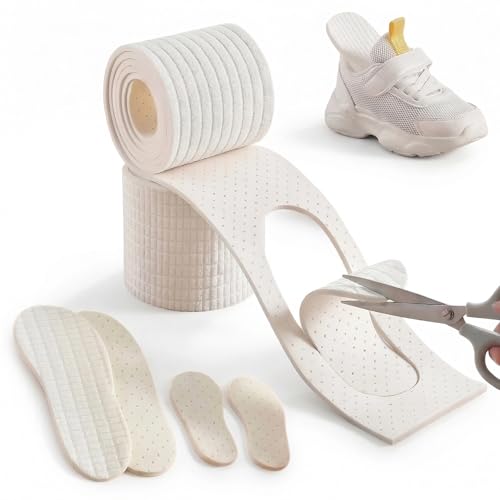
Soft & Cushioned: Made from gentle, padded material that molds to your baby's feet, providing optimal comfort and support.

PREVENT BLISTERS & DISCOMFORT - Premium cotton top layer cushions every step while soft latex foam absorbs impact. Perfect kids shoe insoles keep little feet protected during sports, play, and all-day school wear. Works great as toddler shoe inserts for active children or as fillers when shoes are too big.

Breathable & Comfortable:These unisex baby socks shoes with non slip rubber soft Sole, knitted with soft breathable combed cotton. The insole is a memory insole, which fits the shape of the baby's feet, fit snugly and comfortably, adapting to your toddler’s natural foot movements. Super flexible , lightweight and comfortable fit all seasons.
Ensuring Safety With Material-Specific Cleaning Approaches
How should you care for your baby’s shoes to keep them clean and safe? When disinfecting used shoes, it’s important to follow material-specific cleaning approaches. Soft fabrics like suede need gentle cleaning with mild detergent and careful handling of both interior and exterior. Leather shoes benefit from a damp cloth wipe with mild detergent, followed by conditioning to keep them supple. Canvas or mesh shoes can often be machine washed gently, but check instructions first. To sanitize interiors, use a disinfectant spray or a rubbing alcohol solution, ensuring the shoes dry in a well-ventilated area. For extra freshness, sprinkle baking soda inside to neutralize odors and bacteria. Using these methods keeps your precious nugget’s shoes clean without causing damage or discomfort, making sure every step is safe and healthy. Remember to always consider the sole flexibility and traction when selecting shoes to maintain toddler safety and comfort.
Recommended Products

1 MILLION+ BOTTLES SOLD ON AMAZON: Family-owned US business that has spent years perfecting this formula. We read every customer message personally and stand behind every order.

KILLS SARS-CoV-2 IN 2 MINUTES on hard, non-porous surfaces. Antibacterial, antimicrobial, and virucidal. Kills 99.99% of harmful bacteria (Salmonella, E. coli, MRSA, Listeria, Staphylococcus aureus, Klebsiella pneumoniae, Pseudomonas aeruginosa), and virus (Feline calicivirus, SARS-CoV-2).

Effective Shoe Deodorizer Spray: Uncle Todd’s Odor Stomp is a fast-acting shoe spray for smelly shoes, providing powerful shoe odor elimination and long-lasting freshness, like odor eaters for shoes.
Tips for Preventing Odors and Bacteria in Used Baby Shoes
Because baby shoes often face moisture and dirt, preventing odors and bacteria is key for your little one’s comfort and health. To keep used baby shoes fresh, regularly sanitize them with a homemade disinfectant of equal parts rubbing alcohol and water. Mist all surfaces and let them air dry. Baking soda works wonders as a natural deodorizer—sprinkle some inside overnight to absorb moisture and odors, then shake it out before putting shoes on your precious nugget. Always use clean, breathable socks to reduce moisture and germs. Don’t forget to remove and wash insoles with warm, soapy water, as they trap bacteria and dirt. For extra care, consider a shoe sanitizer spray made for children’s footwear to help eliminate germs and maintain good hygiene between cleanings. Proper cleaning and maintenance also help prolong the lifespan of baby walking shoes and keep them comfortable.
Frequently Asked Questions
How to Sanitize Second Hand Baby Items?
Effective sanitization of used baby gear involves non toxic cleaners, proper fabric care, and shoe disinfectants. Employ cleaning techniques emphasizing second hand safety, inspect thoroughly, adopt baby shoe precautions, and guarantee clean, dry shoe storage to maintain hygiene.
Can You Catch Anything From Second-Hand Shoes?
Yes, bacteria transmission risks from common contaminants found on second-hand shoes can pose child health concerns. Implementing shoe hygiene practices, safe shoe sanitization with essential cleaning supplies, infection prevention tips, and following shoe donation guidelines guarantee second hand shoe safety.
How to Clean Old Baby Shoes?
Cleaning methods vary by shoe materials; surface cleaning with gentle detergents and stain treatment is crucial. Disinfecting agents like diluted alcohol aid odor removal. Eco-friendly options, proper drying techniques, and preserving shape guarantee durable, sanitized old baby shoes.
How to Clean Shoes Before Donating?
Like polishing a hidden gem, cleaning tips stress gentle washing methods suitable for shoe materials, stain removal, and drying techniques. Donation guidelines emphasize hygiene practices using eco-friendly shoe sanitizers, ensuring shoes look pristine while honoring careful, sustainable care.