As an Amazon Associate, we earn from qualifying purchases. Some links on this site are affiliate links at no extra cost to you. Our recommendations are based on thorough research and editorial judgment.


How to Spot Early Signs of Foot Pain in Babies

You might spot early foot pain in your precious nugget if they pull away or cry when you touch their feet. Watch for stiff legs, unusual foot positions, or reluctance to crawl or bear weight around 6 to 10 months. Changes in toe color or swelling can also signal trouble. Fussiness during movement and odd crawling patterns are key signs. Knowing these clues can help you support your little one’s healthy steps—there’s more to understand about care and comfort.
Key Takeaways
- Notice if the baby pulls away or cries when their feet are touched or moved, indicating possible discomfort.
- Observe for stiff or tense foot positioning, such as arching or curling, during diaper changes or dressing.
- Look for reluctance to bear weight, crawl, or unusual movement patterns like dragging one foot.
- Check for swelling, redness, discoloration, or warmth in the feet and toes, signaling inflammation or circulation issues.
- Monitor behavioral signs like fussiness, keeping feet tucked, or avoiding leg extension during play or handling.
Signs of Discomfort When Touching or Moving Feet

Several subtle signs may hint that your precious nugget is feeling discomfort when you touch or move their feet. Babies often show sensitivity by pulling away or crying when their feet are gently handled. This may signal pain or early foot issues. You might notice your little one stiffening their legs or arching their feet away during diaper changes or dressing. Fussiness and irritability can increase when foot pain is present, especially if movement causes discomfort. Additionally, swelling, redness, or warmth in the feet might accompany the pain, alerting caregivers to possible underlying problems. Watching for these signs helps you respond promptly and guarantees your baby’s feet remain healthy and comfortable during those precious early stages of growth. Choosing shoes with cushioned footbeds can help provide comfort and prevent exacerbating foot pain.
Recommended Products

Breathable & Comfortable:These unisex baby socks shoes with non slip rubber soft Sole, knitted with soft breathable combed cotton. The insole is a memory insole, which fits the shape of the baby's feet, fit snugly and comfortably, adapting to your toddler’s natural foot movements. Super flexible , lightweight and comfortable fit all seasons.

Non-slip Soles:Preventing your baby from slipping,soft, lightweight sole,a safe and cute sock sneakers for baby boys baby girls.
Observing Foot Positioning and Movements

Foot positioning and movements offer essential clues about a baby’s foot health. When watching your precious nugget, notice if their feet turn inward or outward, which may hint at alignment issues. Check their range of motion by gently flexing and extending toes and ankles; healthy feet move freely without stiffness. Pay attention to how your baby uses their feet during crawling patterns. They should crawl steadily, without favoring one foot or showing signs of discomfort. Unusual stiffness or limited movement could suggest pain or an underlying problem. Tracking these details helps you spot early signs and supports healthy foot development. If you see anything unusual or if movement seems restricted, it’s a good idea to consult a pediatric specialist to ascertain your little one is on the right path. Choosing shoes with wide toe boxes can help ensure proper foot development and comfort as your baby begins to walk.
Recommended Products

Wide Round Toe: The unique design of the toe can make the baby's feet free movement, body balance is not afraid of falling, anti-collision to help crawling

Breathable Materials: Baby Sneakers are made of high-quality soft stretchy fabric, quick-drying and lightweight, offers comfortable and excellent wearing experience for your child.

〓 Comfy Baby Barefoot Sneakers: Crafted with soft mesh uppers and honeycomb insoles, these sneakers ensure 360°airflow to keep tiny feet dry and odorless during play. The ideal pair for all seasons
Reluctance to Bear Weight or Crawl

When a precious nugget seems hesitant to bear weight or crawl, it can be an early sign of foot pain or discomfort. Babies usually begin crawling between 6 to 10 months, so a reluctance to bear weight during this stage is a key sign to watch. You might notice your baby hesitating to stand, sit, or move as expected, which signals potential foot pain. Careful observation of how your little one adapts from sitting to crawling is important, especially if they show frustration or grimaces during movement. These signs suggest the need for further evaluation by a healthcare professional. Early recognition and attention can help address any underlying foot issues and keep your precious nugget comfortable and active. Choosing the right footwear with soft, breathable linings can also support healthy foot development and reduce discomfort.
Recommended Products

Lace-Free Design:The baby shoes have convenient elastic lace-free design for easy on and off,fits snugly on baby's feet.Suit for crawling,walking,running,playing and won't fall off

Breathable & Comfortable:These unisex baby socks shoes with non slip rubber soft Sole, knitted with soft breathable combed cotton. The insole is a memory insole, which fits the shape of the baby's feet, fit snugly and comfortably, adapting to your toddler’s natural foot movements. Super flexible , lightweight and comfortable fit all seasons.
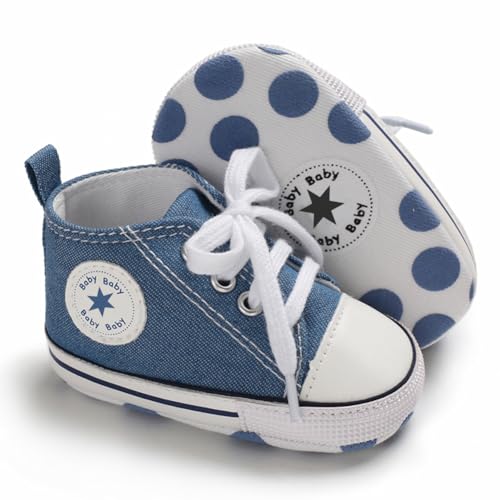
Quality Materials: Safety Tested for Peace Of Mind, and look aesthetic, No Any Stimulation to The Skin of Baby. These baby sneakers are made of high quality soft and breathable canvas upper, which is very good for baby's feet growth in crib
Changes in Toe Appearance and Color

Although tiny toes often appear healthy and pink, changes in their color or shape can be an early sign that something needs attention. Discoloration, such as blue or pale toes, may point to circulation or nerve concerns in your precious nugget. Swelling in the toes could signal inflammation or injury, which should be checked promptly. Look for unusual growths or calluses, as these may mean pressure or friction from improper footwear. Also, note if toes are curling or overlapping, since such changes in toe appearance might reveal development issues needing early care. Keeping an eye on these subtle signs helps you protect your baby’s foot health and comfort before more serious problems arise. Proper footwear is important to support healthy growth. Choosing shoes with a wide padded toe box can encourage natural toe spreading and help prevent developmental problems.
Recommended Products

[ Wide Toe Box for Chubby Feet ]: Designed specifically for toddler feet, our wide toe box prevents squeezing and discomfort. It allows little toes to splay and grip naturally, promoting healthy arch development and better balance during their crucial first steps
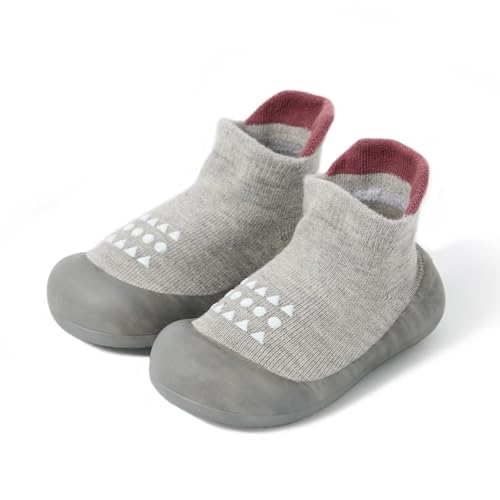
Indoor/outdoor shoes&walking shoes : These unisex baby slipper shoes are made from soft breathable cotton and non slip rubber Soft Sole. Super Soft and Comfortable fit all the year. The shoes are smooth and breathable and won't hurt your baby's delicate skin.

[ Wide Toe Box ]: The wide toe box toddler shoes design provides ample room for little toes, alleviating discomfort from pressure and promoting healthy foot development. Available in various sizes, barefoot shoes kids ensure comfort during active play
Behavioral Indicators of Foot Pain in Babies

Many babies show small clues when their feet hurt, even if they cannot tell you. A common warning sign is when your precious nugget cries or fusses, especially if their feet are touched. If the child often avoids putting weight on their feet during play, this could indicate discomfort or pain. You might notice them keeping their feet tucked in or not extending their legs fully. These behaviors are common in active babies learning to crawl or walk. Unusual movement patterns, like dragging one foot or favoring one leg, are also important warning signs. Watching for these subtle signs helps you understand if the feet hurt. Early observation can guide you in caring for your child’s health and comfort. Choosing shoes with flexible soles can support natural foot movement and reduce discomfort as your baby begins walking.
Recommended Products

〓 Comfy Baby Barefoot Sneakers: Crafted with soft mesh uppers and honeycomb insoles, these sneakers ensure 360°airflow to keep tiny feet dry and odorless during play. The ideal pair for all seasons

[Breathable & Soft Cotton]:These toddler socks shoes are crafted with soft, breathable cotton, offering all-day comfort for your little one’s delicate feet. Perfect for all seasons, these infant non-slip breathable slippers keep feet cool in the summer and warm in the winter. Whether your child is indoors or outdoors, the breathable fabric ensures there’s no moisture buildup, keeping feet dry and cozy all day long.
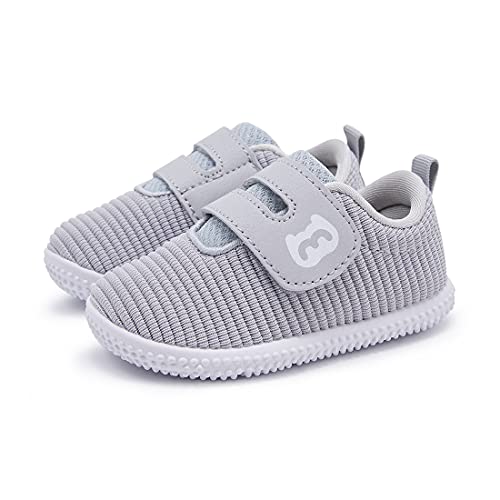
Breathability: upper for high breathability that allows kid’s little feet to stay cool and dry
When to Consult a Pediatrician About Foot Concerns
How can a parent tell if a baby’s foot pain needs a doctor’s attention? If your precious nugget shows persistent foot pain, such as crying during foot movement or discomfort when held, consulting a pediatrician is important. Noticeable abnormalities like unusual toe positioning or swelling should also prompt a visit. Watch for delayed walking; if your baby hesitates to bear weight on their feet past 12-15 months, it might signal the need for medical help. Avoidance of foot movement or certain positions can mean discomfort worth discussing. Regular check-ups with the pediatrician help track your baby’s foot development and catch potential issues early. By staying alert to these signs, you support your tiny one’s comfort and healthy growth with timely, gentle care. Early intervention can improve outcomes by ensuring proper arch support during critical developmental stages.
Frequently Asked Questions
When to Be Concerned About Baby Feet?
Concern arises when signs of discomfort, swelling, or deformities impact baby foot development or infant mobility milestones. Awareness of common foot conditions and selecting proper footwear options support healthy growth and timely medical consultation.
How to Identify Pain in Infants?
Pain in infants is identified through baby assessment focusing on infant behavior, such as excessive crying or altered feeding. Parental observations combined with delays in developmental milestones serve as key pain indicators necessitating medical evaluation.
At What Age Do Babies Start to Notice Their Feet?
Like a painter discovering new colors, babies begin baby foot awareness around 4 to 6 months, marking infant foot development. Milestone foot movements and tactile exploration feet intensify, with first reactions feet prominent as they grasp and explore.
How to Identify the Source of Foot Pain?
The source of foot pain can be identified by evaluating footwear impact, changes during growth spurts, delays in developmental milestones, surface sensitivity, and signs of infectious conditions, which together guide accurate diagnosis and appropriate intervention.