As an Amazon Associate, we earn from qualifying purchases. Some links on this site are affiliate links at no extra cost to you. Our recommendations are based on thorough research and editorial judgment.

Preventing Falls: Shoe Safety Features That Matter

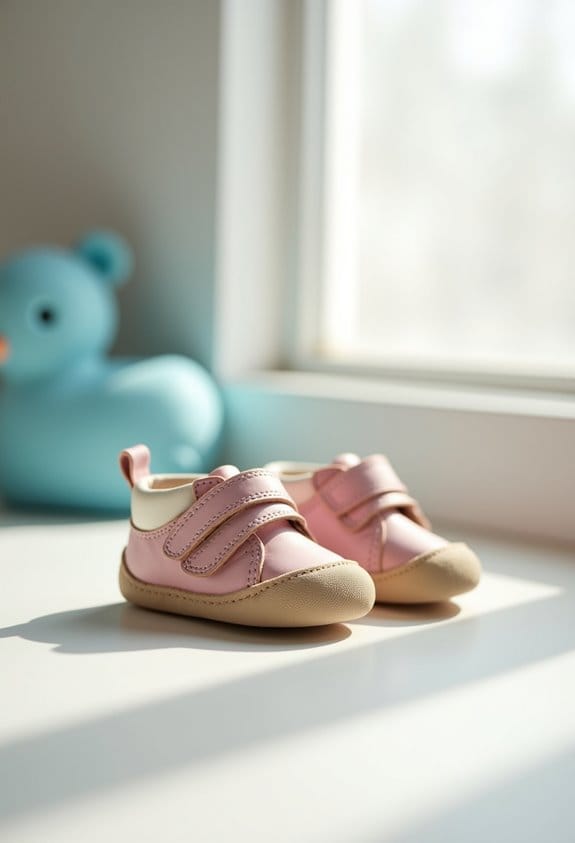
Preventing falls starts with choosing shoes that fit your precious nugget snugly and securely. Look for non-slip soles with sturdy tread patterns to keep little feet or senior ankles steady. Low, wide heels and adjustable closures add extra stability and comfort. Watch for worn soles, cracks, or wobbling shoes—they signal replacement time. Seasonal shoe choices matter too, such as insulated, waterproof footwear in cold months. With the right shoe features, balance and safety improve markedly; more helpful tips are ahead.
Key Takeaways
- Non-slip soles with sturdy, multi-directional treads enhance grip on varied surfaces, reducing slip and fall risks.
- Low, wide heels provide better stability compared to high or narrow heels that increase fall chances.
- Adjustable closures like laces or Velcro ensure a secure fit, preventing trips caused by loose footwear.
- Good arch support and firm, shock-absorbing soles improve balance and prevent slips on slick or uneven floors.
- Regularly inspect for worn tread, cracks, or instability; replace shoes every 8-12 months to maintain fall protection.
Why Proper Footwear Is Essential for Fall Prevention

Proper footwear plays an essential role in keeping your precious nugget safe from falls. Shoes with non-slip soles and sturdy treads help prevent slipping by improving grip on floors and outdoor surfaces. This kind of proper footwear is key to effective fall prevention, especially for little ones learning to walk or older adults who need extra balance support. A good fit matters, too—shoes that are too loose can cause trips, while tight shoes may hurt and limit movement. Low, wide heels provide more stability than high or narrow ones, which increase fall risk. Regularly checking footwear guarantees it still fits well and the soles aren’t worn out. Choosing proper footwear with these features helps you protect your precious nugget by reducing the chances of slips and falls. Additionally, shoes with stretchy uppers or slip-on designs make it easier to ensure a secure and comfortable fit quickly, which supports safety during active movement.
Identifying the Signs of Worn-Out Shoes
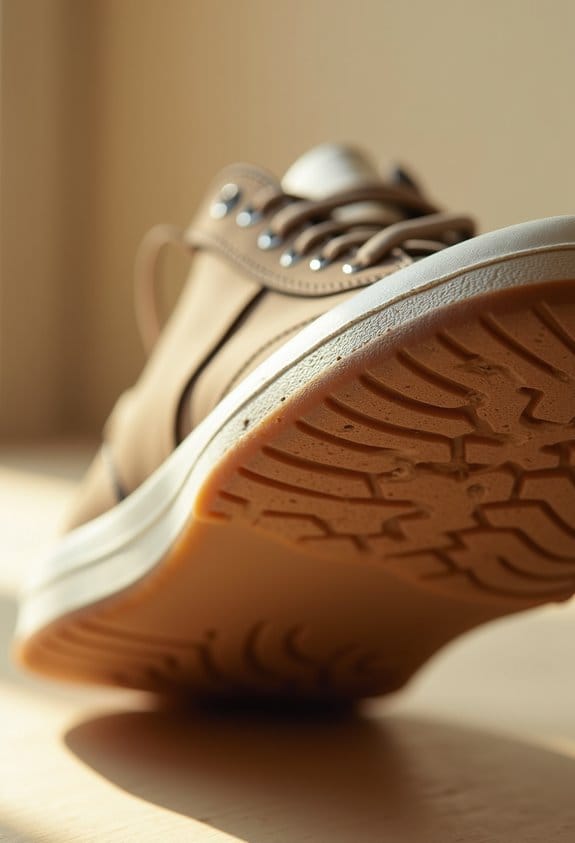
Shoes that provide good support and grip are a key part of keeping your precious nugget safe from falls. Knowing how to spot worn-out shoes helps you keep little feet secure. Check often for signs of wear and tear, like cracks in the midsoles or soles that have thinned out. If shoes wobble or tip on flat ground, they show instability and need replacing. Look for frayed laces or tread that’s worn smooth, as these increase slip risks. Comfort is also a clue—if your child complains of pain or discomfort, it might mean the shoes no longer support well. Typically, shoes last 8 to 12 months with regular use, so staying alert to these signs helps you keep your child wearing safe footwear every step of the way. Regularly replacing shoes based on wear indicators ensures proper foot growth and safety.
How Foot Health Changes Impact Shoe Needs
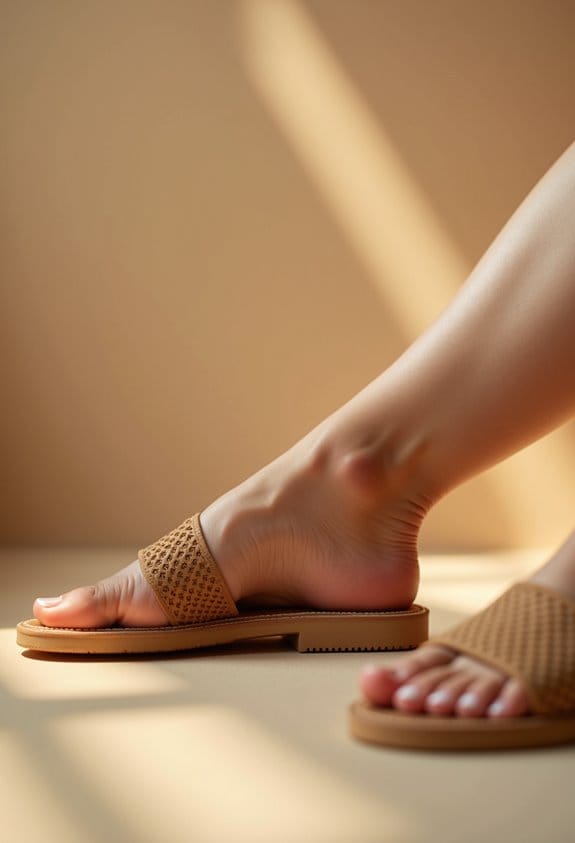
As feet grow and change over time, your precious nugget’s shoe needs will shift too. Aging can bring foot pain from reduced ankle flexibility and weakening muscles. Proper shoes must offer extra support and accommodate changes like flattened arches. Choosing safe footwear means checking for a good fit often, as foot size can vary with age due to tendon changes. Conditions like bunions or arthritis need shoes with extra room and cushioning to ease pressure. Thin, dry skin also raises the risk of blisters, so proper care and shoe fit help prevent discomfort and falls. Making thoughtful choices in shoes helps keep your child comfortable and steady as they grow, protecting their precious feet from avoidable pain and risk. It’s also important to select shoes with supportive sole design to promote stability and reduce foot fatigue.
Characteristics of Safe Shoe Soles
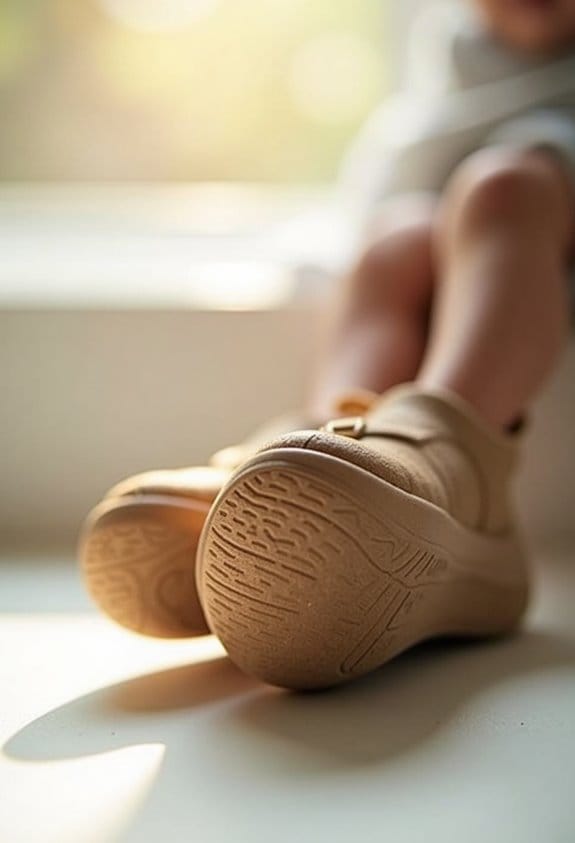
When thinking about your precious nugget’s footwear, the soles play a big role in keeping them safe as they move throughout the day. Shoes with good traction can reduce your risk of slips and falls, especially on slick or uneven surfaces. Look for soles made of pure rubber, which grip well on wet floors and ice. A sturdy tread pattern and multi-directional lugs further improve traction, helping your little one stay steady when walking or running. Thicker, firmer soles also provide solid support and absorb shock, which cushions tiny feet and lessens injury chances during stumbles. Choosing shoes with these safe sole characteristics gives your child stability and confidence to explore freely. This thoughtful design truly helps protect them every step of the way. Additionally, non-slip rubber soles are an essential safety feature that helps keep little feet secure during play.
Ideal Heel Height and Design for Stability

Heel height and design are key factors in keeping your precious nugget steady on their feet. The ideal heel height should be 1 inch or less, which helps lower the center of gravity and improves balance. Shoes with wide, low heels offer a larger surface area for weight distribution. This design reduces the chances of slips and trips by providing a good grip on the ground. Additionally, proper arch support helps maintain foot alignment and comfort, contributing to stability during walking. Avoid narrow or high heels, as they increase the risk of falls. Choosing footwear that combines ideal heel height, good grip, and arch support guarantees your little one stays safe while exploring their world with confidence. It is also important to select shoes made with non-toxic materials to ensure both safety and comfort for growing feet.
The Importance of Secure Fastenings and Fit
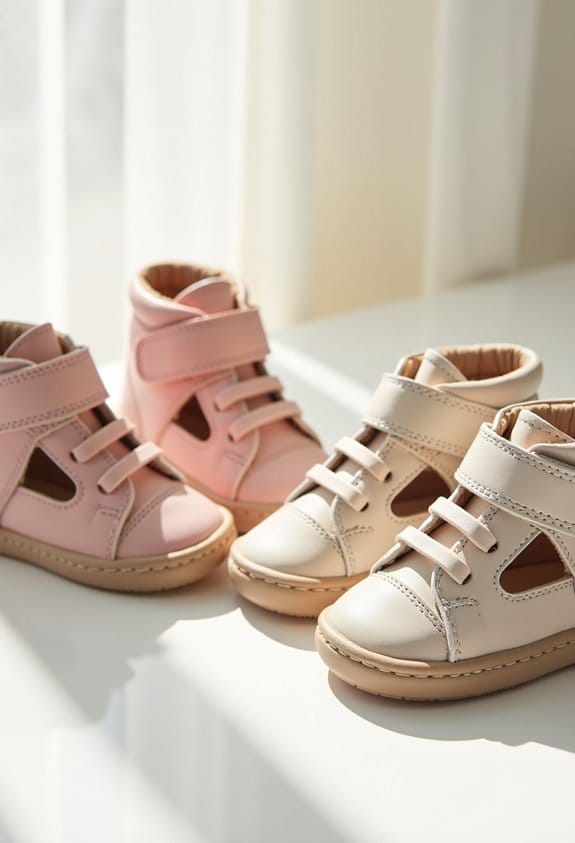
Ensuring your precious nugget’s shoes fit securely is key to safe and confident walking. Shoes with secure fastenings like laces or Velcro keep their feet in place and reduce the risk of falling. When shoes fit properly, they prevent extra movement inside, helping your child maintain balance and stability as they move. Loose shoes can cause slipping or poor support, which increases the risk of falling during play or walks. Look for adjustable closures to handle changes in foot size or shape, especially as children grow quickly. A proper fit also means the heel is held snugly, improving ground contact and reducing the chance of wobbling. Paying attention to secure fastenings and proper fit offers your little one a safer step every time. Additionally, wide toe boxes allow natural toe movement that supports balance and healthy foot development.
Selecting Lightweight Shoes to Enhance Balance
Alongside finding secure fastenings and the right fit, choosing lightweight shoes can make a big difference in your precious nugget’s balance. Lightweight footwear helps prevent falls by reducing the weight on their feet, making it easier to move naturally and stay steady. These shoes help improve walking efficiency, which is especially important for seniors or little ones still mastering coordination. Good lightweight shoes often include cushioning and support to absorb impact and keep feet comfortable. This comfort helps your precious nugget stay active and balanced longer. Plus, lighter footwear lets their feet move quickly to adjust to surfaces or avoid trips. When selecting lightweight shoes, make sure they still provide enough support and fit well to help keep your little one steady and safe as they explore. Prioritize shoes with non-slip rubber outsoles to enhance safety on various walking surfaces.
Common Footwear Errors That Increase Fall Risk
When shoes don’t fit well or lack proper support, your precious nugget’s chance of falling can rise quickly. Wearing unsafe shoes, like those that are too loose or too tight, disrupts balance and can cause trips. Shoes with high or narrow heels make stability harder, increasing fall risks. Old shoes with worn soles offer poor traction, which is dangerous, especially on smooth floors. Slip-on shoes or flip-flops without secure closures don’t provide enough foot support, making slips more likely. The Importance of Proper footwear means choosing shoes that fit well and suit your child’s foot shape, like accommodating bunions or flat feet. Avoiding these common footwear errors helps keep your little one steady and safe during daily play and movement. Additionally, selecting shoes with non-slip soles significantly reduces the risk of slipping, ensuring safer exploration for toddlers.
Seasonal Considerations for Footwear Choices
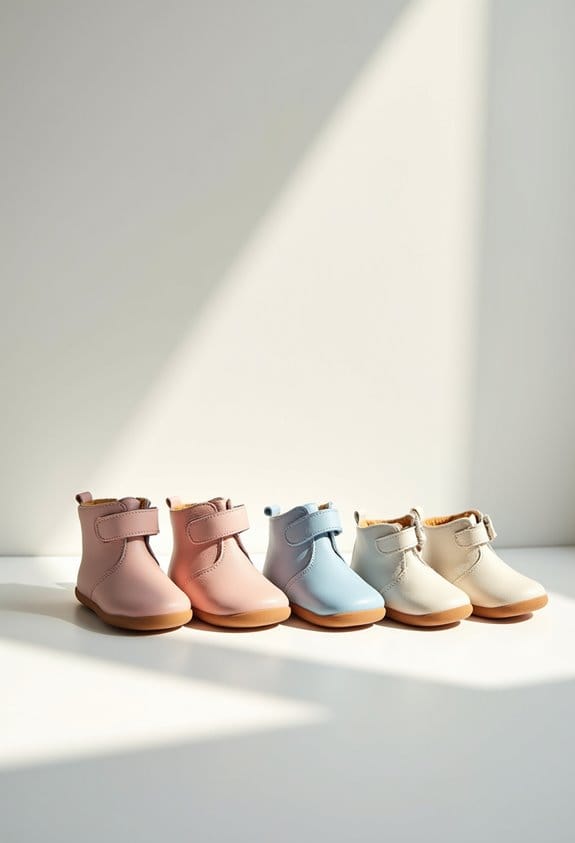
Footwear choices for your precious nugget should change as the seasons change. Choosing footwear with the right features helps reduce fall risks all year long. In colder months, shoes with non-slip soles and thicker, rubberized bottoms provide better grip on icy or wet surfaces. Insulated materials keep little feet warm and protected. When it rains, waterproof shoes are important to keep feet dry and prevent slips caused by moisture. During warmer months, lightweight and breathable shoes with supportive soles also help reduce slip dangers while keeping feet comfortable. It’s essential to regularly check your child’s shoes for wear, especially the tread, and replace them when needed. Proper seasonal footwear is important to help your precious nugget stay safe and steady no matter the weather. Prioritizing features like water resistance and slip-resistant soles ensures your toddler’s shoes provide both comfort and safety during outdoor adventures.
Recommended Shoe Brands Tailored for Seniors
Choosing the right shoe brand can make a big difference in your senior loved one’s comfort and safety. Some brands focus on safe designs that make wearing shoes easier and more secure. Skechers offers lightweight, non-slip shoes that provide breathability and comfort. New Balance, with durable models like the 990v5, delivers excellent stability for older adults. Propet’s washable Wash & Wear Slip Ons cater to seniors with mobility challenges, keeping feet fresh. Hush Puppies’ Power Walker is perfect for home use, combining safety with cushioned support. For precious nuggets needing extra care, Orthofeet designs customizable shoes that provide enhanced arch support. Choosing from these brands helps guarantee your senior’s shoes provide reliable grip, comfort, and protection, reducing the risk of falls during daily activities. It is important to select shoes with non-slip soles to ensure steady footing and prevent accidents.
Tips for Testing and Fitting Shoes Correctly
A proper shoe fit is essential for keeping a precious nugget steady and comfortable. When you consider when choosing shoes, try them on late in the day, as feet tend to swell. Make certain the heel fits snugly without slipping, and there is enough room for toes to move freely without crowding. Before you wear shoes regularly, walk around on different surfaces to test comfort and stability. Shoes with non-slip soles and good arch support help prevent falls by improving grip. Adjustable closures like laces or Velcro guarantee a secure fit, reducing tripping risks. These simple tips guide you in selecting shoes that keep your precious nugget safe and steady with every step.
Maintaining Your Footwear for Long-Lasting Safety
Several simple habits help keep shoes in good shape, ensuring your precious nugget stays safe and steady. Regularly check for wear like worn tread or cracks in the midsole. Shoes showing signs of damage should be replaced every 8 to 12 months. Make sure the right shoes don’t tip or rock when set on flat ground, as this affects balance. Clean the soles often to maintain slip-resistance by removing mud and debris. Store shoes properly to keep their shape and support, avoiding bending or squashing them. Personalizing footwear with features like arch supports or wider fits can improve comfort and stability. Following these steps helps keep shoes in top condition, making each step safer for your child and reducing the risk of falls.
Frequently Asked Questions
Can Orthotic Inserts Improve Shoe Safety for Fall Prevention?
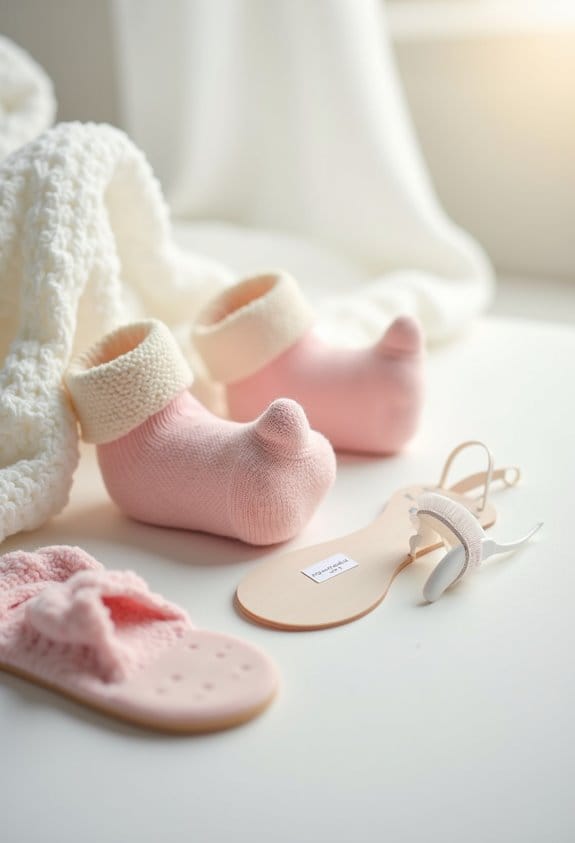
Orthotic inserts can improve shoe safety by providing stability support and enhancing shoe comfort. These orthotic benefits contribute to better balance and reduced risk of falls, making them valuable for individuals needing additional foot support.
How Often Should Shoes Be Replaced to Maintain Safety Features?
Like a clock losing time, shoes require a strict replacement schedule to maintain safety. Regular checks of wear indicators and evaluating material durability help determine when to replace footwear, ensuring ideal protection against falls.
Are Barefoot Shoes or Minimalist Designs Safe for Seniors?
Barefoot benefits include enhanced balance and foot muscle strength, but minimalist drawbacks involve reduced cushioning and support. For senior comfort, careful evaluation is essential, as minimalist shoes may not provide sufficient protection or stability for older adults.
What Role Do Socks Play in Preventing Falls?
Socks play a vital role in fall prevention by providing grip to reduce slipping, offering cushioning support to enhance comfort and stability, and managing moisture to keep feet dry, thereby improving overall traction and reducing fall risk.
Can Shoe Modifications Be Made to Enhance Stability?
Shoe modifications can enhance stability through grip improvements and the incorporation of stability enhancements such as wider soles or anti-slip materials. Additionally, adjusting heel height to a lower, more balanced level greatly reduces fall risk.