As an Amazon Associate, we earn from qualifying purchases. Some links on this site are affiliate links at no extra cost to you. Our recommendations are based on thorough research and editorial judgment.

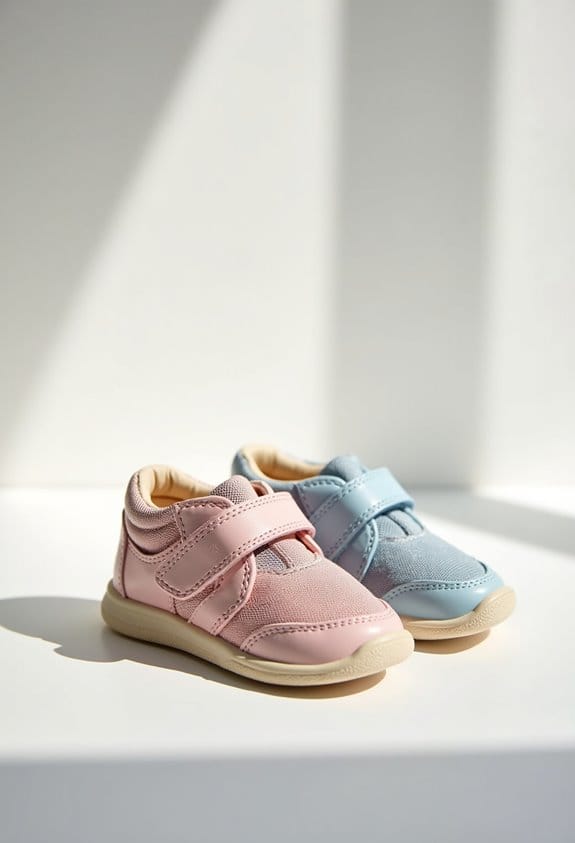
Understanding Breathable Materials in Baby Walking Shoes

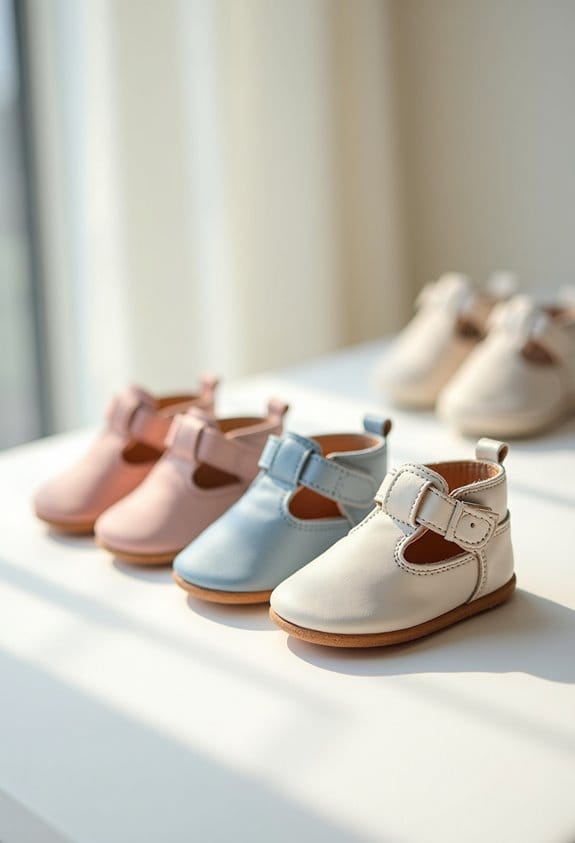
Breathable materials in baby walking shoes let air flow, keeping your precious nugget’s feet cool, dry, and comfy. Fabrics like cotton, mesh, bamboo, and leather offer softness and ventilation, helping prevent sweat, irritation, and fungal risks. Proper fit with roomy toe boxes supports natural foot growth and movement. These materials are especially good during early walking stages, where comfort and safety matter most. Learn how breathable shoes protect foot health and fit your baby’s growing steps.
Key Takeaways
- Breathable materials like cotton, mesh, bamboo fabric, and leather allow air circulation, keeping baby feet cool and dry.
- These fabrics wick away moisture, reducing sweat, blisters, and skin irritation during walking activities.
- Breathable shoes promote natural foot development by allowing foot expansion and temperature regulation.
- Proper shoe fit with a roomy toe box enhances breathability and healthy foot growth in babies.
- Regular cleaning, drying, and storage maintain the effectiveness and longevity of breathable baby shoes.
What Are Breathable Materials?

Breathable materials play an important role in baby walking shoes by helping keep your little one’s precious nugget’s feet cool and dry. These fabrics allow good air circulation, which reduces moisture and heat buildup in baby’s shoes. Common breathable materials include cotton, mesh, bamboo fabric, and leather. Cotton is soft and gentle, perfect for sensitive skin, while mesh offers excellent ventilation to keep feet feeling fresh. Bamboo fabric is naturally antibacterial and wicks away sweat, helping maintain foot health. Choosing shoes made with these materials supports proper air flow, which keeps delicate feet dry and comfortable. This helps prevent blisters, rashes, and fungal infections, which babies are more prone to. So, breathable materials are essential in baby walking shoes for comfort and healthy foot development. Lightweight and breathable materials are widely recommended to support first confident steps and promote a natural walking experience.
Importance of Breathability for Baby Feet

Because babies’ feet are still developing and very delicate, choosing shoes that allow proper air flow is essential. Breathable materials keep your little one’s feet cool and dry, which supports healthy foot growth and development. These materials help regulate temperature, preventing overheating during playtime. They also wick away moisture, reducing sweat that can cause blisters or fungal infections—common issues in tiny feet. By using shoes made with breathable fabrics, you help keep your precious nugget comfortable and protect their delicate skin. This not only promotes healthy foot development but also supports natural movement as your baby learns to explore. Remember, a shoe with good breathability is key to nurturing those growing feet safely and happily every step of the way. Additionally, choosing shoes with soft, non-slip soles enhances both comfort and safety during early walking stages.
Common Breathable Fabrics Used in Baby Shoes

Choosing the right fabric for baby shoes plays a big role in keeping your little one’s feet comfortable and healthy. Breathable materials like cotton are a favorite, thanks to their softness and gentle touch on delicate skin. Cotton also allows air to flow, which helps prevent sweaty feet. Mesh fabric is another common choice, especially in athletic baby shoes, because it is lightweight and offers excellent ventilation. Bamboo fabric is gaining popularity for its natural antibacterial traits, keeping those tiny feet dry and fresh. Even leather is used sometimes, as it breathes well and molds to your precious nugget’s foot shape. Choosing baby shoes made with breathable materials guarantees comfort and supports good foot health from the very first steps. Ensuring shoes have breathable upper materials is vital to keep feet dry and odor-free during all-day wear.
Recommended Products

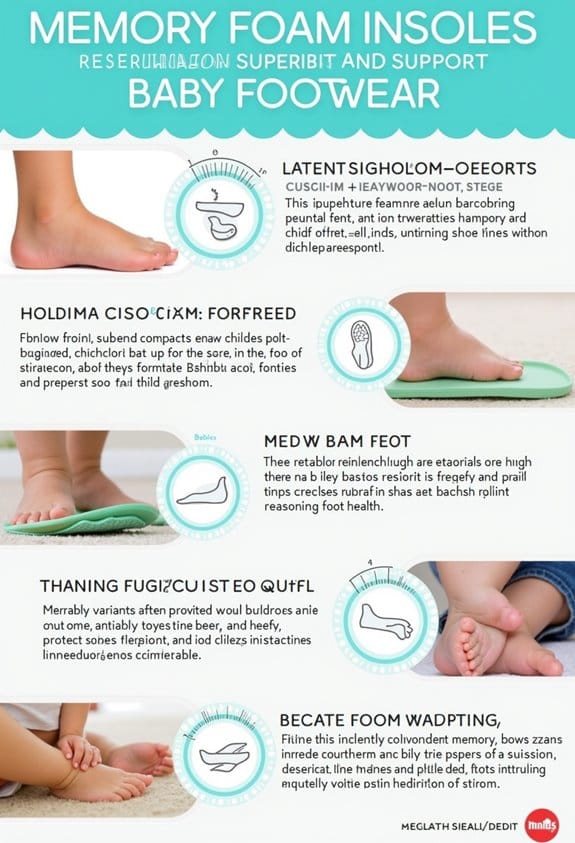
Breathable & Comfortable:These unisex baby socks shoes with non slip rubber soft Sole, knitted with soft breathable combed cotton. The insole is a memory insole, which fits the shape of the baby's feet, fit snugly and comfortably, adapting to your toddler’s natural foot movements. Super flexible , lightweight and comfortable fit all seasons.

[Breathable & Soft Cotton]:These toddler socks shoes are crafted with soft, breathable cotton, offering all-day comfort for your little one’s delicate feet. Perfect for all seasons, these infant non-slip breathable slippers keep feet cool in the summer and warm in the winter. Whether your child is indoors or outdoors, the breathable fabric ensures there’s no moisture buildup, keeping feet dry and cozy all day long.

Breathable Upper & Non-slip Sole:The sock shoes feature a breathable, skin-friendly combed cotton upper to keep your child's feet comfort and dry.Otherwise, soft and lightweight rubber sole,lightweight cushioned design, preventing your baby from slipping, a safe and cute sock sneakers for baby boys baby girls.
How Breathable Materials Support Foot Health

Proper airflow inside baby shoes plays a key role in keeping your little one’s feet healthy, especially during those first steps between 9 to 15 months old. Breathable materials like cotton and mesh allow air to circulate, helping to keep your precious nugget’s feet cool and dry. This airflow supports natural movement by letting growing feet expand and contract without restriction. When sweat wicks away thanks to these materials, the risk of blisters and skin irritation lowers considerably. Breathable shoes also help regulate temperature, preventing overheating during active playtime. By reducing moisture, these shoes decrease the chance of fungal infections, promoting overall foot health. Choosing walking shoes with breathable materials gives you peace of mind that your baby’s feet stay comfy, safe, and healthy as they take those important first steps. Additionally, using organic cotton and natural rubber materials ensures the shoes are not only breathable but also eco-friendly and safe for sensitive skin.
Design Features That Enhance Shoe Ventilation

When shoes include thoughtful design features like perforations or mesh panels, airflow improves greatly inside your baby’s walking shoes. These breathable materials help keep your precious nugget’s feet cool by reducing heat buildup during active play. Flexible shoes made with lightweight, ventilated fabrics allow natural foot movement, supporting healthy development. Ventilation holes also aid moisture management by letting sweat escape, which lowers the chance of blisters and discomfort after long wear. Breathable linings further protect delicate feet by maintaining a dry environment, essential for overall foot health. Incorporating these design elements guarantees your little one’s shoes stay fresh and comfy all day. Choosing walking shoes with proper ventilation can make a noticeable difference, keeping your baby’s steps light and happy as they explore their world.
Recommended Products

Breathable and comfortable:Knitted Mesh Upper offers comfort and air permeability.Keep your child away from foot smelly.Also,high-quality upper provides good ductility to support children's active walking, running,and playing

Breathable: These toddler walking sock shoes keep baby feet cool and comfortable during daily activities with excellent breathability.

Lace-Free Design:The baby shoes have convenient elastic lace-free design for easy on and off,fits snugly on baby's feet.Suit for crawling,walking,running,playing and won't fall off
The Role of Moisture-Wicking Technology
Beyond breathable fabrics and ventilation holes, moisture-wicking technology plays an important role in keeping your precious nugget’s feet dry and comfortable. This technology pulls sweat away from the skin, helping active toddlers stay dry even during long play sessions. Moisture-wicking materials speed up evaporation, preventing dampness that can cause blisters or fungal infections. By maintaining a cool, dry environment inside the shoe, these shoes reduce overheating and discomfort. This helps support healthy foot development by minimizing issues linked to moisture buildup. Choosing baby walking shoes with moisture-wicking properties not only keeps little feet fresh but also encourages better mobility and fun exploration. When breathable materials work together with this technology, your child’s feet get the comfort and protection they need every step of the way. It is also important to select shoes with soft soles and proper sizing to promote natural movement and foot health.
Recommended Products

Breathable & Comfortable:These unisex baby socks shoes with non slip rubber soft Sole, knitted with soft breathable combed cotton. The insole is a memory insole, which fits the shape of the baby's feet, fit snugly and comfortably, adapting to your toddler’s natural foot movements. Super flexible , lightweight and comfortable fit all seasons.

Breathable & Comfortable:These unisex baby socks shoes with non slip rubber soft Sole, knitted with soft breathable combed cotton. The insole is a memory insole, which fits the shape of the baby's feet, fit snugly and comfortably, adapting to your toddler’s natural foot movements. Super flexible , lightweight and comfortable fit all seasons.
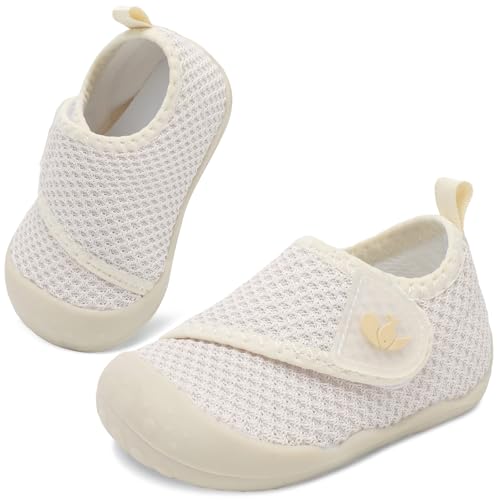
Wide Round Toe: The unique design of the toe can make the baby's feet free movement, body balance is not afraid of falling, anti-collision to help crawling
Ensuring Proper Fit to Maximize Breathability
How does ensuring a good fit in baby walking shoes help keep feet breathable and comfy? A proper fit allows breathable materials to work as they should, letting air flow freely around your little one’s feet. Shoes that are too tight can trap heat and moisture, causing discomfort. A roomy toe box is key—it offers space for healthy circulation and lets moist air escape. Remember to measure your precious nugget’s feet every month or two. Properly fitted shoes should leave about a thumb’s width between the toes and shoe front, providing room for growth without squeeze. Along with fit, adequate arch support helps maintain comfort and foot health. Together, these features maximize breathability and help keep your baby’s feet cozy and dry all day long. Additionally, selecting shoes made from lightweight materials helps prevent foot fatigue and enhances overall comfort during active play.
Recommended Products

〓 Comfy Baby Barefoot Sneakers: Crafted with soft mesh uppers and honeycomb insoles, these sneakers ensure 360°airflow to keep tiny feet dry and odorless during play. The ideal pair for all seasons
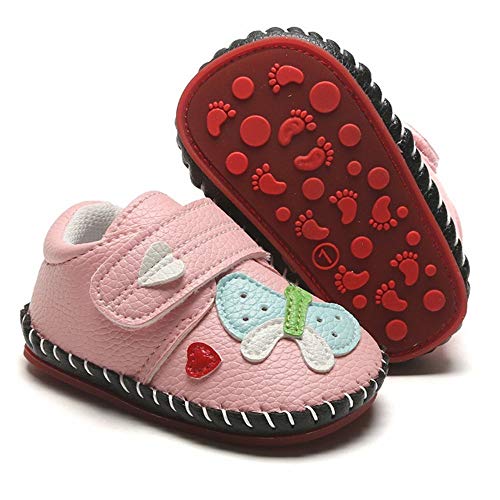
Well made:Pu Leather upper,breathable and sweat absorbing polyester material lining,sturdy rubber sole with grips prevent falls and good support

Breathable & Comfortable:These unisex baby socks shoes with non slip rubber soft Sole, knitted with soft breathable combed cotton. The insole is a memory insole, which fits the shape of the baby's feet, fit snugly and comfortably, adapting to your toddler’s natural foot movements. Super flexible , lightweight and comfortable fit all seasons.
Maintaining Breathable Shoes for Longevity
Taking good care of breathable baby walking shoes helps keep them fresh and working well for longer. Regular cleaning removes dirt that can block airflow in breathable materials, reducing shoe longevity. After each use, airing out your precious nugget’s shoes helps prevent moisture build-up and keeps odors away. It’s smart to replace insoles every few months to maintain cleanliness and support breathability. Avoid getting the shoes too wet, as excess moisture can weaken materials and harm breathability. Store the shoes in a cool, shaded spot to stop sunlight from fading or breaking down the fabric. Incorporating removable insoles makes cleaning easier and helps maintain shoe hygiene. With these simple habits, you’ll help your little one’s shoes stay comfy and durable, supporting their every step on growing adventures.
Choosing the Best Breathable Shoes for Different Stages
Choosing the best breathable shoes depends on your child’s stage of walking development. For your precious nugget who isn’t walking yet, soft-soled shoes made with breathable materials like cotton or mesh keep their feet cool and allow natural movement. When they begin taking first steps, your first walking shoes should be flexible and feature ventilation holes to promote airflow and reduce moisture. Once your little one is confidently walking and playing, breathable leather or bamboo fabric shoes provide comfort and help wick away sweat. Always guarantee a proper fit with a roomy toe box, encouraging good airflow and overall foot health. Regularly check for wear and keep those shoes clean to protect your child’s active feet every step of the way. Additionally, selecting shoes with non-slip soles enhances safety as your baby explores new surfaces and gains mobility.
Recommended Products

Non-slip Soles:Preventing your baby from slipping,soft, lightweight sole,a safe and cute sock sneakers for baby boys baby girls. Breathability:Excellent breathability and...
Frequently Asked Questions
What Materials Are Breathable for Shoes?
Mesh fabrics lead the list of breathable materials, excelling in moisture control and heat regulation. Their intricate design allows air circulation, preventing heat buildup, making them essential for maintaining comfort and dryness in shoe interiors.
How Important Is Breathability in Shoes?
Breathability in shoes is essential, as breathability benefits include effective temperature regulation and enhanced foot health. These factors prevent overheating, moisture buildup, and infections, thereby supporting comfort and promoting healthy development, especially in sensitive or active feet.
How to Choose Breathable Shoes?
Choosing breathable shoes involves following shoe fitting tips to guarantee comfort and proper baby foot development. Seasonal shoe choices should prioritize materials and designs that enhance airflow, support healthy circulation, and prevent overheating during active play.
What Are the Best Shoes for Babies Learning to Walk?
The best shoes for babies learning to walk are soft sole shoes, like clouds beneath tiny steps, designed for first walkers with flexible soles, roomy toe boxes, and consistently monitored shoe fit to nurture growing, adventurous feet safely and comfortably.