As an Amazon Associate, we earn from qualifying purchases. Some links on this site are affiliate links at no extra cost to you. Our recommendations are based on thorough research and editorial judgment.


When to See a Pediatric Podiatrist About Walking Concerns

You should consider seeing a pediatric podiatrist when your precious nugget shows persistent toe walking past age 3, heel pain between 8 and 14, or frequent trips and falls. Watch for flat feet causing discomfort or recurring skin and nail issues like ingrown toenails and warts. A specialist can assess walking patterns and recommend treatments or supportive shoes. If you want to better understand these signs and support your child’s walking development, further information can guide your next steps.
Key Takeaways
- Consult a pediatric podiatrist if toe walking persists beyond age 3 or affects normal walking patterns.
- Seek evaluation for heel pain, especially if your child limps or complains after activity.
- Visit if your child shows signs of flat feet accompanied by discomfort or fatigue.
- Get professional advice if frequent trips, falls, or unusual gait patterns occur.
- Address recurring skin or nail problems like ingrown toenails or warts linked to walking issues.
Recognizing Persistent Toe Walking

Many toddlers enjoy walking on their toes as part of learning to move, but this behavior should slow down by age 2 or 3. If your precious nugget’s toe walking becomes persistent beyond this, it’s worth paying close attention. Persistent toe walking might affect your child’s walking patterns and foot development. A pediatric podiatrist can evaluate whether this is a normal phase or a sign of underlying issues like tight calf muscles or neurological concerns. Early professional help is important, as proper treatment—such as physical therapy, orthotics, or other methods—can improve gait and comfort. If your child complains of pain or wobbliness, don’t hesitate to reach out. Monitoring these signs helps guarantee your little one moves with confidence and ease. Additionally, choosing properly fitting shoes with non-slip soles can support safe walking development during this critical stage.
Identifying Signs of Heel Pain in Children

Although heel pain might seem like a small issue, it can signal a condition called Sever’s disease, common in children between 8 and 14 years old. This common condition involves inflammation of the growth plate at the back of a child’s foot. You might notice your precious nugget limping, favoring one heel, or complaining of foot pain after play. Swelling or discomfort during activity is also a key sign to watch for. Since the growth plate is more vulnerable in kids, early attention is important. A pediatric podiatrist can diagnose heel pain and recommend proper foot care like rest, heel cups, or therapy. If your child often mentions heel pain, seek expert help to keep those little feet happy and healthy. Choosing the right shoes with good material and support can also play a vital role in preventing and managing heel pain in young children.
Recommended Products
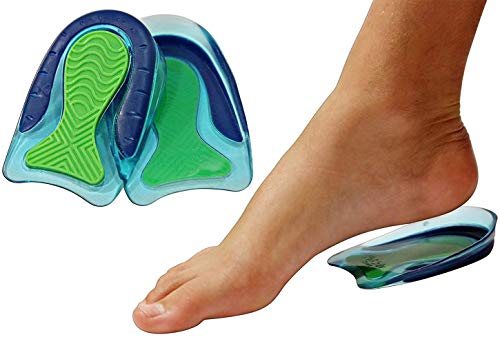
Designed for kids with heel sensitivity from Severs Disease, Plantar Fasciitis, or any other undiagnosed heel pain issues.

Gel Sport Traction Heel Cup/Pad for kids with heel sensitivity from Heel Spurs, Plantar Fasciitis or any other undiagnosed heel pain issues
Understanding Flat Feet and Its Impact on Posture

Flat feet, known medically as pes planus, show up when the arch of a child’s foot is lower than usual or not visible at all. This condition is common in young children, with most outgrowing it by age 6 or 7 as their arches develop naturally. However, if flat feet cause discomfort or affect your precious nugget’s posture, it could lead to foot problems or muscle strain. Proper pediatric foot care, guided by expert evaluation, can help relieve pain and prevent misalignment. A pediatric podiatrist may recommend orthotic inserts to support foot health and promote better posture. Watching for signs like fatigue or ongoing discomfort will help guarantee timely care and keep your child’s steps happy and healthy. Choosing shoes with flexible soles and proper support can also encourage healthy foot alignment and stability.
Recommended Products

LASTING COMFORT: Arch support improves foot and leg alignment, enhances comfort, and helps ease stress and uncomfortable caused by flat feet (Pronation), bunions,...
Noticing Frequent Trips and Falls During Walking

If your precious nugget stumbles or falls often while walking, this could signal an underlying foot or muscle issue. Frequent trips and falls may arise from foot issues like weak ankles or poor alignment that interfere with children’s developing balance. This clumsiness often shows up in unusual walking patterns, such as in-toeing or uneven steps. A pediatric podiatrist is the best person to spot these concerns through a detailed gait analysis. Early intervention is important to prevent long-term balance problems and coordination difficulties. Watching your child’s walking patterns carefully helps you notice any troubling changes. If you see persistent instability or frequent falls, consulting a pediatric podiatrist will provide the right guidance and care tailored to your child’s needs. Choosing proper footwear like flexible soles can also support natural foot development and improve walking stability.
Recommended Products

[Wide toe box]: These toddler shoes for boys and girls feature a wide toe box that helps prevent toe squeezing and allows little feet to splay naturally. Perfect for babies with high insteps or wide feet, they keep your child comfortable and at ease during those important early walking stages

Flexible Barefoot Feeling Design: Featuring a zero-drop sole and flexible construction, these barefoot-inspired shoes provide a natural feel with better ground flexibility. The lightweight design allows kids to move freely while walking, playing, and exploring

Breathable Soft Upper: Mishansha kids hiking shoes are made with oxford , ensure comfort for kids during long hours of wear. Also the soft breathable inner of kids sneakers can keep kids boys feet dry
Detecting Recurring Skin and Nail Problems

Spotting frequent trips and falls sometimes leads to another common concern: recurring skin and nail problems on your precious nugget’s feet. Issues like ingrown toenails often arise when nails dig into soft skin, causing pain and swelling. These are frequent pediatric foot conditions, especially if your child wears tight shoes. Warts and calluses, thickened skin spots, can also form, sometimes causing persistent pain during walking. These skin problems may make your little one resist putting on shoes or walking comfortably. Pediatric podiatry offers expert care to identify and treat these issues before infections develop. Watching for ongoing discomfort or visible changes is key. If your child shows signs of foot pain or skin troubles, consulting a pediatric podiatrist guarantees early, effective treatment and helps your precious nugget stay happy on their feet.
Recommended Products

[36 IN 1 Pedicure Kit] Come with 36 pedicure rasp tools, including foot rasp, cuticle pusher, foot clipper, scraper, callus remover, cuticle remover, foot file, nail file, nail and toenail clipper etc. Different manicure pedicure tools to meet your different needs.

SOFT, SMOOTH FEET IN MINUTES Dr. Scholl’s Pedi Perfect 4-in-1 Pedicure Kit helps you feel confident with soft, smooth feet in minutes using a simple routine designed to treat your feet with the ultimate foot care kit

Full Kit Inclusion: This No. 10 Kids Soccer Jersey Kit Set includes jersey, shorts, and socks in youth sizes, offering a coordinated uniform for practice and play.
The Role of Pediatric Podiatrists in Gait Assessment
How does your precious nugget walk? Pediatric podiatrists play a key role in gait assessment to address walking concerns in children’s developing feet. Using gait analysis, they carefully observe how your child’s feet strike the ground and how their legs and hips align during walking. This thorough pediatric evaluation identifies irregular patterns like in-toeing or persistent toe walking. Detecting these early allows for customized treatment plans designed just for your child, which may include physical therapy or orthotics. Pediatric podiatrists also advise on appropriate footwear to support better walking mechanics. Early intervention is important, as timely diagnosis often leads to improved outcomes and reduces future complications. If you notice unusual walking habits, a visit to a pediatric podiatrist can provide valuable insights and tailored care for your little one’s healthy steps ahead. Choosing shoes with flexible rubber outsoles can promote natural foot movement and improve walking safety during these early stages.
Choosing Appropriate Footwear for Healthy Walking
Choosing the right shoes for your precious nugget plays a big role in supporting healthy walking habits. Footwear should be lightweight and flexible, allowing children’s developing feet to move freely and get sensory feedback. For new walkers, look for shoes with a rounded toe box and secure closures to avoid slips and falls. Always check the fit—there should be about a thumb’s width of space beyond the longest toe to guarantee comfort. Tight shoes can cause problems like ingrown toenails and discomfort. As children grow into preschool and school age, shoes need durability and proper arch support, especially for high arches. Good footwear supports the pediatric foot and ankle well and can help prevent common walking problems, keeping your little one comfortable and steady on their feet. It is also important to select shoes with non-slip rubber outsoles to ensure safety on various surfaces.
Recommended Products

✅ IMPORTANT PURCHASING INFORMATION: Please check the size chart and measuring instructions to ensure the correct fit. THREE-STRAP ADJUSTMENT: Easily adjustable for swelling, bandaging, and pressure points

Breathable & Comfortable:These unisex baby socks shoes with non slip rubber soft Sole, knitted with soft breathable combed cotton. The insole is a memory insole, which fits the shape of the baby's feet, fit snugly and comfortably, adapting to your toddler’s natural foot movements. Super flexible , lightweight and comfortable fit all seasons.
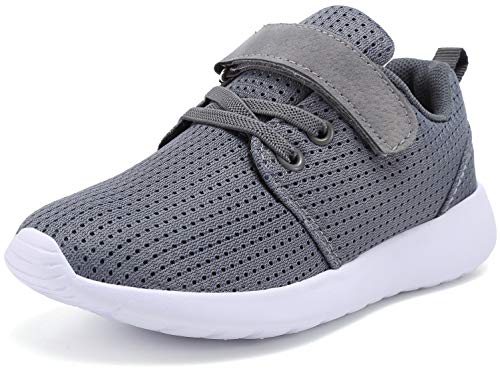
SURPRISING COMFORTABLE AND DURABILITY SOLE: These premium athletic kids shoes for girls and boys are crafted with incredibly soft soles and breathable materials.Offers ultra-lightweight support,suit for kids running,walking,play tennis or another sports.
Frequently Asked Questions
At What Age Should I Be Concerned My Child Isn’t Walking?
Long before smartphones, children typically reach normal walking milestones between 9 to 15 months. Delays past 18 months, atypical toddler walking patterns, or signs of mobility issues warrant pediatric walking assessments to address common walking delays and support walking development stages effectively.
When Should I Worry About My Child’s Toe Walking?
Concern arises when toe walking persists beyond developmental milestones, suggesting causes like muscle tightness, balance issues, or sensory processing difficulties. Early intervention through pediatric assessments helps identify appropriate treatment options to prevent long-term complications.
What Is the Red Flag for Delayed Walking?
The red flag for delayed walking includes missed milestones beyond age-specific expectations, such as no independent steps by 15 months. Parental observation tips and pediatric assessment techniques aid in identifying common walking concerns, guiding expert consultation and intervention strategies available.
What Are 5 Symptoms Foot Doctors Say You Should Never Ignore?
Foot doctors emphasize never ignoring foot pain, flat feet, uneven gait, knocked knees, and high arches. Additionally, frequent tripping, swollen feet, and toenail issues require prompt evaluation to prevent complications and guarantee proper foot development.