As an Amazon Associate, we earn from qualifying purchases. Some links on this site are affiliate links at no extra cost to you. Our recommendations are based on thorough research and editorial judgment.


Barefoot Walking on Different Surfaces: Grass, Sand & More

Barefoot walking on grass, sand, and soil offers kids a precious nugget of sensory and physical benefits. Grass gently cushions feet, stimulating nerve endings and promoting calm. Sand builds foot muscles and balance while protecting joints. Soil encourages grounding, lowering stress and boosting mood. These soft surfaces improve posture and coordination, ideal for children gaining motor skills. Take it slow with short barefoot sessions, watching for comfort. Exploring these surfaces helps you nurture your child’s healthy development and well-being.
Key Takeaways
- Walking barefoot on grass stimulates nerve endings, promotes grounding, reduces stress, and enhances mindfulness and emotional well-being.
- Sand barefoot walking strengthens foot muscles, improves balance, cushions joints, and increases calorie burn for light cardio benefits.
- Soft and varied surfaces like grass and sand enhance proprioception, posture, neuromuscular coordination, and reduce fall risks.
- Begin barefoot walking on soft surfaces gradually, monitor foot comfort, avoid sharp objects, and clean feet after outdoor sessions.
- Ideal barefoot environments include grass for comfort, sand for muscle strength, soil for grounding, and parks or beaches for relaxation.
The Sensory Experience of Grass Walking

Although it may seem simple, walking barefoot on grass offers more than just a pleasant feeling for your little one’s feet. The grass provides a soft, natural surface that cushions each step, reducing impact on growing joints. This surface gently stimulates over 200,000 nerve endings in the feet, making it a rich sensory experience that helps your child become more aware of their body. The varied textures and coolness of grass engage their senses, promoting mindfulness and relaxation. Walking barefoot also encourages grounding—a special connection to Earth’s energy that can help reduce stress and brighten moods. Over time, this barefoot contact strengthens the small muscles in the feet, improving balance and coordination. For your precious nugget, grassy walks offer gentle, playful learning with real health benefits. For infants, choosing footwear with soft soles and flexible materials supports this natural foot development while transitioning from barefoot experiences.
Physical Benefits of Walking on Sand

Walking barefoot on sand offers your precious nugget a unique way to strengthen their feet and legs. The soft, shifting surface naturally engages foot muscles more than hard ground, improving strength and stability through gentle resistance. This kind of walking helps develop better foot biomechanics, encouraging a natural gait that supports proper alignment and reduces foot pain. Sand also cushions joints, lowering the risk of injury compared to firmer surfaces like concrete. Because sand requires more balance and coordination, it boosts proprioceptive skills—helpful for kids recovering from injuries or enhancing athletic abilities. Plus, walking on sand burns more calories, adding a light cardio benefit for overall fitness. Encouraging barefoot walking on sand can support healthy foot development and build lasting strength in young legs. Additionally, choosing shoes with zero drop technology when transitioning to footwear can promote natural foot development while maintaining comfort.
Connecting With Soil: Emotional and Grounding Effects

Beyond the physical benefits of walking on sand, connecting with the soil beneath your precious nugget’s feet offers special emotional and grounding effects. This direct contact links your child to the Earth’s natural energy, which promotes a sense of balance and calm. The ground beneath activates many nerve endings, improving sensory awareness and emotional well-being. It encourages mindfulness, helping your little one feel more present and relaxed. Walking barefoot on soil can reduce stress by lowering cortisol levels, thanks to the soothing touch of nature. Many parents notice their children experience joy and tranquility after time on soft soil. By fostering this connection, barefoot walking becomes more than exercise—it supports emotional stability and a deeper bond with the environment. Ensuring your child transitions safely by choosing footwear with flexible soles can further enhance the natural benefits of barefoot walking.
How Different Surfaces Affect Foot Muscle Strength

Different surfaces offer a variety of benefits for your precious nugget’s foot muscle strength. Walking barefoot on grass activates small muscles in the feet, helping improve strength and function. Sand gives a tougher workout, as it needs more muscle effort to keep balance, building endurance in those tiny muscles. Soil encourages flexible, natural foot movements, engaging many foot muscles and supporting healthy foot mechanics. Uneven surfaces like pebbles or forest floors challenge the feet even more, strengthening both foot muscles and the ankles. These activities highlight the benefits of barefoot walking by improving foot muscle strength through natural challenges. By exploring various textures, you help your child’s feet grow stronger and more adaptable, offering a solid foundation for healthy, active development. It is important to use flexible soles as footwear following barefoot activities to support continued natural foot movement and balance development.
Recommended Products

LIVE FREE AND PLAY HARD.Comfy, flexible and super easy to wear-the Nike Free Run 2 transforms a running shoe into all-day play-ready shoes. The deep grooves in the sole are the signature of the Free's "barefoot-like" feel. With plush details and soft

LIVE FREE AND PLAY HARD.Comfy, flexible and super easy to wear-the Nike Free Run 2 transforms a running shoe into all-day play-ready shoes. The deep grooves in the sole are the signature of the Free's "barefoot-like" feel. With plush details and soft
LIVE FREE AND PLAY HARD.Comfy, flexible and super easy to wear-the Nike Free Run 2 transforms a running shoe into all-day play-ready shoes. The deep grooves in the sole are the signature of the Free's "barefoot-like" feel. With plush details and soft
Impact on Balance and Posture Across Various Terrains

Exploring a variety of surfaces barefoot can greatly benefit your precious nugget’s balance and posture. Barefoot walking on soft grass gently stimulates foot muscles and boosts proprioception, helping your child stay steady. Walking on sand engages leg and foot muscles in new ways, improving posture and alignment. Uneven terrain like trails challenges stabilizing muscles, refining neuromuscular coordination and dynamic balance. These varied experiences retrain natural gait patterns, leading to better overall posture and movement. For growing children, strengthening lower limb muscles through barefoot walking supports balance and reduces fall risks. Encouraging your little one to explore different surfaces barefoot helps develop stable, confident movement while promoting healthy posture habits that last a lifetime. Additionally, flexible soles in early walking shoes can complement barefoot benefits by allowing natural foot movement and balance development.
Risks and Safety Tips for Barefoot Walking Outdoors
Although barefoot walking offers many benefits, it also comes with some risks that parents should carefully consider. The risks of walking barefoot include injuries from sharp objects like glass, thorns, or stones. Walking on hard or uneven surfaces can also lead to cuts or sprains. To keep your precious nugget safe, start barefoot adventures on soft natural surfaces such as grass or sand. These surfaces cushion feet and reduce injury chances. Watch out for extreme temperatures, which can burn or chill little feet. Keep in mind that public areas may harbor bacteria or fungi, so clean feet thoroughly after outdoor time. For children with foot issues, gradually increase barefoot walking to help them adjust comfortably. Taking these simple safety steps makes barefoot fun safer and more enjoyable for your little one. Using shoes with flexible soles and breathable materials after barefoot time can help protect tender feet while supporting healthy foot development.
Mental and Emotional Health Benefits of Barefoot Walking
Walking barefoot on soft, natural surfaces can do more than protect your precious nugget’s feet—it can also lift their spirits. Barefoot walking improves mood by helping activate a connection with nature that lowers stress hormones like cortisol. This grounding effect promotes calmness, reduces anxiety, and supports better sleep. The mental health benefits of walking barefoot include increased mindfulness and present moment awareness, which can boost mental clarity and emotional balance. Studies show children and adults both feel less fatigued and more energized after spending time barefoot on grass or sand. This simple practice nurtures emotional well-being and mental resilience, making it a gentle, natural way to support your child’s overall psychological health. Incorporating barefoot time daily helps enhance mind-body harmony in a safe, enjoyable way. Additionally, choosing shoes with a wide toe box and zero drop sole after barefoot walking can further support natural foot development and comfort.
Gradual Techniques for Adapting to Barefoot Walking
Patience is key when helping your precious nugget adjust to barefoot walking. To adapt smoothly, start with short, 5 to 10-minute barefoot sessions on soft surfaces like grass. These gradual techniques allow tiny feet to get used to new sensations without strain. Alongside walking, encourage foot-strengthening exercises such as toe curls. These build muscle support and prepare feet for longer walks. As comfort grows, gradually introduce firmer or uneven terrain like sand to challenge foot muscles and balance further. Always watch for any discomfort or pain—if it occurs, shorten sessions and let the feet rest before trying again. With consistent practice a few times weekly, this careful approach helps your little one develop healthier foot mechanics and greater body awareness safely and steadily. Using breathable materials during these sessions can help maintain comfort and prevent irritation.
Recommended Products

【Forgiving】Premium EVA foam gym mats for home gym, offering a forgiving surface ideal for play or intense workouts. Our 5/8" thick foam floor tiles combine firmness with comfort.

【CERTIFIED SAFE & PET FRIENDLY】 Safety is our priority. This 11x15 rug is Standard 100 by OEKO-TEX certified, meaning it's free from harmful substances—a crucial feature for families with babies and paws. The surface is a durable, smooth flatweave texture that resists scratching and doesn't trap pet hair, making it the ultimate low-maintenance choice for busy households

Product Type: Loafers,Velcro Shoes,Barefoot Shoes,Velcro Learning Shoes,Flexible,Lightweight
Choosing the Best Natural Surface for Your Barefoot Practice
Choosing the right natural surface for barefoot walking can make a big difference in your precious nugget’s comfort and safety. Grass is often the best starting point. It offers a soft, natural cushion that helps protect delicate feet while allowing gentle exploration. Sand is another excellent choice. Its shifting texture strengthens foot muscles and promotes balance, making it great for developing stability. Grounding the human body is also important, and soil surfaces provide a direct connection to the earth, enhancing that natural electrical balance. Parks and gardens combine these benefits with calm surroundings that encourage mindfulness. Beaches add warmth and the soothing sound of water for a relaxing barefoot experience. Choosing surfaces carefully guarantees your little one enjoys safe, comfortable, and beneficial barefoot practice. Additionally, ensuring your child’s feet are supported by flexible soles while walking barefoot or in sensory shoes helps promote healthy foot development.
Recommended Products

Womens Brown Brown Brown Winter Boots Womens Shoes

WEATHER-RESISTANT UPPER: Constructed with a durable polyester upper featuring water-resistant properties to help shed moisture. This breathable material is engineered to allow for airflow during off-road training and rugged trail use.
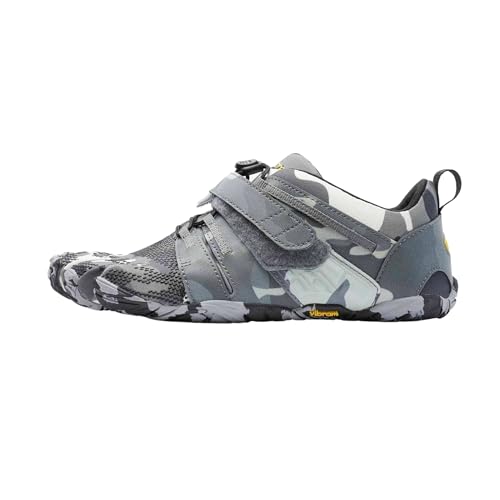
LIGHTWEIGHT & BREATHABLE: Stay cool with a polyester mesh upper designed to let your feet breathe naturally during high-intensity HIIT, weightlifting, and functional fitness sessions.
Frequently Asked Questions
Is It Better to Walk Barefoot on Grass or Sand?
Like choosing between velvet and sandpaper, grass offers a gentler sensory experience promoting foot health through softer environmental factors, while sand provides muscle engagement; preference depends on individual needs for comfort versus strengthening benefits during barefoot walking.
What Is the Best Surface to Walk Barefoot On?
The best surface for barefoot walking balances health benefits with barefoot challenges; grass offers softness and cushioning, promoting comfort, while protective footwear suits harsher terrains, mitigating injury risk and supporting foot muscle engagement during diverse barefoot activities.
Is Walking Barefoot on Sand Grounding?
Walking barefoot on sand offers grounding benefits through direct contact with the Earth, enhancing sensory experience and promoting positive health impacts such as reduced inflammation and improved circulation, contributing to overall foot wellness and emotional relaxation.
Is Walking Barefoot on Sand Good for You?
Walking barefoot on sand is a natural symphony for the feet. The sand texture acts like a gentle sculptor, enhancing foot mechanics and offering health benefits by strengthening muscles, improving balance, and soothing aches with calming warmth and massage effects.