As an Amazon Associate, we earn from qualifying purchases. Some links on this site are affiliate links at no extra cost to you. Our recommendations are based on thorough research and editorial judgment.


Daycare Shoe Requirements: What Teachers Recommend

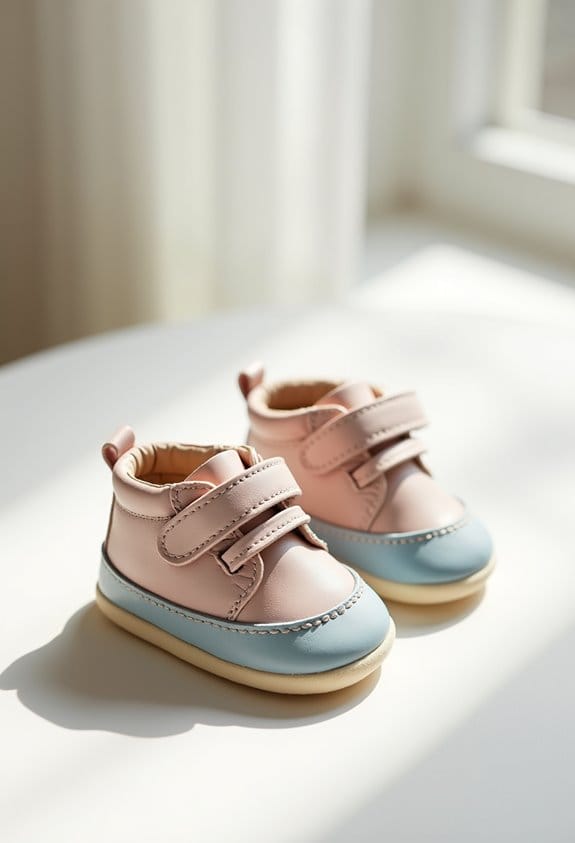
Daycare teachers suggest shoes that balance safety and comfort for your precious nugget. Closed-toe shoes with non-slip soles protect little feet during active play. Lightweight, breathable materials keep feet happy, while Velcro or slip-on styles foster independence. Proper fit is key; shoes should allow natural movement without pinching. For new walkers, flexible soles support early steps safely. These guidelines help guarantee your child’s feet stay protected indoors and outdoors, with practical tips to ease adjustment coming up next.
Key Takeaways
- Teachers recommend closed-toe shoes with non-slip soles to ensure safety during indoor and outdoor play.
- Shoes should have a firm yet flexible sole to support natural foot movement and stability for active children.
- Velcro or slip-on styles are preferred to encourage children’s independence in dressing and shoe removal.
- Breathable, lightweight materials help keep children’s feet comfortable and dry throughout the day.
- Proper fit with a wide toe box is essential to prevent discomfort and accommodate growing feet.
Understanding Daycare Shoe Policies
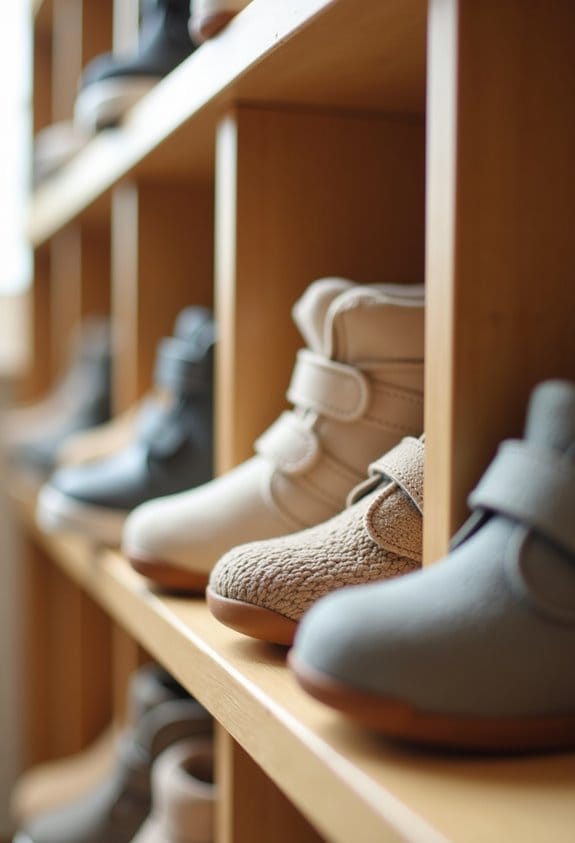
Although every daycare may set its own rules, shoe policies often focus on keeping your precious nugget safe and comfortable. Many daycares require children to wear shoes outdoors to protect against hazards like insect bites or rough terrain. Closed-toe shoes are usually recommended, as they guard little feet during active play. While some daycares allow children to be barefoot indoors for comfort, the rules can vary by facility. It’s also important for shoes to fit well because ill-fitting shoes can cause discomfort or limit movement. Teachers often suggest shoes that kids can manage on their own, such as those with Velcro straps or slip-on styles. Being required to wear shoes isn’t just about safety—it also encourages your little one’s independence. Additionally, choosing shoes with flexible, non-slip soles helps ensure stability and reduces the risk of falls during active play.
Importance of Proper Footwear for Young Children
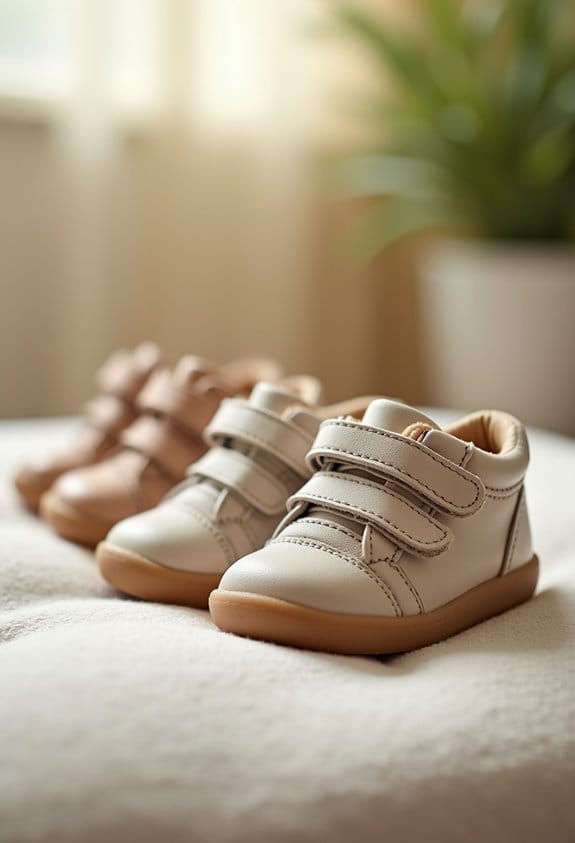
When choosing shoes for your little one, it’s important to remember that proper footwear supports growing feet in many ways. Shoes with a wide toe box give your precious nugget room to wiggle their toes, which helps develop balance and coordination. Proper shoes also protect tiny feet from rough surfaces and hidden hazards outdoors. Comfort matters too—a lightweight shoe made from breathable materials keeps feet cool and happy during active play. Well-fitted shoes allow natural foot movement, so your child can explore and learn with ease. Plus, easy-to-manage designs encourage independence as kids practice putting on shoes by themselves. Overall, the right footwear is a key part of supporting your young child’s healthy growth and joyful daily adventures. It’s essential to choose shoes with adjustable closures for a secure yet flexible fit that accommodates growing feet.
Features of Ideal Shoes for Daycare
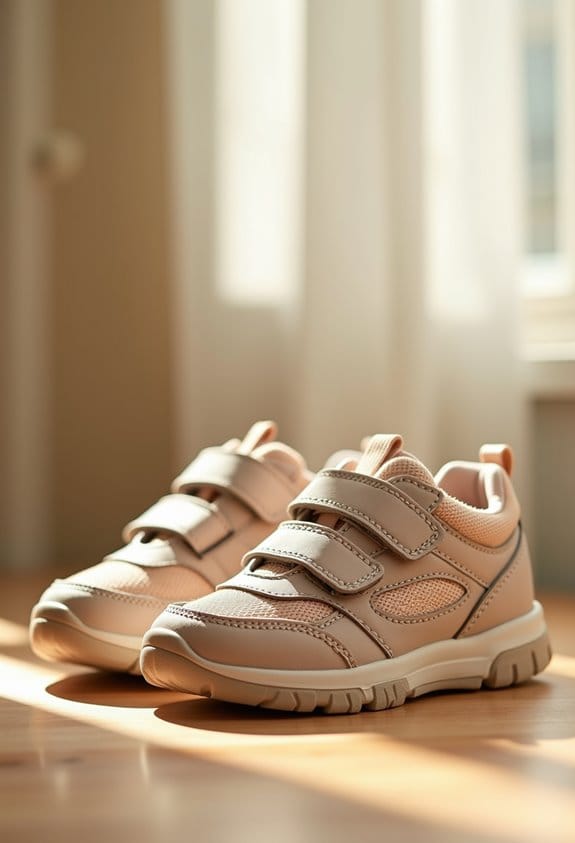
Since daycare involves lots of running, climbing, and exploring, shoes need to keep little feet safe and comfortable. The ideal shoes to wear have a closed-toe design, protecting your precious nugget’s toes from bumps and scrapes. Breathable materials are important, too, so feet stay cool and dry during active play. A proper fit matters—the shoes should offer a wide toe box, allowing natural foot movement and avoiding pinching. Lightweight shoes help toddlers move easily and confidently as they explore. Non-slip soles are essential for stability, reducing the risk of slips on different surfaces inside and outside. Choosing daycare shoes with these features guarantees your child stays safe and happy while learning and playing every day. Additionally, adjustable closures allow toddlers independence in wearing their shoes, promoting confidence and self-sufficiency.
Recommended Products

〓 Comfy Baby Barefoot Sneakers: Crafted with soft mesh uppers and honeycomb insoles, these sneakers ensure 360°airflow to keep tiny feet dry and odorless during play. The ideal pair for all seasons

Lightweight Non-Slip Sole for Active Toddlers: For toddlers who love to run, climb, and play, heavy shoes can feel tiring. Each shoe weighs about 75g / 2.6 oz, with a flexible EVA outsole and non-slip textured tread to help support steady steps on playgrounds, sidewalks, and everyday surfaces

Lightweight Non-Slip Sole for Active Toddlers: For toddlers who love to run, climb, and play, heavy shoes can feel tiring. Each shoe weighs about 75g / 2.6 oz, with a flexible EVA outsole and non-slip textured tread to help support steady steps on playgrounds, sidewalks, and everyday surfaces
Balancing Comfort and Safety in Children’s Shoes

Keeping your precious nugget comfortable and safe in daycare means finding shoes that balance both qualities well. The best shoes combine snug fits with roomy toe boxes, allowing natural foot movement and preventing tightness. Closed-toe designs protect little feet from outdoor hazards like sharp objects and rough surfaces encountered during play. Lightweight, breathable materials help keep feet cool and dry, supporting your child’s comfort all day. Shoes featuring easy fastening systems, such as Velcro straps or slip-ons, encourage independence in dressing and reduce frustration. Properly fitting shoes also reduce slips and trips by providing good support and grip. When choosing the best shoes, consider these safety and comfort features—they are key to helping your child explore and grow confidently in daycare. Additionally, selecting shoes with non-slip soles enhances stability and prevents accidental falls during active play.
Recommendations for New Walkers
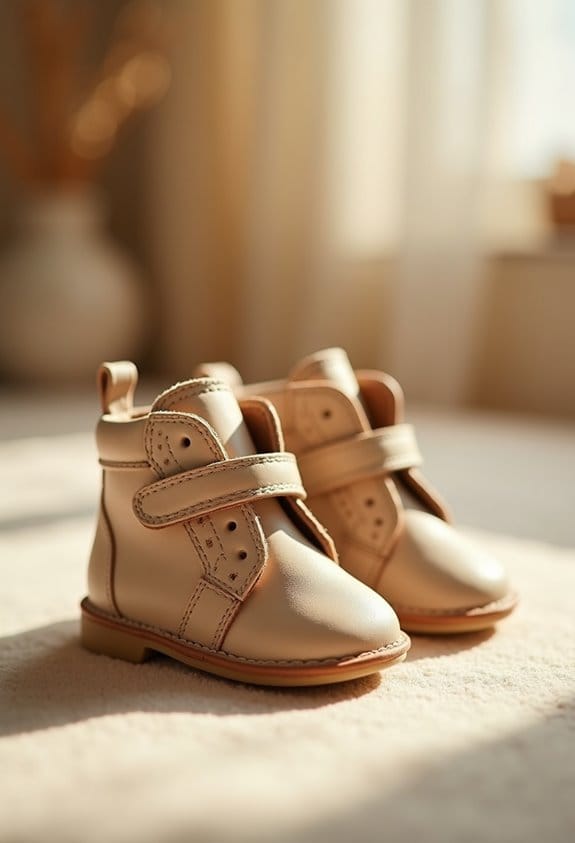
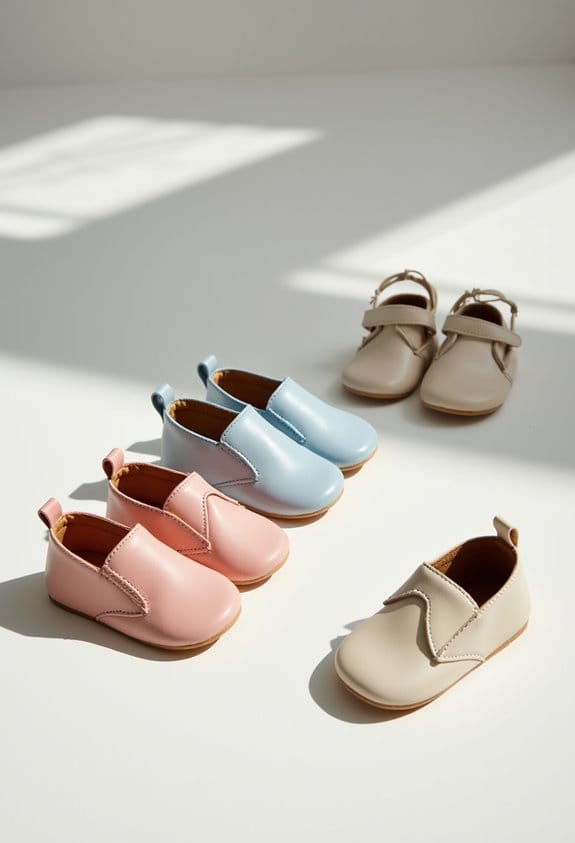
A few key features help new walkers find shoes that protect little feet while encouraging natural movement. New walkers need shoes that are lightweight and flexible to support early steps without restricting natural foot growth. Shoes like the Ten Little First Walkers have a wide tongue to accommodate chubby feet, but you should check the fit carefully since they might run large. For indoor wear, Birdrock Baby Moccasins offer soft comfort and fun colors your precious nugget will enjoy. Minimalist options such as Little Love Bug Low-Tops promote a barefoot style, supporting healthy foot development while still providing safety. It’s best to introduce shoes slowly, letting your child play in them a bit each day so they adjust comfortably to this new experience. Additionally, selecting shoes with non-slip soles enhances stability and confidence during those early steps.
Recommended Products

Breathable & Comfortable:These unisex baby socks shoes with non slip rubber soft Sole, knitted with soft breathable combed cotton. The insole is a memory insole, which fits the shape of the baby's feet, fit snugly and comfortably, adapting to your toddler’s natural foot movements. Super flexible , lightweight and comfortable fit all seasons.

Breathable & Comfortable:These unisex baby socks shoes with non slip rubber soft Sole, knitted with soft breathable combed cotton. The insole is a memory insole, which fits the shape of the baby's feet, fit snugly and comfortably, adapting to your toddler’s natural foot movements. Super flexible , lightweight and comfortable fit all seasons.

FEETCITY Baby First Walking Shoes Boys Girls Toddler Sneakers Anti-Slip Newborn Crib Shoes Dark Grey
Upper:Knitted Mesh Upper offers comfort and air permeability,has excellent breathability,moisture wicking function,and keep baby's feet dry and odorless.Super Soft,Breathable and Comfortable fit all the year
Gender-Neutral and Versatile Shoe Colors
After finding the right shoes for new walkers, many parents consider color choices that work well for everyday wear. Choosing gender-neutral footwear, like gray, navy, or olive, offers great versatility for your little one’s wardrobe and future siblings. These colors blend easily with different clothes, so your precious nugget’s shoes won’t clash and last longer. Brands such as SeeKaiRun and Ten Little provide safe, comfortable options in gender-neutral styles that work well for daycare activities. Beyond practical benefits, gender-neutral footwear supports inclusivity and encourages children to express themselves freely, without the limits of traditional color rules. With these versatile colors, you simplify shoe choices without sacrificing style or function, making it easier to care for your child’s growing feet. Additionally, selecting shoes with adjustable straps ensures a secure fit that can accommodate your toddler’s rapidly growing feet.
Budget-Friendly Shoe Options for Daycare
Finding shoes that protect little feet while fitting a family budget is possible with thoughtful choices. Budget-friendly shoe options for daycare include Amazon Mary Janes and Cat & Jack Parker, both flexible and comfortable without a high price tag. The Ten Little Mary Janes may cost more but last longer, making them a smart pick for hand-me-downs. Brands like QFH and Saguaro focus on barefoot comfort, ideal for indoor and outdoor play. Whitin shoes offer wider fits and sizing guides to help growing feet without overspending. Don’t overlook consignment stores—they often have gently used quality shoes at lower prices. These options keep your precious nugget’s feet safe and comfy while respecting your budget, making daycare shoe shopping manageable and stress-free for you. Prioritizing shoes with non-slip soles is essential for toddler safety and confidence during active play.
Recommended Products

Material: PU Leather upper,breathable cotton lining.Anti-skid bottom.Which is good for baby's feet to Learning walking.Very soft material and rubber soles makes it easier to walk in on hard surfaces.No Any Stimulation to the Skin of Baby's Feet

SAFE MATERIAL - Our baby girl shoes are super soft & light weight, and Non-Slip bottoms allow your baby to maneuver safely.

Premium Soft Cotton Material: Made of 85% high-quality cotton, these socks are breathable and gentle on your baby’s delicate skin. Lightweight, stretchy, and comfortable for all-day wear, they are ideal for summer and all seasons
Supporting Child Independence With Shoe Choice
When choosing daycare shoes, you can support your precious nugget’s independence by selecting designs that are easy to manage alone. Shoes with Velcro straps or slip-on styles let little ones put on and take off their shoes by themselves, boosting self-reliance. Supporting child independence with shoe choice means picking footwear that is flexible with a wide toe box. This helps your child move naturally, which is important for building strong motor skills and confidence. Lightweight, flexible shoes also assist in balance and coordination during play. Teachers often suggest avoiding laces until children are ready, making shoe changes smoother and less frustrating. Choosing the right shoes empowers your child to develop dressing skills while meeting daycare safety guidelines, nurturing both independence and comfort throughout their day. Shoes with firm soles provide better stability and support, which is essential for confident walking and play.
Managing Shoe Fit and Sizing Challenges
Shoe fit is one of the trickiest challenges parents face when choosing footwear for their precious nugget’s daycare days. Managing shoe fit and sizing challenges starts with knowing that sizes vary widely between brands. You’ll want to check each brand’s size chart carefully, especially when shopping online. Many brands offer printable sizing guides to help you pick the right fit before ordering. Don’t forget to take into account shoe width, since some brands better accommodate wider feet. For toddlers, shoes with a wide toe box can promote comfort and natural foot movement, reducing fussiness. Finally, familiarize yourself with return policies from shoe retailers, because sometimes you’ll need to exchange shoes if they don’t fit right. Keeping these tips in mind makes the process easier and safer for your little one. Additionally, selecting shoes with non-slip rubber soles can enhance safety and provide the necessary grip during active play.
Recommended Products

[ Wide Toe Box ]: The wide toe box toddler shoes design provides ample room for little toes, alleviating discomfort from pressure and promoting healthy foot development. Available in various sizes, barefoot shoes kids ensure comfort during active play

[ Wide Toe Box for Chubby Feet ]: Designed specifically for toddler feet, our wide toe box prevents squeezing and discomfort. It allows little toes to splay and grip naturally, promoting healthy arch development and better balance during their crucial first steps

Back-to-school ready with zero-drop sole for natural movement during running, PE class & playground activities
Materials and Durability Considerations
Beyond size and fit, the materials used in your little one’s daycare shoes play a big role in comfort and wear. High-quality options like leather and breathable fabrics boost durability, helping shoes last through active play. Reinforced toes and soles are essential—they protect tiny feet and make shoes tough enough for daily adventures. Lightweight construction keeps your precious nugget agile and comfy, reducing slips or trips. Choosing shoes made from eco-friendly, non-toxic materials also protects children from harmful chemicals while supporting the planet. Investing in well-made shoes might cost more upfront but pays off by lasting longer and even fitting siblings down the line. Durability isn’t just about saving money—it’s about finding footwear that supports your child’s busy, joyful daycare days with ease. Additionally, shoes with non-slip soles can significantly enhance safety by preventing falls during energetic playtime.
Recommended Products

[ WIDE TOE BOX ]: These wide toe box toddler shoes provide a spacious toe area that allows little toes to move and stretch naturally, promoting healthy foot development in toddlers

[ Wide Toe Box ]: Toddler mary jane sneakers feature a wide toe box allow ample room for toe movement, promote girls natural foot development, breathable upper ensures all-day comfort and prevent sweaty feet, perfect toddler shoes for outdoor, indoor home

[ Wide Toe Box ]: The toddler wide shoes empower toes to spread freely, fostering balanced landings and optimal foot development. Ideal for toddlers taking their first steps, ensuring every step is a comfortable one. These shoes are available in various sizes to accommodate growing feet
Shoes for Indoor Versus Outdoor Use
Because children move differently indoors and outdoors, choosing the right shoes for each setting matters a lot. For indoor use, shoes should be lightweight and flexible, letting your precious nugget move freely during playtime. Slip-on or Velcro styles help little ones put on shoes easily, supporting independence. Outdoor shoes, however, need closed toes to protect from sharp objects or insects while playing outside. Breathable materials keep feet cool and dry, especially on warmer days. Both indoor and outdoor shoes require regular checks to guarantee they fit well as your child’s feet grow quickly. Comfortable, well-fitting shoes support active play and help prevent discomfort or injury in any setting. By selecting shoes suited for each environment, you help your child enjoy every daycare moment safely and happily.
Tips for Easing Shoe Adjustment in Daycare Settings
Several gentle strategies can ease your child’s adjustment to wearing shoes in daycare. Since daycare requires shoes for safety and comfort, start by introducing them gradually at home. Let your precious nugget wear shoes briefly at first, slowly increasing the time daily. Use favorite toys or simple games to make shoe time fun, not a chore. Encouraging shoes during playdates helps normalize the feel and boosts confidence around peers. Always check shoe fit and comfort regularly; ill-fitting shoes can cause fussiness. Finally, stay in close touch with daycare staff about shoe preferences and requirements. This teamwork guarantees your child feels secure and ready. These small steps make the adjustment smoother for both you and your little one, turning shoe-wearing into a happy habit.
Frequently Asked Questions
Do You Need Indoor Shoes for Daycare?
Indoor shoes are often recommended for daycare to guarantee shoe safety by protecting feet from cold, debris, and injury. However, requirements vary by facility, so parents should verify policies while prioritizing flexible, easy-to-wear footwear for children.
What Shoes Are Teachers Allowed to Wear?
Teachers are allowed to wear closed-toe shoes prioritizing shoe comfort, such as supportive sneakers or slip-ons. These options balance safety, ease of movement, and professionalism, ensuring durability and suitability for the demands of the daycare environment.
What Are the Guidelines for Toddler Shoes?
Choosing toddler shoes requires shoe comfort so perfect it feels like walking on clouds. Closed toes, flexible soles, breathable materials, and easy fasteners like Velcro guarantee protection, mobility, and independence, balancing safety with natural movement during developmental stages.
Can My Toddler Wear Crocs to Daycare?
Toddlers can wear Crocs, but many teachers caution that Crocs comfort often lacks proper support and heel security, posing tripping risks. Closed-toe, secure shoes are generally preferred to guarantee safety during active daycare play.