As an Amazon Associate, we earn from qualifying purchases. Some links on this site are affiliate links at no extra cost to you. Our recommendations are based on thorough research and editorial judgment.


How Shoe Flexibility Affects Natural Gait Development

Shoe flexibility matters a lot for your child’s natural gait and foot growth, especially during early walking years. Flexible shoes bend at the ball of the foot and allow toes to spread, promoting healthy muscle use and balance. Rigid shoes can restrict movement and sensory feedback, causing flat-footed walking and early fatigue in your precious nugget. Choosing flexible, well-fitting shoes helps support natural development and coordination. You’ll find more helpful tips to protect those little feet ahead.
Key Takeaways
- Flexible shoes promote natural foot movement, supporting proper gait mechanics and healthy arch development in children.
- Reduced shoe flexibility restricts foot bending, leading to altered gait patterns and increased flatfoot risk.
- Flexible footwear enhances sensory feedback, improving proprioception and coordination during walking.
- Stiff shoes limit natural toe splay and muscle activation, potentially delaying motor skill development.
- Gradual use of barefoot or flexible shoes fosters comfortable walking and long-term musculoskeletal health.
The Role of Shoe Flexibility in Foot Mechanics
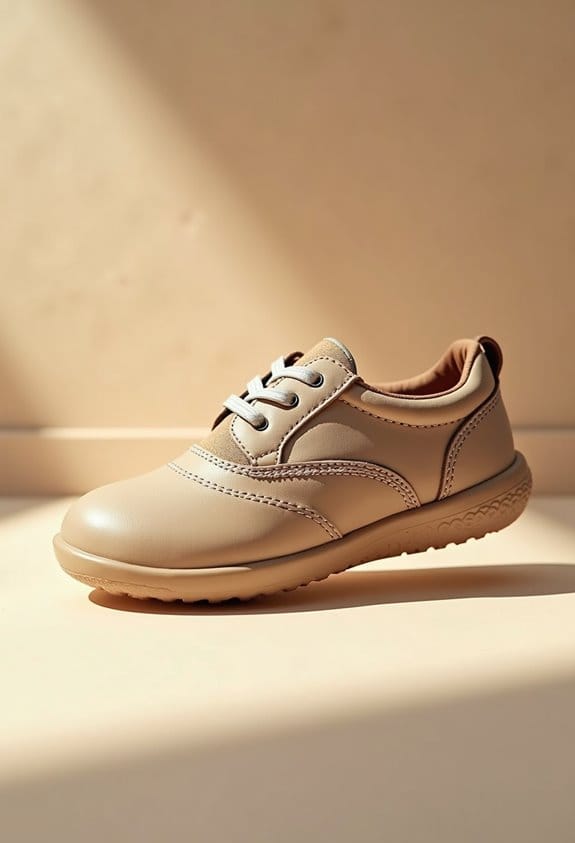
Although it might seem like a small detail, shoe flexibility plays a big role in how a child’s feet grow and move. When a precious nugget wears shoes that flex less than their bare feet, it can strain their foot mechanics, causing early fatigue. Traditional shoes often limit natural movement by restricting how the foot bends at the ball, which can lead to a flat-footed gait. This happens because the foot can’t complete its natural step sequence or adapt to different surfaces. Sensory feedback from flexible shoes helps guide your child’s natural gait and supports healthy foot development. Unfortunately, many footwear choices neglect proper flexibility testing, making shoes less helpful. Choosing shoes with good flexibility means you’re giving your child’s feet the room to move naturally and grow strong every step of the way. Additionally, flexible soles mimic barefoot walking, supporting natural movement development and early walker comfort.
Recommended Products

[Wide toe box]: These toddler shoes for boys and girls feature a wide toe box that helps prevent toe squeezing and allows little feet to splay naturally. Perfect for babies with high insteps or wide feet, they keep your child comfortable and at ease during those important early walking stages

Breathable and comfortable:Knitted Mesh Upper offers comfort and air permeability.Keep your child away from foot smelly.Also,high-quality upper provides good ductility to support children's active walking, running,and playing

Breathable and Comfortable: The knit uppers of these toddler shoes give you good breathability and dry quickly. Keep kid's feet dry and comfortable even during exercise. Suitable for wear in any season
Impact on Motor Skill and Proprioception Development
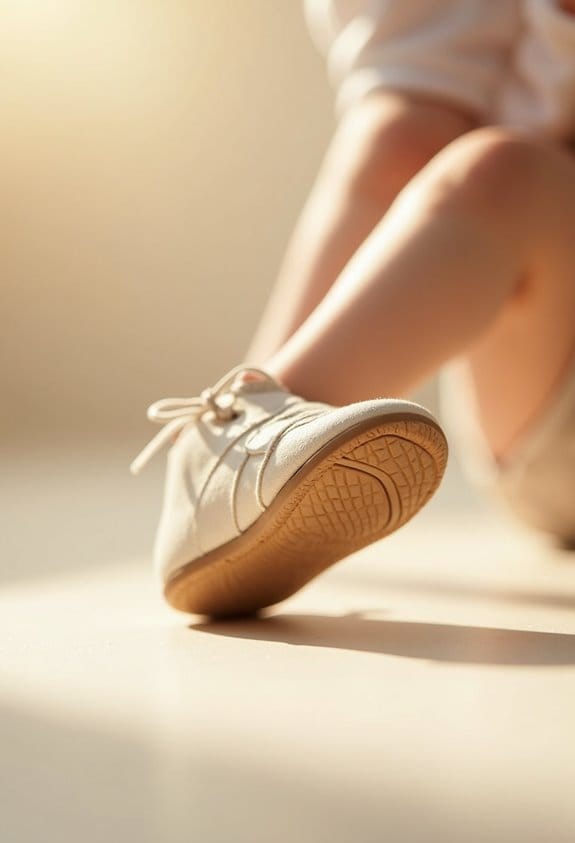
The way shoes bend affects more than just foot comfort—it shapes how your precious nugget learns to move and feel the world around them. Flexible shoes mimic barefoot walking, enhancing sensory feedback and helping children develop strong proprioception. This critical sense allows your child to understand their body’s position and movement, which supports balance and motor skills. Footwear with the right flexibility encourages natural walking mechanics and muscle activation, promoting healthy foot development. Studies show kids who often wear flexible shoes tend to develop higher arches and better stability. In contrast, stiff shoes can disrupt natural movement, possibly delaying these important skills. Giving your little one footwear that bends easily helps their brain and muscles communicate better, guiding smoother, more confident steps during this key stage of growth. Additionally, shoes designed with flexible soles and ample toe room promote natural foot movement crucial for healthy development.
Recommended Products

Wide Round Toe: The unique design of the toe can make the baby's feet free movement, body balance is not afraid of falling, anti-collision to help crawling

Recommended 1: CONVENIENCE - Smooth neck design prevents chafing when wearing our water shoes. It is convenient to wear and take off.
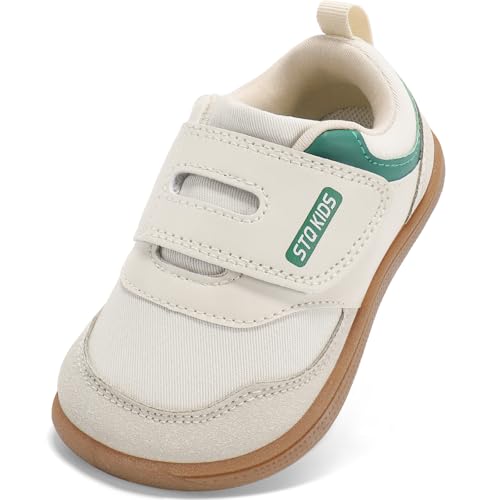
[ Wide Toe Box ]:The wide toe box design provides ample room for kids' toes to move freely, alleviating discomfort caused by pressure and promoting healthy foot development. They are breathable. Available in multiple sizes
Differences Between Flexible and Rigid Footwear
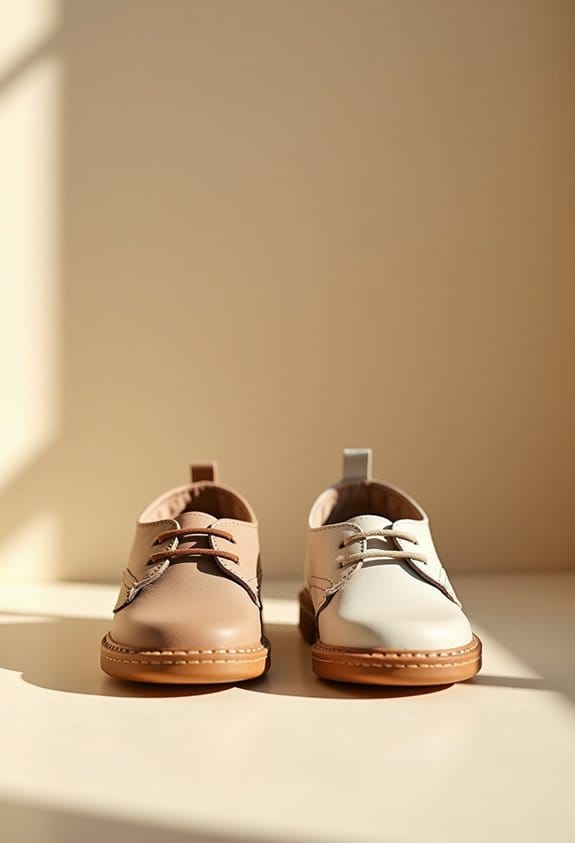
When choosing shoes for your child, understanding the difference between flexible and rigid footwear matters a lot. Flexible footwear allows natural foot movement and bending at the ball of the foot, supporting healthy gait mechanics and proper foot function. In contrast, rigid shoes reduce flexibility by 30 to 80 percent compared to barefoot feet. This restriction can lead to tired muscles and discomfort. Studies show that barefoot-style shoes with minimal padding offer better sensory feedback and proprioception, helping your precious nugget develop coordination. Rigid shoes may alter gait patterns and increase the risk of flatfoot or balance troubles later. So, opting for flexible footwear encourages natural muscle activation and a more comfortable, efficient walk that supports your child’s growing feet and overall motor skills. Additionally, flexible soles with anti-slip rubber soles enhance safety during movement while promoting natural balance and coordination.
Recommended Products

Anti-slip Sole: Kids' barefoot shoes feature a non-slip rubber sole that provides excellent grip for added stability during running, hiking, or trail adventures, ensuring the safety of children when engaging in activities on different terrains

Comfort and Ease for All-Day Wear: Made from soft, breathable knitted fabric and microfiber suede with hook and loop closures, they are exceptionally comfortable and easy for children to manage themselves.

Back-to-school ready with zero-drop sole for natural movement during running, PE class & playground activities
Long-Term Musculoskeletal Effects of Restricted Foot Movement
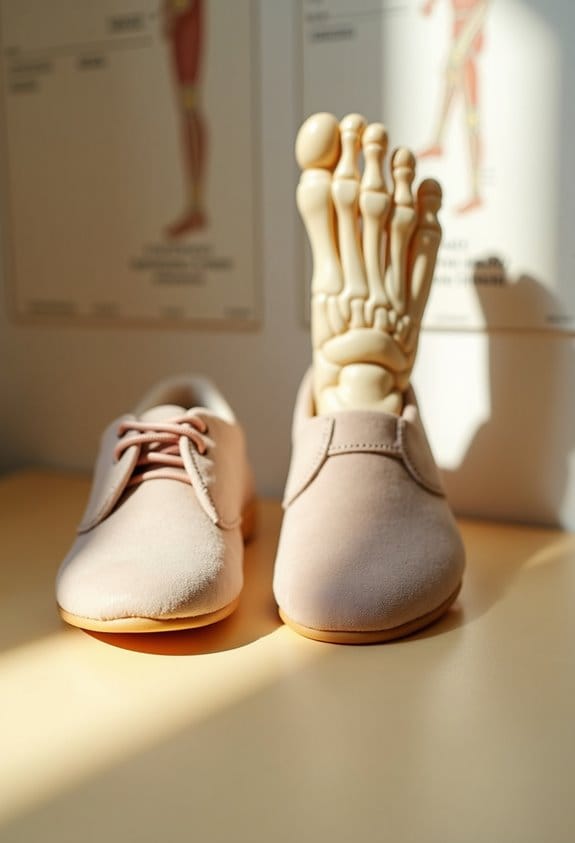
Paying attention to your child’s shoe flexibility is more than just comfort—it affects how their feet grow over time. When conventional shoes limit foot movement, they can interfere with your little precious nugget’s natural gait. Restricted foot movement may cause flatfoot and slow foot arch development, leading to long-term musculoskeletal issues. Over time, this can result in foot pain, poor balance, and altered proprioception—the body’s ability to sense foot placement. These changes also force other joints like knees and hips to compensate, which may cause additional strain. Studies show kids who wear inflexible shoes often have higher pressure on their feet, increasing injury risks. Choosing shoes that allow flexible foot movement supports healthy development and keeps your child’s musculoskeletal system strong and balanced over the years. Proper footwear with firm arch support can help maintain optimal foot alignment and prevent future issues.
Recommended Products

Breathable PU Upper: Our Jazz shoes feature breathable PU uppers. They're stylish without sacrificing comfort.Easy to clean with a damp cloth.


Enhanced Comfort: The U-shaped cup heel disperses pressure to stabilize the foot and maintain balance. Its shock-absorbing design reduces impact from the heel up, enhancing comfort during walking, standing, and movement. The flexible arch support adapts to your activity level or physical changes, ensuring all-day comfort and support
Practical Recommendations for Choosing Child-Friendly Footwear
Choosing the right shoes for your precious nugget is key to supporting healthy foot and gait development. Opt for flexible shoes that let your child’s foot bend at the ball, encouraging natural movement. Barefoot shoes with zero drop, wide toe boxes, and thin soles are excellent choices, as they allow natural toe splay and improve sensor feedback. This sensor feedback helps children develop better balance and coordination. Make sure the shoes fit well to protect foot health and avoid restricting growth. Introduce barefoot or flexible footwear gradually—start with short wear times so your child’s feet can adjust without strain. By choosing flexible, well-fitted shoes, you support your child’s natural gait and overall foot development in a gentle, effective way. Additionally, selecting shoes with non-slip soles provides safety and stability as your child explores new movements.
Recommended Products

Back-to-school ready with zero-drop sole for natural movement during running, PE class & playground activities
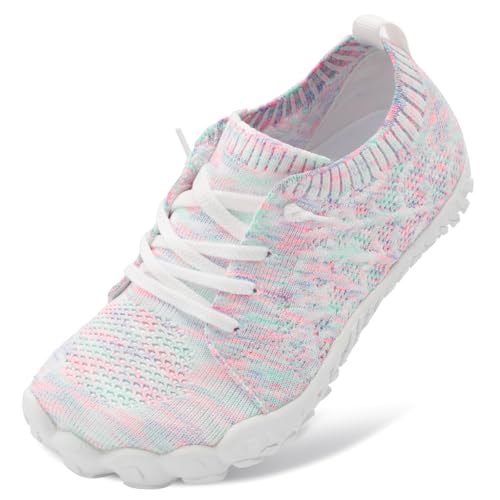
Wide Toe and Natural Barefoot: These kids sneakers with wide toe box and low drop design,allow the kid's toes to stretch freely without being squeezed,strengthen foot muscles, and elevate sensory awareness, ensures correct posture and balance,nurturing holistic foot development.Meeting the needs of any foot-type child

【Breathable & Permeable Material】: The mesh breathable material on the upper combined with drainage holes on the outsole keeps kids' feet dry and healthy.
Frequently Asked Questions
How Do Shoes Affect Gait?
Shoes flex 30 to 80 percent less than barefoot, altering foot strike and weight distribution. Shoe design, including heel height, arch support, toe box, cushioning technology, sole flexibility, material breathability, and stability control, considerably influences gait mechanics.
Are Flexible Shoes Good for Walking?
Flexible footwear benefits include improved body alignment, enhanced natural movement, shock absorption properties, and increased comfort levels. These factors contribute to reduced injury risk, walking posture improvement, foot strengthening exercises, and align with pediatric recommendations considering shoe material impact.
Can Shoes Affect a Baby’s Walking Development?
Like delicate petals unfolding, a baby’s foot growth thrives when shoe cushioning importance aligns with natural foot movement. Footwear materials effects and ground surface interaction during early walking stages enhance infant stability, foot muscle development, walking speed impact, and barefoot advantages.
Do Shoes Affect Foot Development?
Shoe cushioning, arch support, and toe box design influence foot muscles and foot posture development. Variations in flexibility levels affect sensory feedback and balance training, guiding walking patterns. Pediatric advice emphasizes proper footwear to support healthy foot growth.