As an Amazon Associate, we earn from qualifying purchases. Some links on this site are affiliate links at no extra cost to you. Our recommendations are based on thorough research and editorial judgment.


How Going Barefoot Builds Natural Arch Support

Going barefoot helps your precious nugget build natural arch support by activating over 100 foot muscles, tendons, and ligaments that shoes often overlook. This gentle muscle workout strengthens the arch, encourages toe spreading, and improves balance. For kids, especially, it supports natural foot growth and reduces reliance on artificial supports. Starting on soft surfaces is safest, with gradual increases outdoors. If you want to discover how to support healthy arches through mindful practices and footwear choices, keep exploring this topic further.
Key Takeaways
- Walking barefoot strengthens intrinsic foot muscles essential for supporting and forming the natural arch structure.
- Barefoot walking promotes toe splay and natural foot alignment, improving arch stability and function.
- Sensory feedback when barefoot enhances foot muscle engagement, encouraging proper weight distribution and arch mechanics.
- Gradually walking barefoot on soft, natural surfaces safely conditions foot muscles, preventing arch weakening and injury.
- Transitioning to barefoot walking with strengthening exercises reduces dependence on artificial arch supports for long-term foot health.
The Anatomy of the Foot Arch

Although the foot arch might seem like a simple curve, it is actually a complex structure made up of bones, muscles, tendons, and ligaments working together. The foot arch’s anatomy includes key bones like the first metatarsal, navicular, and calcaneus, all forming a carefully balanced foot structure. Ligaments and foot muscles, especially the plantar fascia, provide essential arch support, helping your child’s feet absorb shock and stay flexible. Some kids have flat feet, meaning their arch is low or absent, which can affect balance and walking comfort. Walking barefoot can be a precious nugget for natural arch development because it encourages the strengthening of intrinsic foot muscles. This gentle exercise supports a healthy arch, promoting better foot function as your child grows. Wearing lightweight, flexible shoes with ample toe room also promotes strengthening and balance, complementing the benefits of barefoot walking.
How Supportive Footwear Affects Arch Strength

Frequently, supportive footwear is designed with built-in arch support to help little feet stay comfortable. While well-meaning, this can lead to weaker arches because the foot muscles don’t get a workout. Relying on these shoes may cause the muscles to atrophy, preventing natural movement and the important strengthening exercises that build strong arches. This dependency might mask foot problems that could improve through gentle, active use of the feet. To protect your precious nugget’s foot health, consider shifting slowly from supportive footwear to barefoot shoes. This encourages the engagement of the 100+ foot muscles, helping arches develop naturally and reducing the chance of foot injuries later on. A gradual approach makes all the difference in strengthening those tiny arches gently and safely. Incorporating wide toe box and zero drop designs supports this transition by promoting natural foot development and improved balance.
Recommended Products

Mesh and TPU upper Traditional lace closure External rear sling locks in the heel Breathable mesh lining Integrated EVA foam insole Merrell Barefoot 2 construction is designed to keep the foot in a natural position Rock plate for protection Lightweight EVA foam midsole for stability and comfort Vibram TC5+ rubber sole


Cordura mesh and TPU upper
Benefits of Barefoot Walking for Foot Health

Encouraging your precious nugget to walk barefoot can have impressive benefits for their foot health. Barefoot walking improves natural foot function by allowing foot muscles to strengthen through direct contact with the ground. This strengthening helps build better arch support as the muscles actively work without artificial assistance. It also promotes toe splay, which means toes can spread naturally, improving balance and alignment. Barefoot activities enhance sensory feedback, helping the foot adjust and respond to different surfaces. Studies show this can reduce chronic foot pain and conditions like plantar fasciitis by restoring healthy mechanics. Gradual barefoot exposure supports healthy foot development, helping your child’s feet become stronger and more resilient over time. This simple practice encourages natural growth and can prevent future foot problems. When not barefoot, choosing baby shoes with a wide toe box ensures the feet have room to move naturally while still being protected.
Recommended Products

FuelCell foam delivers a propulsive feel to help drive you forward


Muscle Engagement Through Natural Foot Mechanics

When your precious nugget goes barefoot, more than 100 muscles, tendons, and ligaments in their feet come into play. Barefoot walking naturally engages these parts, especially the intrinsic foot muscles, which provide essential arch support. This muscle engagement follows natural foot mechanics, allowing your child’s feet to work as they’re meant to. As these muscles strengthen, mobility improves, reducing the chance of issues like plantar fasciitis. Foot strengthening happens gradually as dormant muscles awaken and learn to distribute weight properly. Over time, this builds structural integrity and encourages healthy, active feet. When you choose barefoot time for your little one, you help promote natural arch development while supporting balance and proprioception. This simple practice supports stronger, healthier feet without relying on external aids. Additionally, choosing shoes with flexible soles can complement barefoot benefits by enhancing natural foot movement when footwear is necessary.
The Role of Zero Drop Shoes in Arch Development
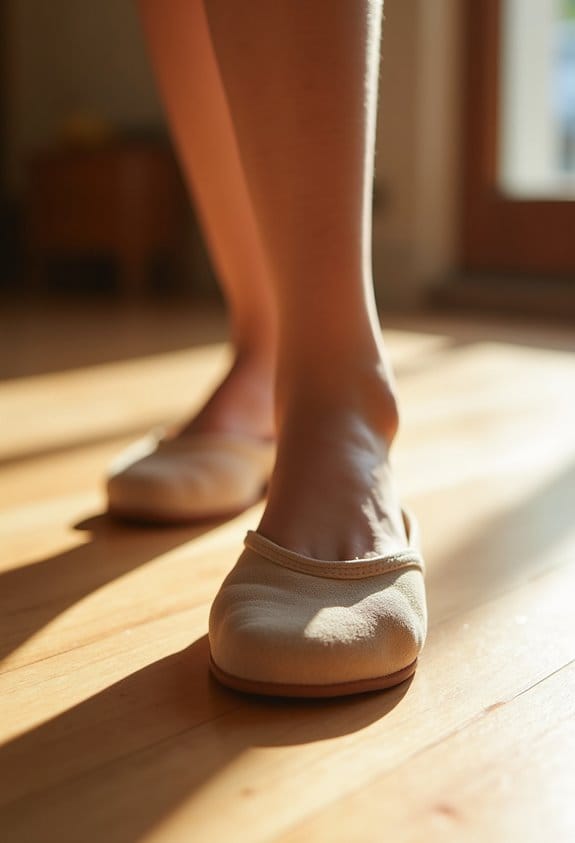
Although going barefoot is ideal for natural foot development, zero drop shoes offer a supportive next step for your precious nugget as they grow. These shoes keep the heel and forefoot at the same height, promoting natural foot mechanics that encourage intrinsic foot muscles to strengthen. By removing elevated heels, zero drop shoes help align the body’s center of gravity, allowing the foot’s natural arches to engage more effectively. Wearing them encourages a midfoot strike, which supports arch development and reduces injury risk. Over time, this leads to improved muscle strength and overall foot health. For your child, zero drop shoes gradually build resilient arches by relying less on artificial support and more on the foot’s natural ability to maintain strong, healthy arches. The wide toe box design further facilitates natural toe splay and balance, essential for healthy foot growth.
Recommended Products

Encourages natural running form and reduces impact.

Engineered Mesh Upper

Stay Focused: With our MaxTrac outsole and multi-directional TrailClaw lug pattern for grippy traction, you can focus on the trail infront of you
Exercises to Strengthen Arches and Foot Muscles
Building strong foot arches isn’t just about wearing the right shoes like zero drop styles; it also involves simple exercises that help your precious nugget’s foot muscles grow stronger. Foot exercises like towel scrunches target intrinsic foot muscles, boosting arch muscles that are key for arch support. Calf raises with arch activation help improve foot stability by strengthening these muscles. Single-leg balance exercises enhance proprioception and foot strength, essential for preventing injuries. Gradually increasing barefoot walking on soft surfaces lets your child’s feet adapt naturally, supporting foot strengthening. Consistency in these activities reinforces arch support and foot stability. Together, these exercises promote healthy foot development and help your little one stay safe and strong as they grow. It is also important to consider flexible soles in footwear to support natural foot development during these exercises.
Recommended Products

Solid 14k white gold: from 14 karat white gold in a 2mm thin spiga wheat chain design with a polished finish for everyday shine

LIVE FREE AND PLAY HARD.Comfy, flexible and super easy to wear-the Nike Free Run 2 transforms a running shoe into all-day play-ready shoes. The deep grooves in the sole are the signature of the Free's "barefoot-like" feel. With plush details and soft

LIVE FREE AND PLAY HARD.Comfy, flexible and super easy to wear-the Nike Free Run 2 transforms a running shoe into all-day play-ready shoes. The deep grooves in the sole are the signature of the Free's "barefoot-like" feel. With plush details and soft
Safety and Transition Tips for Barefoot Walking
Encourage your precious nugget to start barefoot walking indoors for short times. This helps the foot build strength and proprioception safely. Choose soft, natural surfaces like grass or sand when going barefoot outdoors at first. Avoid hard, rocky areas to prevent injury. During this change, supportive shoes aren’t needed but keep them handy for unsafe places. Adding foot strengthening exercises like towel scrunches and single-leg balances can prepare feet well. Monitor your child’s comfort carefully. If you notice persistent pain or strain, consult a medical professional promptly. Gradually increase barefoot walking time over months, letting the foot adapt gently. This cautious approach makes the change smoother and safer while developing natural arch support effectively. When choosing shoes during this transition, consider features like flexible soles that allow natural foot movement while offering protection.
When Temporary Arch Support Is Necessary
When your precious nugget faces an injury, temporary arch support can be a helpful tool to reduce pain and protect their foot. During acute injury recovery, such support provides stability, easing discomfort and letting healing progress without extra strain. It can also be useful during intense activities that go beyond your child’s usual conditioning, helping prevent injuries and manage foot fatigue. In cases of structural foot abnormalities, like severe flat feet, temporary arch supports may enhance mobility and comfort. Always seek consultation with a healthcare professional before starting use, ensuring it suits your child’s unique needs. Importantly, have a plan for evolving away from temporary arch support to encourage natural foot function and maintain long-term foot health while your precious nugget builds strength. Regular replacement of arch support footwear is essential to ensure optimal foot support as your child’s feet grow and change.
Recommended Products

Full Metal Dog Gates – Made from thickened metal for enhanced strength and stability, not easy shaking, scratches or dog bites. Modern design is suitable for all kinds of decoration styles, and it is also great as a decorative fence!

Gate for Most openings: Expands to fit openings between 68.2"-70.8" inches wide. Stands 30 inches tall,baby gate with door is ideal for use with toddlers and small pets. Please be sure measure your opening prior to purchase to ensure proper fit.

[Metal Dog Gates]: SNUOWU full metal freestanding dog gates made from thickened metal for enhanced strength and stability, compared to plastic and wood pet fences, our metal dog gates are stronger and not easy shaking, scratches and bites by dogs.
Frequently Asked Questions
Does Walking Barefoot Improve Your Arch?
Walking barefoot can be a gateway to releasing the foot’s untapped power. It enhances natural biomechanics, sensory feedback, and foot flexibility, promoting arch development, balance improvement, posture alignment, and foot strength, often outperforming minimalist footwear through superior ground connection.
Do Podiatrists Recommend Going Barefoot?
Podiatrists often recommend barefoot walking as a shoe alternative to promote natural movement, improve foot mechanics, and enhance arch development. They emphasize gradual progression and foot strength exercises for injury prevention and overall foot health.
Does Being Barefoot Strengthen Your Feet?
Being barefoot enhances foot strength through muscle activation and toe grip, improves natural alignment and balance, provides sensory feedback, promotes posture enhancement, increases flexibility benefits, and supports injury prevention by reinforcing the foot’s intrinsic muscles and overall function.
Do Barefoot Shoes Give Arch Support?
Like a Victorian explorer discovering new lands, barefoot shoes don’t offer traditional arch support but emphasize barefoot benefits, natural alignment, and foot mechanics, enhancing arch health through foot strength, shoe design, sensory feedback, foot flexibility, and injury prevention.