As an Amazon Associate, we earn from qualifying purchases. Some links on this site are affiliate links at no extra cost to you. Our recommendations are based on thorough research and editorial judgment.


How Much Room Should Be in the Toe of Baby’s Shoe?

When choosing shoes for your precious nugget, aim for about a thumb’s width—roughly 14mm—of extra room in the toe area. This space helps prevent blisters and lets growing toes wiggle naturally, supporting healthy foot development. For sandals or pre-walking shoes, slightly less room (about 10mm) works well. Measuring both feet and checking for comfort often guarantees a good fit as their feet grow fast. Understanding proper toe space sets you up to support your baby’s happy, healthy steps ahead.
Key Takeaways
- Leave about a thumb’s width (14mm) of space between the longest toe and the front of regular baby shoes for comfort.
- Sandals and pre-walking shoes need slightly less toe room, approximately 10mm, to support foot mobility.
- Proper toe room allows natural toe splay, helping healthy foot development and preventing blisters or pressure points.
- Measure both feet with the baby standing and select shoes based on the larger foot plus adequate toe space.
- Regularly check and adjust toe room to accommodate rapid foot growth and prevent discomfort or deformities.
Importance of Toe Room in Baby Shoes

Because your baby’s feet grow fast, making certain their shoes have enough toe room is key. You should leave about a thumb’s width of space—around 14mm—between your precious nugget’s longest toe and the shoe’s front. This extra room helps baby shoes avoid causing blisters, pressure spots, or cramped toes that could hinder healthy foot development. Since growing feet can expand by half a size every two months, proper fitting shoes are essential to keep up with these changes. Regular checks for toe room guarantee shoes stay comfortable and supportive. Giving toes enough space encourages good foot alignment and supports proper walking habits, preventing future issues. Taking these small steps means you’re helping your baby’s feet grow strong and happy. It is also important to choose shoes with a wide toe box as it allows for natural toe splay and additional comfort.
Understanding Baby Foot Anatomy and Growth

Understanding how a baby’s foot is built and grows can help you choose the best shoes for your little one. Baby feet are mostly soft cartilage, making them flexible and growing fast. During early months, your precious nugget’s shoe size may need to increase by about half a size every two months. It’s important to have enough space in the toe box to allow natural growth and movement. Properly fitting shoes let those tiny toes wiggle comfortably, supporting healthy foot development. Shoes that crowd the toes can cause discomfort or issues later on. As your baby grows, the foot shape becomes more defined, so giving room for growth guarantees long-term foot health. Remember, offering well-fitting shoes with the right space helps your little one’s feet thrive. Choose shoes with a wide toe box to ensure proper fit and natural foot posture as your baby begins walking.
Recommended Toe Space for Different Shoe Types

Three main types of baby shoes—regular shoes, sandals, and pre-walking styles—each need a slightly different amount of toe space to fit just right. For regular shoes, about a thumb’s width, or 14mm, of space should be left between your little one’s longest toe and the shoe front. This room helps accommodate growth and keeps your precious nugget comfortable. Sandals and pre-walking shoes need a bit less, around 10mm, to offer safer, more supportive movement as your child explores. Proper toe space in all shoes allows toes to wiggle freely and mimics the natural shape of your child’s foot. Finding the perfect fit in walking shoes means avoiding overcrowding, preventing blisters, and supporting healthy foot development. It is also important to ensure shoes have adjustable closures so they can securely fit growing feet without restricting movement.
Recommended Products

[ Wide Toe Box for Chubby Feet ]: Designed specifically for toddler feet, our wide toe box prevents squeezing and discomfort. It allows little toes to splay and grip naturally, promoting healthy arch development and better balance during their crucial first steps

Breathable & Comfortable:These unisex baby socks shoes with non slip rubber soft Sole, knitted with soft breathable combed cotton. The insole is a memory insole, which fits the shape of the baby's feet, fit snugly and comfortably, adapting to your toddler’s natural foot movements. Super flexible , lightweight and comfortable fit all seasons.

Wide Round Toe: The unique design of the toe can make the baby's feet free movement, body balance is not afraid of falling, anti-collision to help crawling
Measuring Your Baby’s Foot Accurately

How can you be certain your baby’s shoes fit just right? Start by measuring your precious nugget’s feet carefully. Use a soft measuring tape or ruler while your baby stands, as standing shows natural toe splay. Measure both feet since one might be larger. Choose the shoe size that fits the bigger foot. For regular shoes, allow about 14mm of extra space from the longest toe to the shoe front. Sandals or pre-walking shoes need slightly less—around 10mm—to let toes move freely. Remember, babies grow fast, often needing new shoes every 2-3 months. Regularly measuring your baby’s feet helps you pick the right size and guarantees a comfortable toe fit that supports healthy foot growth. Additionally, selecting shoes with non-slip technology can improve safety as your baby begins to walk indoors.
Recommended Products

The foot measurement device Applicable to Man Woman and Youth,US Size,and accurate way to keep track of your child's foot size.

Measuring range: 24 inches/length 0.6 meters, double-sided (imperial and metric), precise printing in inches and centimeters. Large and clear markings are easy to read.

Children grow incredibly fast, making it a constant struggle to keep up with their changing shoe sizes. Squatchi is a versatile, at-home children's shoe sizer that ensures an accurate measurement every single time, eliminating the guesswork from shoe shopping.
Signs Your Baby’s Shoes Are Too Tight in the Toe

What clues can tell you if your baby’s shoes are too tight in the toe? Look for signs like redness, skin marks, or blisters on your baby’s feet after removing the shoes. These indicate pressure where the fit is too tight. If your baby’s toes curl or overlap inside the shoes, it means there isn’t enough room for growing feet. Fussiness or refusal to wear the shoes also signals discomfort from a tight fit. Watch for limping or toe-walking as changes in how your baby moves. To avoid these signs, make sure there is at least a thumb’s width of space between the longest toe and the front of the shoe. This gentle check helps keep your precious nugget’s feet comfortable and healthy growth on track. Choosing proper size footwear also supports natural foot development and prevents injuries.
Effects of Insufficient Toe Room on Foot Development
When baby shoes don’t have enough room in the toe, the effects can reach far beyond simple discomfort. Insufficient toe room often leads to blisters and skin irritation, making your precious nugget fussy. More importantly, crowding the developing toes can disrupt proper growth, causing them to curl or overlap. This interference affects muscular and skeletal foot development, potentially resulting in deformities like bunions or hammertoes over time. Since babies’ feet grow quickly, tight shoes can restrict natural movement critical for healthy foot development and future mobility. Regularly checking the toe space guarantees the shoe isn’t too snug, supporting your baby’s comfort and activity. Keeping that thumb’s width of toe room lets those little feet grow strong and healthy, securing happy steps as your child grows. Choosing footwear made from non-toxic materials and designed with flexibility ensures comfort and safety as little feet develop.
Choosing Shoes That Support Natural Toe Movement
Choosing the right shoes for a baby means looking beyond just size and style. You want to pick shoes with enough toe room—about 10-14mm past the longest toe—to allow proper growth and comfort. This space helps support natural toe movement, letting your precious nugget’s toes wiggle freely. Look for a rounded toe box that shapes like your child’s feet, providing room without squeezing or pinching. Shoes that restrict toe movement can cause problems over time, so giving toes room encourages healthy development of muscles and bones during important growth stages. Since babies grow fast, it’s important to regularly check the fit every couple of months. This simple step helps guarantee shoes keep supporting your little one’s natural foot development as they grow. Additionally, choosing shoes with wide toe boxes can accommodate growing chubby feet, enhancing both comfort and foot health.
Recommended Products
Wide Round Toe: The unique design of the toe can make the baby's feet free movement, body balance is not afraid of falling, anti-collision to help crawling

〓 Comfy Baby Barefoot Sneakers: Crafted with soft mesh uppers and honeycomb insoles, these sneakers ensure 360°airflow to keep tiny feet dry and odorless during play. The ideal pair for all seasons

Breathable & Comfortable:These unisex baby socks shoes with non slip rubber soft Sole, knitted with soft breathable combed cotton. The insole is a memory insole, which fits the shape of the baby's feet, fit snugly and comfortably, adapting to your toddler’s natural foot movements. Super flexible , lightweight and comfortable fit all seasons.
How to Check Toe Fit During Shoe Fittings
Checking the fit of your baby’s shoes is a simple step that makes a big difference to their comfort. To find the right shoe fits, leave about a thumb’s width of space—roughly 14mm—between the longest toe and the shoe’s front. For sandals or pre-walking styles, allow around 10mm extra room. When you check toe fit, gently press the top of the shoe while your child stands to verify it doesn’t pinch. The toe box should match your child’s feet shape, letting those tiny toes wiggle freely without crowding. Since precious nuggets grow fast, regularly recheck toe space to be certain the shoes still feel perfect. Perfect size shoes should feel snug but comfy—not tight—so your baby can explore confidently. Ensuring adequate toe space is essential to promote natural toe spread and support healthy foot development.
Recommended Products

Non-slip Soles:Preventing your baby from slipping,soft, lightweight sole,a safe and cute sock sneakers for baby boys baby girls.

[ Wide Toe Box ]: The wide toe box toddler shoes design provides ample room for little toes, alleviating discomfort from pressure and promoting healthy foot development. Available in various sizes, barefoot shoes kids ensure comfort during active play
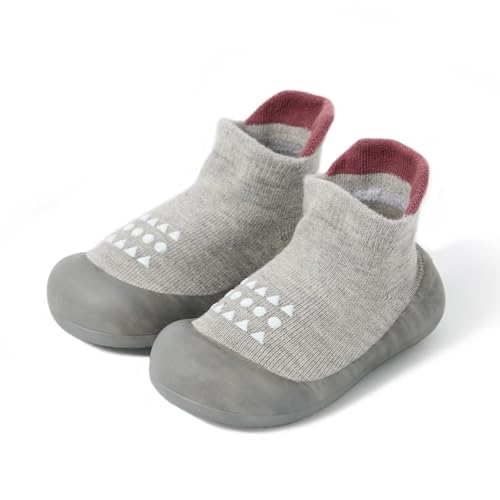
Indoor/outdoor shoes&walking shoes : These unisex baby slipper shoes are made from soft breathable cotton and non slip rubber Soft Sole. Super Soft and Comfortable fit all the year. The shoes are smooth and breathable and won't hurt your baby's delicate skin.
Tips for Selecting the Right Shoe Size for Your Baby
Selecting the right shoe size for your baby begins with careful measurement. To make certain their shoes fit well, measure both feet since little ones’ feet rarely match perfectly. Use the larger foot’s size when finding the right size to accommodate growth. Always check for snugness around the widest part of the foot; it should feel secure but never pinching. Leave additional space at the toe—about a thumb’s width or 14mm—to allow for growth and comfort. For sandals or pre-walking shoes, a bit less space, around 10mm, works better to support natural movement. Don’t forget to measure with the socks your precious nugget will usually wear. These simple steps help guarantee a perfect fit that keeps your baby happy and comfortable. Also, consider choosing shoes with flexible non-slip soles to ensure safety and ease during early walking stages.
Recommended Products

Breathable & Comfortable:These unisex baby socks shoes with non slip rubber soft Sole, knitted with soft breathable combed cotton. The insole is a memory insole, which fits the shape of the baby's feet, fit snugly and comfortably, adapting to your toddler’s natural foot movements. Super flexible , lightweight and comfortable fit all seasons.

FEETCITY Baby First Walking Shoes Boys Girls Toddler Sneakers Anti-Slip Newborn Crib Shoes Dark Grey
Upper:Knitted Mesh Upper offers comfort and air permeability,has excellent breathability,moisture wicking function,and keep baby's feet dry and odorless.Super Soft,Breathable and Comfortable fit all the year

[Breathable & Soft Cotton]:These toddler socks shoes are crafted with soft, breathable cotton, offering all-day comfort for your little one’s delicate feet. Perfect for all seasons, these infant non-slip breathable slippers keep feet cool in the summer and warm in the winter. Whether your child is indoors or outdoors, the breathable fabric ensures there’s no moisture buildup, keeping feet dry and cozy all day long.
Frequently Asked Questions
How Much Space Should Be in a Baby Shoe?
The space in a baby’s shoe should accommodate growth spurts, ensuring proper alignment and walking development. Shoe fitting relies on size measurement, comfort level, and suitable shoe materials to support foot health without restricting movement or causing discomfort.
How to Tell if Baby Shoes Are Too Small?
Red marks or curled toes serve as size indicators that baby shoes are too small. Proper fitting accounts for baby foot growth, shoe types, and material considerations. Avoid common mistakes by using shopping tips with regular checks to guarantee comfort.
How Much Toe Room Is in Toddler Shoes?
Toddler shoe sizes typically include 10-14mm of toe room to guarantee proper shoe fit, accommodate foot growth, and support walking comfort. Material flexibility, style considerations, and common brands influence fit and durability for active toddlers.
How Much Room Should There Be Between the Toe and Shoe?
The room between the toe and shoe should be like a small gap in a book’s pages, roughly a thumb’s width, ensuring proper toe box space for foot growth, comfort factors, walking stability, shoe fitting, materials quality, and size chart accuracy.