As an Amazon Associate, we earn from qualifying purchases. Some links on this site are affiliate links at no extra cost to you. Our recommendations are based on thorough research and editorial judgment.

Lightweight vs. Structured: Choosing the Right Support Level

Choosing between lightweight and structured insoles depends on your child’s activity and foot needs. Lightweight insoles offer gentle cushioning, promoting natural foot movement ideal for younger or less active kids. Structured insoles provide firmer arch support and stability, which helps prevent injuries during sports or for children with foot conditions like overpronation. Both keep feet comfortable and healthy, but the right fit matters. Keep exploring to discover how each type suits your precious nugget’s lifestyle best.
Key Takeaways
- Lightweight insoles offer gentle cushioning and flexibility, ideal for casual, low-impact activities and promoting natural foot movement in children.
- Structured insoles provide firm arch support and stability, essential for high-impact sports and managing conditions like overpronation and plantar fasciitis.
- Material density varies: lightweight insoles use soft, flexible foams; structured insoles incorporate rigid supports and durable materials for consistent foot alignment.
- Proper support level reduces injury risk, improves foot alignment, and prevents fatigue and pain during physical activities.
- Choosing the right insole depends on activity type, foot condition, and comfort preferences to ensure healthy foot development and optimal performance.
Understanding Support Levels in Insoles

Choosing the right support level in insoles can make a big difference for your child’s comfort and foot health. Insoles come mainly in two types: lightweight and structured. Lightweight insoles are soft and cushy, perfect for everyday activities like walking or casual play. They help reduce discomfort by offering gentle cushioning. Structured insoles, on the other hand, are firmer and provide firm arch support. These are designed to help reduce issues like overpronation or plantar fasciitis by improving foot alignment. If your precious nugget is active in high-impact sports or has specific foot concerns, structured insoles might be the better choice. Understanding your child’s activity and needs will help you pick the right insole support, ensuring their feet stay happy and healthy. Additionally, choosing insoles made with breathable materials can enhance comfort by reducing moisture buildup and irritation.
Benefits of Lightweight Insoles

Lightweight insoles offer gentle comfort that suits many children’s daily needs. They help alleviate foot fatigue by providing cushioned support that absorbs shock during walking, running, or play. This makes them perfect for active kids who spend hours on their feet but don’t need heavy correction. Their slim design fits easily into most shoes, so your little precious nugget won’t feel bulky or weighed down. Plus, lightweight insoles often use breathable materials that reduce moisture, keeping feet dry and fresh throughout the day. This airflow promotes healthy skin and prevents irritation. By allowing natural foot movement, these insoles support growing feet without restricting them. Overall, lightweight insoles give simple, flexible care to keep your child comfortable during everyday adventures. Additionally, flexible materials in lightweight insoles allow for natural toe movement and growth, which is crucial for healthy foot development.
Advantages of Structured Insoles

While lightweight insoles offer gentle comfort, structured insoles provide more targeted support for your child’s feet. These insoles offer enhanced arch support, helping keep little feet aligned properly. This can reduce the chance of overpronation, which leads to foot aches and injuries. Structured insoles also absorb shock and spread pressure evenly, easing pains like plantar fasciitis. Their materials hold shape well, so your child’s precious nugget gets consistent support during play or sports. Many come with special contours that fit unique foot shapes, making walking or running more comfortable. Plus, structured insoles boost stability during active moments, helping your youngster stay steady and agile. For parents seeking both comfort and reliable foot health, structured insoles provide a strong, supportive choice. Additionally, cushy memory foam footbeds complement structured insoles by enhancing all-day comfort and stability.
Key Differences Between Lightweight and Structured Insoles

Insoles come in different types, each designed to meet various foot needs and activities. Lightweight insoles offer minimal cushioning and support, making them perfect for casual walking or lounging. They usually weigh less and use breathable, flexible materials, which helps reduce foot fatigue during low-impact activities. Structured insoles, now here’s a precious nugget, provide firmer arch support and stability. They use denser materials to control foot motion and are ideal for high-impact activities like running or hiking. Though they might add a bit of bulk, they’re essential for addressing issues like overpronation or plantar fasciitis. When choosing between lightweight insoles and structured insoles, think about the activity level and foot support you need. This way, you’ll find the best fit for your precious little steps. Additionally, incorporating non-slip soles into footwear can enhance stability and safety during movement, especially for early walkers.
How to Assess Your Foot Type and Needs

Understanding your child’s foot type and needs helps guide the best insole choice for their little feet. You can start by observing the shape of their arches—flat feet have low arches, normal feet show a slight curve, and high arches mean underpronation. A simple wet test on paper or cardboard can help you see the footprint clearly. Also, measure the width of their foot to choose the right shoe size—standard or wide. Keep an eye out for any foot conditions like bunions or plantar fasciitis, which may need extra support. As your precious nugget grows, reassess their feet regularly. Doing this can help prevent discomfort and injuries by ensuring the chosen insoles offer the right support for their unique needs. Proper arch support with U-shaped insoles stabilizes growing foot structures and reduces discomfort during activities.
Matching Insoles to Activity Levels
Choosing the right insoles is like picking the perfect tool for your child’s daily adventures. The activity level offers clear guidance on what type to choose. For light activities like walking or casual workouts, lightweight insoles provide gentle cushioning, helping your precious nugget move naturally and comfortably. When your child hits the playground hard with running or intense play, a structured insole offers better arch support and stability. This level offers added shock absorption to reduce foot fatigue during longer, high-impact fun. Matching insoles to your child’s activity guarantees their feet get the right care, whether it’s simple daily movement or rigorous training. Remember, the level offers a tailored approach, helping you pick what best suits your kid’s unique foot needs and keeps them stepping strong all day long. Many versatile baby indoor outdoor hybrids include features designed to accommodate varying activity levels and developmental stages, helping ensure appropriate support and comfort.
Impact of Support on Foot Health
The support level you choose for your child’s insoles plays a big part in their foot health. Proper support helps keep your child’s precious nugget’s feet well-aligned, preventing common issues like overpronation and plantar fasciitis. Lightweight insoles offer flexibility, ideal for low-impact moments but may lack needed support for active play. Structured insoles, being firmer, distribute pressure more evenly, reducing fatigue during running or hiking. Research shows the right support level can lower injury risk by up to 50% in sports, protecting joints and muscles. Without enough support, your child might face pain like shin splints or lower back discomfort. Choosing the appropriate support level based on your child’s activities helps keep those growing feet healthy and happy every day. Additionally, shoes with memory insoles can provide customized comfort that adapts to your child’s foot shape, enhancing overall support and fit.
Choosing Insoles for Everyday Use
How can you make sure your child’s feet stay comfortable and supported every day? Choosing insoles for everyday use means finding the right balance of comfort and support for their precious nugget’s growing feet. General insoles help align feet properly and reduce fatigue during a busy day. Lightweight options increase comfort by keeping shoes light, while structured insoles offer more stability when needed. Popular brands like Superfeet provide good arch support and comfort, and Spenco offers affordable cushioning for everyday wear. It’s important to think about your child’s specific needs, like arch shape and activity level, when picking insoles. The goal is to maximize comfort and prevent foot pain, nurturing healthy feet as they explore the world around them. Ensuring the right fit in shoes and insoles is essential for promoting healthy foot development.
Recommended Products
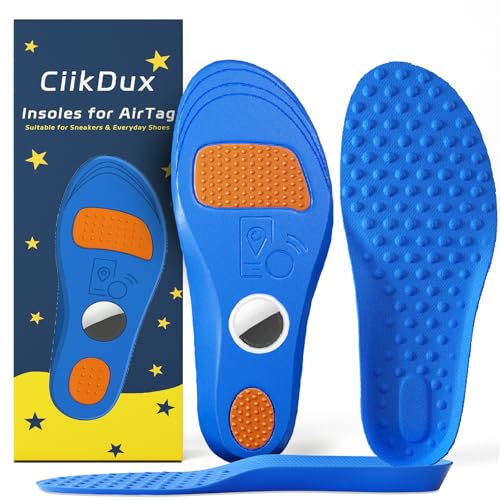
These tracker shoe insoles are specially designed for Apple AirTag (AirTag not included)

Cloud-Soft Comfort: These kids insoles are made with high-elastic PU and soft memory foam to provide a soft, comfortable feel and help distribute pressure more evenly for lasting comfort. The cloud-soft feel helps reduce foot fatigue during school, sports, and everyday play, keeping growing feet comfortable and supported all day.
Selecting Insoles for Athletic Performance
Why do athletic insoles matter for your child’s active days? They provide a comfortable fit that supports growing feet through every leap and sprint. Lightweight insoles are perfect when agility is key, such as during running or cycling, offering flexibility without added bulk. On the other hand, structured insoles are ideal for high-impact sports. They help align the foot, add arch support, and boost stability, protecting precious nuggets from injuries. Choosing the right insole depends on your child’s activity type and foot needs. Many performance insoles undergo rigorous testing to guarantee both comfort and support. For kids with specific alignment concerns, custom orthotics can enhance performance by addressing their unique foot shape, making each step more secure and comfortable. Additionally, selecting footwear with lightweight, flexible soles supports natural foot movement and healthy development during active play.
Recommended Products

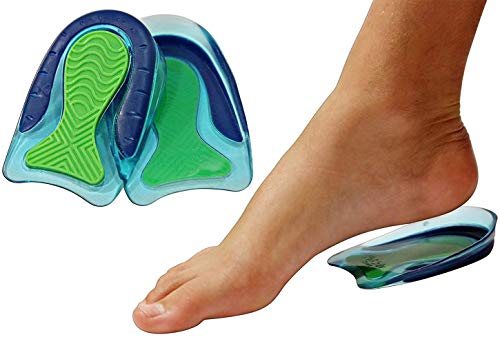
Designed for kids with heel sensitivity from Severs Disease, Plantar Fasciitis, or any other undiagnosed heel pain issues.
Common Foot Conditions and Recommended Support Levels
Children’s feet can face common conditions that need different levels of support. For your precious nugget with mild overpronation or plantar fasciitis, medium-support insoles help provide stability and cushioning during everyday play or school activities. If your child shows signs of flat feet or high arches, custom orthotics can help by offering tailored support to ease discomfort and improve alignment. Low-support insoles are good for general comfort and light walking, especially if no specific issues arise. Meanwhile, high-support insoles help children involved in intense physical activities or those with more severe conditions, offering strong arch support and shock absorption. Choosing the right support level can help protect your child’s foot health while keeping them comfortable and active. Additionally, selecting shoes with adjustable straps can ensure a secure and comfortable fit as your child grows and their foot shape changes.
Recommended Products

Introducing the Starry Shield Arch Support Insole by Kidsole. Crafted from high quality memory foam to ensure maximum comfort and arch support.

ARCH SUPPORT ORTHOTICS: ROCK TAKIN kids arch supports are specially designed for Children who have severe fatigue and discomfort in their feet and legs due to high/low arch. Stable arch support of 3.5 cm height provides effective full arch support for preventing and relieving common feet pain. Ideal kids orthotic inserts for kids with flat feet, over pronation, high arch, O/X leg, foot pain, arch pain, heel spur & plantar fasciitis.
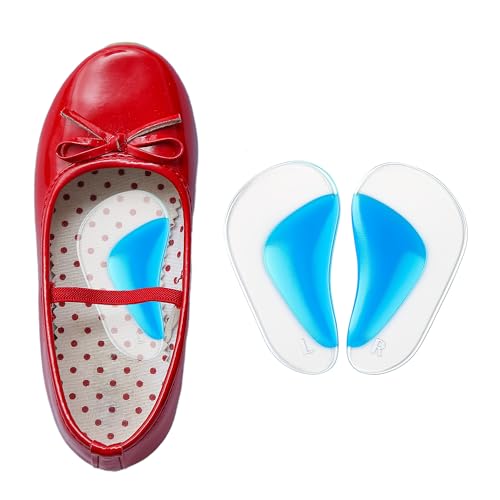
Arch Support Inserts for Kids: These arch support inserts help with flat feet, provide foot arch support, and assist with plantar fasciitis or overpronation insoles during walking or sports. Ideal for kids ages 5-12 needing balanced support and stability.
Materials and Design Considerations in Insoles
Materials and design play an essential role in choosing insoles for your precious nugget’s growing feet. When considering materials and design considerations in insoles, lightweight versions often use EVA foam, offering cushioning and flexibility. This makes them great for everyday wear and low-impact activities. In contrast, structured insoles focus on stability. They usually include rigid arch supports, heel cups, and contoured shapes to align the foot and reduce excessive motion. These features help kids who need extra support for conditions like overpronation or plantar fasciitis. Breathable, moisture-wicking materials are common in lightweight insoles to keep little feet comfy during long wear. Structured insoles prioritize durability, providing longer-lasting support for active children. Choosing the right balance of materials and design guarantees your child’s feet stay comfortable and well-supported.
Recommended Products

PREVENT BLISTERS & DISCOMFORT - Premium cotton top layer cushions every step while soft latex foam absorbs impact. Perfect kids shoe insoles keep little feet protected during sports, play, and all-day school wear. Works great as toddler shoe inserts for active children or as fillers when shoes are too big.

Perfect Replacement for Worn Down Inserts:Ideal replacement insoles for kids flattened, worn out or uncomfortable original shoe soles. Restore soft cushion for old sneakers, save the cost of buying new shoes and extend shoe service life.
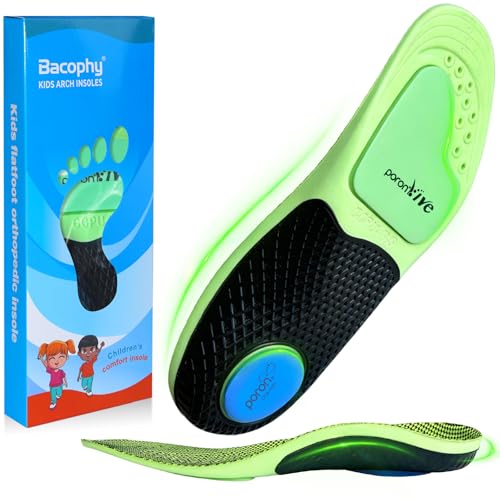
Structured Arch Support for Growing Feet: Designed with a contoured arch structure to support children with flat feet or low arches. Helps improve foot alignment, reduce overpronation, and distribute pressure more evenly across the foot. Ideal for growing kids who need stability, comfort, and proper support during daily activities.
Tips for Testing and Fitting Insoles Correctly
After choosing the right materials and design, the next step is making certain those insoles fit just right in your precious nugget’s shoes. Start by placing the insoles inside and checking how well they support the arch and heel. A good insole often offers medium support, balancing comfort and firmness. Have your child stand on the insoles for a few minutes to feel if pressure points ease. Then, take a short walk to see how the insoles cushion each step. It’s important they fit snugly without squeezing the sides or letting the foot slip. After a break-in period, recheck the fit since insoles adapt to your child’s foot shape. Proper testing helps make sure happy, healthy feet every step of the way.
Recommended Products

The KidSole Cosmic Comfort insole has a strong reinforced arch support core with a soft memory foam top cushion surface.

ARCH SUPPORT FOR KIDS; Ailaka kids insoles are great for all arch types. The unique 30mm arch support design can effectively relieve foot pressure and correct low arches and flat feet, ideal for children's growing feet
Structured Arch Support for Growing Feet: Designed with a contoured arch structure to support children with flat feet or low arches. Helps improve foot alignment, reduce overpronation, and distribute pressure more evenly across the foot. Ideal for growing kids who need stability, comfort, and proper support during daily activities.
Frequently Asked Questions
What’s the Difference Between Low, Medium, & High Impact Bras?
Low, medium, and high impact bras correspond to impact levels that dictate support intensity; studies show women can experience up to 8 centimeters of breast movement, making appropriate impact level selection essential for minimizing discomfort and injury during activities.
What Does Light Support Mean?
Light support refers to the lowest support level in sports bras, providing minimal compression and bounce control. It suits low-impact activities, prioritizing comfort and breathability over firm hold, ideal for smaller busts or gentle movements.
How to Choose the Right Sports Bra for Your Workout?
Choosing the right sports bra for a workout is like finding a superhero suit—Size Selection is essential. One must measure precisely, matching impact level and body shape, ensuring ideal fit and unparalleled support for every epic move and leap.
What Are the Different Types of Support Sports Bras?
The different support styles of sports bras include low, medium, and high support. Each style varies in design to accommodate activity intensity, featuring encapsulation, compression, or combination approaches to optimize breast stability and comfort during exercise.