As an Amazon Associate, we earn from qualifying purchases. Some links on this site are affiliate links at no extra cost to you. Our recommendations are based on thorough research and editorial judgment.


What Pediatricians Say About Baby’s First Walking Shoes

Pediatricians recommend waiting until your baby takes confident first steps, usually around 12 months, before selecting walking shoes. They encourage barefoot time indoors to promote natural foot growth and balance. When choosing shoes, look for soft, flexible soles, a wide toe box, and good support without stiffness. Shoes should fit snugly without squeezing those tiny toes. Outdoor shoes protect delicate feet. If you want to support your precious nugget’s healthy walking, there’s more helpful guidance ahead.
Key Takeaways
- Pediatricians recommend waiting for confident first steps, usually around 12 months, before introducing walking shoes.
- Shoes should have a wide toe box and flexible soles to support natural foot movement and muscle development.
- Proper fit is critical; shoes must be snug but not tight, measured regularly as feet grow rapidly.
- Lightweight, non-slip soles with good heel support help balance and stability during early walking.
- Barefoot walking indoors is encouraged to strengthen feet; shoes are mainly necessary outdoors for protection.
When Is Your Baby Ready for Their First Shoes?

When is the right time to put shoes on your baby’s feet? Experts say you should wait until your little precious nugget starts taking their first steps confidently, usually around 12 months. Barefoot allows their feet to develop naturally, improving balance and nerve senses. So, when is your baby ready for their first shoes? It’s best to choose soft-soled shoes that provide some protection while still letting toes move freely. A proper fit is key—shoes should fit snugly without squeezing, allowing space for toe splay. Because babies’ feet grow fast, check them often. If your baby shows delayed first steps or foot concerns like flat feet, it’s a smart move to get advice from a pediatrician. This guarantees happy, healthy foot development on every tiny step. Additionally, selecting shoes with non-slip soles is essential to ensure your baby’s safety as they begin to walk.
The Benefits of Barefoot Walking for Infants

Encouraging your precious nugget to walk barefoot indoors can do wonders for their foot development. Walking barefoot allows natural foot movement, helping the tiny muscles grow strong and flexible. This boosts balance and helps your baby develop a natural gait. When your infant feels different surfaces underfoot, their sensory input improves, helping them understand where and how their feet move. Pediatricians often suggest keeping babies barefoot on safe, indoor surfaces until they walk confidently. Shoes can limit foot motion, so it’s best to delay wearing them indoors. Once outside, shoes protect delicate feet from hazards while still supporting healthy growth. This balance of barefoot time and outdoor protection guarantees your baby’s feet develop well, preparing them for all the adventures ahead. Choosing shoes with breathable materials ensures continued comfort and promotes healthy foot development when shoes are needed.
Understanding Flat Feet in Babies and Toddlers

Although it might worry some parents, flat feet in babies and toddlers are very common and usually harmless. This happens because of fat pads in the arches, and most little ones develop a visible arch by age two. As your precious nugget learns to stand and walk, watch for excessive arch collapse or heel issues, which may need a professional check. Ensuring proper shoe fit is key to supporting your child’s foot development and comfort. If you still have concerns about flat feet, a physical therapist can offer helpful advice tailored to your child’s needs. Remember, normal flat feet don’t stop your toddler from exploring and moving happily. Staying aware of what your child needs helps make early walking a smooth journey. Choosing anatomical shape shoes with flexible soles and wide toe boxes can promote healthy foot development while your child grows.
Key Features to Look for in Baby Walking Shoes

Several key features make walking shoes ideal for a baby’s developing feet. First, choose shoes with a wide toe box to allow your precious nugget’s toes to spread naturally. Flexible soles are also essential, as they let your little one feel the ground and move their feet freely. This helps build balance and coordination. Non-slip soles provide important grip and stability, reducing slips on slippery floors. In addition, look for shoes with good support, such as a firm heel counter, which helps keep your baby steady as they wobble and explore. Lightweight materials are best too, so your toddler’s muscles don’t tire easily. By focusing on these features—wide toe box, flexible soles, non-slip soles, and proper support—you’ll help guarantee healthy, happy steps on your baby’s exciting walking journey. It is also important to consider arch support to keep growing feet aligned and promote healthy development.
Recommended Products

Breathable & Comfortable:These unisex baby socks shoes with non slip rubber soft Sole, knitted with soft breathable combed cotton. The insole is a memory insole, which fits the shape of the baby's feet, fit snugly and comfortably, adapting to your toddler’s natural foot movements. Super flexible , lightweight and comfortable fit all seasons.

Breathable & Comfortable:These unisex baby socks shoes with non slip rubber soft Sole, knitted with soft breathable combed cotton. The insole is a memory insole, which fits the shape of the baby's feet, fit snugly and comfortably, adapting to your toddler’s natural foot movements. Super flexible , lightweight and comfortable fit all seasons.

[Breathable & Soft Cotton]:These toddler socks shoes are crafted with soft, breathable cotton, offering all-day comfort for your little one’s delicate feet. Perfect for all seasons, these infant non-slip breathable slippers keep feet cool in the summer and warm in the winter. Whether your child is indoors or outdoors, the breathable fabric ensures there’s no moisture buildup, keeping feet dry and cozy all day long.
How to Properly Measure Your Baby’s Feet for Shoes

Getting the right shoe size for your precious nugget starts with properly measuring their feet. To find the right fit, you need to measure baby feet while they are standing, as this shows their true size under weight. Use toys or small distractions to keep your little one still for a precise measurement. Measure the widest part of the foot, checking for any foot splay that may affect the size. Remember, shoe sizes vary by brand, so always refer to the brand’s specific size chart when choosing. Since baby feet grow quickly, you should measure every 3 months during their rapid growth phase. This helps guarantee the shoes fit well and support your baby’s first steps comfortably. Prioritizing shoes with breathable materials can also help maintain foot comfort and temperature regulation throughout their early walking stages.
Recommended Products

Breathable & Comfortable:These unisex baby socks shoes with non slip rubber soft Sole, knitted with soft breathable combed cotton. The insole is a memory insole, which fits the shape of the baby's feet, fit snugly and comfortably, adapting to your toddler’s natural foot movements. Super flexible , lightweight and comfortable fit all seasons.

Upper:Knitted Mesh Upper offers comfort and air permeability,has excellent breathability,moisture wicking function,and keep baby's feet dry and odorless.Super Soft,Breathable and Comfortable fit all the year

Wide Round Toe: The unique design of the toe can make the baby's feet free movement, body balance is not afraid of falling, anti-collision to help crawling
The Importance of Shoe Flexibility and Lightweight Design
Shoe flexibility and lightweight design play an essential role in your precious nugget’s first walking shoes. Pediatricians stress that soft, flexible soles let your baby’s feet move naturally, supporting healthy development as they take those first steps. Shoes that easily bend encourage the use of different foot muscles, helping your little one build strength and control. A lightweight design also matters because heavy shoes can slow down movement and make balance harder to achieve. When shoes move with your baby’s natural foot movement, they get better feedback from surfaces, which aids coordination. Plus, a breathable design keeps feet comfortable and cool, preventing overheating that might restrict mobility. Choosing shoes that combine these features helps your child walk confidently and comfortably during this important stage. It is also important to ensure the shoe has a non-slip sole to enhance safety during early walking stages.
Recommended Products
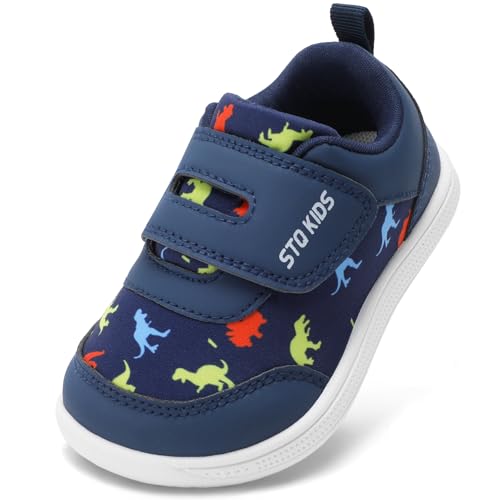
[ Wide Toe Box for Chubby Feet ]: Designed specifically for toddlers with wide or thick feet. The spacious front room prevents toe squeezing and blisters, allowing your little one’s toes to stretch naturally. This zero-drop barefoot design eliminates the pain of breaking in new shoes, ensuring absolute comfort for early walkers

Lace-Free Design:The baby shoes have convenient elastic lace-free design for easy on and off,fits snugly on baby's feet.Suit for crawling,walking,running,playing and won't fall off

〓 Comfy Baby Barefoot Sneakers: Crafted with soft mesh uppers and honeycomb insoles, these sneakers ensure 360°airflow to keep tiny feet dry and odorless during play. The ideal pair for all seasons
How Pediatricians Assess the Fit and Comfort of Walking Shoes
When choosing walking shoes for your precious nugget, fit and comfort must come first. Pediatricians check shoe fit by making sure there is about a thumb’s width of space between the longest toe and the shoe’s end while the child stands. They watch for scrunched toes or signs of pain, which signal the shoe may be too tight or the wrong style. Flexibility matters, too—shoes should bend easily at the forefoot to support natural movement without being too stiff. A wide toe box is key to let little toes spread out for balance and comfort. Finally, non-slip soles provide steady traction on different surfaces, helping your child walk safely as they explore the world in their first shoes. Additionally, choosing shoes with breathable materials helps keep little feet dry and comfortable during active play.
Recommended Shoe Brands for New Walkers
Trusted brands play a big role in supporting your precious nugget’s first steps. Pediatricians often recommend shoe brands that combine comfort and flexibility to encourage new walkers. Stride Rite offers lightweight shoes that fit high-instep feet well, while See Kai Run is known for wide, comfy options. Merrell Bare Steps uses minimalist designs to promote natural foot movement, perfect for little explorers. Ten Little and Little Love Bug focus on breathability and flexible soles that adapt to growing feet. For indoor use, Robeez Soft Sole shoes provide a barefoot feel, and New Balance offers sturdier outdoor choices. If you’re watching your budget, Target carries safe, pediatric-approved brands that don’t sacrifice quality. Choosing recommended shoe brands helps guarantee your baby’s comfort and supports healthy foot development. Shoes with wide toe boxes are especially important as they promote natural foot movement and comfort during early walking stages.
Recommended Products

FEETCITY Baby First Walking Shoes Boys Girls Toddler Sneakers Anti-Slip Newborn Crib Shoes Dark Grey
Upper:Knitted Mesh Upper offers comfort and air permeability,has excellent breathability,moisture wicking function,and keep baby's feet dry and odorless.Super Soft,Breathable and Comfortable fit all the year

Non-slip Soles:Preventing your baby from slipping,soft, lightweight sole,a safe and cute sock sneakers for baby boys baby girls.

Encourage style and comfort for your little one wearing the faux-leather Stride Rite SR-Taye 2.0 hook-and-loop sneaker.
The Role of Stability and Support in Early Walking Shoes
Support and stability play a key role in helping your precious nugget take confident first steps. Early walking shoes must offer proper support, especially around the heel, with a firm back that helps keep the balance bone, like the cuboid, steady. Stability is also enhanced by a wide toe box that allows natural toe splay. It’s important that shoes have flexible soles, so your little one’s feet can move naturally and build strength without restriction. Lightweight materials reduce fatigue, letting your toddler focus on balance and coordination. Above all, a proper fit is vital. Shoes that are too tight or loose can hinder movement and foot growth. Choosing shoes with these features guarantees stability and support, giving your baby’s first steps a strong and healthy foundation. Additionally, breathable fabrics help maintain foot health by keeping little feet dry and comfortable throughout active play.
Recommended Products
Breathable & Comfortable:These unisex baby socks shoes with non slip rubber soft Sole, knitted with soft breathable combed cotton. The insole is a memory insole, which fits the shape of the baby's feet, fit snugly and comfortably, adapting to your toddler’s natural foot movements. Super flexible , lightweight and comfortable fit all seasons.

Easy Comfort: The upper of our baby shoes is made of synthetic leather and textile materials, which is duralble and breathable, and the collar features padding for slip-in comfort around the ankle
Common Mistakes to Avoid When Choosing First Shoes
Choosing first shoes can often lead to common mistakes that affect a precious nugget’s walking experience. One frequent error is picking shoes that are too stiff, which limits natural foot movement and harms muscle growth. Another is overlooking proper fit—shoes should have about a finger’s width of space at the toes without cramping. Many parents focus on style over function, missing the importance of support needed for developing walking skills. Weight also matters; lightweight shoes help your little one walk more naturally, avoiding unnecessary fatigue. Finally, not measuring feet regularly can lead to ill-fitting shoes, as babies’ feet grow fast, often requiring new sizes every few months. Avoid these common mistakes to support your precious nugget’s first steps confidently and comfortably. Additionally, opting for shoes with non-slip soles is critical to prevent accidents during those early walking attempts.
Tips for Transitioning From Barefoot to Shoes
Before slipping on those tiny shoes, it helps to know when and how to shift from barefoot play to wearing shoes. Experts recommend keeping your precious nugget barefoot as much as possible until walking confidently outdoors or in public. Barefoot time supports healthy foot development by letting feet feel and adapt naturally. When introducing shoes, start with soft-soled moccasins that allow freedom and natural movement. As your child grows steadier, choose walking shoes that are lightweight, flexible, and have a wide toe box to avoid crowding tiny toes. Make sure shoes bend at the ball of the foot for comfort during each step. Transition gradually to support your child’s comfort and balance, always checking fit. This thoughtful approach keeps those little feet happy and strong.
How to Monitor Your Baby’s Foot Development and Shoe Needs
A careful eye on your baby’s foot growth helps keep those tiny toes comfy and healthy. To monitor foot development, measure your precious nugget’s feet every 2-3 months. Feet can grow fast during this time, especially while learning to walk. Watch their walking style and balance; unsteady steps or delays might require a pediatrician’s input. Check for signs of poor shoe fit, like scrunched toes or trouble standing. Good shoes should support without restricting natural foot movement, aiding healthy muscle growth. Keep in mind, foot arches develop gradually and usually become more defined by ages 2 or 3, which may change shoe needs. By regularly observing these details, you guarantee your baby’s shoes fit well and support their first steps safely and comfortably.
Frequently Asked Questions
Should Babies Wear Shoes When They First Start Walking?
Babies should primarily remain barefoot to support natural foot development and sensory feedback. Shoes become necessary on varied walking surfaces for protection, with flexible, lightweight shoe materials recommended to preserve barefoot benefits while ensuring safety and comfort.
What Shoes Do Pediatric Podiatrists Recommend?
Pediatric podiatrists recommend infant shoe styles featuring proper shoe fit with wide toe boxes and stiff heel cups. Preferred walking shoe materials include lightweight, breathable fabrics, while emphasizing barefoot benefits indoors to promote natural foot development and sensory feedback.
When Should I Get My Baby’s First Walking Shoes?
Babies should have their first walking shoes when they walk confidently outdoors. It’s essential to purchase shoes made of quality materials with adequate shoe flexibility and guarantee a proper fit to support natural foot development and comfort.
What Are the AAP Recommendations for Baby Shoes?
The AAP recommends shoe material considerations prioritizing lightweight, flexible fabrics. Proper fit importance guarantees comfort and foot health. Walking development stages guide shoe style functionality, emphasizing wide toe boxes and support to promote natural movement and safety for infants.