As an Amazon Associate, we earn from qualifying purchases. Some links on this site are affiliate links at no extra cost to you. Our recommendations are based on thorough research and editorial judgment.


When to Size Up: Growth Spurts and Shoe Replacement

Children’s feet grow rapidly, especially in early years, so you should size up every 2 to 3 months for infants and toddlers. Between ages 4 to 6, check shoes about every 6 months. Watch for tightness, pinching, or toes hitting the shoe front—signs your precious nugget needs a bigger size. Proper fit supports healthy foot development and comfort. Knowing when to replace shoes helps avoid discomfort and supports natural growth. You’ll find more helpful tips and details ahead.
Key Takeaways
- Size up when toes press against the shoe front or shoes feel tight and uncomfortable.
- Replace shoes every 2-3 months during rapid infant growth and every 3-4 months for toddlers.
- Monitor for bulges on shoe sides or difficulty putting shoes on as signs of outgrown shoes.
- Leave about half an inch of space between toes and shoe front for proper fit and comfort.
- Check shoe tread wear and adjust size more frequently during children’s growth spurts and increased activity.
Understanding Baby Foot Growth Patterns

Because babies’ feet grow so quickly during their first year, keeping up with their shoe size is important. A child’s foot grows at a rapid rate, often increasing by half a size every two to three months. During the first three months, most little ones wear size one or newborn shoes as their foot size changes little. From three to six months, parents often see their baby’s feet grow one or two sizes. Between six and twelve months, growth continues steadily, requiring more frequent shoe checks. Shoes that no longer fit well can hinder healthy foot development. For growing feet, you’ll need new, well-fitting shoes regularly to keep those tiny toes comfortable and supported. Watching your precious nugget’s growth guarantees their feet stay happy and healthy. It is also crucial to choose shoes with wide toe boxes to support natural foot development and comfort.
Toddler Foot Development and Shoe Needs

How fast are toddler feet growing these days? Toddlers, especially between 12 to 24 months, experience rapid foot development. Their feet can grow about half a shoe size every three to four months, meaning you’ll need to check shoe size often. As your precious nugget approaches ages 2 to 4, growth slows slightly but still requires updates to new shoes regularly. Proper fitting shoes are essential for your child’s growth; ill-fitting shoes can cause discomfort or problems later. Look for flexible, breathable shoes to support natural foot movement as your toddler becomes more mobile. Keeping up with these changes helps guarantee your little one’s feet grow strong and healthy during this important stage of development. Shoes with non-slip rubber soles also provide essential traction to enhance safety as toddlers explore their environment.
Recommended Products

Breathable & Comfortable:These unisex baby socks shoes with non slip rubber soft Sole, knitted with soft breathable combed cotton. The insole is a memory insole, which fits the shape of the baby's feet, fit snugly and comfortably, adapting to your toddler’s natural foot movements. Super flexible , lightweight and comfortable fit all seasons.

Breathable & Comfortable:These unisex baby socks shoes with non slip rubber soft Sole, knitted with soft breathable combed cotton. The insole is a memory insole, which fits the shape of the baby's feet, fit snugly and comfortably, adapting to your toddler’s natural foot movements. Super flexible , lightweight and comfortable fit all seasons.

【SUMMER ADVENTURES】The Ahannie kids sandal will make sure he is ready for those beach adventures!
Children’s Foot Growth From Ages 4 to 6

Between the ages of 4 and 6, children’s feet grow at a steady pace of about one shoe size every six to eight months. During this time, you’ll notice your little one may need a new pair more often, especially with growth spurts and increased activity. It’s important to monitor wear and check the shoe fit regularly. Proper fit means leaving about half an inch of space between your precious nugget’s toes and the front of the shoe. This space helps accommodate growth and keeps their feet comfortable and supported. Remember, children’s feet are still developing, so a snug but not tight fit is vital. Keeping an eye on shoe size every six months guarantees you’re always supporting your child’s healthy foot growth and avoiding discomfort. Additionally, selecting footwear made from non-toxic materials ensures safety alongside comfort for growing feet.
Growth Changes During Later Childhood

As children grow from ages 7 to 10, their feet continue to develop steadily, though at a slightly slower pace than earlier years. During this time, children typically increase their shoe size every 8 to 12 months. It’s important for you to monitor shoe fit with regular fitting checks to guarantee your precious nugget’s feet stay comfortable and healthy. While foot growth rates slow compared to toddler years, growth spurts can still occur, so you should replace shoes as soon as they become snug. Staying alert to signs of tightness or discomfort helps avoid problems. Although shoe size does not change every six months in this age group, keeping a close eye on fit will support your child’s changing feet during these later childhood years. Additionally, choosing shoes with adjustable straps can help accommodate growth and provide a better fit over time.
Differences in Growth Rates Between Boys and Girls

Though boys and girls both grow steadily through childhood, their foot growth patterns differ in timing and pace. Girls typically reach their final shoe size earlier, usually around ages 12 to 13, after experiencing earlier growth spurts. Boys generally experience a longer growth period, with an additional spurt between ages 13 and 15. This means boys often need a new shoe size for older children later than girls do. Because of these differences, it’s important to keep up with regular fitting checks. Checking your precious nugget’s shoe size every two to three months during growth spurts helps guarantee shoes fit comfortably and support healthy development. Understanding these patterns can guide you in choosing the right time to size up and keep little feet happy. Choosing shoes with flexible soles can accommodate rapid foot growth and promote natural movement during these critical stages.
Recognizing Signs Your Child’s Shoes Are Too Small
How can you tell when your precious nugget’s shoes no longer fit properly? One key sign is if your child’s toes are pressing hard against the front of the shoes. This pressure shows clear signs of crowding inside the shoe. Also, if your child often says their shoes feel tight or pinchy, it’s time to think about a new pair. Look for bulges on the sides or trouble putting shoes on—both suggest the child’s feet have outgrown the old shoes. Because little feet grow quickly, you’ll likely need to buy shoes every two to three months during early years. Spotting these signs early helps keep your child comfortable and supports healthy foot growth by ensuring the shoes always fit just right. Choosing shoes with roomy toe boxes can accommodate growth and help prevent discomfort as your child’s feet develop.
Recommended Products
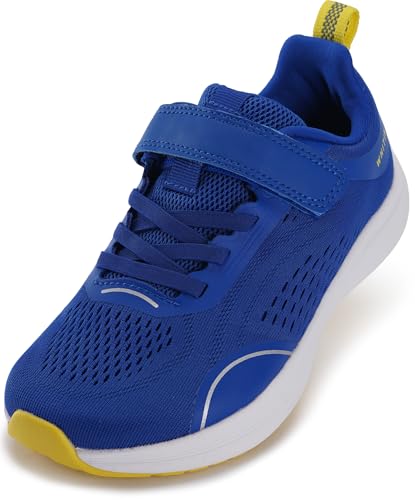
Anatomically wide toe box allows tiny toes room to breathe and splay naturally

Adjustable Laces: Watery conditions call for snug and secure-fitting water shoes! That’s why ours feature adjustable elastic laces with a cinching clasp to keep your child’s shoe in place on land and sea

Anatomically wide toe box lets tiny toes spread, splay and move naturally
How Often to Replace Shoes Based on Age Groups
Five key age groups show distinct patterns in how quickly a child’s feet grow, which guides how often you’ll need to replace those tiny shoes. Toddlers’ feet grow fast, gaining shoe size every three months, so expect new shoes every three to four months for ideal fit. For children aged 4 to 5, growth slows, meaning new shoes every four to six months usually work well. Between ages 6 and 8, kids feet grow steadier, with new shoes needed every six months and fit checks recommended. From 9 to 12, growth spurts mean children size every two to twelve months, so you’ll watch the child’s toes closely. By puberty, shoe changes slow as growth ends, but timely replacements remain essential to keep little feet comfy. It’s important to choose footwear made from breathable materials to ensure comfort and healthy foot development during these growth phases.
Recommended Products
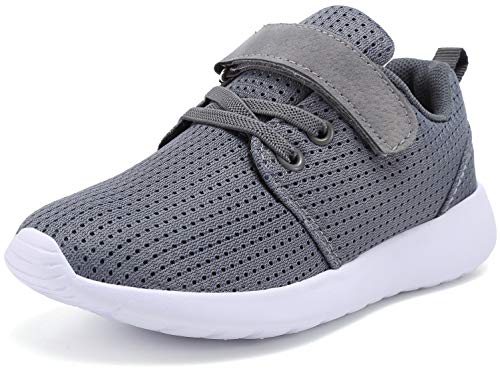
SURPRISING COMFORTABLE AND DURABILITY SOLE: These premium athletic kids shoes for girls and boys are crafted with incredibly soft soles and breathable materials.Offers ultra-lightweight support,suit for kids running,walking,play tennis or another sports.

Flexible Barefoot Feeling Design: Featuring a zero-drop sole and flexible construction, these barefoot-inspired shoes provide a natural feel with better ground flexibility. The lightweight design allows kids to move freely while walking, playing, and exploring

Flexible Barefoot Feeling Design: Featuring a zero-drop sole and flexible construction, these barefoot-inspired shoes provide a natural feel with better ground flexibility. The lightweight design allows kids to move freely while walking, playing, and exploring
The Importance of Proper Shoe Fit for Healthy Feet
Watching your child’s shoe size change is only part of the story. Proper shoe fit is key to keeping those little feet healthy and comfortable during growth spurts. Children’s feet don’t just grow longer—they can widen, too—so you need shoes that allow room to move without being too loose. Checking fit and comfort regularly is important, as your precious nugget may need shoes sized every two to three months. Shoes that are too tight cause discomfort, blisters, or even long-term foot issues. A good fit offers about a thumb’s width of space between the longest toe and shoe tip. Paying attention to both length and width helps you give your child shoes that support healthy foot development and keep their steps happy and safe. Additionally, selecting shoes with a wide toe box encourages natural foot movement and balanced gait development.
Recommended Products

Natural Barefoot Feeling: The main functions of these shoes include a wide toe box for ample space, front foot protection, and a low drop for enhanced ground feel. Kid's barefoot shoes strengthen foot muscles, enhance foot flexibility, and elevate sensory awareness, nurturing holistic foot development

Back-to-school ready with zero-drop sole for natural movement during running, PE class & playground activities
Flexible Barefoot Feeling Design: Featuring a zero-drop sole and flexible construction, these barefoot-inspired shoes provide a natural feel with better ground flexibility. The lightweight design allows kids to move freely while walking, playing, and exploring
Tips for Measuring and Selecting the Right Size Shoes
Regularly measuring your child’s feet is one of the best ways to guarantee their shoes fit just right. For infants and toddlers, measuring every 2-3 months keeps up with rapid growth. Older children should have their feet checked every 4-6 months. When you measure, look for about half an inch of space between the longest toe and the shoe’s front. This allows room for growth and comfort. Don’t forget to check the width too, as precious nuggets can gain foot width along with length. Choosing shoes with rounded toe boxes helps avoid toe crowding and discomfort. The shoe should fit well immediately—no break-in time needed. If your child’s shoe feels tight or uncomfortable, it’s a sure sign you need to size up for a better fit. Additionally, selecting shoes with adjustable features can accommodate growth and ensure a snug fit over time.
Recommended Products

Lightweight & Easy to Clean: Simply rinse with water or wipe with a damp cloth to remove stains easily.

Lightweight & Easy to Clean: Simply rinse with water or wipe with a damp cloth to remove stains easily.

Wide Round Toe: The unique design of the toe can make the baby's feet free movement, body balance is not afraid of falling, anti-collision to help crawling
Frequently Asked Questions
Do Feet Get Bigger Before a Growth Spurt?
Feet typically do not get bigger before growth spurts; rather, foot development follows varied growth patterns with age variations. Pediatric advice emphasizes monitoring size indicators to guarantee shoe comfort, considering shoe materials’ flexibility, essential in tracking developmental changes.
How Often Do 5 Year Olds Change Shoe Size?
Five-year-olds typically change shoe size every 4 to 6 months. Regular shoe fitting assesses early signs of discomfort, supporting foot health. Buying tips include monitoring growth patterns and adjusting children’s footwear with seasonal changes for ideal comfort.
Is Shoe Size a Good Predictor of Height?
Shoe size coincidentally grows alongside height, yet it is not a reliable height prediction tool. Childhood growth varies widely due to genetics influence, diverse growth patterns, body proportions, and foot development, making shoe size an inconsistent height marker.
Is It Better to Size up or Down for Kids Shoes?
Choosing shoes for children emphasizes sizing up to guarantee comfort factors and foot health. Measuring techniques account for seasonal changes and brand differences. Buying tips recommend regular checks to accommodate growth, preventing discomfort and promoting proper development.