As an Amazon Associate, we earn from qualifying purchases. Some links on this site are affiliate links at no extra cost to you. Our recommendations are based on thorough research and editorial judgment.

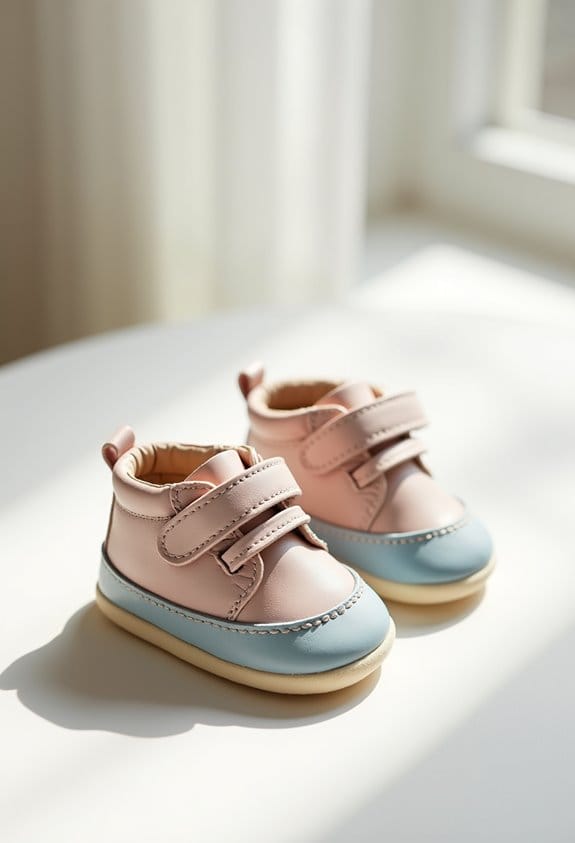
Signs Your Baby Is Ready for First Walker Shoes

Your baby may be ready for their first walker shoes between 9 to 12 months, especially when they start pulling up, cruising, or confidently bearing weight. Look for wobbly steps and enthusiasm to explore, which show they’re building balance and coordination. Soft, flexible soles with good grip and a spacious toe box support natural foot movement and safety. Proper fit is key—about 1 cm of room allows comfort. Keep an eye out, and soon you’ll understand what features help your precious nugget take confident steps.
Key Takeaways
- Baby can pull up to stand and cruise along furniture confidently.
- Shows balance and bears weight steadily while standing or taking wobbly steps.
- Exhibits increased mobility and curiosity to explore by walking or cruising.
- Displays crawling experience, which helps develop balance and coordination for walking.
- Demonstrates readiness typically between 9 to 12 months, but may vary per individual.
Key Developmental Milestones Before Walking

Several key milestones usually indicate when your precious nugget is getting ready for walker shoes. Babies often begin showing signs of readiness between 9 to 12 months, as they pull themselves up to stand and cruise along furniture. These movements highlight the importance of monitoring their development closely. When your baby’s feet start bearing weight confidently and they show increased balance, it implies that it’s time for first walking shoes. A supportive shoe is essential to protect growing feet and help build balance. Many babies walk independently between 9 to 18 months, so you’ll want to watch for a genuine confidence in standing and walking unassisted. Picking the right moment guarantees your little one’s steps are safe and steady as they begin independent walking. Choosing shoes with soft cushioned insoles ensures all-day comfort as your baby transitions to walking.
Observing Your Baby’s Mobility Changes

A baby’s changing movement is a clear sign that walker shoes may be needed soon. Around four to seven months, your precious nugget often shows mobility readiness by reaching for furniture and attempting to stand. These actions reflect a growing desire for exploring surroundings and gaining independence. When you notice your little one’s first steps becoming wobbly steps, it signals they are ready to take more confident strides. Offering first shoes at this stage can provide essential support, helping your baby feel steady and secure. Watching your baby’s confidence in movement rise is a gentle reminder that support through proper footwear may be wise. This period marks an exciting change, preparing your baby for safer, more comfortable walking adventures ahead. It is also important to consider ergonomic backs and padded cushions in footwear or walking aids to enhance comfort during this developmental stage.
Understanding Crawling and Standing Phases

Watching a baby explore by crawling and pulling up to stand reveals important stages in their mobility journey. Crawling typically begins between 6 to 13 months, helping your precious nugget develop balance, coordination, and sensory processing. This phase strengthens leg muscles and prepares them for standing. Usually around 9 to 12 months, babies start pulling up on furniture, showing readiness for standing and using support. As they gain confidence, they cruise along for better stability. These crawling and standing phases build the foundation for walking. Noticing your baby’s enthusiasm to move and reach while standing signals growing independence. That’s when first walker shoes can provide needed balance and support. Understanding these phases helps you recognize your baby’s unique timing and readiness for this exciting new step. Choosing shoes with a wide toe box supports natural foot growth and healthy development during this critical stage.
Indicators of Increased Independence in Movement

Signs of growing independence in movement often show up between four and seven months. Around this time, your baby may begin cruising—walking while holding on to furniture—and showing clear efforts to explore their surroundings. These independent movements indicate they are gaining confidence in using their feet for balance and mobility. A precious nugget starting to pull up and walk with less support means their body is ready for first walker shoes. These shoes offer stability as your baby takes steps, easing their change from cruising to walking independently. Watching your baby’s enthusiasm to explore and steady their feet can guide you in choosing the right moment to introduce walker shoes, making this exciting phase safe and comfortable for your growing little one. Selecting shoes with flexible, non-slip soles will help ensure your baby’s safety as they master their first steps.
Benefits of Soft and Flexible Sole Shoes

Once your little one starts taking steps with less support, choosing the right footwear becomes important. Soft and flexible sole shoes are ideal as they promote natural foot movement, helping your precious nugget develop muscles and coordination. These shoes offer good grip and traction, providing stability and confidence on different surfaces. Their lightweight nature prevents tired feet, letting your baby explore freely without discomfort. Breathable materials keep little feet cool and dry, supporting overall foot health during active play. Unlike heavier footwear, soft-soled shoes adjust better to uneven ground, reducing trip risks. When selecting pre-walking shoes, opt for ones with these features to support your baby’s early walking journey gently and safely, encouraging joyful, steady steps every time. Additionally, choosing shoes with wide toe boxes allows natural toe movement and enhances balance for your toddler.
Recommended Products

MATERIAL: Genuine suede leather, soft and lightweight with a durable sole so walking feel natural

Breathable & Comfortable:These unisex baby socks shoes with non slip rubber soft Sole, knitted with soft breathable combed cotton. The insole is a memory insole, which fits the shape of the baby's feet, fit snugly and comfortably, adapting to your toddler’s natural foot movements. Super flexible , lightweight and comfortable fit all seasons.

Material: PU Leather upper,breathable cotton lining.Anti-skid bottom.Which is good for baby's feet to Learning walking.Very soft material and rubber soles makes it easier to walk in on hard surfaces.No Any Stimulation to the Skin of Baby's Feet
Choosing Shoes That Support Natural Foot Movement
Because babies’ feet are delicate and still developing, choosing shoes that support natural movement is essential. When selecting first walker shoes, look for a spacious toe box to give your baby’s wiggly toes room to move freely. Shoes with a flexible sole help mimic barefoot walking, encouraging proper foot development and coordination. It’s also important to prioritize breathable materials to keep your little one’s feet comfortable and cool during active play. Slip-resistant soles provide the grip your precious nugget needs to stay steady as they take their early steps. Lightweight, easy-on shoes with features like Velcro straps make dressing simpler and promote your baby’s growing independence. Choosing the right shoes supports natural foot movement while safeguarding those tiny, tender feet as they explore their new world. Experts recommend flexible soles for a safe walking experience that fosters healthy foot growth.
Recommended Products

Wide Round Toe: The unique design of the toe can make the baby's feet free movement, body balance is not afraid of falling, anti-collision to help crawling

Breathable & Comfortable:These unisex baby socks shoes with non slip rubber soft Sole, knitted with soft breathable combed cotton. The insole is a memory insole, which fits the shape of the baby's feet, fit snugly and comfortably, adapting to your toddler’s natural foot movements. Super flexible , lightweight and comfortable fit all seasons.

FEETCITY Baby First Walking Shoes Boys Girls Toddler Sneakers Anti-Slip Newborn Crib Shoes Dark Grey
Upper:Knitted Mesh Upper offers comfort and air permeability,has excellent breathability,moisture wicking function,and keep baby's feet dry and odorless.Super Soft,Breathable and Comfortable fit all the year
When Outdoor Exploration Demands Foot Protection
Outdoor adventures mark an exciting new stage for your precious nugget, often starting between 9 and 12 months. During this time, babies begin outdoor exploration, pulling up to stand or moving along furniture. This activity signals it’s time for first walker shoes designed to protect their feet. Shoes with slip-resistant soles help them navigate uneven terrain safely. The best options are lightweight and flexible, allowing natural foot movement while offering adequate support. A spacious toe box assures comfort and room for growing feet. Breathable materials keep little feet cool during outdoor play. Choosing shoes with these features aids your baby in handling new surfaces confidently and enjoying outdoor exploration comfortably. Protecting tiny feet in this way supports their early steps in a safe, healthy manner. Additionally, features like cushioned footbeds provide essential support and protection for active toddlers.
Recommended Products
Breathable & Comfortable:These unisex baby socks shoes with non slip rubber soft Sole, knitted with soft breathable combed cotton. The insole is a memory insole, which fits the shape of the baby's feet, fit snugly and comfortably, adapting to your toddler’s natural foot movements. Super flexible , lightweight and comfortable fit all seasons.

[ Wide Toe Box for Chubby Feet ]: Designed specifically for toddler feet, our wide toe box prevents squeezing and discomfort. It allows little toes to splay and grip naturally, promoting healthy arch development and better balance during their crucial first steps

〓 Comfy Baby Barefoot Sneakers: Crafted with soft mesh uppers and honeycomb insoles, these sneakers ensure 360°airflow to keep tiny feet dry and odorless during play. The ideal pair for all seasons
Recognizing the Right Time for First Walker Shoes
Before your precious nugget takes those confident first steps outdoors, you’ll notice several signs showing they are ready for walker shoes. Typically between four to seven months, a baby’s first attempts at standing and crawling on all fours mark key milestones. If your little one is ready to explore, reaching for furniture and showing increased mobility, it’s time to think about their first pair of shoes. These shoes offer proper support as they take their first steps, protecting their feet while encouraging natural movement. When your baby walks unaided most of the day, getting shoes becomes important. Consulting a pediatrician can help confirm your child’s readiness, especially if there are concerns about flat feet or delayed milestones. This guarantees comfort and safety during early walking adventures. Choosing shoes with non-slip soles is essential to help prevent slips and falls as your baby learns to walk.
Recommended Products
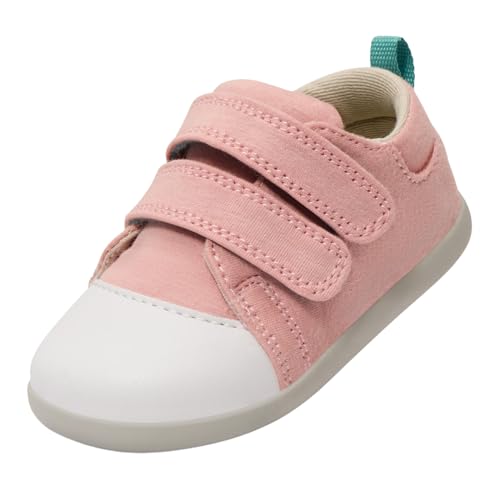
PREMIUM SUSTAINABLE MATERIALS: Made with breathable cottom upper, 100% cotton lining, and natural rubber outsoles for a quality first walker shoe that’s gentle on kids and the planet.

Stylish Infant Shoes: These superbly stylish kids' shoes have all their bases covered with a seriously stabilizing rounded-edge design

Lace-Free Design:The baby shoes have convenient elastic lace-free design for easy on and off,fits snugly on baby's feet.Suit for crawling,walking,running,playing and won't fall off
How Proper Shoe Fit Promotes Healthy Walking
Choosing the right fit for your precious nugget’s first walker shoes can make a big difference in their walking journey. Proper shoe fit guarantees about 1 cm of growing room between the toes and shoe ends, providing comfort and support as they grow. A spacious toe box lets those tiny toes wiggle freely, aiding natural foot movement and healthy walking development. Flexible soles are key, allowing balance and coordination to improve while offering stability. Shoes with breathable materials keep feet dry and comfortable, preventing irritation. Regularly checking that the shoes fit well—with no slipping or tightness—helps avoid foot problems. Keeping these features in mind guarantees your baby’s first walker shoes support healthy walking, making each step safe and joyful for your precious nugget. It is also important to choose shoes with non-slip soles to provide stability on various surfaces and prevent slipping.
Recommended Products
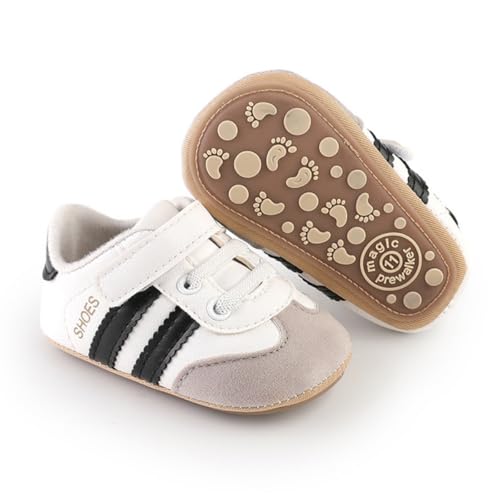
WELL MADE - High quality Pu Leather upper,breathable and sweat absorbing polyester material lining,sturdy rubber sole with grips prevent falls and good support . STYLISH -...
Frequently Asked Questions
When Should I Get My Baby’s First Walking Shoes?
The first shoe’s arrival marks a new journey, where flexible shoe material types and slip-resistant soles dance upon varied walking surface options. Sizing considerations align with foot development stages, ensuring pain free walking across baby walking styles, indoors or outdoor shoes alike.
How to Tell if Baby Will Be an Early Walker?
Early walkers exhibit milestone markers such as advanced baby balance, strong muscle strength, and proficient crawling phase. Early signs include confident walking techniques and foot development, often highlighted through parental observations indicating readiness before typical timelines.
Should Babies Wear Shoes When They First Start Walking?
Like knights in shining armor, babies benefit more from barefoot advantages during first steps, promoting foot health and developmental milestones. Baby shoe benefits emerge when walking surfaces demand protection; choosing proper shoe size and breathable shoe materials supports growing feet responsibly.
How to Know Baby Is Ready for Walker?
Readiness for a baby walking is indicated by walking milestones, increased toddler mobility, and walking confidence. Proper shoe fit supports foot development, while ensuring floor safety is essential. The general time frame varies per individual progress.