As an Amazon Associate, we earn from qualifying purchases. Some links on this site are affiliate links at no extra cost to you. Our recommendations are based on thorough research and editorial judgment.

How to Measure Your Baby’s Feet at Home Correctly

To measure your baby’s feet correctly at home, use a soft tape or trace the foot on paper while your precious nugget stands on a flat surface. Mark from heel to the longest toe, measuring both feet since one may be bigger. Add about 1 to 1.5 cm for growing room, then check foot width at the widest part. Choose shoes based on the larger size for comfort and healthy foot development. More helpful tips can guarantee you get the perfect fit every time.
Key Takeaways
- Place your baby’s bare feet on a flat surface against a straight edge for accurate heel alignment.
- Mark the tip of the longest toe and record the measurement from heel to toe for length.
- Measure foot circumference around the widest part for width to ensure comfortable shoe fit.
- Always measure both feet and use the larger size plus 1 to 1.5 cm growth allowance for shoe selection.
- Measure feet late in the day when slightly swollen for the most accurate and comfortable fit.
Tools Needed for Measuring Baby’s Feet
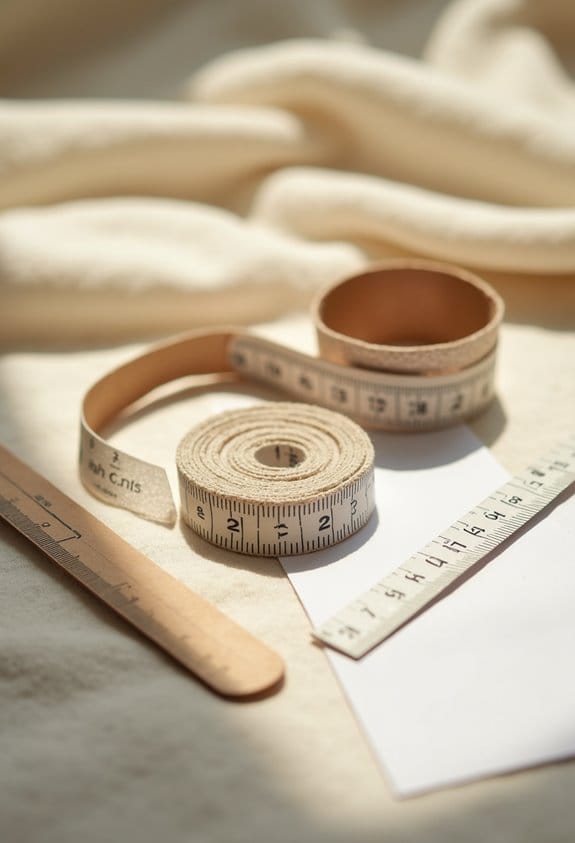
Although measuring your baby’s feet might seem tricky, gathering a few simple tools can make the process smooth and accurate. You will need a soft measuring tape to capture the exact length measurement of your precious nugget’s foot. Have paper and a pen or pencil handy to trace the foot outline on a flat surface, ensuring an accurate measurement. A marker can help highlight key points for better clarity. Remember, it’s important to measure both feet because one may be slightly larger. Using the larger measurement helps you choose the right baby shoes. To allow room for your little one to grow, add a grow allowance of about 1 to 1.5 cm before selecting the shoe size, ensuring comfort and proper fit. Checking the fit regularly is essential to maintain healthy foot development as your baby grows.
Recommended Products

ABOUT: This healthy solution to dying, messy natural grass is perfect for any type of yard! New flooring inside your new gym? No problem! New turf for your high school football field? No need for an installation crew! This versatile turf can solve any flooring eye sores or issues. It can be installed by you, at home with no help necessary! Either glue or artificial turf seam tape can used for application of your landscape.

BEAUTIFUL STAIR TREADS: Add a warm, protective layer to your home with Oak Valley Designs non-slip stair treads for indoor wood stairs. Includes one, single 35” x 9.75” stair tread. Fits any wood thickness 1.25” or less. Colors may vary slightly from appearance on a computer screen.

CUSTOM CUT-TO-FIT – MADE IN THE USA: Every rug is custom-cut and finished by skilled American craftsmen to ensure a perfect fit. Ideal for any room, our rugs arrive pre-bound and ready to place no trimming needed.
Step-by-Step Foot Measurement Process

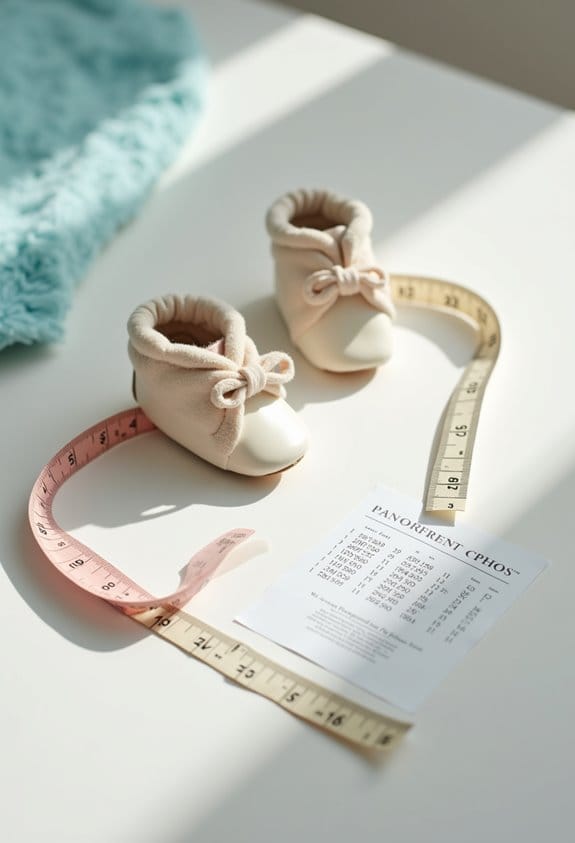
To begin measuring your precious nugget’s feet, gather your tools and find a flat, stable surface where your baby can stand barefoot. Place your baby’s foot on a printed size guide or A4 paper, aligning the heel with a straight edge. Mark the longest toe’s tip to measure foot length accurately. To measure width, gently wrap a soft tape or shoelace around the widest part of the foot, noting the circumference. Always measure both feet, as one might be larger. Use the bigger foot’s length and width to guide your baby shoes choice. Remember to add 1 to 1.5 cm of extra room for healthy foot development and comfort. This guarantees you pick the perfect shoes with an accurate size that supports growing little feet well. Ensuring a shoe has a wide toe box can promote natural toe spread and healthy foot growth during early development.
Understanding Baby Shoe Size Charts

Baby shoe size charts are helpful tools for finding the right fit for your precious nugget’s growing feet. These charts list shoe size by foot length, usually from newborn to size 6.5, in centimeters. When you measure your baby’s feet, focus on the longest toe to heel to the tip length for an accurate match. Remember, little feet grow at different rates, so using a baby shoe size chart assists you in choosing the correct size shoe every time. Since one foot may be larger, measure both and pick the bigger size. Checking the chart often guarantees shoes fit well and support your child’s growing feet comfortably. Using the right size shoe promotes healthy foot development and keeps your baby happy on their first steps. It is also important to leave enough room, about a thumbs width, for proper foot growth and comfort.
Recommended Products
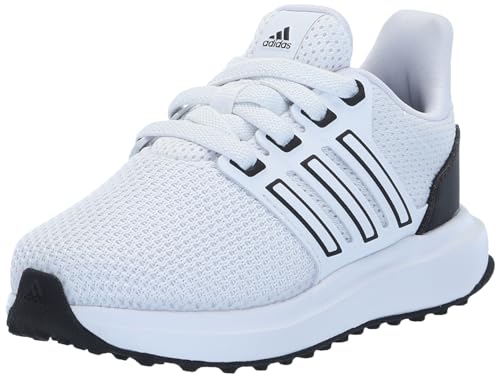
Toddlers' shoes with supportive cushioning for daily wear

CHECK SIZE CHART BELOW: We suggest following your EU size to align which US size to purchase.

Featuring a lightweight sock-like synthetic upper, easy pull-on construction, and iconic side-panel brand marking, these Nike Kids Flex Runner round-toe sneakers will keep them on their toes from the park to the ball pit.
How to Choose the Right Shoe Width
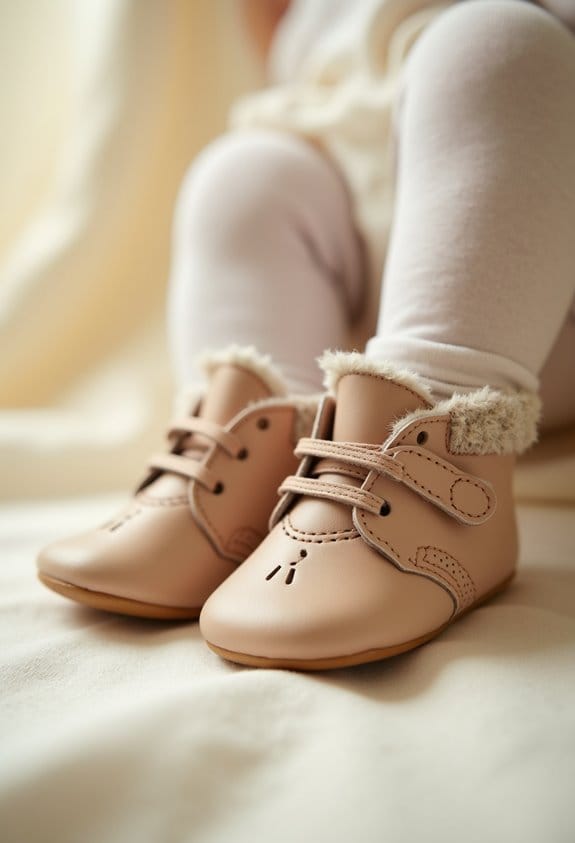
When choosing shoes for a precious nugget, width matters just as much as length. To select the right shoe width, first measure baby’s feet by wrapping a soft tape around the foot circumference at its widest part. Remember, one foot may be wider, so measure both and choose shoes fitting the wider foot. Check shoe sizes carefully, as width can vary by brand. If your child’s foot falls between standard widths, picking a half size up often guarantees better comfort. The shoes should not pinch or feel tight across the widest part during shoe fitting, allowing natural movement and growth. Prioritizing correct shoe width helps your precious nugget enjoy happy, healthy steps every day. Features like elastic openings or straps improve fit and comfort, making it easier to adjust for growing toddler feet.
Recommended Products

The Nike Force 1 LE brings back the '82 hardwood icon into an everyday style for kids with an all-white or all-black look. The durability, cushioning and feel introduce little feet to a classic.


Tips for Ensuring the Perfect Fit
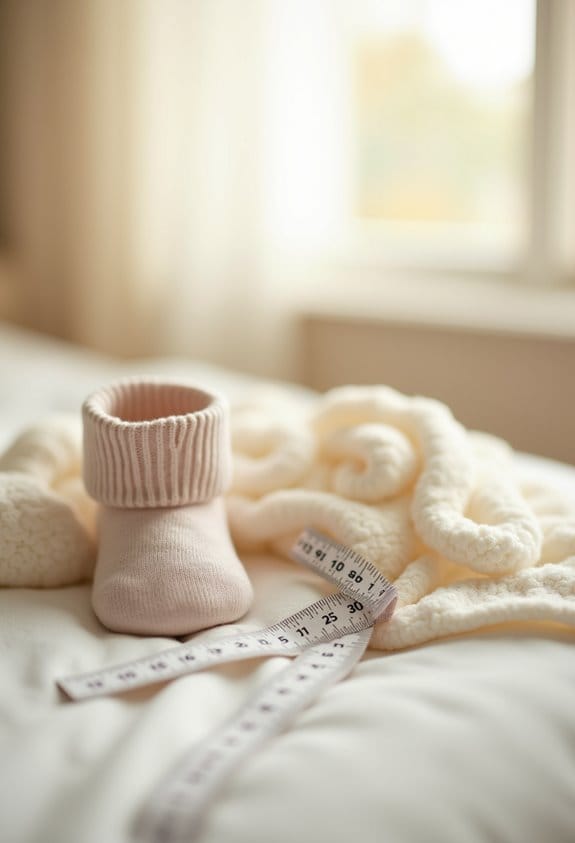
Although measuring your precious nugget’s feet might seem simple, getting the perfect shoe fit requires a few thoughtful steps. First, always measure your baby’s feet at the end of the day, when they are slightly swollen, to measure the distance correctly. Use a print out measuring guide for accuracy. Be certain to note both feet’s size; one might be larger. Use the bigger measurement to find the right size. Leave about 1 to 1.5 cm extra space beyond the big toe to allow for growth. Also, check the width carefully, making sure the shoe fits snugly around the widest part without squeezing. Shoes should be slightly larger than the foot to guarantee comfort. Regularly reassess to keep up with your baby’s fast growth and maintain the perfect size. Additionally, selecting footwear with non-slip soles can enhance stability and safety as your baby begins to walk.
Recommended Products

Removable insole

Chrome-free tanned: lining leather and insole

Flexible outsole
Frequently Asked Questions
How Can I Measure My Baby’s Feet at Home?
Measuring techniques include using size charts and placing the infant’s foot on a printed guide, accounting for foot growth and seasonal changes. Parents should avoid common mistakes, ensuring baby comfort, proper shoe fitting, and supporting foot health through regular checks.
What Baby Shoe Size Is 4.5 Inches?
A tiny footprint stretching 4.5 inches typically corresponds to baby shoe sizes around US 4.5. Measuring tools aid size conversion, while fitting tips emphasize foot growth, brand variations, material choices, seasonal factors, and when to measure for accuracy.
Where to Measure Baby’s Feet?
Baby foot measurement should be taken from heel to the longest toe, using precise measuring tools to guarantee accuracy. Understanding foot growth stages and applying proper measuring techniques prevents common mistakes, supporting foot health importance and shoe fitting tips for baby shoe styles.
How Accurate Are at Home Foot Measuring Tools?
Like a compass guiding a traveler, home measuring tools provide reliable foot measuring accuracy when paired with proper measuring techniques. Combining sizing chart comparisons and shoe fitting tips helps avoid common measurement mistakes during baby foot growth, ensuring understanding of shoe sizes.