As an Amazon Associate, we earn from qualifying purchases. Some links on this site are affiliate links at no extra cost to you. Our recommendations are based on thorough research and editorial judgment.

Wide Feet vs. Narrow Feet: Finding the Right Fit

Wide feet, common in growing kids and active adults, are broader across the forefoot and need shoes labeled “wide” or “extra wide” for comfort. Narrow feet, slimmer at the forefoot and heel, often require narrow shoes with adjustable straps for a snug fit. Proper fit prevents discomfort and supports healthy foot growth for your precious nugget. Recognizing foot width helps you choose the right shoes and insoles to keep their feet happy and healthy. More details follow for better shoe choices.
Key Takeaways
- Wide feet require shoes labeled wide (W or WW) with ample toe box space to prevent discomfort and promote healthy foot development.
- Narrow feet need shoes marked narrow (N) for a snug fit, often best achieved with lace-ups or adjustable closures.
- Regularly measuring foot width ensures proper shoe selection, accommodating changes in size and maintaining comfort.
- Proper shoe width prevents foot issues like bunions, calluses, slipping, and cramped toes for both wide and narrow feet.
- Choosing specialized brands and orthopedic insoles designed for wide or narrow feet enhances fit, comfort, and foot health.
Understanding Wide Feet

Wide feet are more common than many realize, especially among growing kids and active adults. If you notice a broader forefoot on your precious nugget, it may mean their foot width is wider than standard shoe widths. Wide feet need more space inside shoes to avoid discomfort or foot problems like blisters and bunions. The shape of your foot can change, especially with weight gain or standing long hours. Shoes labeled “wide” or “extra wide” give better comfort and support for those with a wide foot. Paying attention to the right shoe fit can prevent pinching and keep little feet cozy. Choosing brands that offer wider sizes helps guarantee a comfortable fit, supporting growing feet in every step. Selecting footwear with a wide toe box is essential as it facilitates natural toe spreading and healthy foot development.
Signs You Have Wide Feet
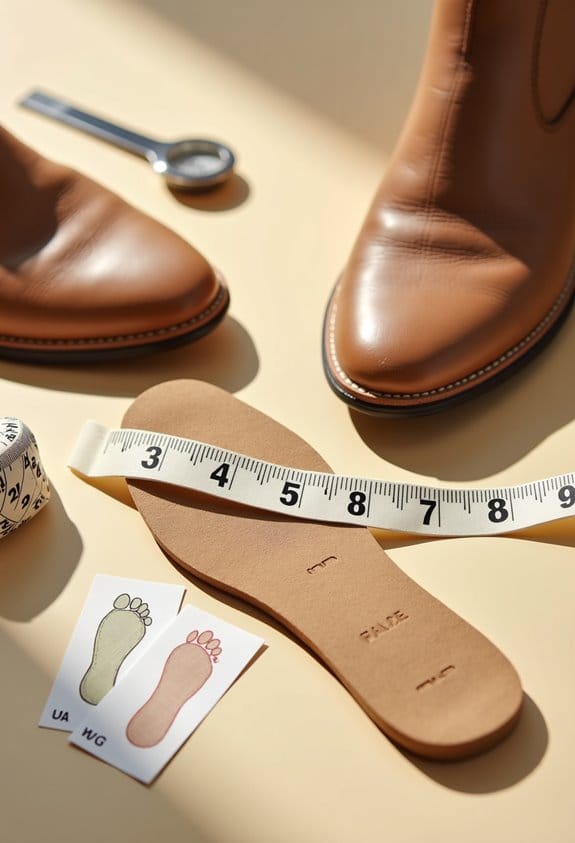
Foot shape and comfort clues can tell you if your precious nugget might have wide feet. One sign is tightness across the ball of the foot or bulging over the sides of standard-width shoes. If your shoes show side pressure or your toes feel cramped, it means the shoe width may not be right. The wet foot test helps check this by leaving a footprint on paper—wider prints often mean wide feet. Adults with foot measurement over 4.2 inches for men (size 10) or 3.9 inches for women (size 8) usually have wide feet. Unlike narrow feet, wide feet need a comfortable fit to avoid discomfort. Regular checks guarantee your little one always finds a better fit as they grow.
Characteristics of Narrow Feet

Just as some little ones need wider shoes, others have feet that are narrower than average. Narrow feet are typically slimmer across the forefoot and heel, requiring shoes labeled N or Narrow to fit well. For example, narrow feet usually measure around 3.2 inches wide for men’s size 10 and about 3 inches for women’s size 8. If your precious nugget has this foot type, you might notice common shoe fit problems like slipping inside shoes or needing tighter laces. Shoes that don’t fit snugly can cause painful issues like blisters or instability during play. Choosing shoe brands offering lace-up styles, loafers, or ankle straps can help shoes fit more comfortably without excess space. Knowing these characteristics helps you find the right shoe sizes that support your child’s every step. It is also important to consider shoes with secure adjustable closures to adapt to narrow and growing feet for optimal support and comfort.
How to Identify Narrow Feet

How can you tell if your precious nugget has narrow feet? One way is by looking for signs like slipping of the foot inside shoes or heel slippage when walking. These signs suggest the need for a secure fit that standard width shoes might not offer. Accurate measurement of the foot’s width helps confirm this, showing a narrower width compared to the average—for instance, about 3 inches for a women’s size 8 or 3.2 inches for a men’s size 10. If this fits your child, narrow shoes labeled N or Narrow, designed specifically for slim feet, are a better option. Shoe size alone isn’t enough to judge; paying attention to fit and comfort matters most. Lace-up or strap shoes can also improve foot positioning and decrease slipping. Ensuring your toddler’s shoes have secure closures like hook & loop fasteners or straps can significantly enhance fit and prevent slipping for narrow feet.
Comparing Regular, Wide, and Narrow Foot Widths

Why does knowing the difference between regular, wide, and narrow shoe widths matter for your precious nugget? Understanding foot width helps you find the right fit, which is key for comfort and health. Regular widths, labeled M, fit most kids with foot widths around 4 inches for boys and 3.5 inches for girls. Wide feet measure larger—over 4.2 inches for boys and 3.9 inches for girls—and need shoes for wider feet, often marked W or WW, with a roomy toe box to prevent blisters. Narrow feet, about 3.2 inches or less, require shoes for narrow feet, labeled N, with a snug fit to avoid slipping. Measuring your foot width helps you pick these options, ensuring a comfortable fit that supports healthy foot development. Choosing shoes with adjustable closures can also help accommodate growing feet and provide better ankle support.
Recommended Products

[Wide toe box]: These toddler shoes for boys and girls feature a wide toe box that helps prevent toe squeezing and allows little feet to splay naturally. Perfect for babies with high insteps or wide feet, they keep your child comfortable and at ease during those important early walking stages

Wide Toe Box: Designed for healthy foot growth with a roomy toe box, these kids' wide width running shoes allow little toes to move and stretch freely without the discomfort from cramping.
The Role of Shoe Width in Comfort and Fit
Although many focus on shoe length, width plays an equally important role in your precious nugget’s comfort. Shoe width affects how snug or loose shoes feel and influences overall fit. For children with wide feet, choosing shoes labeled W or WW helps avoid pinching and discomfort, while narrow feet benefit from N or Narrow options. When buying shoes, a comfortable fit means enough space in the forefoot area to prevent blisters and foot pain. Accurate foot measurement is key to selecting the best shoe width. Proper fit supports foot health by reducing risks of deformities like bunions and calluses. Paying attention to shoe width guarantees your child’s feet stay happy and healthy during all their daily adventures. Additionally, selecting shoes with a wide toe box can significantly enhance comfort and promote natural foot development.
Recommended Products

Natural Barefoot Feeling: The main functions of these shoes include a wide toe box for ample space, front foot protection, and a low drop for enhanced ground feel. Kid's barefoot shoes strengthen foot muscles, enhance foot flexibility, and elevate sensory awareness, nurturing holistic foot development

ATHLETIC COMFORT: These toddler shoes feature a cushioned comfort insole and shock-absorbing midsole for all-day support during active play
Measuring Your Foot Width Accurately
Knowing the right shoe width for your precious nugget starts with an accurate foot measurement. To measure foot width, use a ruler or measuring device across the ball of the foot, where it is widest. It’s best to measure at night and with regular socks on, since feet often swell during the day. You can also try the wet foot test by stepping on paper; a wider footprint suggests wide feet, while a narrow foot leaves a slimmer outline. Shoe widths vary, especially for kids with narrow foot (A or C) or wide feet (W or E), so knowing your child’s exact width helps when shoes offer different fitting options. Measuring foot width accurately guarantees that shoes fit comfortably and support growing feet properly. Choosing shoes with flexible rubber outsoles can accommodate slight variations in foot width while providing essential support for early walkers.
Shoe Recommendations for Wide Feet
How can parents find shoes that truly fit their child’s wider feet? Wide feet need shoes that offer extra room beyond the average width, especially in the forefoot area, to prevent discomfort and foot problems. Look for shoes for wide feet labeled W or WW; these provide the necessary space your precious nugget needs. Brands like Clarks, Merrell, and Keen offer ultra-wide options that combine comfort and style, so your child doesn’t have to sacrifice either. Avoid flat shoes—they often lack arch support and can worsen foot issues. Specialty health footwear stores usually carry orthopedic shoes designed specifically for wider feet, providing extra support and cushioning. Models like KURU’s FLEX Via and QUANTUM 2 feature advanced heel technology, ensuring a secure yet roomy fit for happy, healthy feet. Additionally, selecting shoes with a wide toe box is essential to allow natural toe splay, which supports balance and proper foot development.
Recommended Products

Flexible Barefoot Feeling Design: Featuring a zero-drop sole and flexible construction, these barefoot-inspired shoes provide a natural feel with better ground flexibility. The lightweight design allows kids to move freely while walking, playing, and exploring

Wide Toe Box: Our toddler shoes have a spacious wide toe box for natural toe movement, promoting healthy foot growth for toddler boys and girls. The zero-drop sole boosts ground feel and sensory awareness, strengthening foot muscles while maintaining a comfortable barefoot feeling for little kids
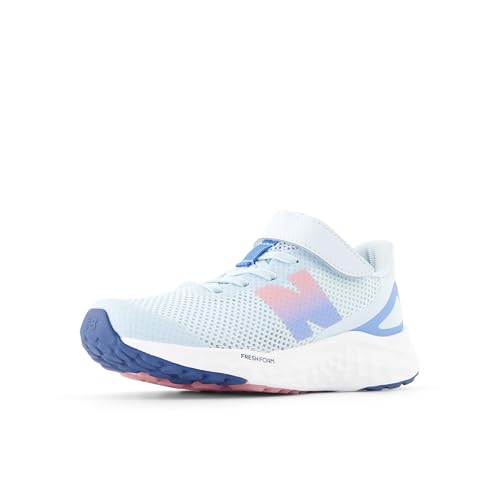
Fresh Foam midsole cushioning is precision engineered to deliver an ultra-cushioned, lightweight ride in these kids running shoes cushioned for growing feet.
Best Shoe Styles for Narrow Feet
Just as wider feet need shoes with extra room, narrow feet call for styles that offer a snug, secure fit. Shoes like lace-ups or those with adjustable ankle straps are great choices. They let you customize the fit, keeping those precious nuggets from slipping around. Loafers also suit narrow feet well by holding the foot in place without being loose. Avoid the common mistake of buying shoes half a size smaller to fix width issues; this can cause discomfort. Instead, consider using orthopedic insoles for added support and comfort. Look for shoes labeled N or Narrow, as these provide a snug fit across the forefoot. Brands like La Sportiva and Hoka are known for making shoes that fit narrow feet well, ensuring both support and lasting comfort for your child’s growing feet. Additionally, choosing shoes with adjustable closures guarantees a secure fit and prevents the shoe from slipping off during active play.
Recommended Products
Flexible Barefoot Feeling Design: Featuring a zero-drop sole and flexible construction, these barefoot-inspired shoes provide a natural feel with better ground flexibility. The lightweight design allows kids to move freely while walking, playing, and exploring

Fit Narrow Door: Overall dimensions is 30" H and 13.7" W, small toddler shoe organizer door hanger is great for narrow or short doors like RV closet door, cabinet, cruise cabins, locker door and dorm door;

Keep your kids comfortable all day long with RUNSIDE's breathable and lightweight mesh fabric upper that ensures dry feet during extended activities, making them perfect for indoor and outdoor activities.
Importance of Proper Fit for Foot Health
Because feet come in all shapes and widths, finding shoes that fit correctly is essential for your child’s foot health. Proper shoe fit helps prevent issues like foot pain, blisters, and instability. When you understand the width of your feet, you can find shoes that support those precious nuggets comfortably. Wider feet usually need a wider fit, labeled W or WW, while narrower feet benefit from N or Narrow sizes for that perfect snugness. Shoes can cause problems if they are too tight or too loose—tight shoes might lead to bunions or Morton’s neuroma, while too-wide shoes may cause balance troubles. Taking time to measure and choose the right width helps keep your child’s feet healthy and happy through every step they take. Regularly measuring foot width ensures you select the best-fitting shoes as your child grows.
Choosing the Right Insoles for Different Foot Widths
Insoles play an important role in supporting your child’s feet, especially when their width is taken into account. For wide feet, the right insoles offer extra depth and space in the toe box, ensuring a comfortable fit and protecting those precious nuggets from pinching. Memory foam materials add soft cushioning, helping wider feet feel supported all day. Narrow feet, on the other hand, benefit from insoles that provide snug arch support to keep little feet stable and prevent slipping inside the shoe. When choosing insoles, consider material and fit carefully, as firmer options often help narrow feet stay secure. Brands now offer insoles labeled for wide or narrow widths, so you can find the best match for your child’s shoe fits, promoting comfort and healthy foot development. It is also important to ensure that insoles contribute to natural foot growth by allowing flexibility and adequate room within the shoe.
Recommended Products

Cloud-Soft Comfort: These kids insoles are made with high-elastic PU and soft memory foam to provide a soft, comfortable feel and help distribute pressure more evenly for lasting comfort. The cloud-soft feel helps reduce foot fatigue during school, sports, and everyday play, keeping growing feet comfortable and supported all day.

Perfect Replacement for Worn Down Inserts:Ideal replacement insoles for kids flattened, worn out or uncomfortable original shoe soles. Restore soft cushion for old sneakers, save the cost of buying new shoes and extend shoe service life.

Built for Durability & All-Day Comfort, Not Just a Quick Fix: Your child's active feet need real support, not just a temporary pad. That's why we use high-density, premium foam that's both supportive and cushy. It holds its shape when cheaper sponge insoles would have flattened, providing consistent comfort and protection.
Frequently Asked Questions
How to Determine if Your Foot Is Wide or Narrow?
To determine foot width, one must take accurate foot measurements and consider arch type and foot shape. Consulting sizing charts and shoe brands with various width sizes and insole options guarantees comfort levels, influenced by shoe materials.
Is It Better for Shoes to Be Too Wide or Too Narrow?
Like Goldilocks seeking balance, shoes slightly wider than narrow ease pressure points, enhancing comfort levels and foot health. Durable shoe materials and arch support matter, while sizing charts, style options, and price differences influence the ideal, balanced fit.
What Are Signs of Needing Wider Shoes?
Signs of needing wider shoes include persistent shoe discomfort, toe squishing, blisters appearing, pinched nerves, pressure points, reduced circulation, increased swelling, and poor arch support, all indicating the shoe’s overall fit is too narrow and restrictive.
Should You Go a Half Size up if You Have Wide Feet?
Choosing a half size up for wide feet is like forcing a square peg in a round hole. Proper shoe sizing with width variations, considering toe box, arch support, and material flexibility, better preserves foot health, style options, and fitting tips.